Georgian court upholds in absentia detention of opposition figure Giorgi Gakharia






Gakharia arrested in absentia in Georgia
On 8 January, the Tbilisi City Court upheld the decision to place former prime minister and now one of the opposition leaders, Giorgi Gakharia, under arrest in absentia for the duration of the pretrial investigation. Several months ago, Gakharia left the country and is currently abroad.
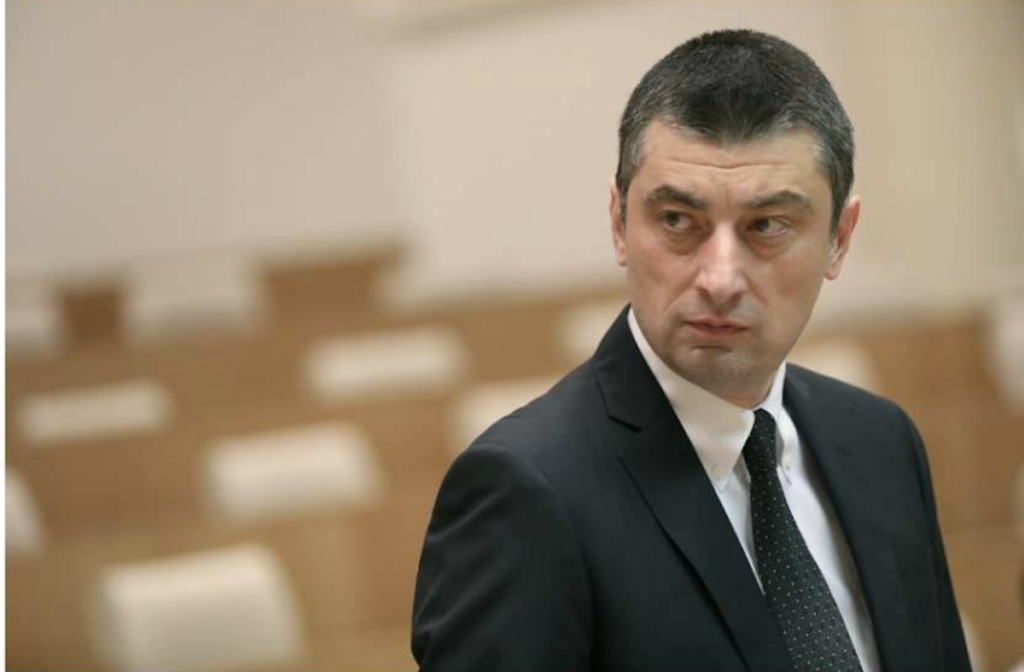
Criminal proceedings against Giorgi Gakharia, leader of the For Georgia party, were launched on 12 November 2025 and are linked to two episodes that remain, even years later, among the most painful and divisive issues in Georgia’s political life.
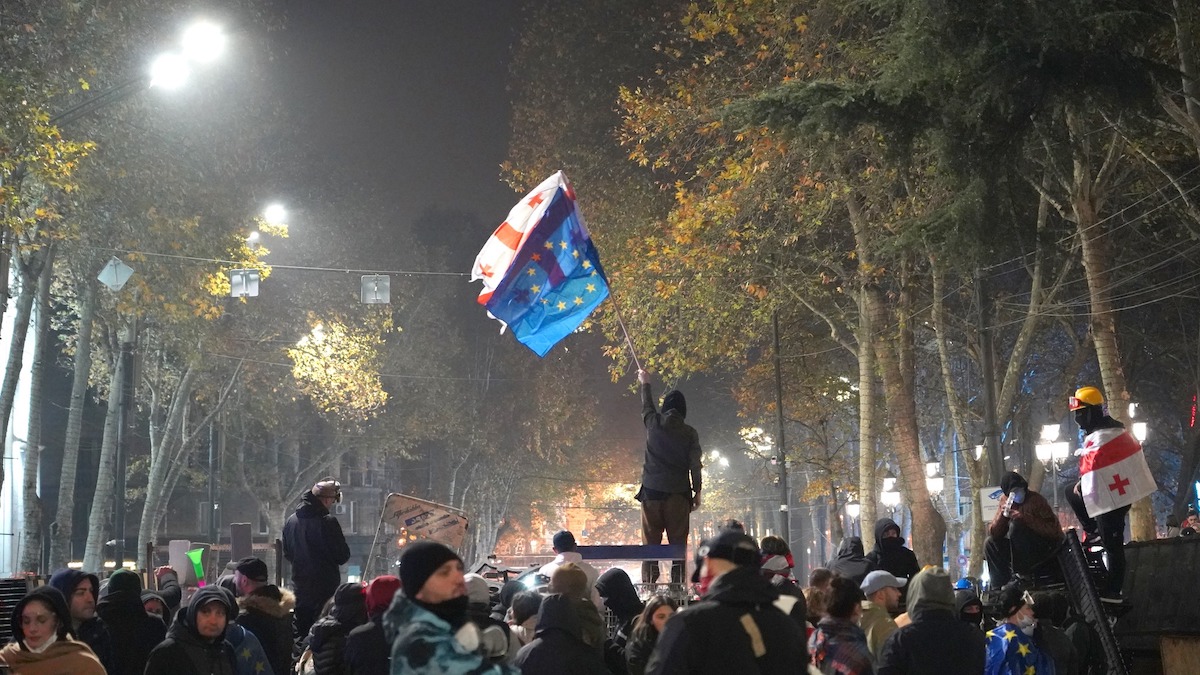
The first concerns the events of 20 June 2019, when police violently dispersed a mass protest, using force including rubber bullets without prior warning. Two people lost an eye and five sustained serious injuries. At the time, Gakharia was serving as interior minister and gave the relevant order.
The second episode also dates back to 2019. Gakharia is accused of having single-handedly decided to set up a police checkpoint near the village of Chorchana in the Georgian–Ossetian conflict zone, which led to a sharp escalation. Tbilisi lost control over another section of its territory at that time, the prosecutor’s office claims.
Judge Nato Khudjadze granted the prosecution’s motion and excluded from the case the evidence submitted by the defense. In particular, the judge rejected the defense’s arguments citing public statements by the founder of the ruling Georgian Dream party, oligarch Bidzina Ivanishvili; party leaders Irakli Kobakhidze and Mamuka Mdinaradze; former interior minister Vakhtang Gomelauri; and former justice minister Tea Tsulukiani.
The defense referred to these statements to demonstrate the political context of the case, but the court ruled them irrelevant. At the same time, all evidence presented by the prosecution was fully admitted into the case file.
According to Interpressnews, the judge’s decision ultimately fully aligned with the position of the prosecution.
In connection with these events, Gakharia is charged under Articles 25 and 117, Part 3, Subparagraph “m,” and Article 333, Part 2 of the Criminal Code, which provide for a sentence of up to 13 years in prison.
On 13 November 2025, he was sentenced in absentia to imprisonment as a preventive measure in both episodes.
What happened on 20 June 2019 — the so-called “Gavrilov Night”
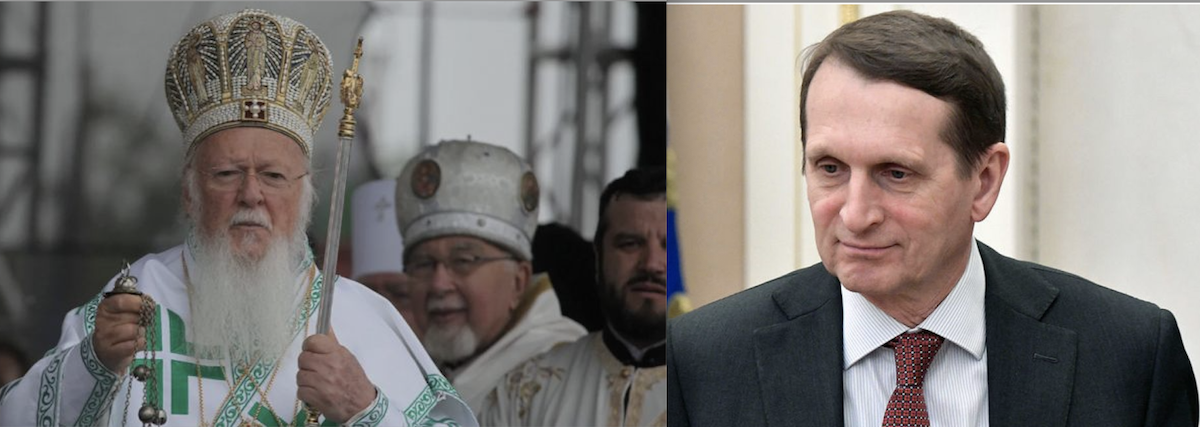
Mass protests began in June 2019 after Russian State Duma MP Sergei Gavrilov took the speaker’s chair in Georgia’s parliament during a session of the Interparliamentary Assembly on Orthodoxy, which was being held in the parliamentary chamber. Gavrilov chaired the session and intended to conduct it from the speaker’s seat.
Within an hour of this becoming known, tens of thousands of protesters took to the streets of Tbilisi.
Georgia was represented at the Interparliamentary Assembly on Orthodoxy by Zakaria Kutsnashvili, a member of the ruling Georgian Dream party, who had invited Gavrilov and other Russian MPs to Georgia.
The Russian participants were accompanied by officers of Georgia’s state security service – a detail that caused particular outrage among protesters.
The 19 June session was attended, as MPs from Georgian Dream, by the then speaker of parliament and current prime minister Irakli Kobakhidze, as well as representatives of the Georgian Patriarchate.
The dispersal of the mass protest was carried out with particular brutality. Police and riot units used special means, resulting in 240 people being taken to hospitals. Journalists were among those injured.
Two people – Mako Gomuri and Giorgi Sulashvili – lost an eye after being hit by rubber bullets.
The events of 20 June 2019 remain one of the most egregious examples of human rights violations in Georgia.
On 7 May 2024, the European Court of Human Rights ruled that the state had failed to protect freedom of assembly that day and that the use of force was disproportionate, ordering the payment of financial compensation to the victims.
The case of the police checkpoint near the village of Chorchana
In 2019, in a forested area near the village of Chorchana in the Georgian–Ossetian conflict zone, Russian military forces (occupying forces) began so-called “borderization” – the installation of an illegal boundary.
At the time, Georgia’s interior minister, Giorgi Gakharia, ordered the establishment of a police checkpoint in the forest. In response, the de facto authorities in Tskhinvali (South Ossetia) disrupted a meeting of the Incident Prevention and Response Mechanism working group, held under OSCE leadership, and demanded the dismantling of the checkpoint. Georgia’s Ministry of Internal Affairs refused to do so.
The ruling Georgian Dream party now claims that the government and the state security service were not informed in advance about the opening of the checkpoint in Chorchana, and that the decision led to the loss of control over another part of the territory and brought the country to the brink of war.
As part of the case, the prosecutor’s office questioned former senior officials, including then head of the State Security Service Vakhtang Gomelauri, who says he opposed the construction of the checkpoint.
His then deputy, Aleksandre Tabatadze, stated that “coordination in that process was insufficient.”
Former Minister of Regional Development and Infrastructure Maia Tskitishvili said she had been aware of the checkpoint in Chorchana.
News in Georgia