Georgia emerges as key route for car supplies to Russia amid sanctions






Georgia is becoming a major source of cars entering Russia, despite official bans and conflicting statistics.
According to Russian analytics agency Avtostat, 34,600 used passenger cars were imported from Georgia to Russia since the start of 2024. Official Georgian statistics, however, report only eight export shipments over the same period.
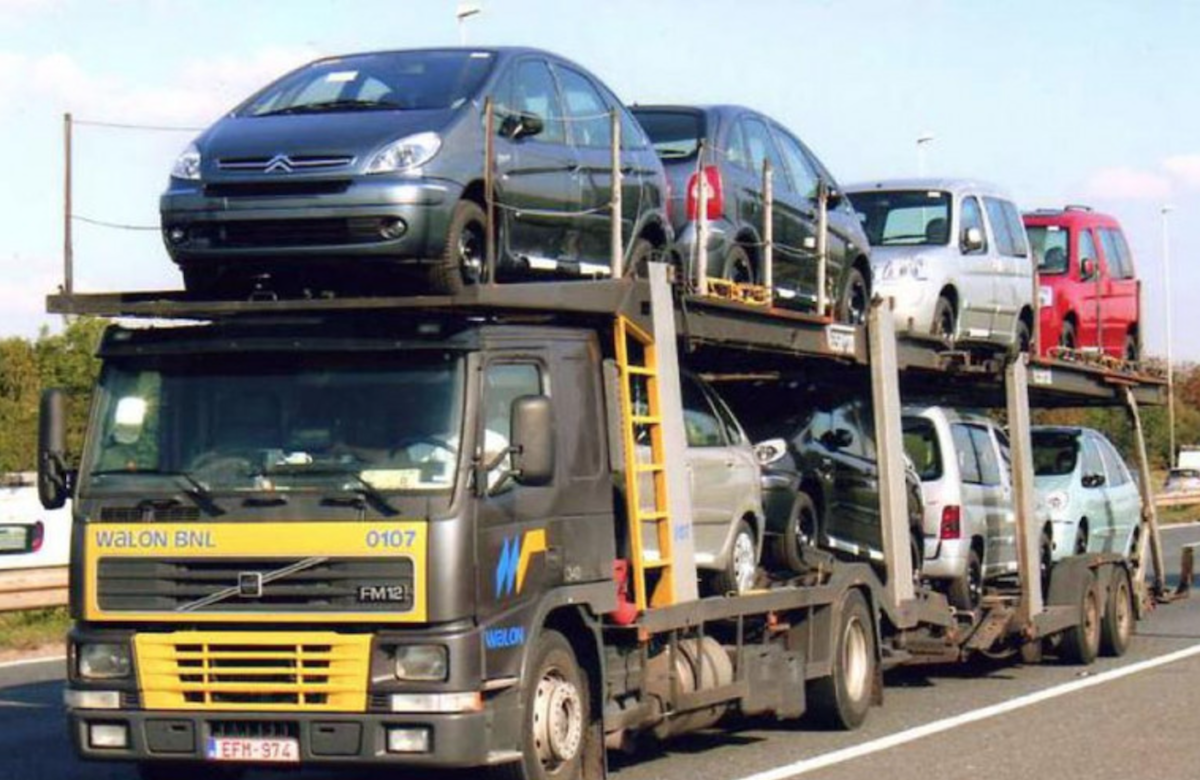
The data was published on Telegram by Avtostat director Sergey Tselikov, who said the figures are more than three times higher (+218%) than during the same period last year.
Tselikov claims that a significant number of cars exported from Georgia to third countries, including Kyrgyzstan and Kazakhstan, actually end up on the Russian market, which is seen as a way to circumvent Western sanctions.
According to Avtostat, in November 2025 alone, 4,778 used cars were imported from Georgia to Russia — 3.3 times more than in November 2024 (+227%). The most popular brands were BMW, Toyota, Volkswagen, Hyundai, and KIA.
The statistics do not include new cars.

This picture sharply contradicts data from Georgia’s National Statistics Office, which reports that between January and October 2025, only eight passenger cars worth a total of $139,300 were officially exported from Georgia to Russia.
At the same time, official figures show a sharp rise in car re-exports from Georgia to other destinations: in Kyrgyzstan, re-exports this year exceeded $1.1 billion (35,225 cars), and in Kazakhstan, $639 million (37,093 cars).
In 2023, Georgia officially banned car re-exports to Russia and Belarus but did not restrict vehicle registration in the names of citizens from these countries. As a result, documents often list Kazakhstan or Kyrgyzstan as the final destination. Media reports indicate that after passing customs checks at the Georgian border, these cars still ultimately reach the Russian market.

In spring 2024, Georgia took an additional step by banning car re-exports to Russia and Belarus for citizens of those countries as well, aiming to demonstrate compliance with Western sanctions. However, dealers soon switched to alternative schemes, further exposing the gap between official statistics and reality.
Car shipments from Georgia to Russia rise