Tbilisi condemns “presidential election” in Georgia’s Russian-occupied Tskhinvali region






Georgia condemns Russia over South Ossetia election
Georgia’s Foreign Ministry condemned the so-called “presidential election” held on 18 September in the Russian-occupied Tskhinvali region (South Ossetia), calling it a violation of Georgia’s sovereignty and territorial integrity.
According to the ministry’s statement, “the opening of polling stations by Russia in the occupied territory without the consent of the Georgian government is a gross violation of Georgia’s sovereignty and another manifestation of Russia’s policy aimed at the de facto annexation of Georgia’s regions.”
- South Ossetia election: as expected, former Moscow official Marat Kambolov becomes new president
- Moscow’s new man in Tskhinvali: what Kambolov’s appointment means – views from Tbilisi
- Pre-election mood in South Ossetia: ‘So calm it’s almost boring’
Georgia’s Foreign Ministry said that holding the so-called election violates fundamental norms and principles of international law and cannot legitimise the occupation regime in Tskhinvali or change the region’s status under international law as part of Georgia.
“Holding any so-called elections in Georgia’s occupied territories, which are under military occupation and the effective control of the Russian Federation, while internally displaced persons and refugees are not given the opportunity to return to their homes safely and with dignity, is illegal and cannot have any international legal consequences,” the ministry said.
Tbilisi also condemned Russia’s decision to open polling stations for the Russian State Duma election in occupied Abkhazia and the Tskhinvali region from 18 to 20 September.
The Foreign Ministry called on the international community to properly assess and condemn Russia’s actions and ensure an appropriate international legal and political response.
“Georgia continues to call on the international community to firmly protect Georgia’s sovereignty and territorial integrity within its internationally recognised borders and support a peaceful resolution of the conflict,” the statement said.
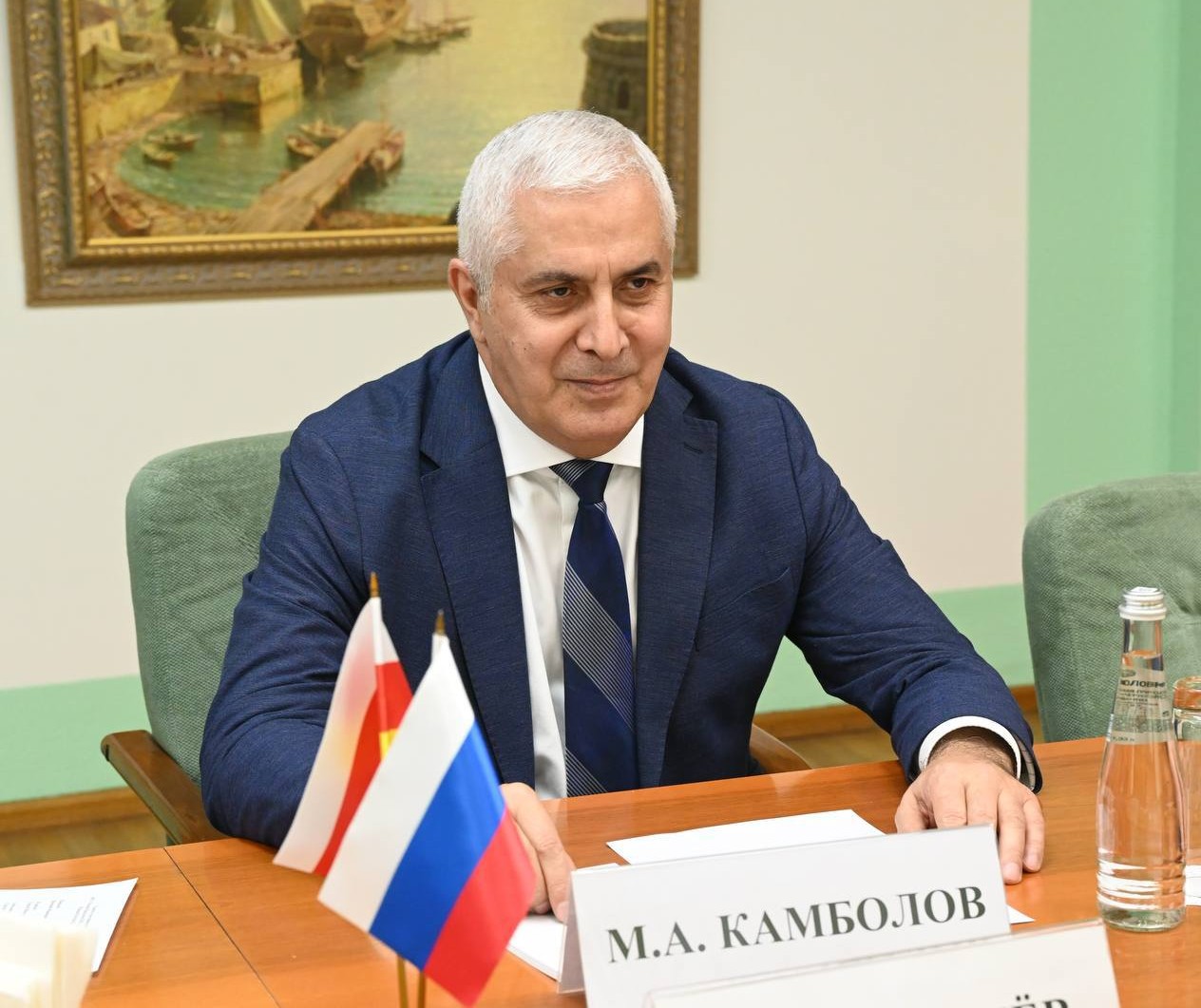
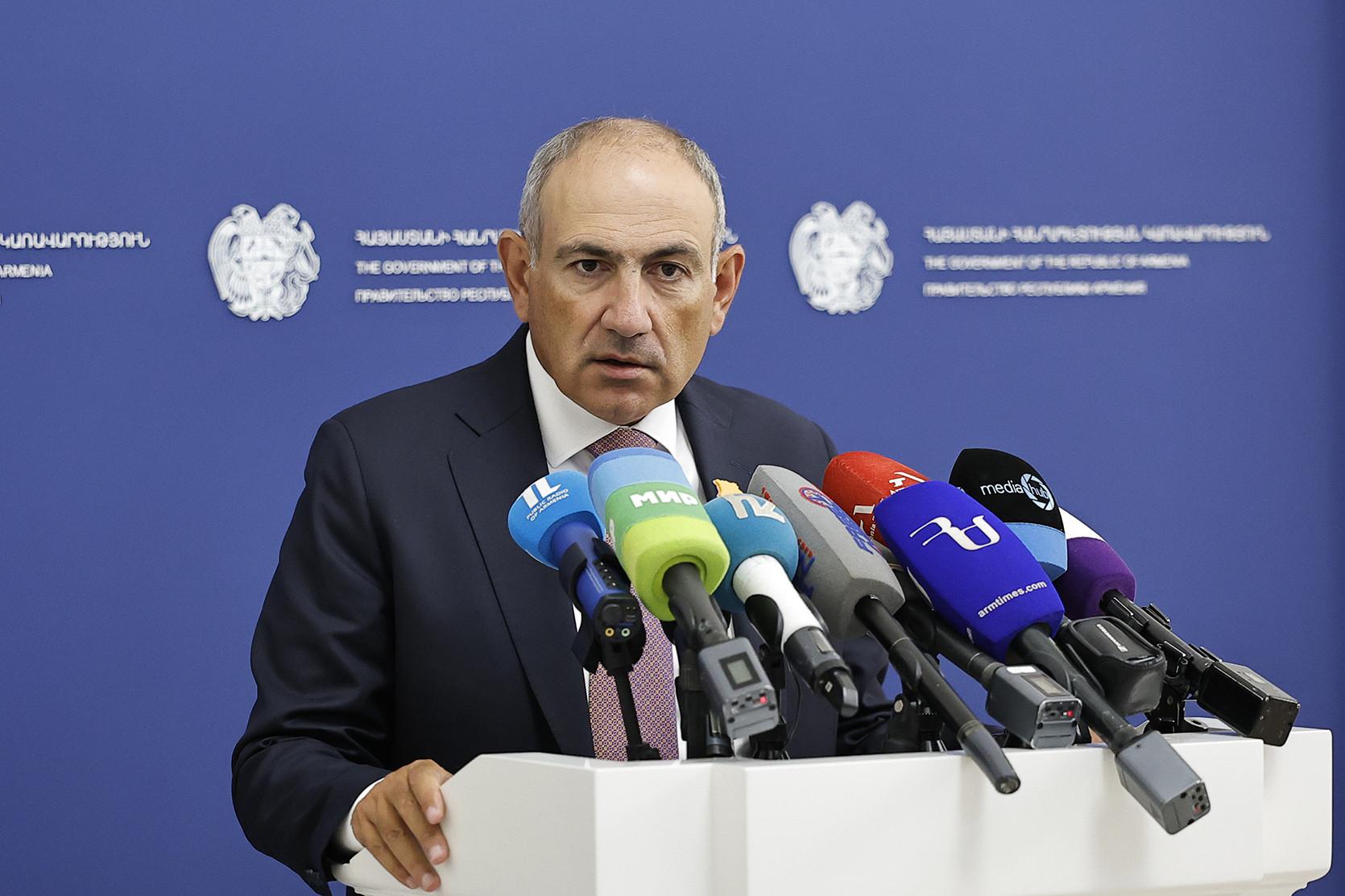
On 18 September, snap “presidential elections” were held in Russian-occupied “South Ossetia”. Four candidates took part.
However, calling it an “election race” would only be accurate in a very loose sense, as it was clear from the outset that the overwhelming favourite was so-called “acting president” and “prime minister” Marat Kambolov, who arrived in the region from Russia in May 2026.
Unlike Kambolov, the other three candidates were residents of South Ossetia. But that was where their advantage ended. Most experts described them as “technical candidates” — people who were not seriously trying to compete for the presidency:
Zurab Kokoev, leader of the Unity party;
Kazbek Kodoev, an independent candidate and adviser to the rector of South Ossetia University;
Murat Valiev, a candidate nominated by the Patriots of Alania party and an employee of the state security service.
None of them campaigned among the population. They presented their views on the development of so-called South Ossetia only during live televised debates.
News in Georgia