Ex Georgian PM Gharibashvili: Unanswered questions over deaths under current leadership






Ex-Georgian PM Gharibashvili accuses authorities
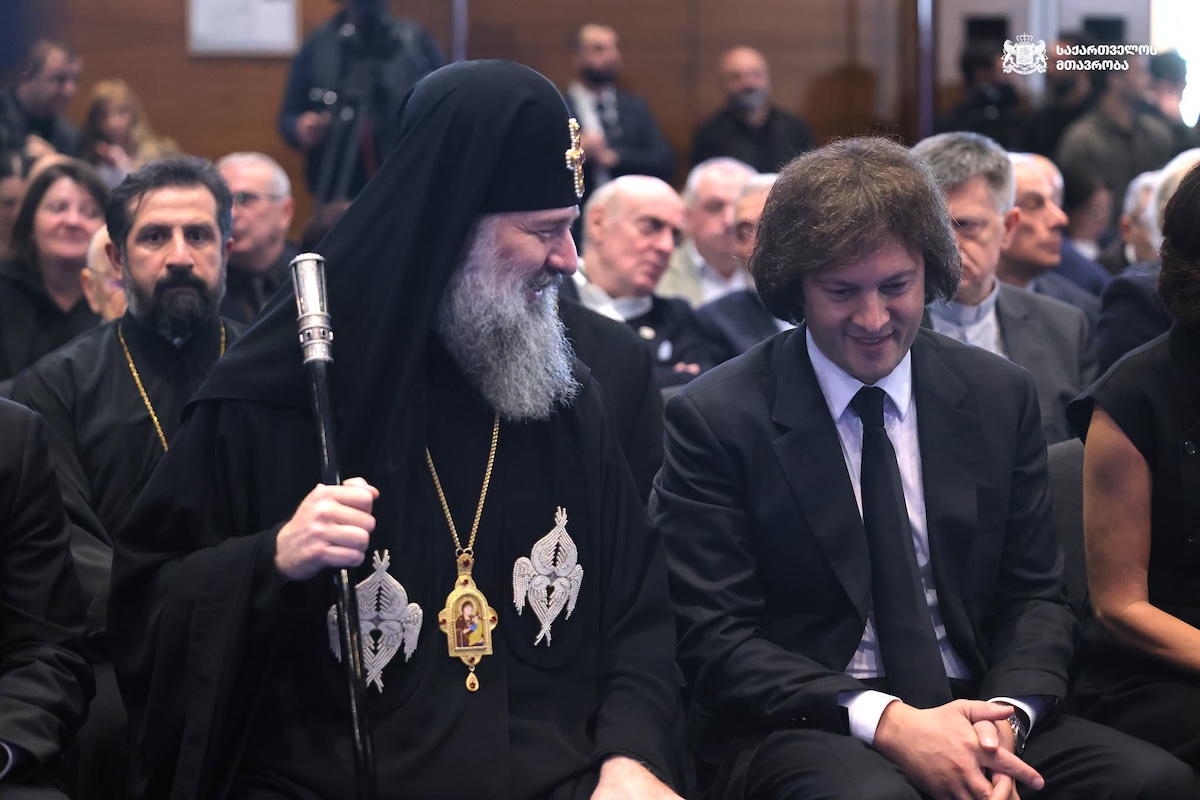
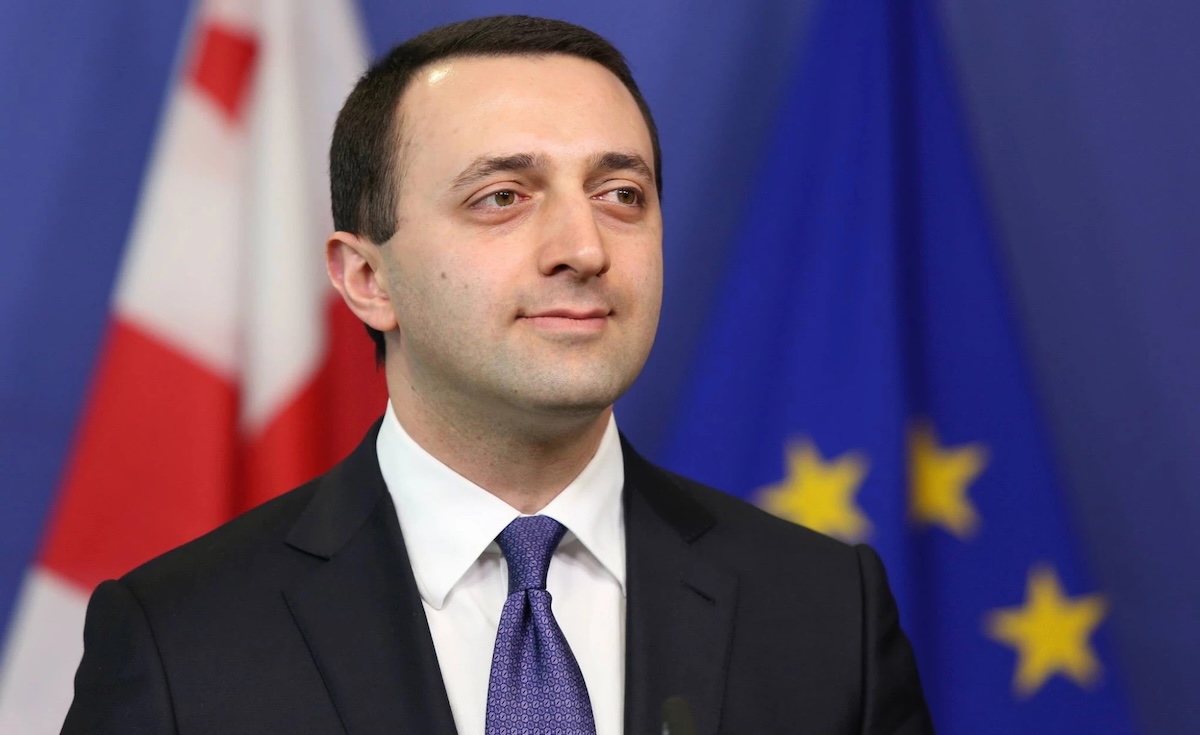
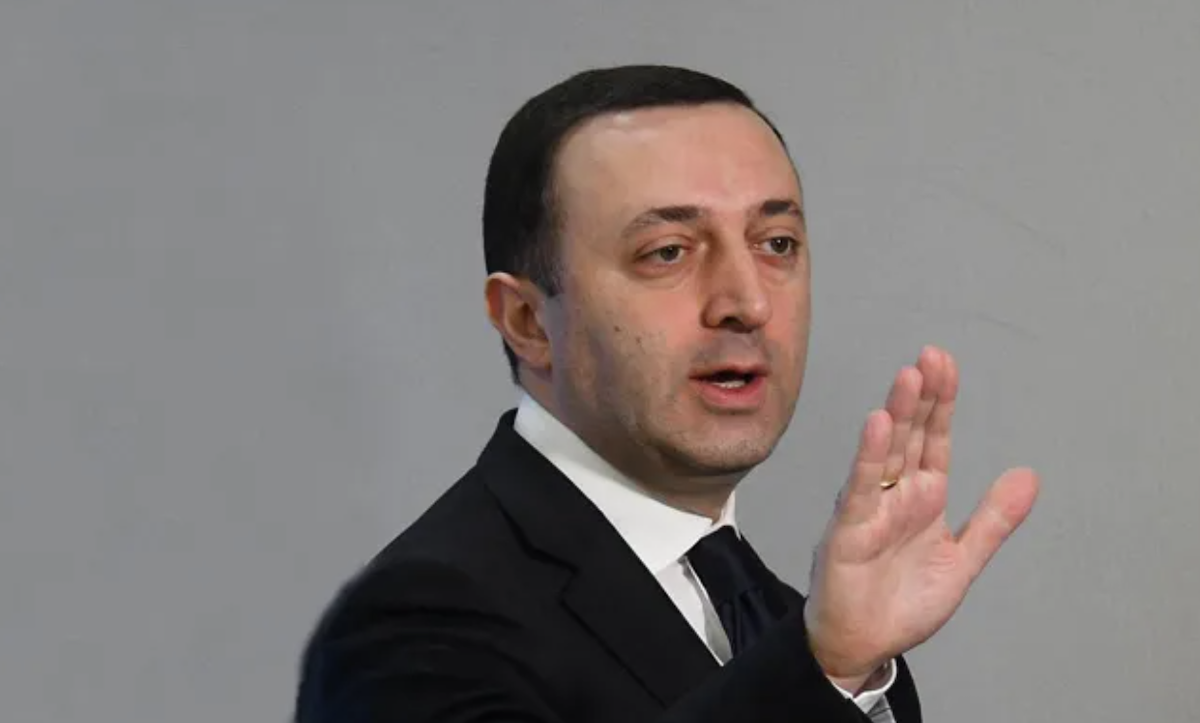
Former Georgian Prime Minister Irakli Gharibashvili has published another letter from prison, calling on the authorities to answer questions about the circumstances surrounding the death of Lazare Jorbenadze, a human rights defender who had criticised current Prime Minister Irakli Kobakhidze.
Gharibashvili writes that Jorbenadze died by suicide shortly after journalist Dito Chubinidze published an article for which Jorbenadze had given an interview.
The newspaper Asaval-Dasavali, which published the interview, questioned the theory that Jorbenadze died by suicide. Gharibashvili stresses that the public should receive an answer about the real cause of Jorbenadze’s death.
The former prime minister says he decided to speak publicly on the issue after comparing the contents of a letter he received from government representatives in February this year with other circumstances surrounding the case.
According to Garibashvili, on February 12, he was sent, on the instructions of Prime Minister Irakli Kobakhidze and Deputy Prime Minister Mamuka Mdinaradze, an article published in Asaval-Dasavali on February 2, 2026.
The article featured an interview by journalist Dito Chubinidze with Lazare Jorbenadze. Gharibashvili says the article focused mainly on criticism of Kobakhidze and serious allegations against him.
The former prime minister says the message he received expressed suspicion that he himself was behind the article.
“I was sent a message expressing the suspicion — based on a completely false assumption — that I was behind the article,” Gharibashvili writes.

Gharibashvili says he categorically rejected the allegations and told the government representatives that publishing “commissioned articles” was not something he did.
In his letter, Gharibashvili also mentions journalist Dito Chubinidze and former Alliance of Patriots leader Irma Inashvili, stressing that he had no involvement in their political or journalistic activities.
The former prime minister believes these events shed more light on one of the points in the letter he received, which referred to “supporters” such as Dito Chubinidze and Irma Inashvili.
“Now the picture is clear to me, and I have received answers to all my questions: why did the first point of the letter say that ‘such supporters as Dito Chubinidze and Irma Inashvili’ raise serious doubts and cause significant damage to the interests of the Kobakhidze-Mdinaradze team” Gharibashvili writes.
In another part of the letter, the former prime minister criticises Mamuka Mdinaradze, saying that his mistakes led not only to his removal from office but also to his departure from politics.
Gharibashvili stresses, however, that in his view, Mdinaradze’s departure from politics will not make up for the damage he believes Mdinaradze and Irakli Kobakhidze caused to the country, its people and the ruling Georgian Dream party.
Gharibashvili also writes that questions remain in society about the deaths of other people during the period when Irakli Kobakhidze and Mamuka Mdinaradze were leading the country.
Context
The first corruption charge against former Georgian Prime Minister Irakli Gharibashvili was brought in October 2025. Investigators accused him of legalising illicit income on a particularly large scale. A second charge – accepting a bribe on a particularly large scale – was brought on August 24, 2026.
Gharibashvili made his first statement from prison on August 17. In a Facebook post, he wrote that a letter had been sent to him on the orders of Bidzina Ivanishvili [oligarch, founder and honorary chairman of the ruling Georgian Dream party] and that it “left him no choice” but to confront the “evil that insults his dignity”.
Gharibashvili published his second letter from prison on August 19. In it, the former prime minister claimed that the aim of his arrest was his political destruction and said he had initially decided against legal action to avoid confrontation with the authorities.
According to Gharibashvili, he was forced to fight back.
Gharibashvili also said he received a letter from Mamuka Mdinaradze in July. He said that on the same day he explained his position to Mdinaradze and again confirmed that he had no intention of returning to politics.
News from Georgia