'Deepening ties with US and EU does not mean expelling Russia' — Armenian foreign minister






Armenian foreign minister sums up 2025
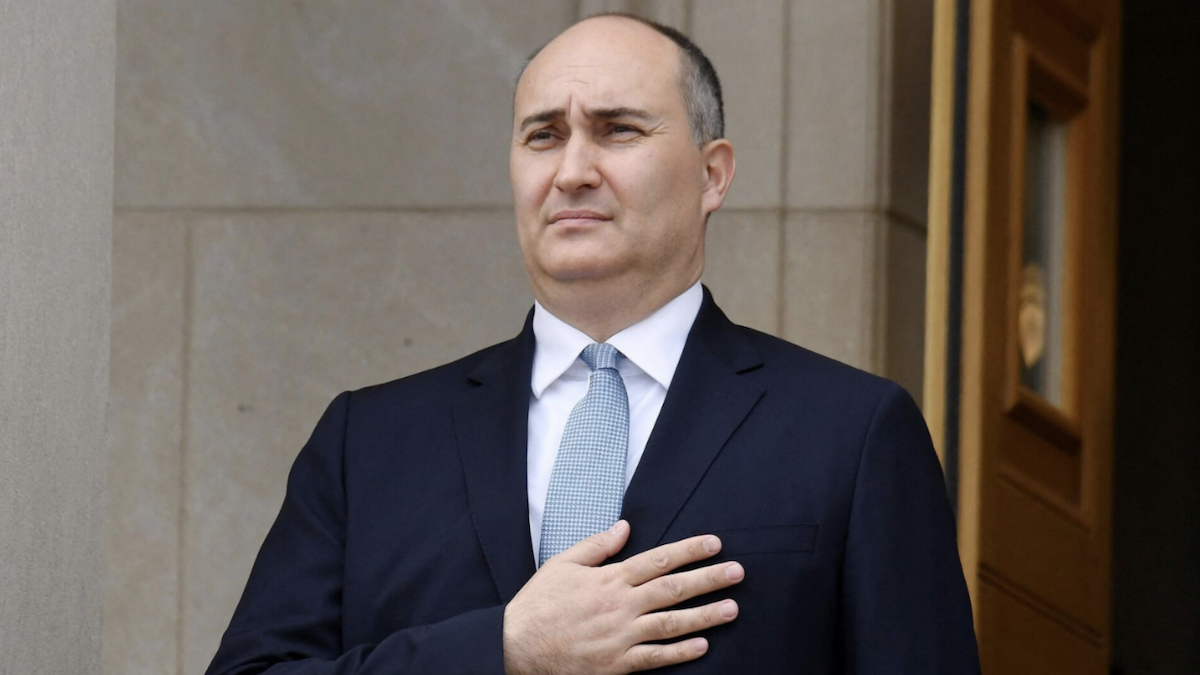
“You should not look for a hidden agenda or a plan to expel Russia from Armenia just because we are deepening relations with the US or the EU,” said Foreign Minister Ararat Mirzoyan on Public Television.
The foreign minister stressed that the Armenian government does not intend to cut political or economic ties with Russia. “And we openly communicate this to our international partners to avoid misunderstandings. We are building and deepening relations with various geopolitical centres,” he added.
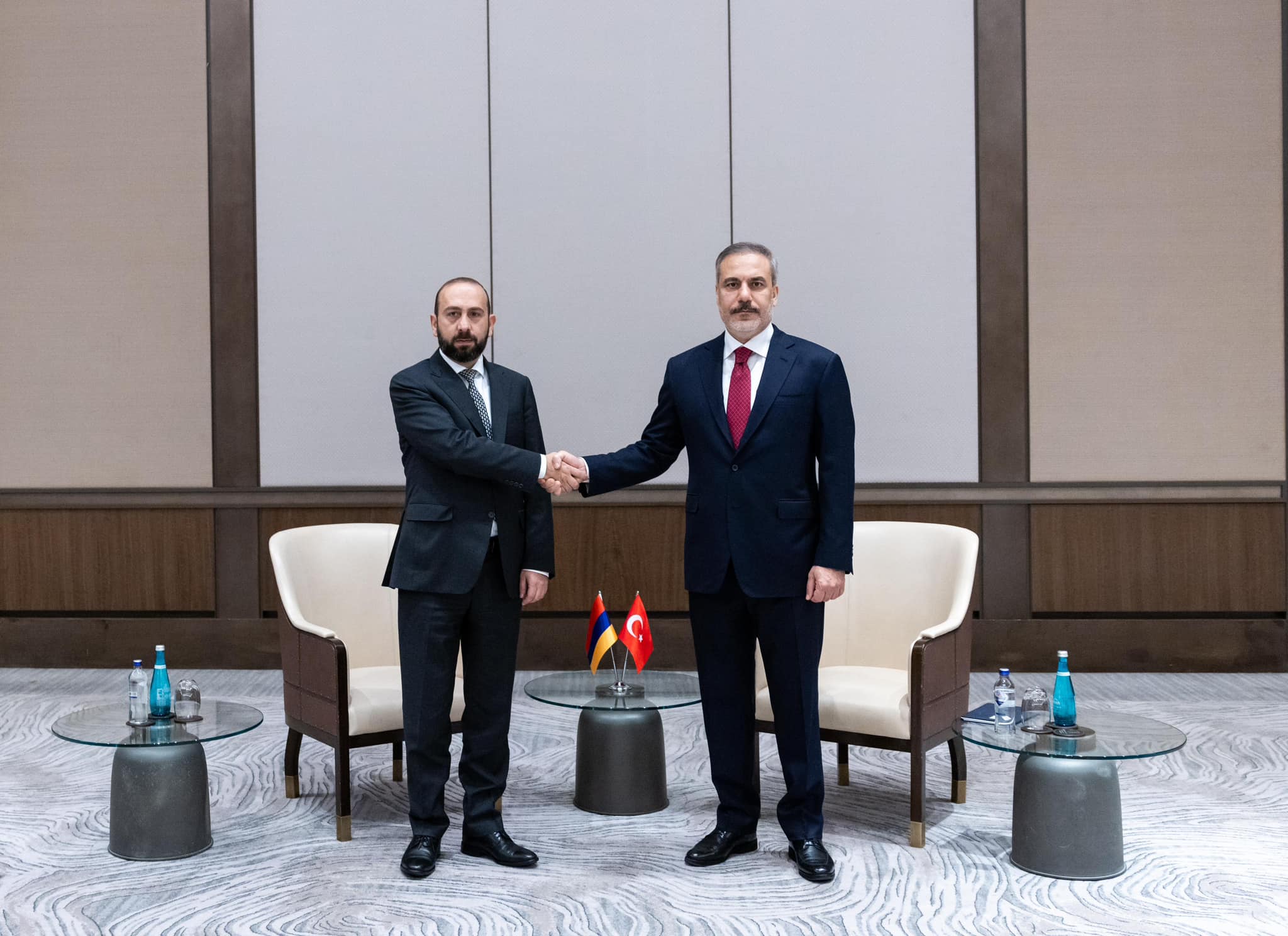
In his pre-New Year interview, Mirzoyan discussed the country’s foreign policy course for 2025, hybrid threats from Russia and other states amid closer ties with the West. He also addressed the normalisation of relations with Azerbaijan and Turkey. The minister assured that “significant achievements” are possible in the coming year.
Ararat Mirzoyan urged Armenians not to fall for manipulations. “Our affairs are in order, everything will be fine, and problems will be resolved. Armenia has already entered a stage of development, an era of growth,” he said.
Key points from the interview with the Armenian foreign minister.
- Will US vice-president visit Armenia? Yerevan discusses possible trip
- ‘New stage of Armenia–EU cooperation’: Brussels signs strategic partnership agreement
- ‘Coming months will be decisive for Armenia’s future’ — Garo Paylan
Armenians will no longer allow election results to be falsified
“Armenia is capable of organising and holding elections that meet the highest democratic standards. We managed this even during the peak of a severe domestic political crisis after the 2020 war.
Remember the summer of 2021, when the government decided to hold snap elections? Even then—after an attempted military coup and amid calls for killings in the streets—we conducted elections that met the highest democratic standards.
Now it will happen again. This is an achievement of the current government and the people of Armenia. From now on, it must remain irreversible.
I am confident that the people will never again allow significant interference in elections or the falsification of results.”
Hybrid threats come not only from Russia
“Can anyone say that a significant portion of disinformation or manipulative narratives does not come from Russian experts, TV channels, or even deputies? Can this be denied? After all, there are facts, statements, and broadcasts.
Hybrid threats can come from various sources, including Russia. Yes, hybrid threats exist. If some countries have experience in countering them, we will welcome their assistance. We have reached out to the European Union to share their expertise so that we can also respond effectively.
I will also highlight the other side. Over the past four, five, six years, we have been living under conditions of hybrid warfare. There have been so many hybrid actions and attacks against us that we have accumulated our own experience. We are ready to share it.”
EU does not interfere in Armenia’s internal affairs
“During all previous elections, Armenia officially sought support, including from the European Union. This could involve technical assistance, organising training courses for election commission members, providing video cameras, and so on. Currently, this cooperation has expanded somewhat and focuses on addressing current challenges.
If a representative of the ruling party of another country, or someone from the media or expert community, expresses support for, for example, the Communist Party in a municipal election in a specific Armenian city, isn’t that interference in Armenia’s internal affairs? [He is referring to statements from Russia during the elections in Gyumri, Armenia’s second-largest city.] But when the EU expresses readiness to assist Armenia in holding democratic elections, is that also considered interference?
I believe such claims come from people or forces who understand that, under democratic elections, if they fail to disrupt the process, they simply will not have a chance to win voters’ support.”
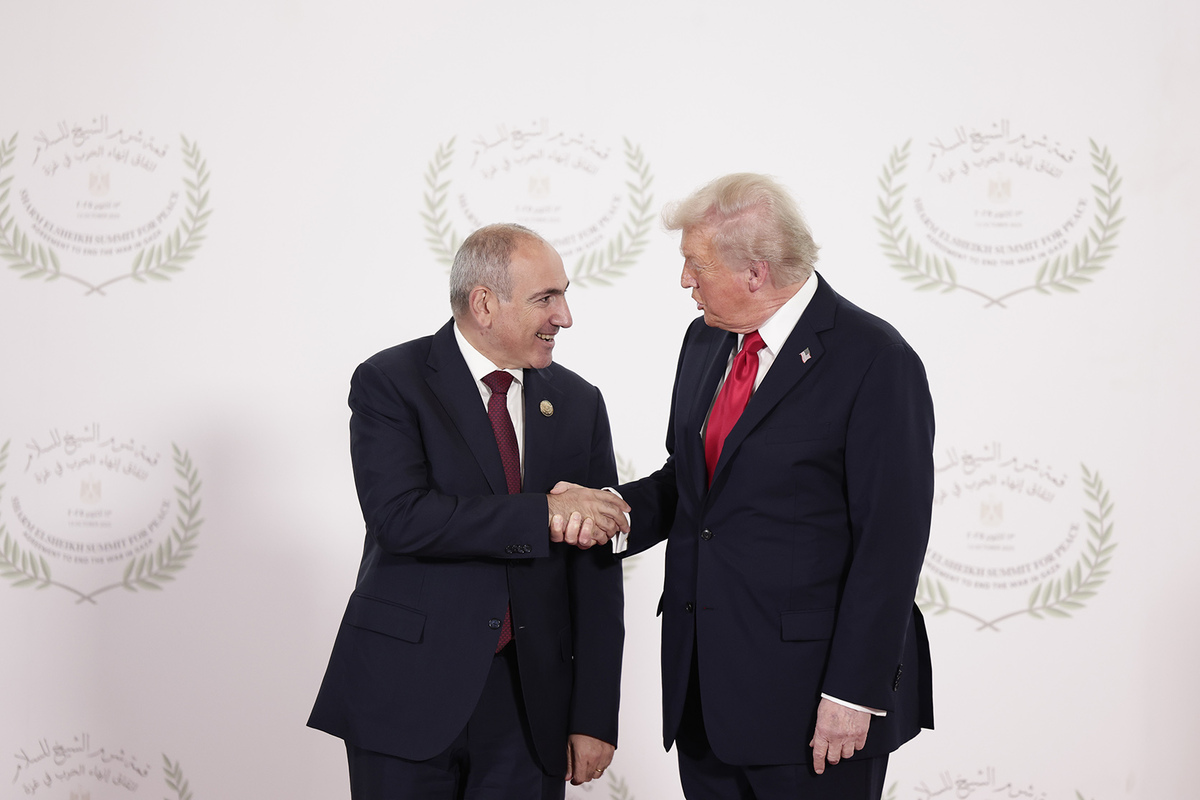
Armenia is interested in launching the “Trump Route” in the near future
“We are interested in the rapid full unblocking and launch of the TRIPP infrastructure.”
TRIPP (Trump Route for International Peace and Prosperity) is a road that will connect Azerbaijan with its Nakhchivan exclave through Armenian territory. For several years, Yerevan and Baku could not reach an agreement on this issue. Azerbaijan demanded a road it called the “Zangezur corridor,” while Armenian authorities responded that they were willing to unblock all roads but did not agree with the term “corridor,” which implies a loss of sovereign rights over the territory.
It was only on 8 August in Washington that the leaders of Armenia and Azerbaijan managed to reach an agreement. They decided that the road would remain under Armenia’s sovereign control, with the United States participating in the unblocking process as a business partner. As a result, the project was named the “Trump Route” after the mediator of the negotiations.
“We objectively expect that the railway will be the first step. Thanks to this railway, Armenia will gain access to external markets and will be able to export and import goods. Additionally, Azerbaijan will be able to carry out transit through Armenian territory, as well as through third countries.
We are working very intensively with the American side. We have already moved beyond the initially stated principles in the process, clarifying details, conditions, rights, and obligations.
I hope that in the coming days and weeks we will receive the first possible document. After that, construction will begin, most likely in the second half of next year.”
The unblocking will create opportunities for Iran and Russia
“The unblocking of infrastructure raised certain questions in Iran, which have since been answered. Now both we and Iran see more opportunities than unresolved issues, concerns, or problems in the unblocking process.
The infrastructure that will be built, reconstructed, commissioned, or restarted will also create opportunities for Iran.
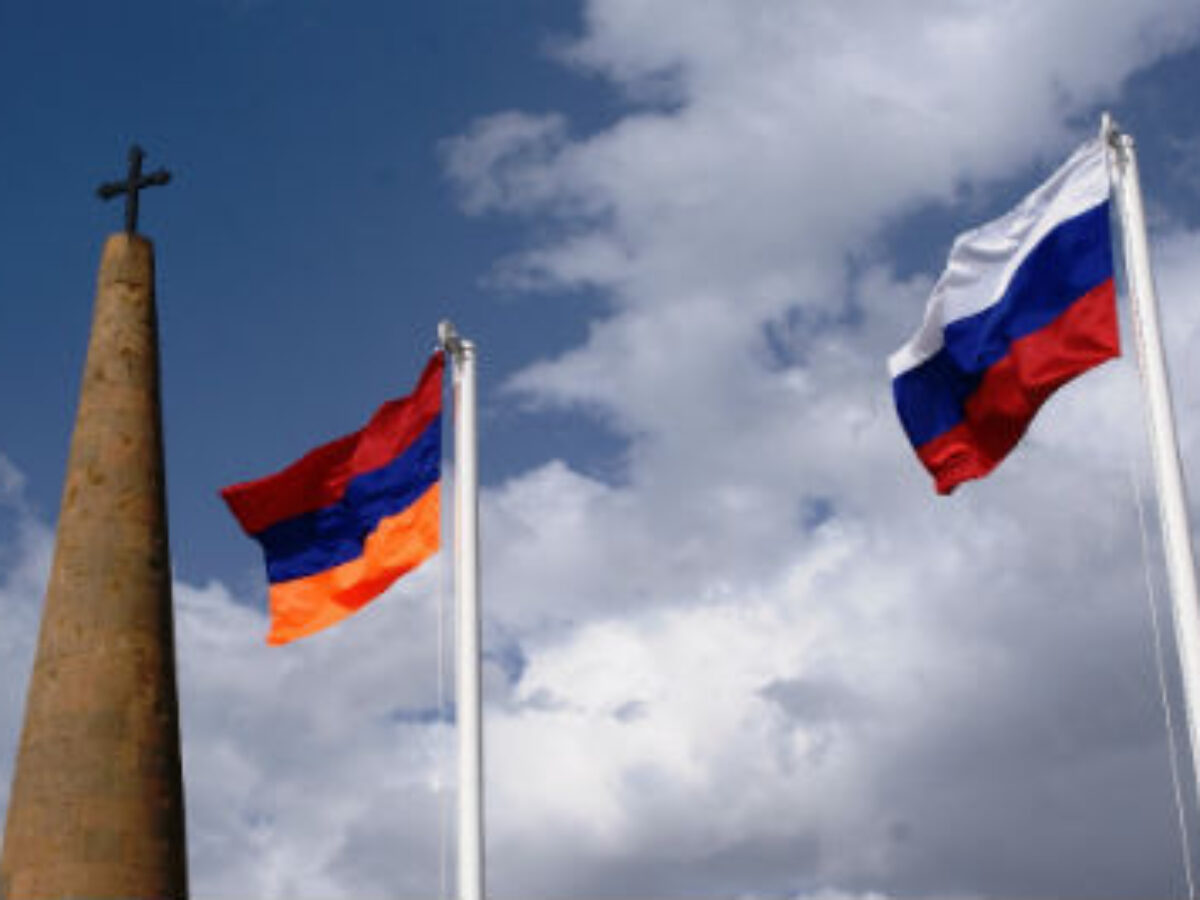
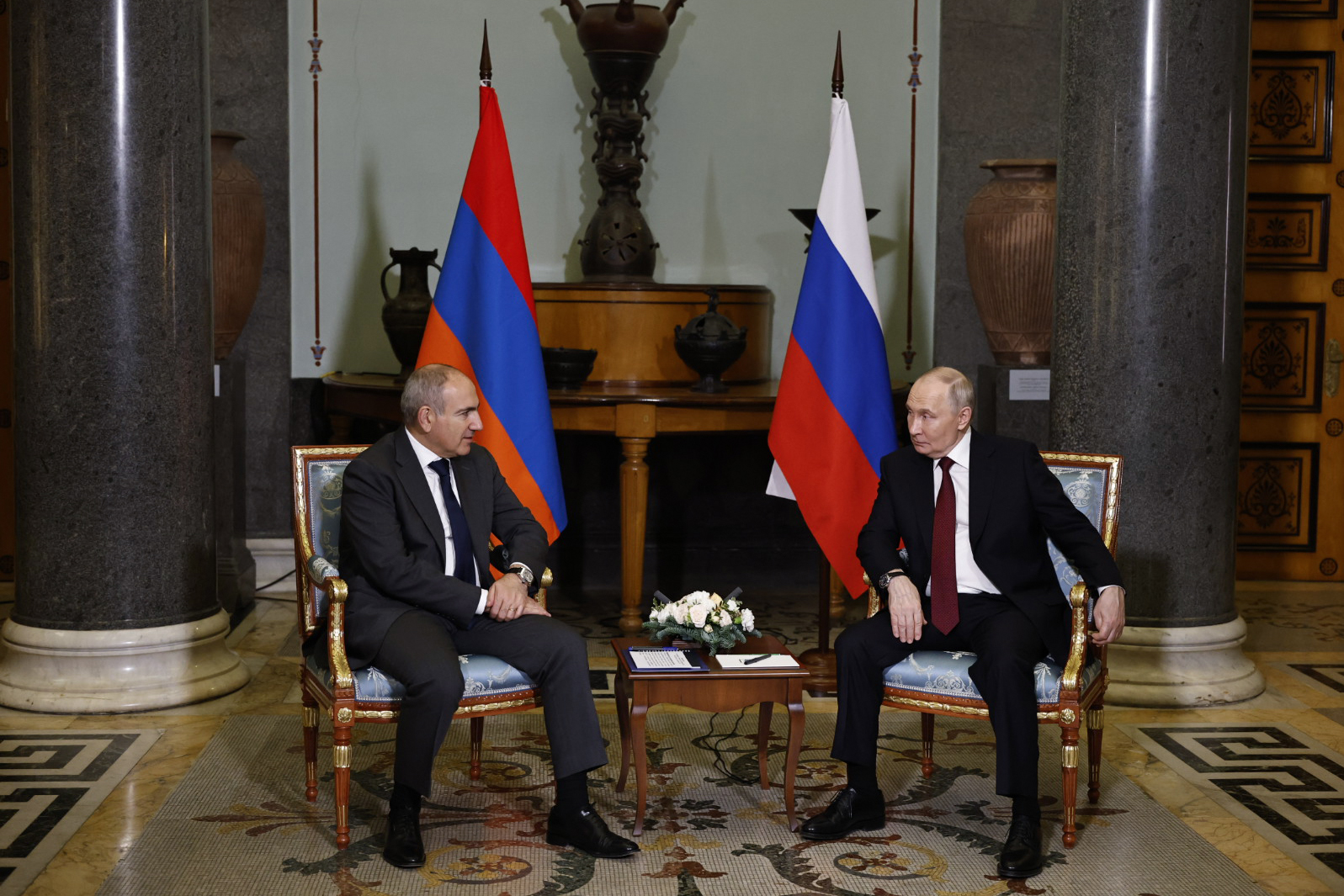
Why would Iran oppose these programmes? By the same logic, the situation is assessed with Russia. Does Russia have any connection to Armenia’s infrastructure? It does.”
In 2008, a concession agreement was signed between Russian Railways (OAO “Rossiyskie Zheleznye Dorogi”) and Armenia, transferring the state-owned CJSC “Armenian Railways” to the management of CJSC “South Caucasus Railway” (YUKZhD). The South Caucasus Railway is a 100% subsidiary of Russian Railways. The concession period lasts 30 years, with the option to extend for another 10 years by mutual agreement.
Recently, the Armenian prime minister asked Russia to “urgently begin restoring the railway section from Yeraskh to Nakhchivan and the village of Akhurik near the Turkish border.”
“They will also have the opportunity to engage in these matters. Russia has officially commented that it is ready to participate and support the process.
We will do everything to ensure that all infrastructure, as well as other programmes being implemented or that may be implemented in Armenia, primarily serve Armenia’s interests while also benefiting our neighbours. In other words, there should be advantages for other interested partners—whether the US, the EU, Russia, Middle Eastern countries, or others.”
Wheat and fuel imports through Azerbaijan – a result of establishing peace
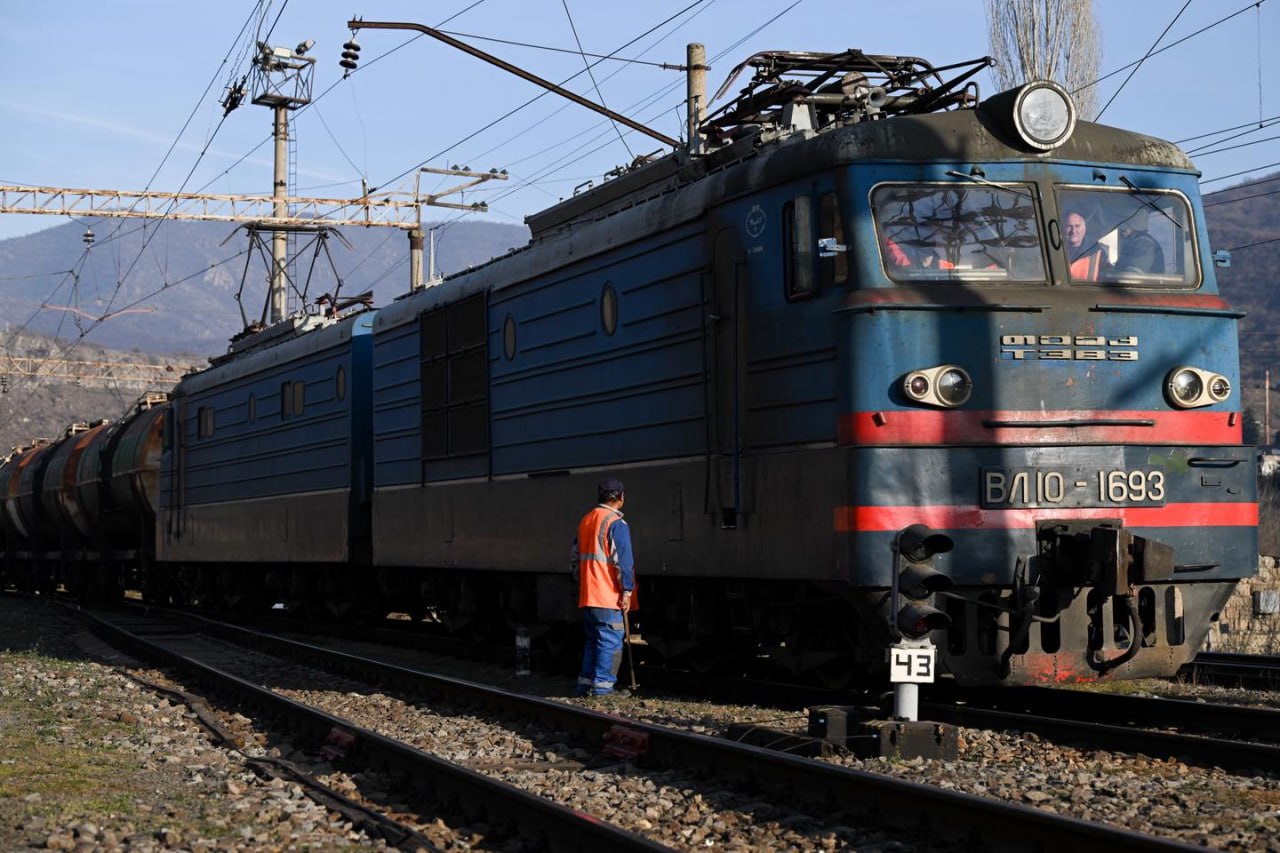
“Imports of wheat and fuel into Armenia through Azerbaijani territory are a result of the established peace.”
On 21 October, the president of Azerbaijan announced that all restrictions on cargo transit to Armenia had been lifted. Wheat from Russia and Kazakhstan has already entered Armenia through Azerbaijani territory. Additionally, a train carrying Azerbaijani fuel arrived in Armenia. For the first time, the Armenian and Azerbaijani authorities managed to reach an economic agreement.
“This is a strengthening factor, a guarantee, and a sign of established peace. Could this have been imagined under other circumstances? How else could a route that has been inactive for decades start functioning? We are talking about transporting goods from Kazakhstan or Russia to Armenia through Azerbaijani territory, not to mention bilateral trade.
Armenian companies are buying goods from Azerbaijani companies, including a strategically important product—fuel. How could this happen without peace being established?
Peace has been established, and cooperation must take shape. Azerbaijanis should also transit through our territory, and Turkish goods will follow tomorrow or the day after. We should also be able to transit through their territory, buying their goods while they buy ours, creating a peaceful environment around Armenia. There is no alternative to peace.”
Unresolved issues remain despite the establishment of peace
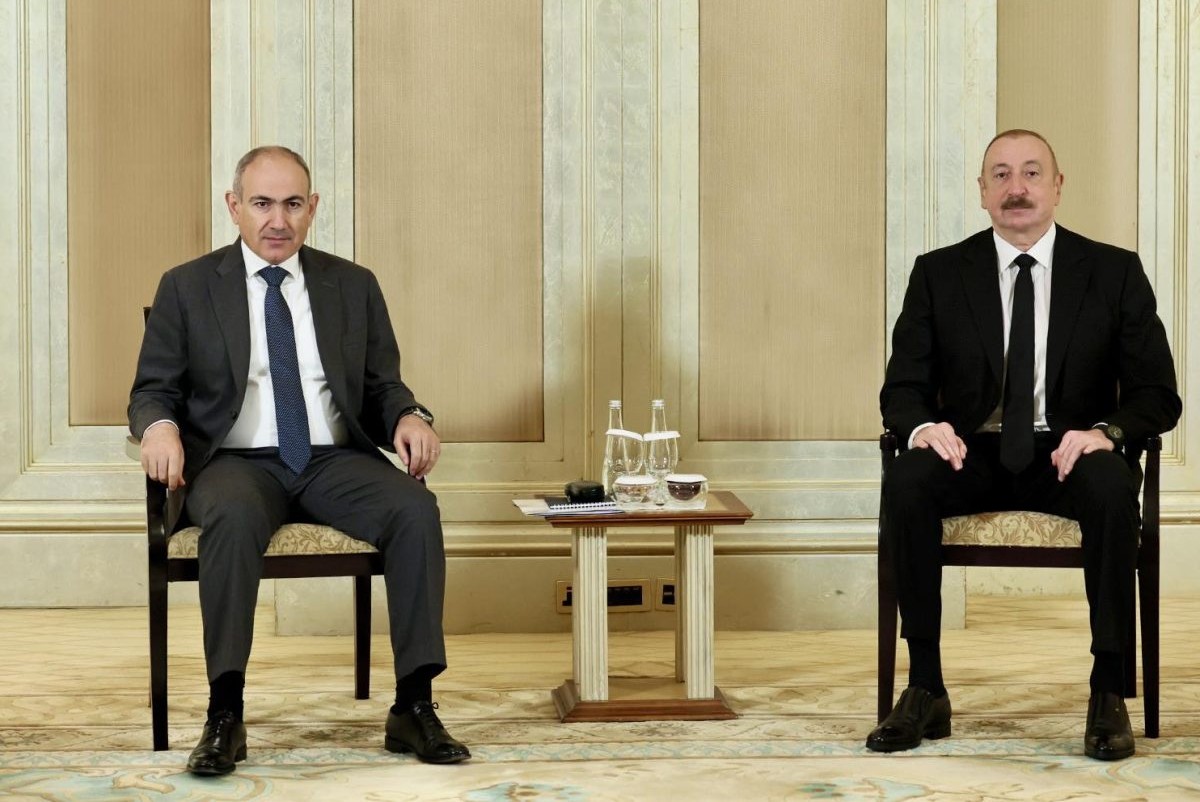
“Normalization of relations with Azerbaijan must conclude with the signing and subsequent ratification of a peace treaty. They have their position on this matter, which we do not share. I am referring to the constitutional issue they raise. So far, we have not reached an agreement on it.”
Azerbaijan is demanding amendments to the Armenian constitution, claiming it contains territorial claims against Azerbaijan. However, Armenian authorities insist that the constitution makes no territorial claims against any neighbouring country.
The Armenian constitution indeed contains no statements that could raise such doubts. However, it does reference the Declaration of Independence, which mentions the joint resolution of the Supreme Soviet of the Armenian SSR and the Nagorno-Karabakh National Council from 1 December 1989, “On the reunification of the Armenian SSR and Nagorno-Karabakh.”
“We must continue working. At this stage, there is no way to move forward. Either we agree on when and where to sign the treaty, or we do not. We have not reached an agreement yet.
I do not want to say that all problems are solved; that would be self-deception and misleading for society.
After all, we all know that Armenian prisoners are still held in Baku’s jails. We constantly hear discussions at various levels, during different events, about ‘Western Azerbaijan’ [referring to Armenian territory]. These are issues that still need to be resolved.
Peace has been established, and there are attempts at cooperation, but this does not mean we have fully completed the necessary process.”
The time has come for substantial progress in Armenian-Turkish relations
“We have a very intensive and very positive dialogue with Turkey. But the time has come for significant, tangible, and concrete results on the ground.
Just about a month ago, among other things, an expert group assessing the Gyumri-Kars railway junction held a meeting. The Armenia-Turkey expert group visited Turkish territory and then moved to Armenian territory to study the situation. Work is already underway.
I mention this to show that steps are being taken and the work is real. But the time has come to achieve larger and more substantial results.
We will definitely achieve very positive progress in this direction. I do not want to make predictions about the timing, but I believe it will happen very soon. For example, we may see a symbolic step before the start of 2026.”
Immediately after Mirzoyan’s interview, a report emerged that, under the agreements reached between the special representatives of Armenia and Turkey on the normalization process, both countries decided to simplify the visa procedure for holders of diplomatic, special, and service passports. Holders of such passports from both countries will be able to obtain electronic visas free of charge starting 1 January 2026.
Armenian foreign minister sums up 2025