Copyright complaints as a tool to pressure Azerbaijan’s independent media






Blocking media accounts in Azerbaijan
Published by Meydan TV
Following a series of account blocks targeting independent Azerbaijani media outlets at the end of August, the story has taken on an international dimension. In early September, the Committee to Protect Journalists (CPJ) and the Exiled Media Network (NEMO) publicly condemned attacks on the social media pages of Azerbaijani newsrooms. They urged platforms to examine possible abuses of copyright-protection mechanisms.
The issue concerns a series of copyright complaints that led Meta to block the Instagram accounts of Abzas Media and Toplum TV. Earlier, pages belonging to Azadlıq Qəzeti and Azərbaycan Saatı had been blocked in a similar way. Meydan TV and HamamTimes have also reported receiving comparable complaints.
Independent newsrooms consider the incidents part of a coordinated campaign. They see them as a continuation of the pressure Azerbaijani media have faced following journalists’ arrests, website blocks and the forced relocation of some editorial operations outside the country.
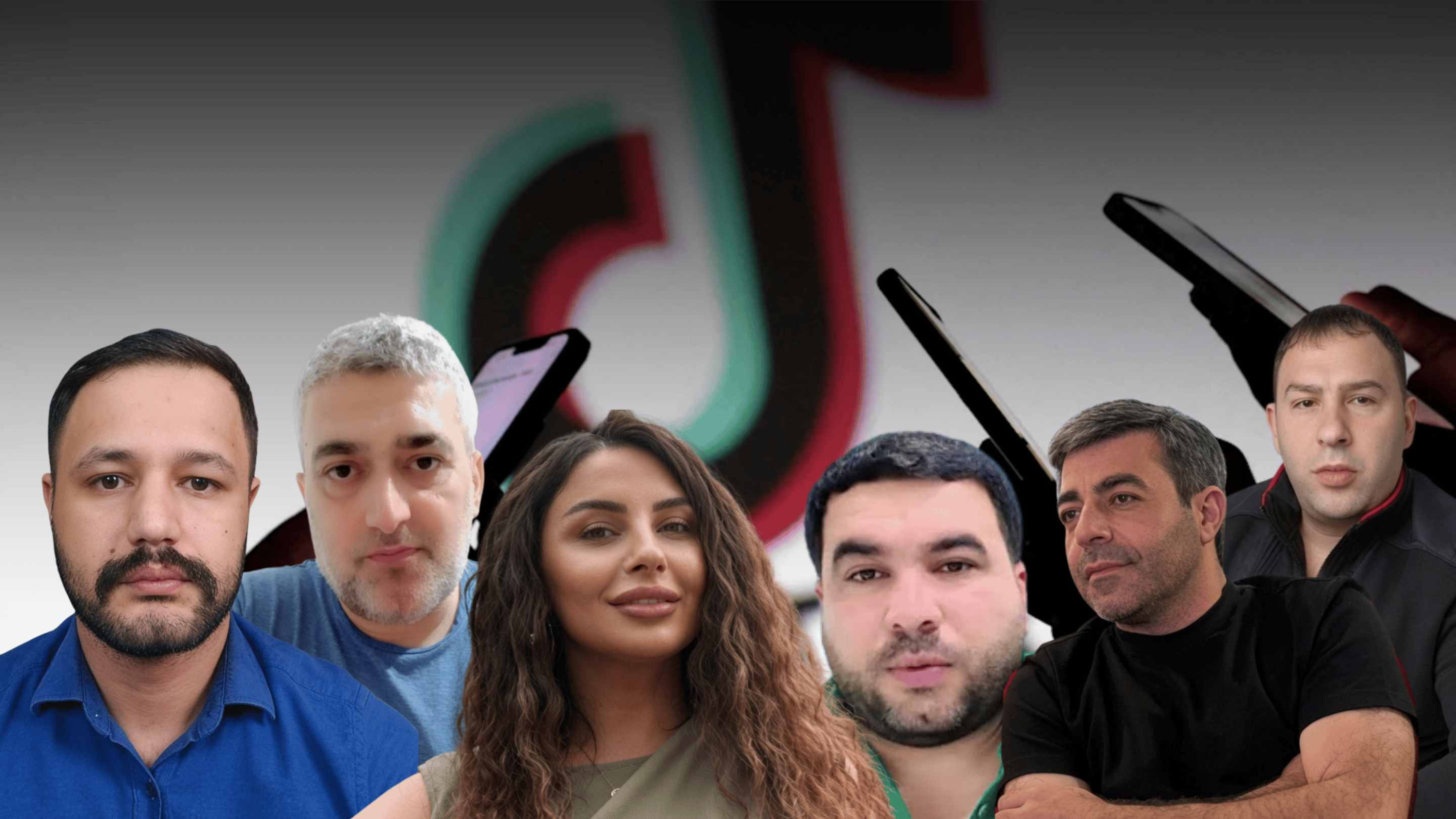
Four complaints in a matter of days
On 25 August, Meta blocked the Instagram pages of Abzas Media and Toplum TV following complaints of copyright infringement.
Abzas Media director Gunel Safarova told Meydan TV that the newsroom received four such complaints between 22 and 25 August.
One concerned a video originally published by the newspaper Azadlıq. Another involved a video based on an interview published on Musavat.com. A third concerned material from HamamTimes. The fourth complaint targeted a short video about flooding in Goychay in 2022, which Abzas Media had taken from social media.
According to Safarova, Abzas Media credited the sources when it published the material. However, she said, the complaints did not come from those sources.
The newsroom was particularly struck by the information provided by the complainants. Safarova said several complaints had been submitted under different names but used the same email address, registered to Farid Guliyev.
In addition, the complainants cited as links to the alleged original material the publications of the same media outlets that Abzas Media had credited as its sources — Azadlıq, Musavat.com and HamamTimes.
HamamTimes separately told Meydan TV that it had not submitted any complaints to Meta against Abzas Media over its use of the outlet’s material.
These circumstances led the newsroom to suspect that the complaints may have come from one person or a group of connected individuals.
Abzas Media sought assistance from the digital rights organisation Access Now and requested a review of Meta’s decision.
Similar complaint against Toplum TV
Toplum TV faced a similar situation.
The outlet’s editor, Parvana Gurbanli, told Meydan TV that someone had filed a copyright complaint against a video about a landslide in Baku’s Khatai district on 3 August. Several cars were buried under the soil.
According to Gurbanli, the video came from the official YouTube channel of the state-funded public broadcaster İctimai TV, and Toplum TV had credited the source in its post.
However, the complainant claimed that the material had come from his personal profile. Following the complaint, Instagram also blocked Toplum TV’s account.
Like Abzas Media, the Toplum TV newsroom suggested that the incident was not an ordinary copyright dispute but a targeted action against an independent media outlet.
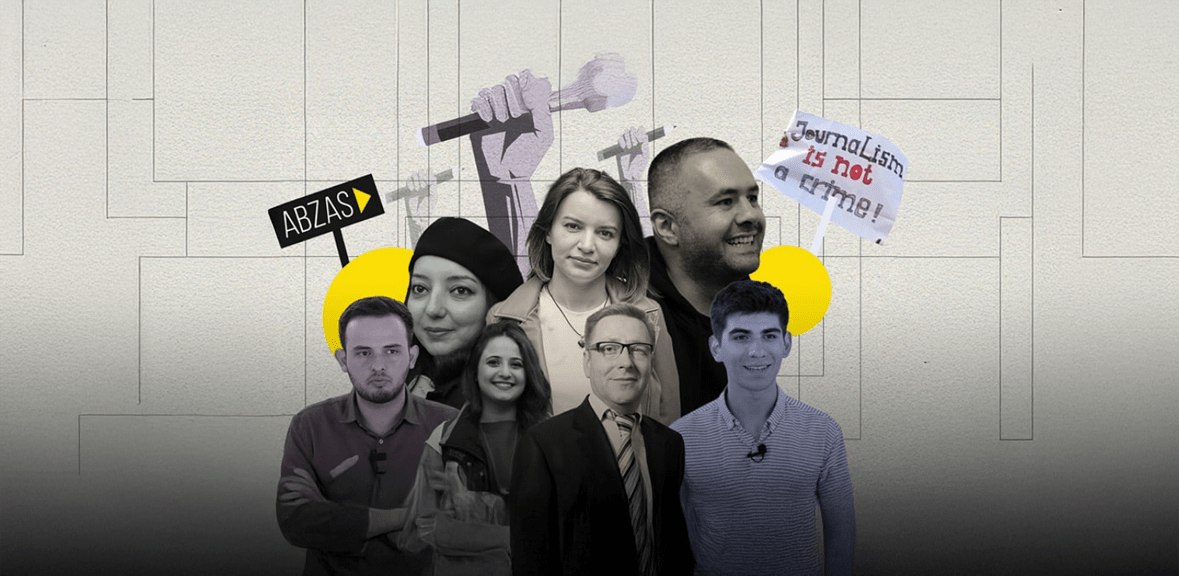
Other media outlets also targeted by blocks
Abzas Media and Toplum TV were not the only Azerbaijani media outlets to face such restrictions.
The Facebook and Instagram pages of the newspaper Azadlıq were also blocked following copyright infringement complaints. The outlet’s editor-in-chief, Rahim Hajiyev, told Meydan TV that the platform cited copyright complaints as the reason for the block.
The Instagram account of Azərbaycan Saatı was also blocked in a similar way. Meydan TV and HamamTimes have received comparable complaints about their material at different times.
For newsrooms that continue operating abroad after facing persecution in Azerbaijan, social media are among the main channels for distributing information inside the country.
In recent years, employees of Abzas Media, Toplum TV and Meydan TV have been arrested and prosecuted in Azerbaijan. The journalists and their newsrooms reject the charges and link the criminal cases to their professional activities. Some outlets continued operating from abroad after their staff members were arrested.
Eight newsrooms issue a joint statement
On 28 August, eight independent Azerbaijani media outlets — Abzas Media, Meydan TV, Toplum TV, Azadlıq Qəzeti, HamamTimes, Azərbaycan Saatı, Qəzetçi and Mikroskop Media — published a joint statement.
They described the series of copyright complaints as a possible coordinated campaign against independent media.
According to the newsrooms, the complaints targeted material published at different times, unrelated to one another and obtained from different sources. Media representatives said the complainants had provided no evidence that they held the copyright to the disputed material.
The newsrooms also reported that some complaints came from the same person and identical email addresses. In other cases, the names differed, but the email addresses, information contained in the complaints and the submission process were the same.
The signatories linked the incidents to a broader campaign of pressure against the independent press, which has intensified in Azerbaijan since late 2023.
During this period, authorities arrested and prosecuted journalists from several independent outlets. Some media effectively ceased operating inside the country, while others moved abroad. The websites of several independent media outlets also remain blocked in Azerbaijan.
The newsrooms believe that, following journalists’ arrests, website blocks and the forced relocation of their operations abroad, social media have become the latest target of pressure. They are among the few remaining ways to deliver material directly to audiences in Azerbaijan.
How Meta’s system is being used
According to the joint statement, the problem is partly linked to how platforms handle copyright infringement complaints.
The newsrooms claim that, after receiving such complaints, platforms’ automated systems may remove individual posts. A build-up of complaints can also lead to an entire account being disabled.
As a result, a complaint may concern a specific video or post, but its consequences can affect the media outlet’s entire page and the newsroom’s access to its audience.
The eight media outlets called on Meta and other social platforms not to assess such cases in isolation. Instead, they urged the platforms to examine possible links between complaints, including matching email addresses and complainant details, whether the complainants actually hold the relevant copyrights, and possible systematic abuse of the copyright complaint mechanism.
They also called for the affected accounts to be unblocked.
International organisations respond
On 2 September, the Committee to Protect Journalists (CPJ) and the Network of Exiled Media Outlets (NEMO) condemned the incidents.
CPJ highlighted the blocking of accounts belonging to Abzas Media, Toplum TV and Azadlıq. It linked the blocks to the broader problem of copyright-protection systems being abused against independent media.
The organisation also pointed to similar cases previously recorded in Kazakhstan, Uzbekistan and Georgia, where copyright complaints had been used against journalistic material.
NEMO, meanwhile, said platforms must prevent their moderation systems from being used to restrict the work of media outlets operating in exile.
The organisation stressed that social platforms are particularly important for newsrooms forced to work outside their countries. They allow journalists to maintain access to audiences at home.
Blocking media accounts in Azerbaijan