'Conditions will be market-based': Armenian deputy prime minister on oil product imports from Azerbaijan






Import of Azerbaijani oil to Armenia: new details
Armenia’s Deputy Prime Minister Mher Grigoryan confirmed today that Yerevan and Baku are discussing the export of oil and petroleum products from Azerbaijan to Armenia. Speaking to Azatutyun radio, Grigoryan said he sees “opportunities for cooperation”.
The issue of importing Azerbaijani petroleum products into Armenia has been actively discussed in the media for a week. Azerbaijan’s presidential aide Hikmet Hajiyev was the first to report that the deputy prime ministers of the two countries reached an agreement during a delimitation commission meeting. The meeting took place in Azerbaijan’s Gabala district, where the Armenian deputy prime minister attended. Hajiyev called both Grigoryan’s visit and the agreement “an unprecedented event”.
Georgia, through whose territory the cargo will travel, said it will allow the first transit free of charge. Armenia’s Economy Minister described Tbilisi’s move as “a symbolic gesture in support of the peace process”. However, neither Yerevan nor Baku has said when the first shipment is expected.
“I have observed media discussions on the issue of petroleum imports. This is the result of Armenia’s balanced foreign policy, in which we ultimately achieved success. We now need to develop that success,” Prime Minister Nikol Pashinyan said.
Alongside the optimistic statements from officials, Armenian media published expert commentary. Analysts believe they can assess the economic impact of any deal only after it becomes clear at what price Azerbaijan is willing to sell fuel to Armenia. Deputy Prime Minister Grigoryan has so far only stated that “conditions will be market-based”.
All currently known details of the potential deal are available, along with commentary from economist Suren Parsyan.
- Three new chekpoints on Armenia-Azerbaijan border: why they appeared
- ‘Attempt to break iron curtain’ — Armenian experts on visit to Baku
- “Shadow” Russian oil flow to Europe via Azerbaijan: the new UK sanctions explained
Questions that remain unanswered
Several questions remain unanswered:
- When is the first shipment of petroleum products expected?
- What volumes have the parties agreed on?
- Which Armenian companies are interested in purchasing oil and petroleum products from Azerbaijan?
- What price has Azerbaijan offered?
- Will Baku offer a price that competes with fuel imported from Russia?
In response to these questions, Deputy Prime Minister Mher Grigoryan told Azatutyun radio: “We will discuss the further process with fuel within the framework of cooperation between private exporters and importers. And the conditions of possible deals will be market-based.”
Meanwhile, Azerbaijan’s presidential aide Hikmet Hajiyev said that Deputy Prime Ministers Mher Grigoryan and Shahin Mustafayev discussed “areas of mutual trade between the two countries” in Gabala. He added that the export of petroleum products is “one of the areas.” It is not clear which other areas of mutual trade the parties discussed. Armenian officials only noted that “discussions on other goods are ongoing.”
Economist commentary
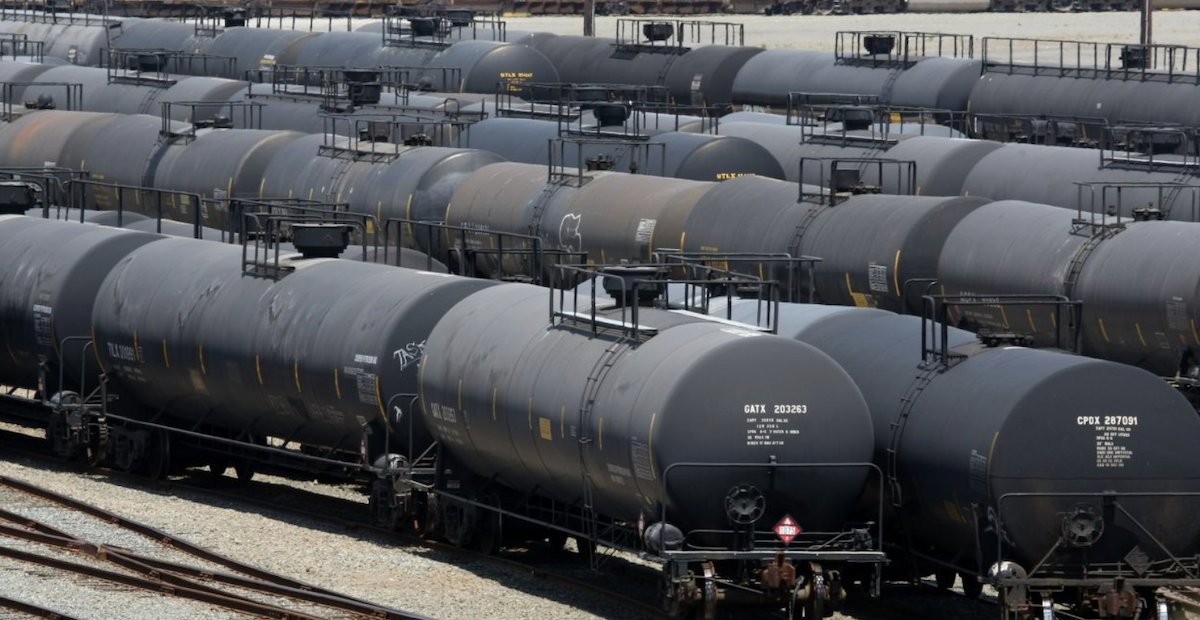
According to economist Suren Parsyan, Armenia consumes around 300,000 tonnes of gasoline and diesel fuel each year. Nearly 90 percent comes from Russia, with smaller volumes arriving from Romania, Georgia, and other countries.
He emphasizes that Russian petroleum products entering Armenia by rail through Georgia do not undergo quality checks because Armenia imports them from within the Eurasian Economic Union (EAEU). Both Russia and Armenia are members of this economic union. However, Azerbaijani petroleum products, Parsyan says, must undergo inspection under EAEU rules:
“Azerbaijani fuel will enter Armenia only after testing. We must conduct an examination to determine whether Azerbaijani fuel meets Eurasian standards.”
The economist argues that if the fuel fails to meet the standards, the EAEU will not allow it — and Armenia cannot import it.
Parsyan also highlights the importance of the price at which Azerbaijan is willing to sell fuel to Armenia. Since the parties have not disclosed the price, he cannot yet assess the economic efficiency of the deal.
He explains that Armenia purchases fuel from Russia at a price lower than the market rate because of an intergovernmental agreement. Russia also does not charge export duties.
When asked whether importing Azerbaijani fuel could cost Armenia more than buying from any EAEU member state, he said:
“Two months ago, the EAEU adopted a decision to exempt gasoline and diesel imports from third countries, including Azerbaijan, from customs duties.”
It is also unclear which Azerbaijani companies will export petroleum products to Armenia. Parsyan suggests that one of them could be SOCAR, which has a network in Georgia and offers competitive rates on the Georgian market.
Import of Azerbaijani oil to Armenia: new details