Azerbaijan’s WTO membership back on agenda: significance and reasons for prolonged delay






Joining the WTO: Azerbaijan
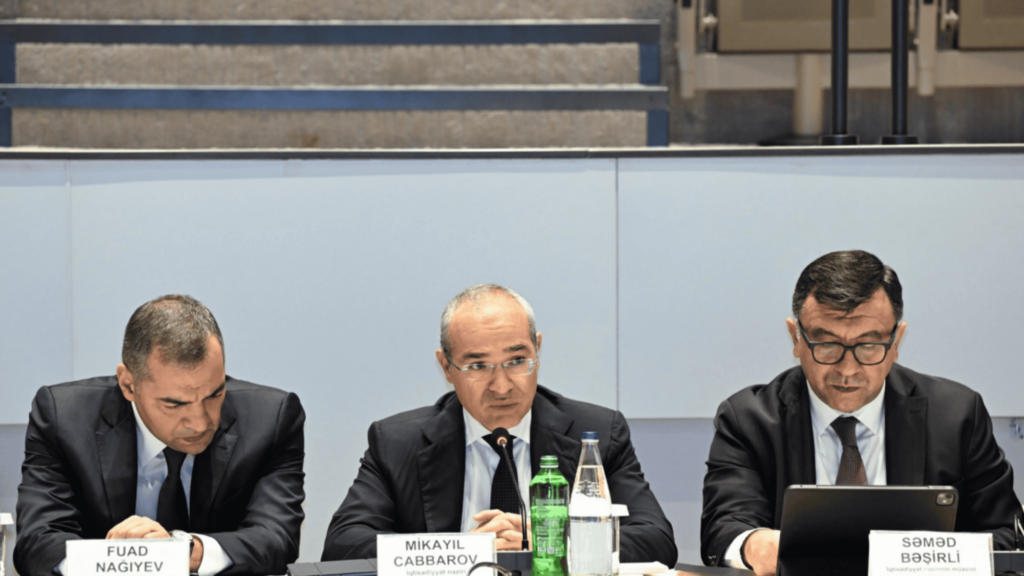
Economy Minister Mikayil Jabbarov has announced that Azerbaijan is stepping up its preparations to join the World Trade Organization, drawing renewed attention to the country’s long-running accession process.
Azerbaijan submitted its official application to join the World Trade Organization back in 1997, but it has still not become a member.
Why has the process dragged on for so long, and what would WTO membership bring to Azerbaijan?
This article examines the role and functions of the WTO, the benefits neighbouring countries have gained from joining, and the reasons why Azerbaijan has yet to become a member, taking into account both official positions and critics’ opinions.
What is the World Trade Organization?
The World Trade Organization (WTO) is the main international institution that sets global trade rules. It was established in 1995 and is headquartered in Geneva, Switzerland.
Today, the WTO has 164 member states, while 22 countries, including Azerbaijan, hold observer status. The organization’s primary goal is to liberalize international trade as much as possible and ensure that it operates under stable and transparent rules.
The WTO functions through a set of multilateral agreements that govern trade in goods, services, and intellectual property among member states. It also serves as a platform for resolving trade disputes and enforces the principle of most-favoured-nation treatment, meaning every member receives the same trade benefits as the other 164 members, without discrimination or exceptions.
The WTO’s role in the global trading system is to stimulate economic growth and improve living standards among member countries. The rules and obligations adopted under the organization also influence domestic trade legislation. Therefore, WTO membership is seen not only as integration into global trade but also as part of internal economic reforms.
Why Azerbaijan’s WTO membership matters?
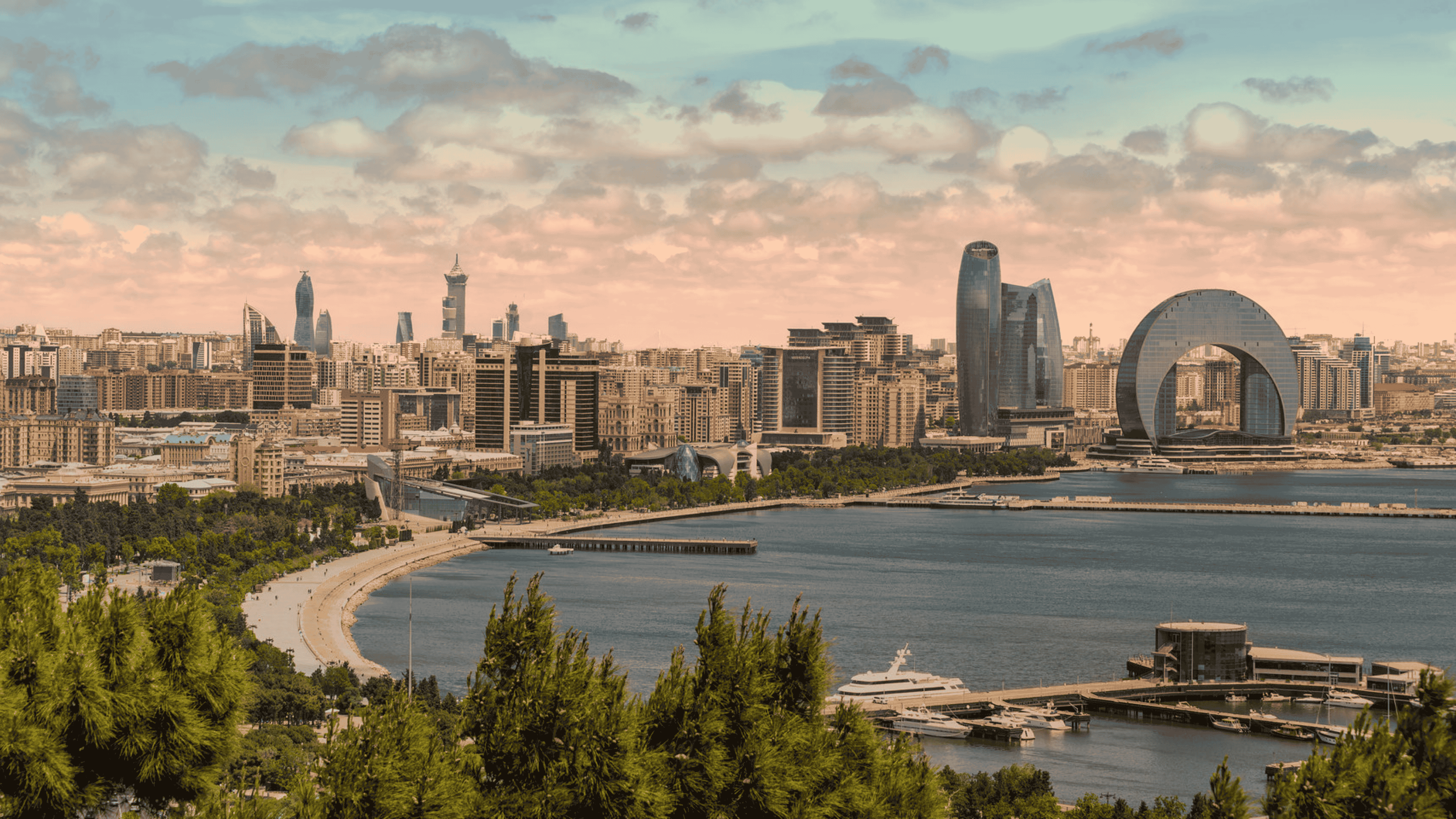
Azerbaijan’s accession to the World Trade Organization is a matter of strategic importance. Beyond the oil and gas sector, which forms the backbone of the economy, the development and diversification of non-oil industries have been declared a priority of state policy. To achieve this, Azerbaijani companies need freer and simpler access to foreign markets.
WTO membership could provide exactly these opportunities. According to the Ministry of Economy, expanding access to external markets is key to sustainable economic growth. Joining the WTO would simplify export and import operations, create conditions for Azerbaijani products to enter global markets more freely, and help attract new investment to the country.
The WTO principle of most-favoured-nation treatment is particularly important for Azerbaijan. At present, as the country is not yet a member, guarantees of applying this principle in trade relations with certain states do not exist.
As the pro-government newspaper Halq notes, the state has taken concrete steps in recent years:
“Adoption of the Competition Code (2023) and the laws on ‘Standardization’ and ‘Technical Regulation’ not only aligns national legislation with WTO requirements but also aims to ensure a transparent and competitive business environment in the country.
These reforms also strengthen the confidence of foreign investors and help attract greater investment. Thus, WTO membership represents not only trade benefits but also institutional reforms and deeper international economic integration.”
BRI: “Membership means an improvement in the international investment climate”
According to an analysis published by the Baku Research Institute (BRI), joining the World Trade Organization could significantly boost Azerbaijan’s exports to major markets, including China. Membership is expected to substantially reduce tariffs applied to Azerbaijani goods—by around 75%—which would particularly strengthen the competitiveness of mineral fuels on the Chinese market.
“At the same time, exporters from other sectors could take advantage of lower customs duties to either increase profitability or reduce prices, enhancing their competitiveness in new markets.
These benefits could help transform Azerbaijan not just into a transit country, but into an active exporter connecting Eastern and Western markets.
Moreover, WTO membership would improve Azerbaijan’s international investment climate. As a member state, the country would be required to establish a legal framework aligned with international trade rules.”
Reasons for delays in accession: official position and critics’ views
According to the official position, the delay in Azerbaijan’s accession to the WTO is explained by “a number of objective reasons.” Government representatives note that the process is multi-stage and complex, requiring the signing of dozens of documents as well as multilateral and bilateral negotiations.
Rufat Guliyev, a member of the Milli Majlis Committee on Economic Policy, told Radio Azadliq (Freedom) in 2023 that there is political will for WTO membership, and steps are being taken in the country to liberalize the economy and improve the investment climate.
“Rushing the accession to the WTO can be risky. I would not say that all countries that joined the WTO in the last 10–15 years benefited from it. In some states, it even increased inflation, and the most vulnerable sectors of the economy lost out to foreign competition. External debt rose in some countries,” he said.
According to him, hasty membership could create difficulties for local producers in the face of an influx of imported goods:
“If we join the WTO at an accelerated pace, a flood of (cheap) products will enter Azerbaijan, and local production will not be able to compete on price. We are protecting our markets from low-quality products and supporting domestic production.”
These official statements indicate that the government is acting cautiously, emphasizing the need to protect the domestic market and ensure the competitiveness of local producers. In other words, the goal is not only to join the WTO but also to maintain the resilience of the domestic market after accession.
Economist: “Authorities are deliberately delaying the process”
Critics argue that the main reason for the delay is a lack of political will and the interests of monopolistic groups within the country. According to economist Gubad Ibadoghlu, corporate interests in Azerbaijan obstruct market liberalization and the opening of trade.
“Corporate interests hinder competition, market liberalization, and trade openness. Since these interests align with the personal interests of President Ilham Aliyev, adapting to WTO requirements becomes difficult.
The WTO requires member states to significantly reduce import tariffs and ensure free market access. In Azerbaijan, monopolistic structures have been built over the years. Large companies and oligarchic groups control imports and domestic trade channels.
Independent journalistic investigations have repeatedly shown that the most profitable sectors of the economy are controlled by the ruling family and their close associates.”
According to these claims, these groups are not interested in creating an open competitive environment, as it could weaken their monopolistic positions. Monopolies and oligopolies exist in many sectors, and unrestricted access for foreign companies and products could threaten their profits.
“Until monopolization in Azerbaijan is dismantled, and until conditions for fair judicial resolution of trade disputes are created, the question of WTO membership will remain unresolved. The authorities are deliberately delaying the process, which has produced a record result: no country in the world has negotiated with the WTO for as long as Azerbaijan.”
The economist adds that joining the WTO is also not a priority for international organizations. Azerbaijan’s economy does not occupy a significant position in global trade, so the WTO is not pressing the country. The process depends mainly on internal decisions and the state’s readiness.
Ultimately, the main obstacle remains the lack of political will: within the government, there is resistance to measures that would create a truly competitive environment and lower import tariffs, as the current status quo benefits certain groups.

Joining the WTO: Azerbaijan