Azerbaijan in 2025: repression, human rights abuses and international agreements






How Azerbaijan spent 2025
The year 2025 in Azerbaijan was marked by significant and at times contradictory developments in domestic politics, public life and foreign relations. Over the course of the year, the country’s leadership underwent serious internal changes.
Several figures long regarded as pillars of the system came under pressure, while repression of the opposition reached its highest level. At the same time, the government sought to strengthen its regional standing by signing strategic agreements with neighbouring states and international partners.
Below is a brief overview of the key events that shaped Azerbaijan in 2025.
Political developments
The first major political event of 2025 was the municipal elections held on 29 January. Across the country, more than 16,000 candidates competed for over 8,000 seats in 685 municipalities across 118 electoral districts.
According to the Central Election Commission, voter turnout stood at just 31.45%. Despite the low participation, the vote was officially declared valid and was described by the authorities as having been conducted successfully.
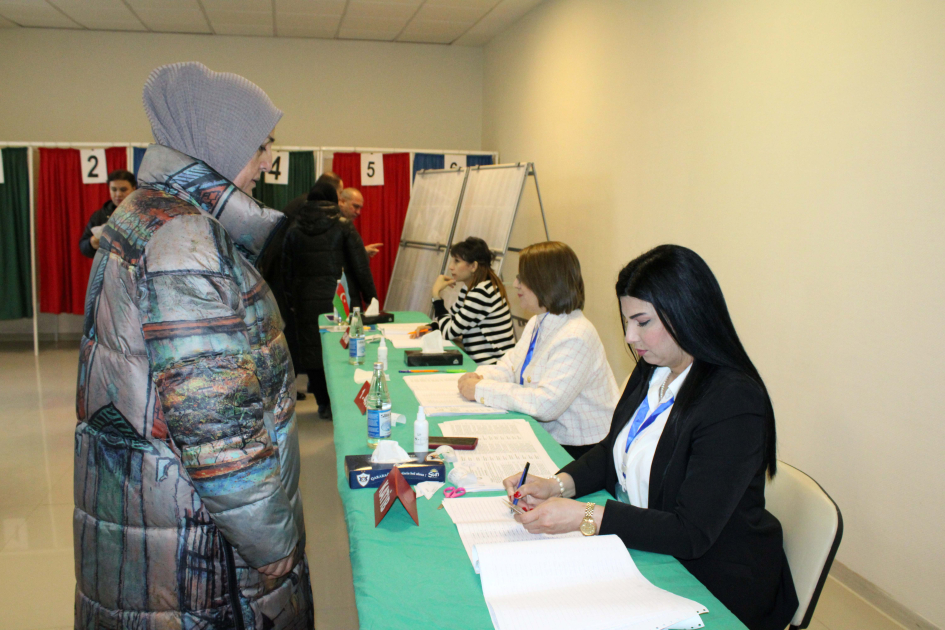
However, opposition parties and independent observers said the elections were marred by serious legal violations and electoral fraud. Observers noted that public interest in the vote was significantly lower than during the previous municipal elections in 2019, partly due to the limited real powers held by local municipalities.
As a result of a reform carried out at the end of 2024, the number of municipalities was reduced from 1,606 to 685, with many smaller bodies merged into larger units.
During the year, a number of personnel changes and appointments took place within the authorities. In April 2025, former military prosecutor Khanlar Valiyev was appointed as a judge of the Constitutional Court. He is one of the key figures linked to the so-called Tartar case, which involved allegations of torture of military personnel in 2017.
The appointment was sharply criticised by victims’ families and human rights defenders, who described it as an example of impunity. At the same time, the term of office of Prosecutor General Kamran Aliyev, which was due to expire in 2025, was extended, allowing him to remain in his post.
Anti-corruption measures targeting local executive authorities also continued. Towards the end of the year, the State Security Service removed Islam Rzayev, head of the Balakan district executive authority, from office and placed him under investigation.
The year 2025 was declared the “Year of the Constitution and Sovereignty” in Azerbaijan. Towards the end of the year, the 30th anniversary of the Constitution was marked, alongside a number of legislative changes. As part of these measures, the Internal Troops were placed directly under presidential control.
Human rights abuses and repression
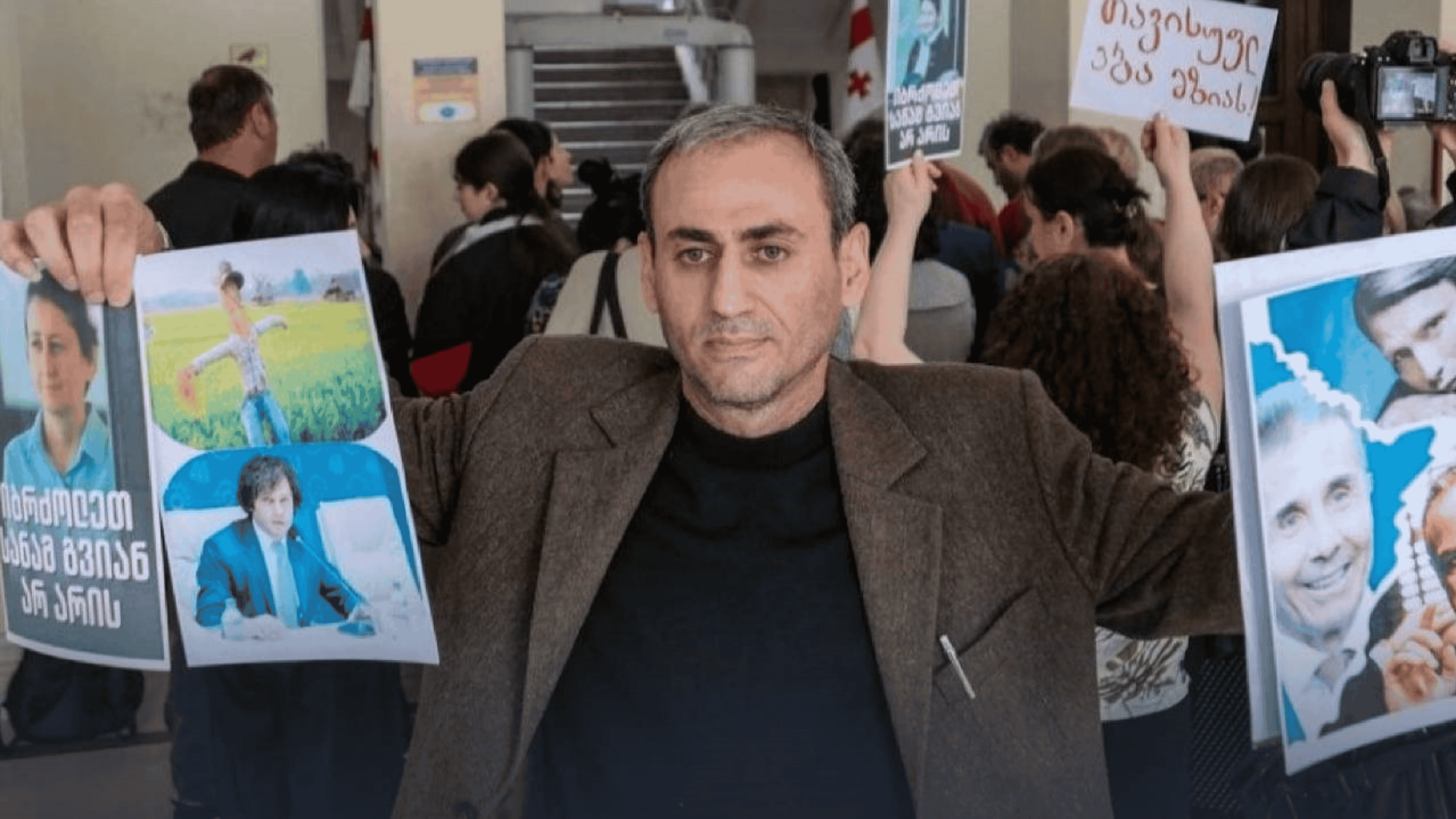
The year 2025 proved difficult for civil society and human rights defenders. At various points, a number of opposition figures and civic activists received lengthy prison sentences.
- Prominent human rights activist Bakhtiyar Gajiyev was sentenced to 10 years in prison, while opposition politician Tofik Yagublu received a nine-year sentence. In protest against his conviction, Yagublu staged a 40-day hunger strike in prison.
- Former diplomat Emin Ibrahimov was sentenced to seven years, and activist Nijat Ibrahim received six years and six months in detention. Towards the end of the year, activist Dayanat Chelebiyev, who had criticised the government on social media, was arrested on charges of inflicting a knife wound.
Overall, human rights organisations noted that the number of political prisoners in Azerbaijan continued to rise in 2025. The European Parliament also adopted a special resolution calling for the immediate release of all political prisoners in the country.
- The year also saw a deterioration in media freedom and freedom of expression. In February, one of the country’s oldest independent news agencies, Turan, announced it was ceasing operations, citing financial difficulties.
- At the same time, authorities demanded staff reductions at the Baku offices of the Azerbaijani service of the BBC and the Russian news agency Sputnik Azerbaijan.
Against this backdrop, the country faced criticism over a new media law and legal changes that increased government control over the internet. Towards the end of the year, the Milli Majlis passed amendments in a first reading that imposed stricter penalties for online publications deemed by the authorities to violate “public morality.”
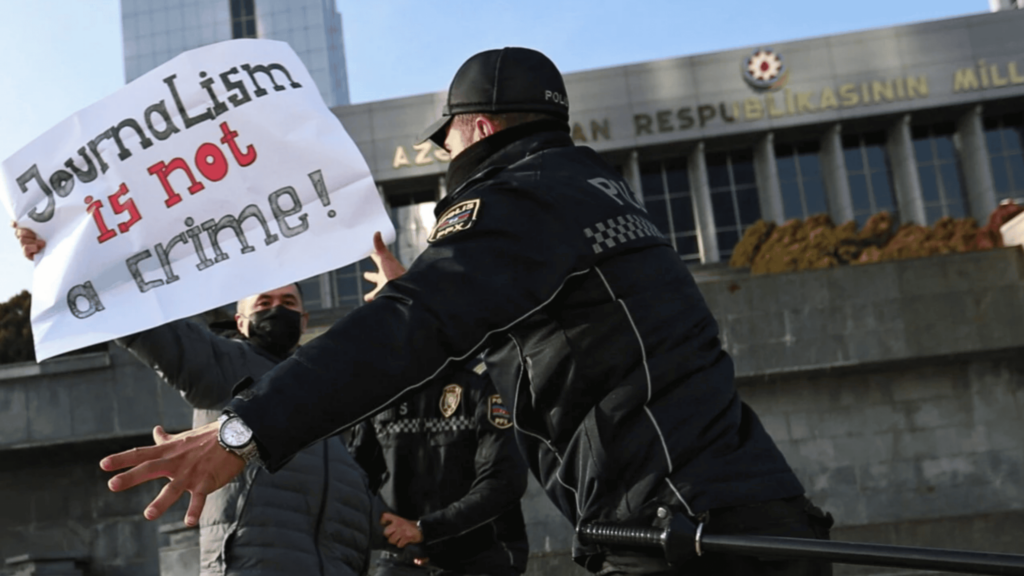
In international reports, Azerbaijan ranked among the European countries with the highest number of journalists in detention. By the end of the year, the country had the second-highest number of journalists held on politically motivated charges, after Belarus.
As part of a large-scale investigation into the so-called “NGO case,” dozens of civil society representatives were brought in for questioning. Several well-known NGO leaders were arrested, and many were banned from leaving the country.
- Journalists at the anti-corruption news outlet AbzasMedia were handed prison terms totaling 59.5 years.
- Pressure on Meydan TV also continued, with five more of its employees arrested.
- Authorities’ pressure on the LGBTQ+ community showed no signs of easing. During a police raid on the Labyrinth club, a gathering place for members of the community, 106 people were detained. Witnesses and those arrested reported that police used violence, subjected them to degrading treatment, and made threats.
Old elite and the opposition came under pressure
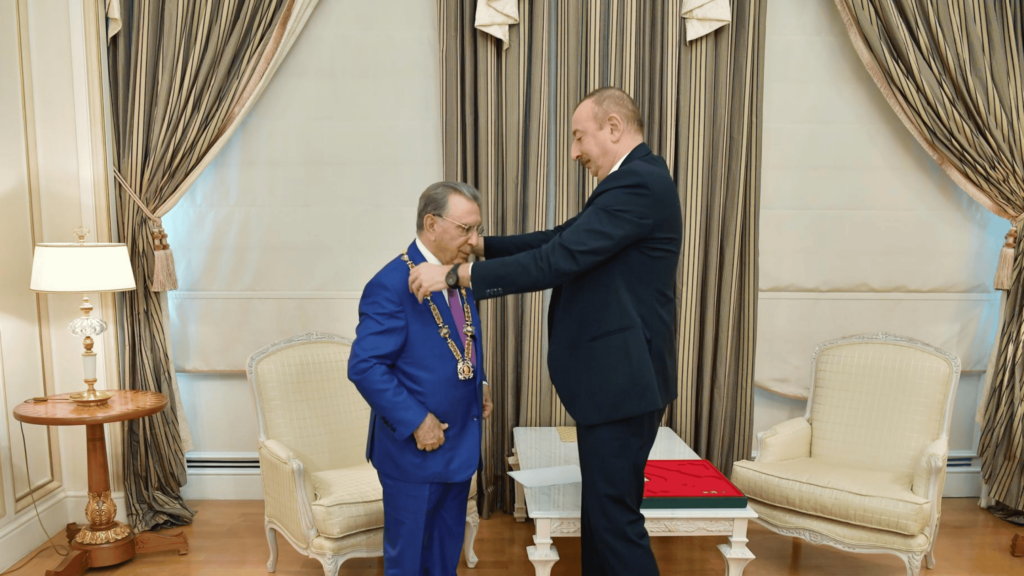
In October 2025, Ramiz Mehdiyev, one of Azerbaijan’s most influential political figures in recent decades, was brought in for questioning on charges of attempting a coup, treason, and legalising assets obtained through criminal means. The court placed him under four months of house arrest.
The 87-year-old Mehdiyev had served for many years as head of the Presidential Administration and was widely regarded as the “grey cardinal” within the government. His arrest is seen as a significant turning point in Azerbaijani politics. Officially, the actions were described as measures to prevent a coup, but observers believe deeper political motives were at play.
Analysts note that despite the public accusations of plotting a coup, the case appears to reflect President Ilham Aliyev’s intent to implement radical changes within the administration and neutralise potential rivals.
Opposition leader arrested in connection with the ‘Mehdiyev case’
At the end of November, State Security Service officers searched the Baku home of Ali Kerimli, head of Azerbaijan’s opposition Popular Front Party, and detained him.
Pro-government media immediately linked his arrest to the “Mehdiyev case.” While the details of the official charges have not been made public, government sources told journalists that Kerimli is being investigated on suspicion of receiving funding from Mehdiyev.
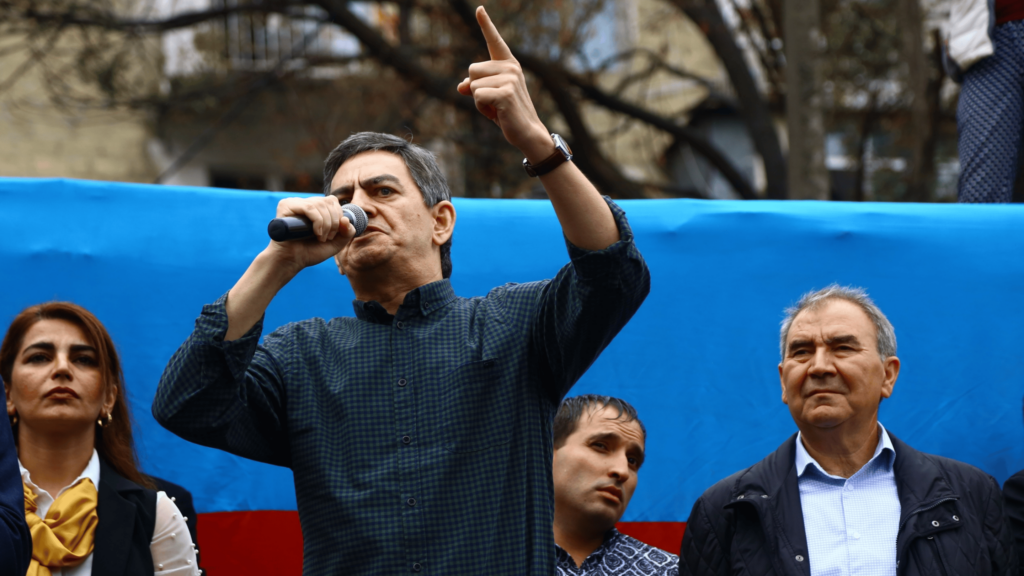
According to the Popular Front Party of Azerbaijan, State Security Service officers who arrived at Karimli’s home identified themselves as “neighbours” in order to gain entry. Once inside, a text of a letter, published in the media under Ramiz Mehdiyev’s name, was placed in Karimli’s desk drawer, and during the search, this “secret letter” was reportedly “discovered.”
The letter is alleged to have been written by Mehdiyev to Russian authorities and had previously leaked to the press. Authorities claim that the “original version” of the letter was found in Karimli’s home.
Motives and context of the campaign against the ‘old elite’
The arrests and pressure applied in 2025 are widely seen as marking the start of a new phase in Azerbaijani politics, accelerating the decline of the old elite. With Mehdiyev’s departure, the long-standing “elder influence” within the administration has effectively disappeared, and the balance of political power is increasingly concentrated in the hands of the current ruling team.
Critics view these developments as the culmination of complete authoritarian centralisation and a generational shift. By weakening the old guard, which had wielded influence behind the scenes for many years, President Aliyev is consolidating a family-style model of governance.
These moves are expected to further tighten the country’s political environment, suppress independent voices and diminish alternative centres of influence. In doing so, Azerbaijan’s political system is entering a new phase of post-Soviet generational change and deepening authoritarianism.
Economic issues
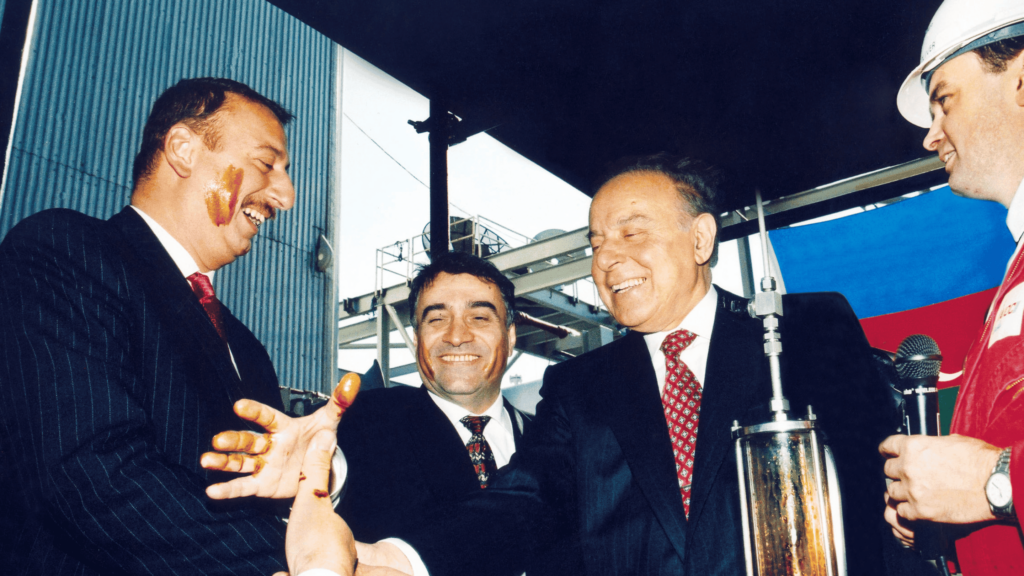
According to government data, Azerbaijan’s economy grew at a moderate pace in 2025.
The UK’s Centre for Economics and Business Research (CEBR) estimated a noticeable slowdown in macroeconomic growth during the year. After real economic growth of 4.1% in 2024, GDP expanded by around 1.6% between January and November 2025. Average annual inflation stabilised at about 5–6%.
Inflation was largely under control early in the year, but rising prices for a range of goods and services in the final months sparked public dissatisfaction. Experts noted that, amid declining oil revenues, the government began taking new measures to boost budget revenues.
At its last session of the year, the Milli Majlis approved a package of legislative changes introducing higher taxes and fines. For individuals, the penalty for late tax filings was increased from 50 manat (approximately $30) to 300 manat (around $177), while for companies it rose from 100 manat ($60) to 1,000 manat ($600).
For the first time, subscription fees were also introduced for natural gas and electricity. Under the new rules, every household must pay between 1 and 3 manat per month, regardless of actual consumption.
Meanwhile, the State Tariff Council approved increases in fuel and utility prices ahead of the New Year. From 1 January 2026, a litre of AI-92 petrol will rise by 5 qəpik (around $0.03) to 1.15 manat ($0.68), while a litre of diesel will increase by 10 qəpik ($0.06) to 1.10 manat ($0.60).
These measures provoked public dissatisfaction and were seen as a repeat of the price hikes earlier in the year.
On the other hand, the government stepped up activity in economic development projects and investment cooperation. In particular, Azerbaijan continued implementing energy sector projects with foreign partners.
As part of the gas agreement with the European Union reached in 2022, Azerbaijan increased its natural gas exports to Europe in 2025. While deliveries to Europe amounted to 12.9 billion cubic metres in 2024, they rose to around 13.5 billion cubic metres in 2025. This represents a significant increase compared with 2021 and forms part of the country’s goal to double exports by 2027.
At the same time, the country is investing in alternative routes and transit capacity. In 2025, steps were taken to improve logistics and infrastructure along the trans-Caspian “Middle Corridor,” including the construction of new railway lines and expansion of port facilities.
The government said that, in coordination with neighbouring countries, Azerbaijan is working to become a regional transport and logistics hub. For the first time after a long hiatus, Azerbaijan began exporting petrol to Armenia at the request of the Armenian side.
Fuel produced in Azerbaijan was transported to Armenia by rail through Georgia. Such steps are seen as important for restoring economic ties in the post-conflict period.
Foreign policy and international relations
In 2025, Azerbaijan’s foreign policy focused on normalising relations with Armenia and consolidating the new regional realities.
After regaining full control over Karabakh in 2023, negotiations on a peace agreement entered an intensive phase. Meetings were held in various formats under the mediation of the European Union, Russia, and the United States.
On 8 August 2025, a “Joint Declaration on Future Relations” was signed in Washington during a meeting between the leaders of Azerbaijan and Armenia, and the main points of a peace treaty were initialled.
The documents expressed a commitment to formally ending the decades-long conflict. In statements made at the end of the year, Azerbaijani officials described 2025 as a successful year for the reconciliation process with Armenia and highlighted the possibility of signing a final peace agreement in 2026.
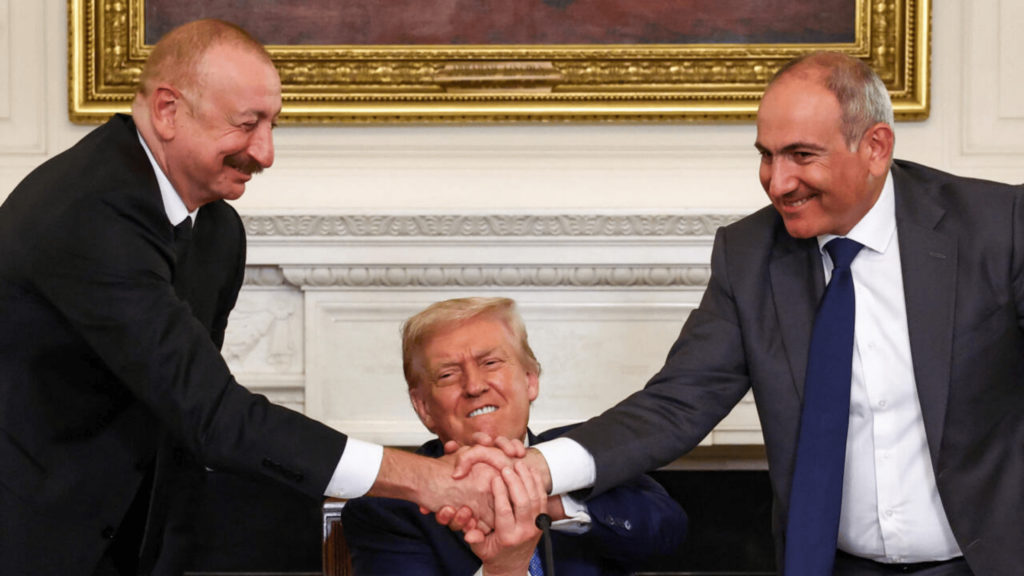
As part of the peace agenda, both sides began taking practical steps to reopen economic and transport links.
In 2025, Azerbaijan reportedly completed all necessary infrastructure work on its territory for a railway line connecting western Azerbaijan with Nakhchivan, known as the “Trump Route” (TRIPP). The railway is expected to reach the Armenian border in 2026.
Work also continued by commissions on border delimitation. Certain sections of the border between the two countries have already been agreed, and mapping efforts are ongoing.
Relations with the West and Russia
In 2025, Azerbaijan pursued a strategy of geopolitical balance in its relations with other key external partners. At the start of the year, Baku faced tensions with both the West and Russia.
In January and February, reports emerged of restrictions on several US Agency for International Development (USAID) programmes in Azerbaijan, as well as obstacles to the operation of the Russian cultural centre, the “Russian House.”
At the end of June, searches were carried out in the homes of several Azerbaijani citizens in Yekaterinburg, Russia, under the pretext of previously opened criminal cases. During the raids, two Azerbaijanis were reportedly killed by police, and others were allegedly subjected to torture.
Following these events, Baku effectively shut down the local office of the Russian state media outlet Sputnik Azerbaijan, sparking protests from Moscow.
The incidents led to political tension between the two countries, with diplomatic notes exchanged. Despite this, official Baku sought to maintain a balanced stance while continuing economic cooperation with Russia.
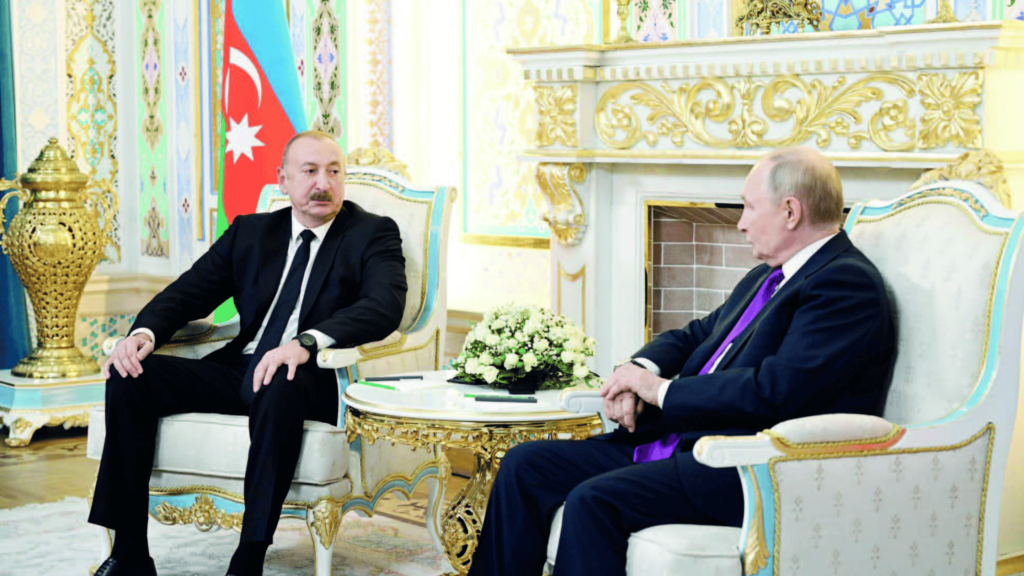
Against this backdrop of tension, a long-anticipated meeting between Ilham Aliyev and Vladimir Putin took place on the sidelines of the CIS heads of state summit in Dushanbe. The encounter was seen as an important step in attempts to ease the heightened tensions between the two countries over the past year.
The discussions focused on the incident involving an AZAL passenger plane, which was downed by Russian air defence systems in December 2024.
Vladimir Putin acknowledged responsibility for the incident, stating that two Russian missiles detonated near the AZAL aircraft due to a “technical malfunction,” and reiterated his apology for the “tragic disaster,” which claimed 38 lives. Despite the meeting, tensions between the two countries persisted.
Relations with Iran and other countries
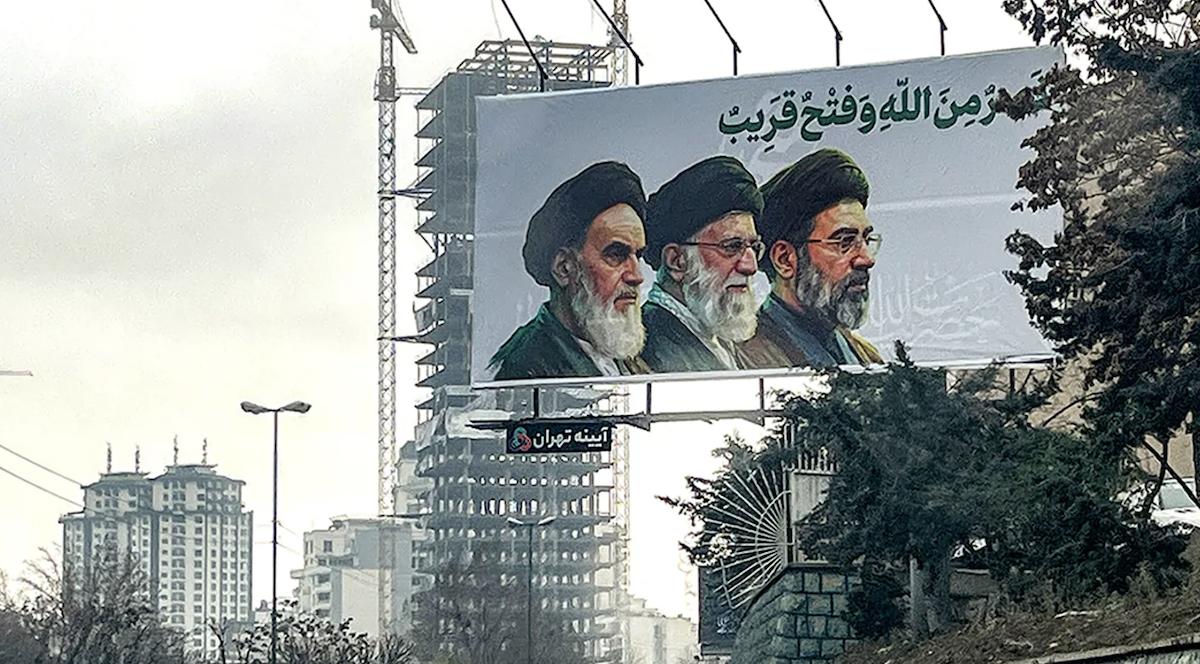
In the second half of the year, relations between Azerbaijan and neighbouring Iran showed signs of relative improvement. In October, the two countries held their first joint naval search-and-rescue exercises, AZIREX-2025.
During the drills, Iranian naval vessels made a friendly visit to Baku, and joint manoeuvres were conducted. The exercise was seen as an important gesture towards normalising relations, which had been tense in recent years.
At the same time, Azerbaijan continued to play an active role in the Non-Aligned Movement, participating in events organised by the Organization of Turkic States and the Organisation of Islamic Cooperation, signalling its position on regional and international issues.
Following a course of balanced foreign policy, the Azerbaijani government sought to deepen pragmatic cooperation with both neighbouring countries and partners in the West and East.
Key agreements and partnerships
2025 brought Azerbaijan a series of strategic partnership agreements and new platforms for cooperation. During the year, the country signed key deals in the fields of energy, transport, investment, and defence.
Economic cooperation with Turkey
On 23 December 2025, Baku hosted the 12th meeting of the Joint Turkish-Azerbaijani Economic Commission, resulting in the signing of a protocol covering a wide range of areas. The 110-point action plan sets out specific projects in energy, trade, investment, and tourism.
- Strategic partnership with Kazakhstan
On 21 October in Astana, the second meeting of the High Intergovernmental Council took place, attended by Azerbaijani President Ilham Aliyev and Kazakh President Kassym-Jomart Tokayev. The meeting marked the 20th anniversary of allied relations between the two countries and saw the signing of 15 new cooperation agreements.
- Comprehensive partnership with China
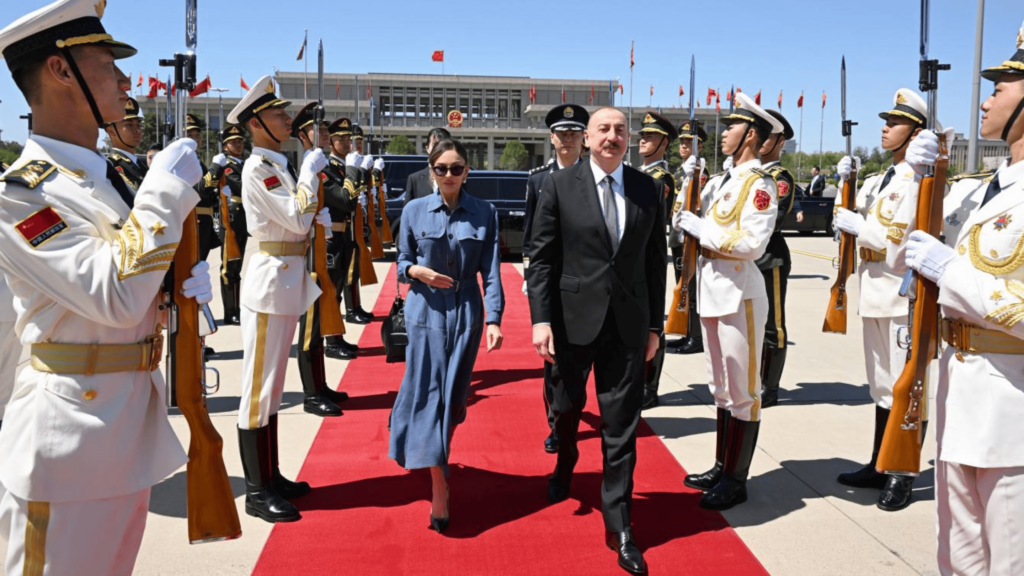
On 23 April 2025, during a state visit to the People’s Republic of China, President Ilham Aliyev signed a Joint Declaration on Comprehensive Strategic Partnership between Azerbaijan and China.
The document, signed in Beijing, sets out plans to strengthen political dialogue and mutual support, as well as to align the Belt and Road Initiative with Azerbaijan’s national development strategies in the economic sphere.
In addition, in 2025 Azerbaijan reached a number of agreements with countries in Central Asia and Europe.
A memorandum of understanding was signed to establish a trilateral framework for energy and transport cooperation between Azerbaijan, Uzbekistan, and Turkmenistan. A cooperation plan was also approved between Azerbaijan and Hungary in the defence industry sector.
Government officials said that the agreements signed over the year aimed to strengthen Azerbaijan’s regional role, support the country’s post-conflict economic recovery, and advance its multi-vector foreign policy.
How Azerbaijan spent 2025