Abkhaz blogger who spoke of ‘shared future’: Who was late Daur Buava?






Abkhaz blogger found dead in Georgia
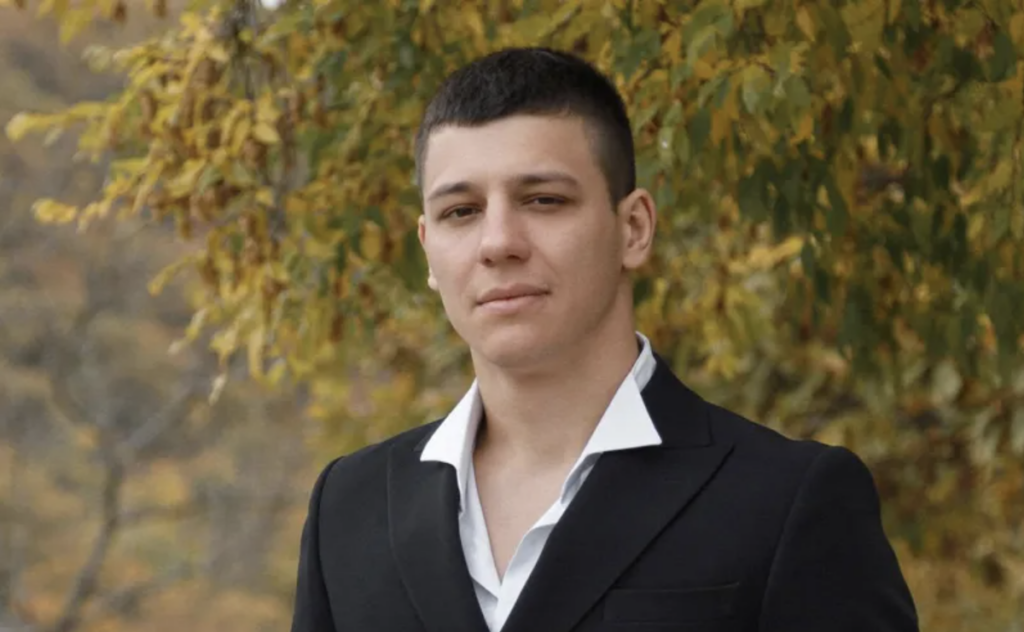
Young Abkhaz blogger Daur Buava has been found dead in the Georgian capital, Tbilisi. According to neighbours, they raised the alarm after Buava had not been seen for several days. Emergency services called to his rented flat found his body inside.
The cause of his death has not yet been established, and an initial examination of the body found no signs of violence. Georgia’s Interior Ministry has opened an investigation under the article covering “incitement to suicide”.
Who was Daur Buava?
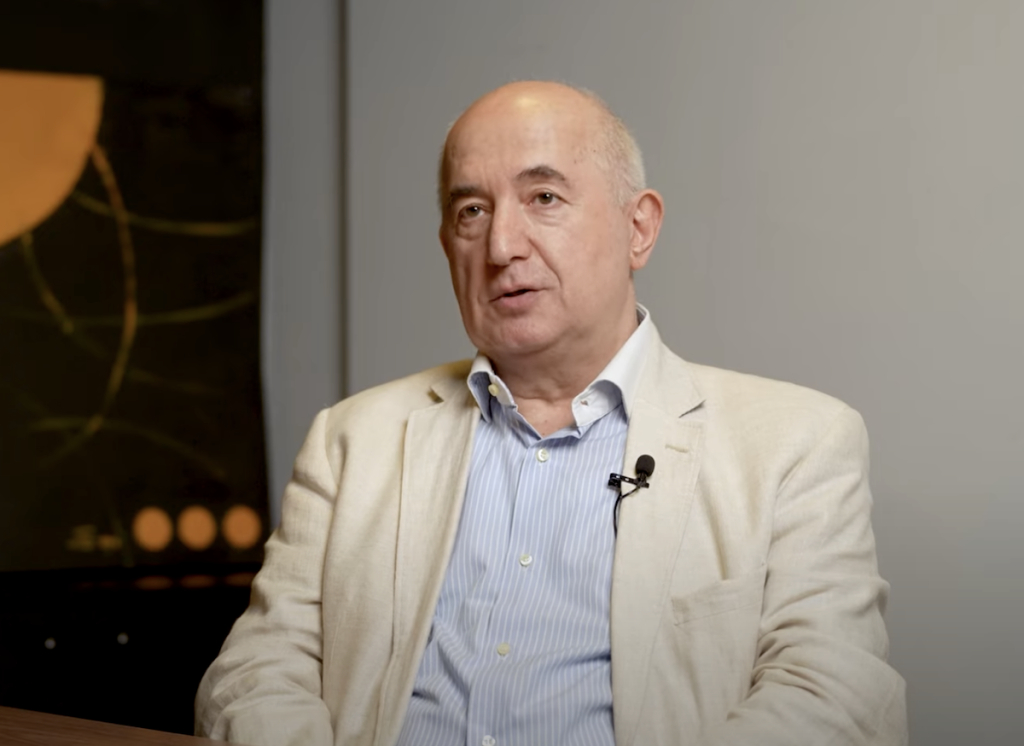
Daur Buava, 32, was an Abkhaz blogger who attracted public attention for his open and unconventional views on Georgian-Abkhaz relations. On social media, particularly TikTok, he regularly posted videos advocating peaceful coexistence, dialogue and the rebuilding of trust between Georgians and Abkhaz.
Buava was born in Abkhazia in 1994. The Georgian-Abkhaz war had ended a year before he was born, meaning his understanding of the conflict was largely shaped by what he had been told by those around him. In 2021, Buava travelled to Tbilisi in an attempt to examine that version of events for himself.
“Later, I realised that it was the truth as seen by only one side. I learned the other side’s truth here,” he told Georgian media outlet Netgazeti that same year.
Within months, Buava had become one of the most recognisable Abkhaz bloggers on TikTok. His videos focused primarily on relations between Georgians and Abkhaz, the war, peace and Abkhazia’s future. He had tens of thousands of followers, including young people in Abkhazia.
Buava’s public activities were not confined to social media. He gradually became one of the few Abkhaz voices openly advocating dialogue with Georgians. It was this position that made him a target of persecution in Abkhazia.
Meeting the “enemy”
Buava said that before travelling to Tbilisi, his views of Georgia had been based largely on the information he received in Abkhazia.
One of the reasons he decided to visit Georgia was a TikTok livestream in which Georgians and Abkhaz called each other enemies and exchanged insults. For Buava, this became another reason to see for himself the place he had been taught since childhood to regard as hostile.
He said that in both societies there was a small group of people fuelling hatred, while most people wanted to communicate with one another.
Persecution in Abkhazia
Buava’s activities did not receive unequivocal support in Abkhazia from the outset. In late 2021, he said that many people criticised his presence and activities in Tbilisi, although he also received messages of support from Abkhazia. Over time, however, criticism was followed by threats.
According to Buava, his supporters also faced pressure. He said that people who posted positive comments during his livestreams were identified and, in some cases, people even went to their homes. Buava also said that several of his supporters had been beaten.
In June 2022, Abkhazia’s de facto security service opened a criminal case against Buava on charges of “high treason”.
The agency said that videos posted by Buava on TikTok contained appeals that undermined Abkhazia’s “sovereignty, territorial integrity, state security and defence capabilities”. It also accused him of promoting the idea of Abkhazia existing as an autonomous republic within Georgia.
The case against Buava was opened in absentia. He remained in Tbilisi and no longer planned to return to Abkhazia.
‘Amra’ and idea of shared future
In Tbilisi, Buava and his Georgian friend Mikheil Kvatashidze founded the Amra youth movement. The name means “Sun” in Abkhaz. The organisation aimed to create opportunities for young Georgians and Abkhaz to communicate with one another.
In December 2022, Buava obtained Georgian citizenship, which he said was granted under a simplified procedure. This became another source of criticism against him within Abkhaz society.
In 2023, Buava was invited to the European Parliament, where he spoke about relations between young Georgians and Abkhaz, the free exchange of information and overcoming the conflict.
“We must move forward and build a shared future,” he said.
At the European Parliament, Buava also addressed Russia’s role. In his view, Moscow had contributed to the escalation of the Georgian-Abkhaz conflict and was continuing to obstruct dialogue between Georgians and Abkhaz.
That same year, Buava opposed the adoption of the so-called “apartments law” in Abkhazia, saying he did not want Russians to buy property and settle in Abkhazia in large numbers. He regarded the main threat to Abkhazia as not the restoration of relations with Georgians, but the loss of its own demographic and cultural identity.