Neighbors mourn the dead and collect belongings from the ruins of their homes. Explosion in Tbilisi


Explosion in Fonichala
Six people were killed in a gas explosion in a residential building in Ponichala, a district in Tbilisi. Two of the victims were young children who died alongside their mothers.
One of the five people injured in the explosion remains in critical condition. Two minors are also still receiving hospital treatment.
The destruction left 28 families homeless. They are currently staying in hotels.
What is happening near the site of the explosion
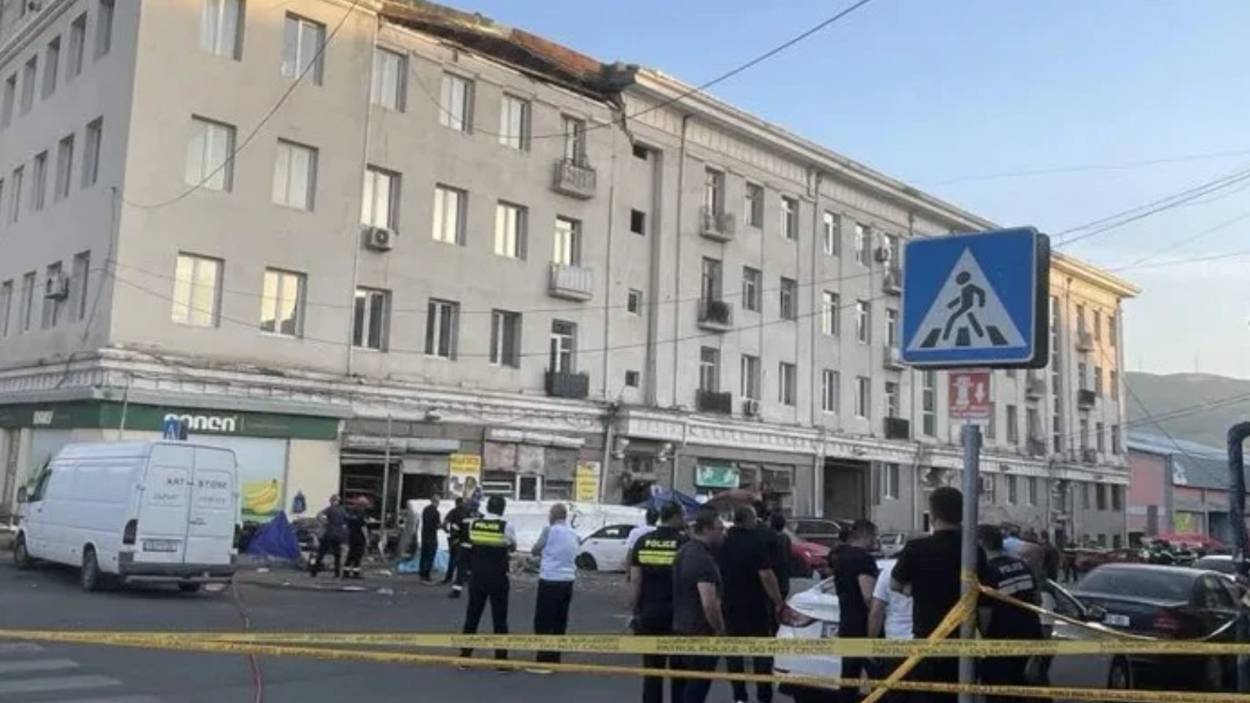
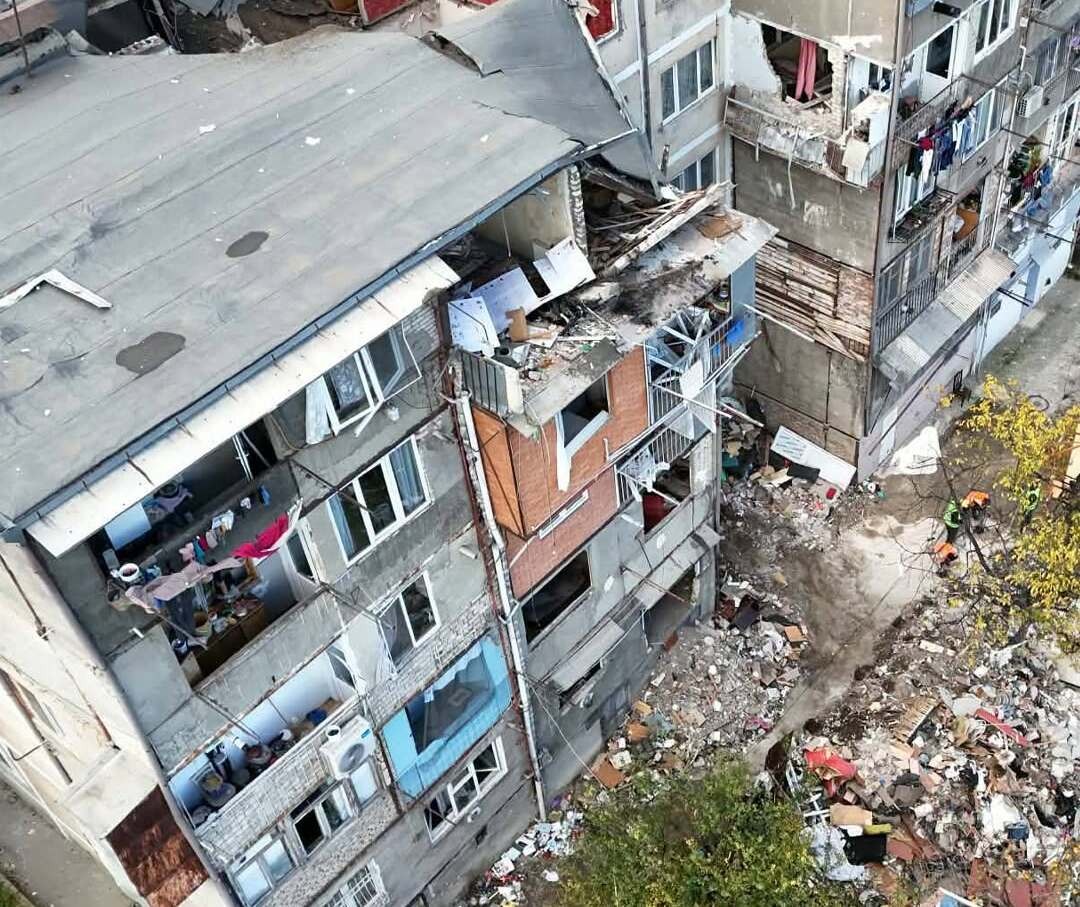
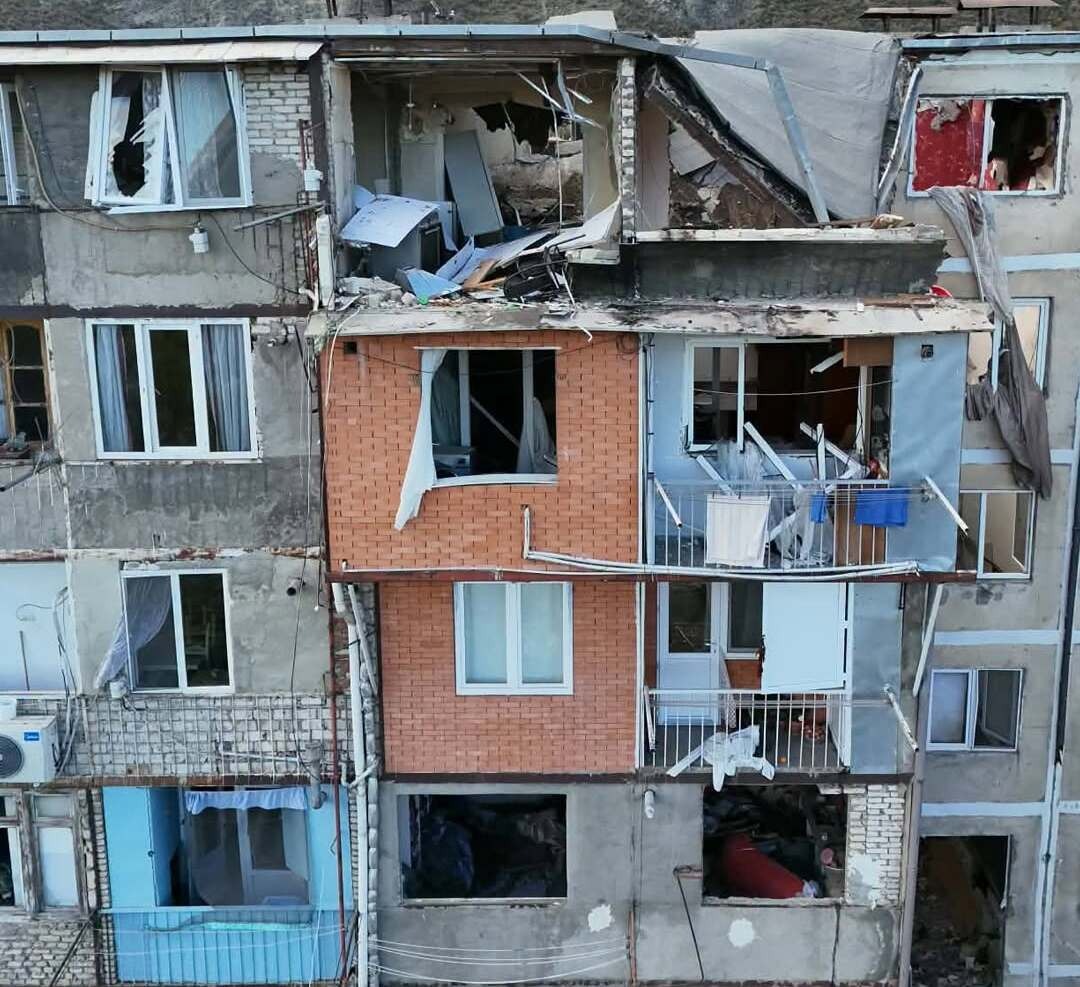
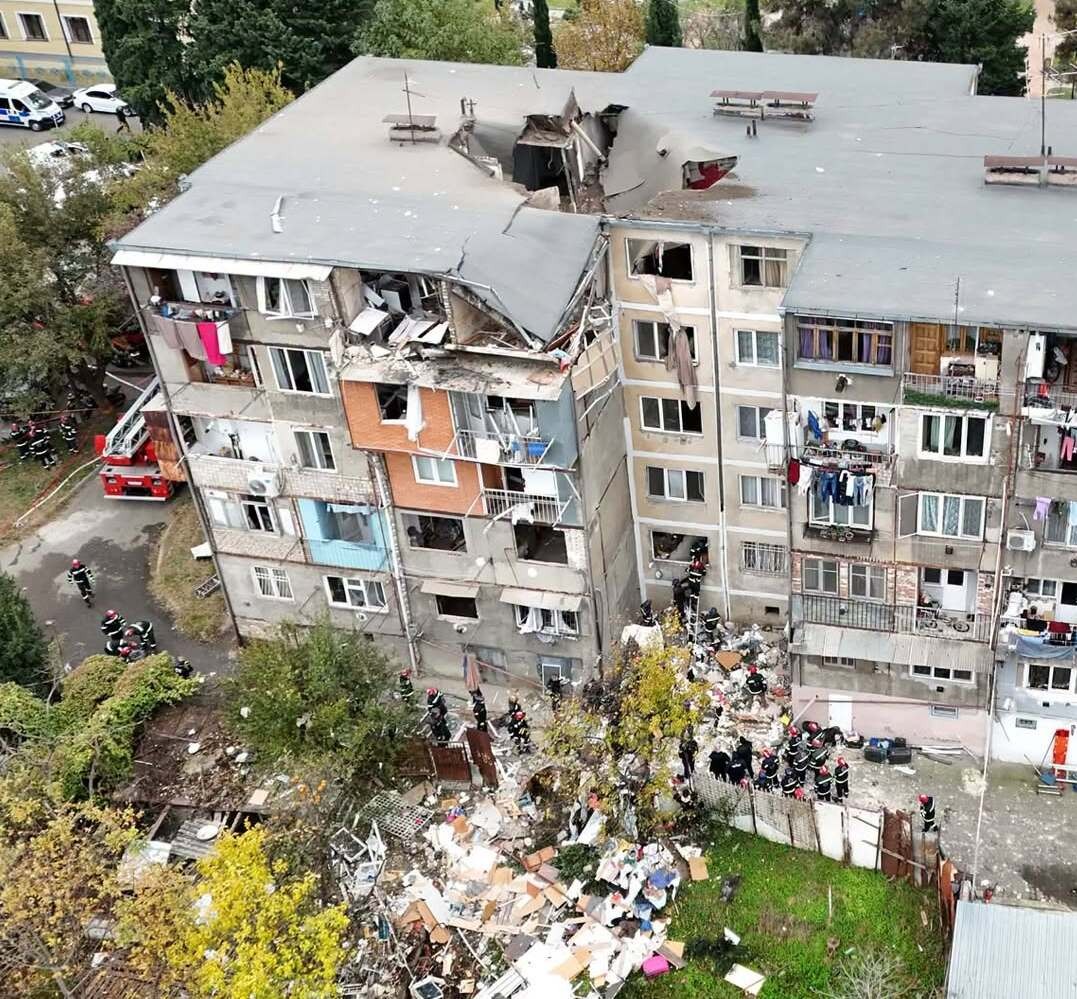
In Lower Fonichala, where a gas explosion on the morning of November 19 caused two stairwells of a residential building to collapse, the area remains cordoned off with yellow tape. Rescue workers are still at the scene.
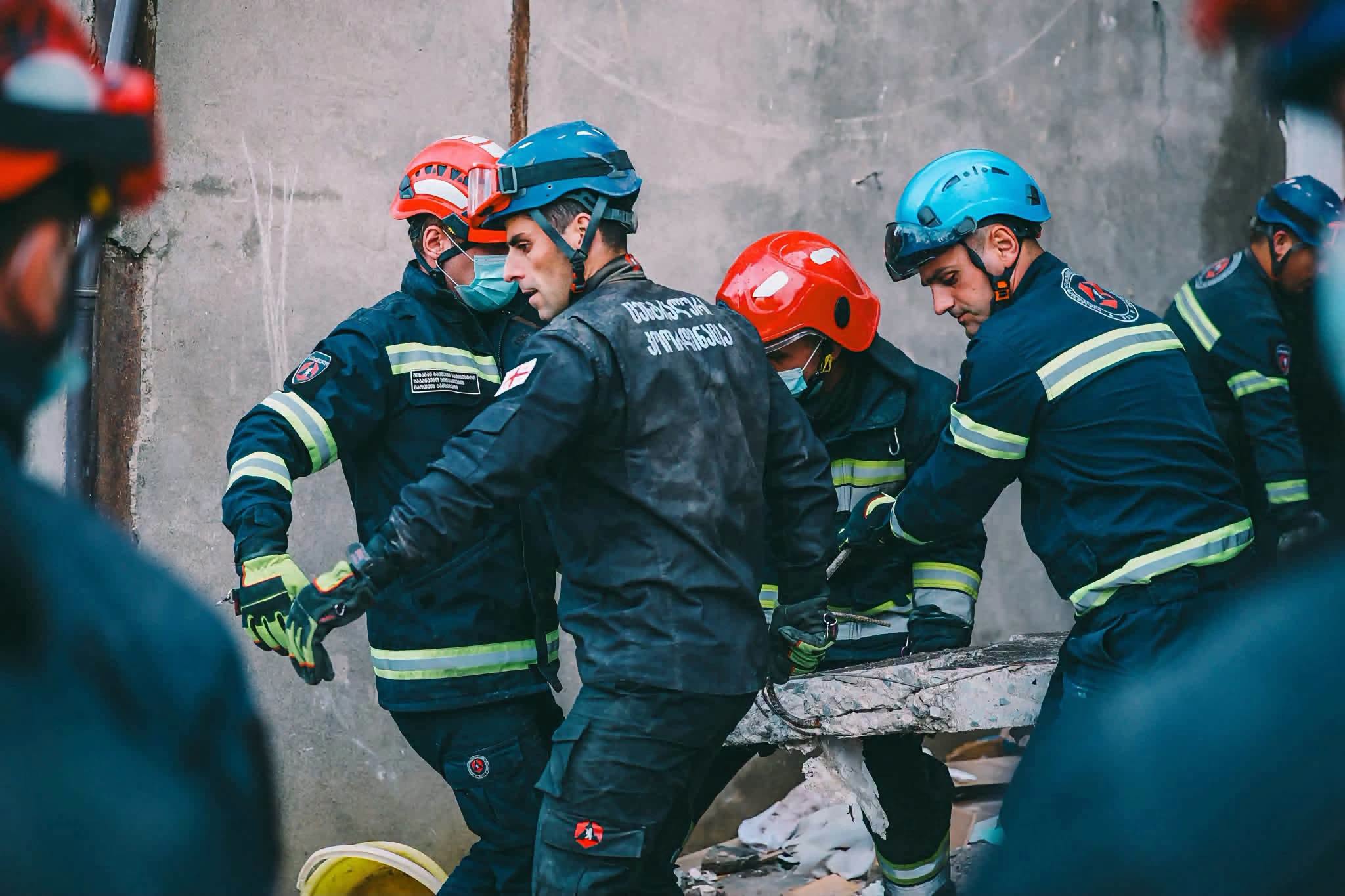
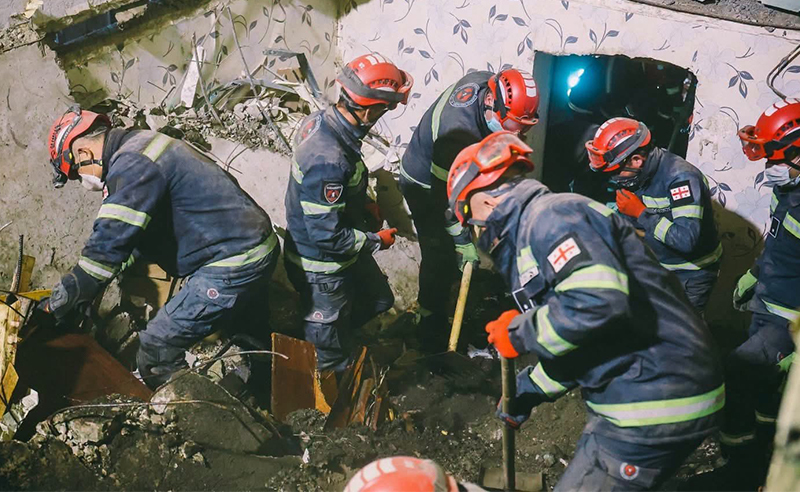
Trucks loaded with construction debris stand in the courtyard. Rescue teams are clearing the collapsed building of concrete rubble.
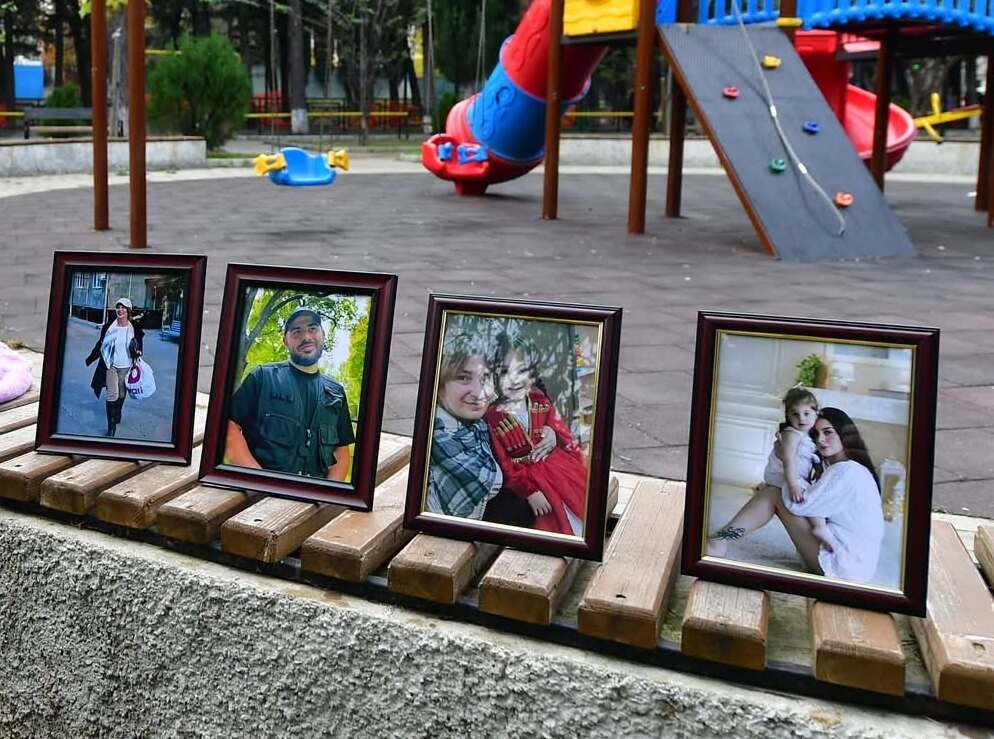
A makeshift memorial has been set up in a small park near the building. It is covered with photographs of the victims, flowers, candles and colourful stuffed toys. Little girls are tying black ribbons around the memorial.
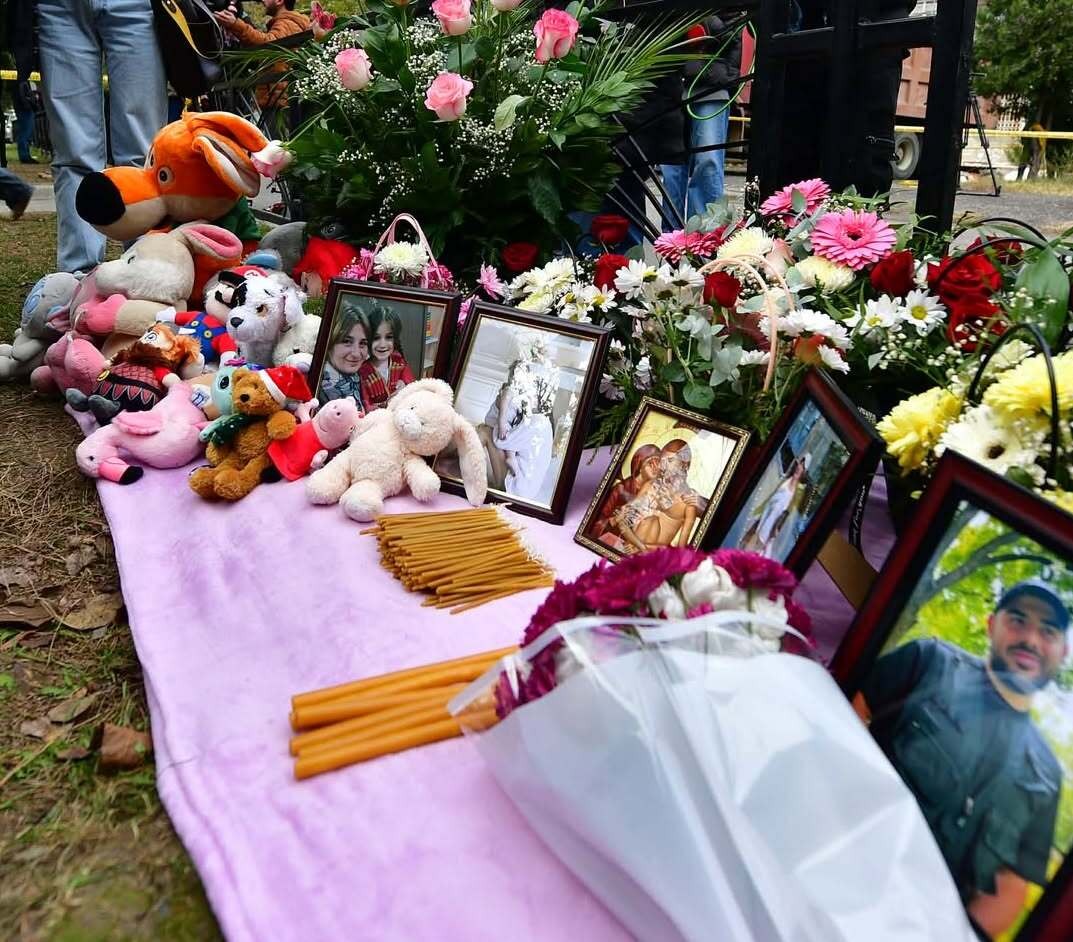
It has been raining in Tbilisi for several days. To protect the photographs, flowers and candles from the rain, the memorial has been covered with a tarpaulin.
Relatives of the victims, neighbours and acquaintances keep coming to the park. No one seems able to talk about what happened. People are still struggling to hold back their tears.
The victims’ classmates and friends also come to pay their respects, bringing dozens of large stuffed toys.
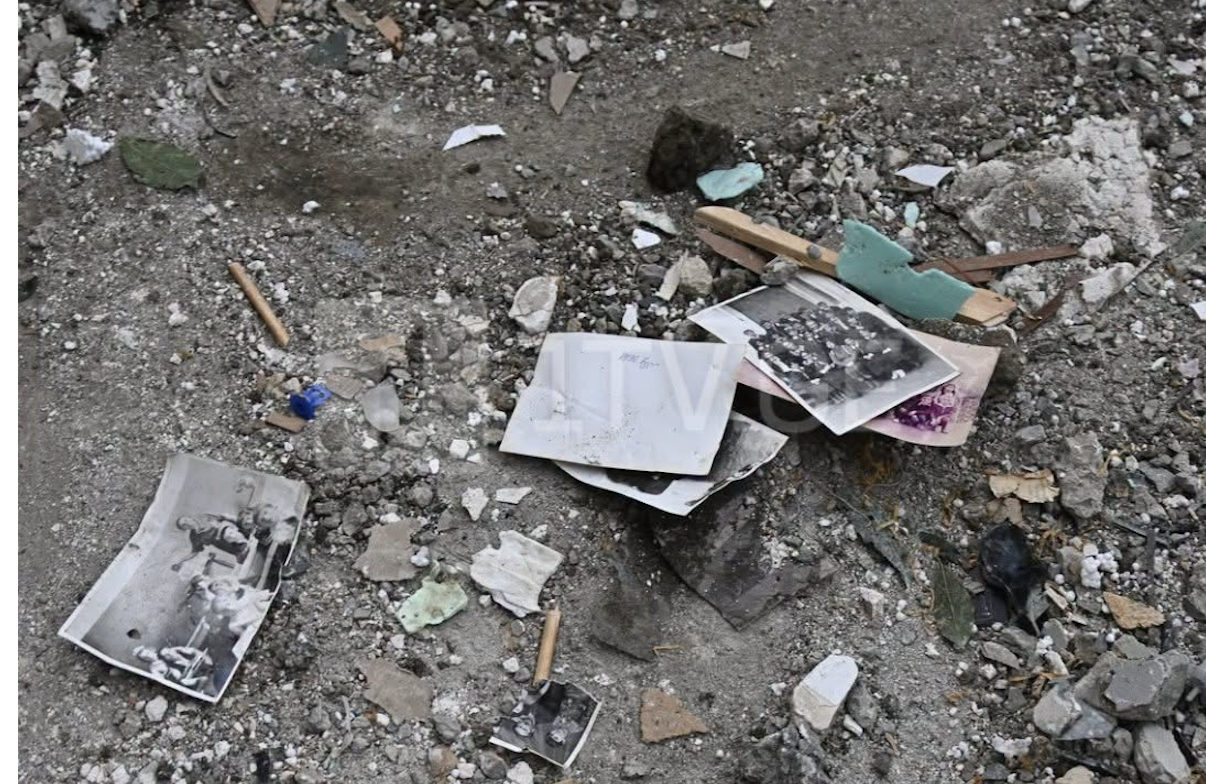
With the help of rescue workers, survivors are returning to their damaged apartments to retrieve whatever personal belongings remain intact. They carry them out in plastic bags.
“There was a terrible noise and everything shook – we thought it was an earthquake.” What happened in Fonichala
At around 9 a.m. on November 19, a powerful explosion rocked Lower Fonichala, at 16 Rustavi Highway. People were getting ready to leave for school and work. Some were already out on the street.
The explosion was caused by a build-up of natural gas on the fifth floor of a five-storey residential building. The blast wave destroyed part of the building, brought down the floor slabs and turned two stairwells into a pile of concrete within seconds.
People jumped from windows in an attempt to escape.
The blast wave threw a young man out of the fifth-floor apartment where the explosion occurred. He was the owner of the apartment. He is now in hospital with severe burns.
“There was a terrible noise and everything shook. At first, we thought it was an earthquake,” survivors who narrowly escaped the building recall.
Seven people were trapped under the rubble.
Neighbours say that in the first minutes after the explosion, they could hear several people screaming for help from beneath the debris. They were trapped under enormous concrete slabs, and it was impossible to reach them.
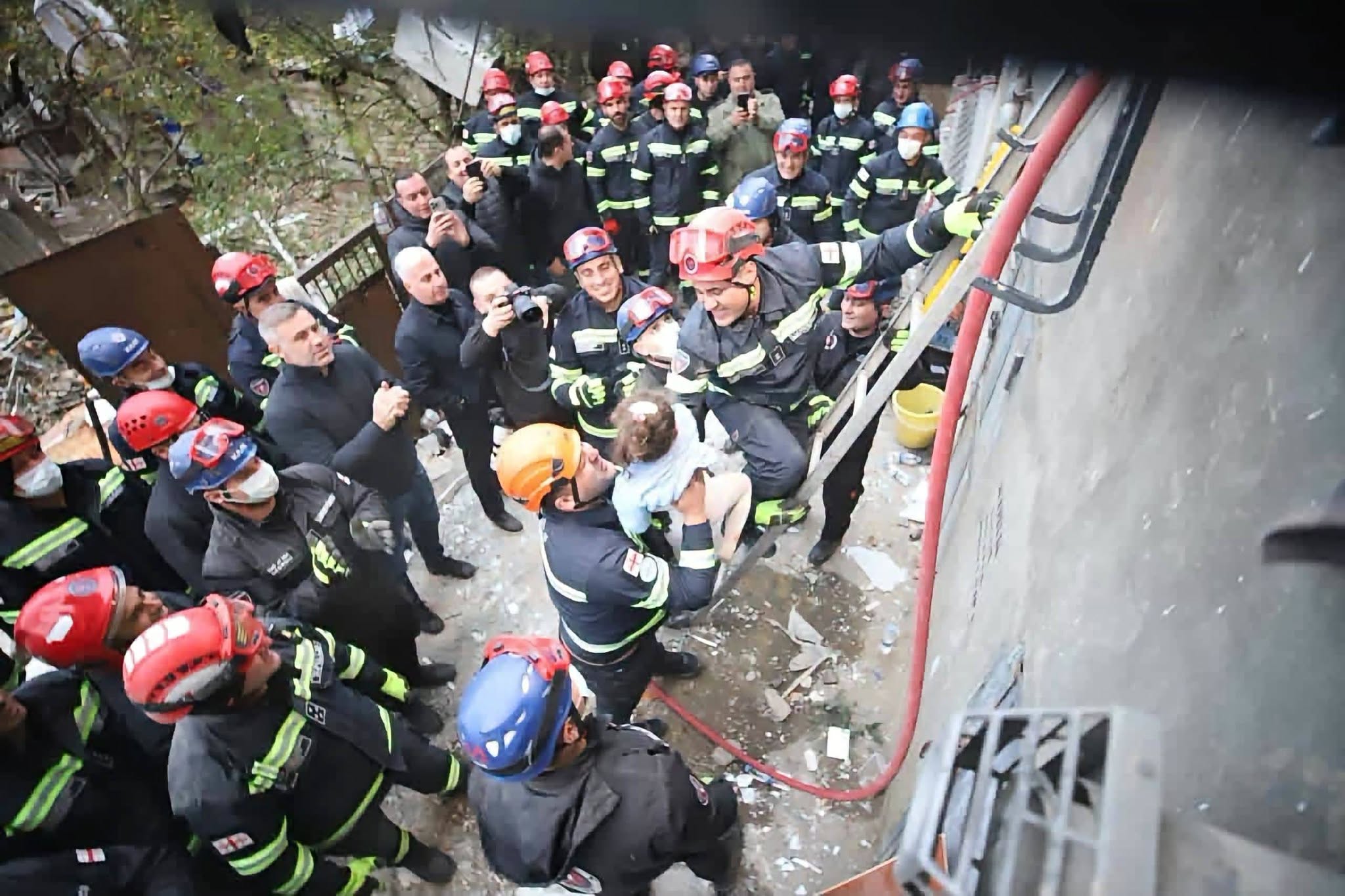
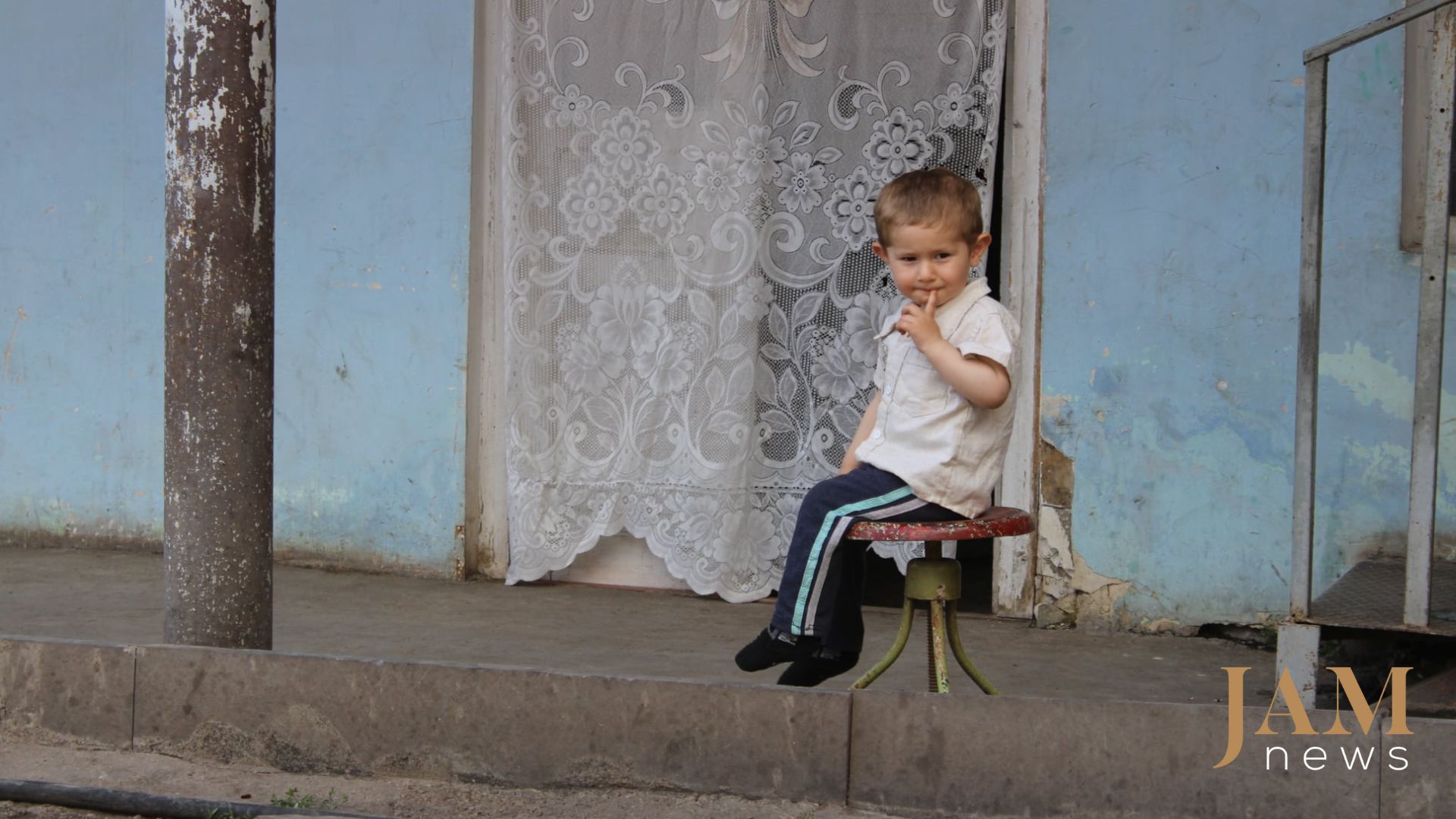
Of the seven people trapped, only one — three-year-old Taiya — was rescued alive. The other six were found dead. The rescue operation ended around midnight.
November 22 was declared a national day of mourning in Georgia.
Survivors: children remain in hospital, 31-year-old man in critical condition
Five people were taken to hospital following the explosion. Four were admitted in the morning, immediately after the incident. The fifth, a three-year-old girl, was brought to hospital later.
Three of the five injured people remain in hospital. They include two minors — 11-year-old Andria and three-year-old Taiya.
As of November 20, both children’s conditions were stable and satisfactory. According to doctors, a psychologist is also working with them. The three-year-old girl is expected to be discharged before the 11-year-old boy.
The third patient, a 31-year-old man, remains in critical condition.
The other two injured people sustained minor injuries and have already been discharged from hospital.
Three-year-old Taiya – eight hours under the rubble
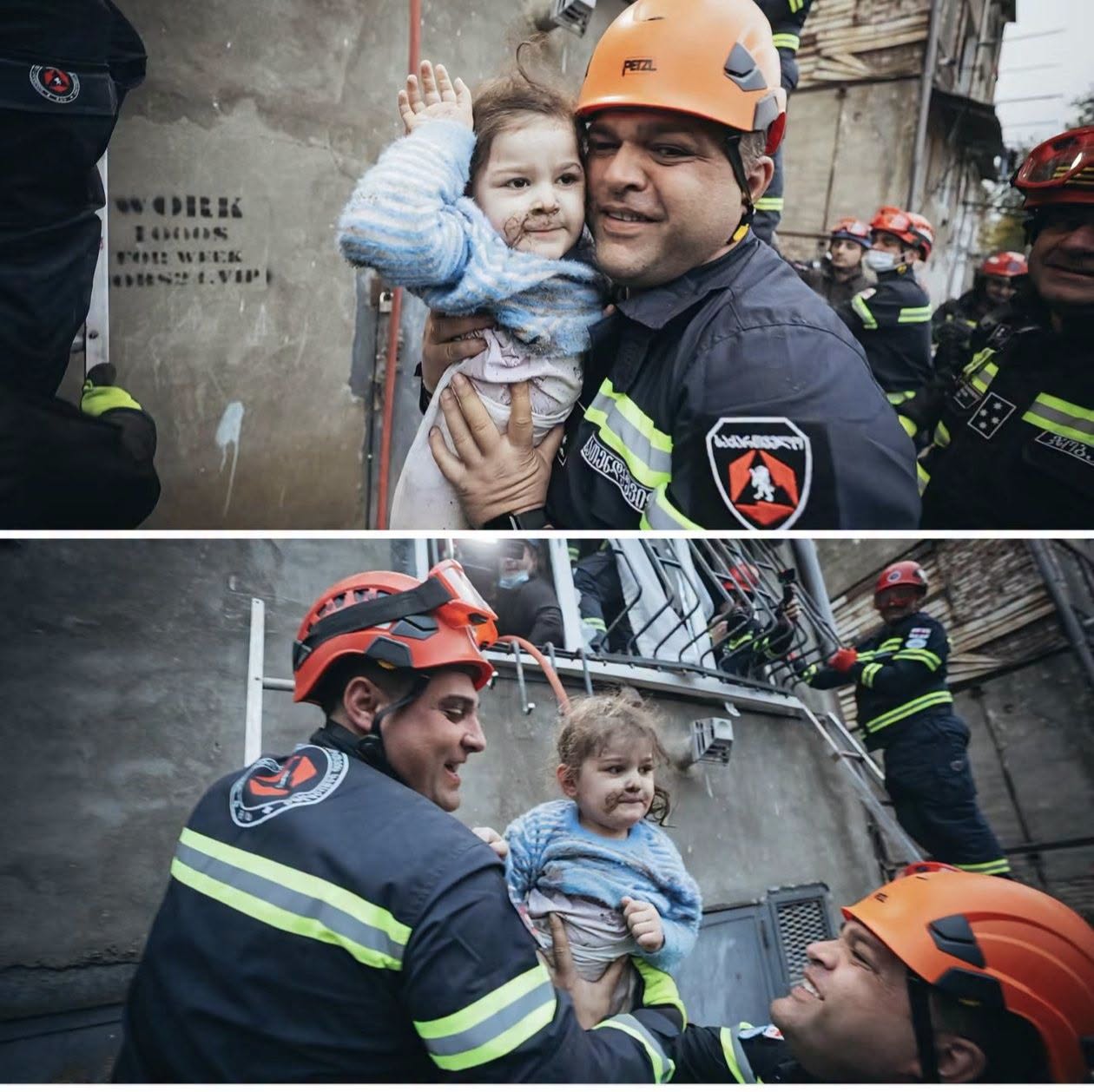
Three-year-old Taiya was the only person rescued alive from the devastating collapse. She spent eight hours trapped beneath the rubble.
Firefighter and rescue worker Gaga Gigashvili describes the operation to save her:
“There were what amounted to three floors of debris on top of her – concrete slabs, blocks and wooden materials. When we reached her, only one leg was visible. When we touched it, she moved her leg slightly. Then we managed to reach her hand. She was holding a toy, as well as a hair clip, which she had kept clenched in her fist for all eight hours. When we opened her hand and took the clip, we held her hand and asked her to squeeze ours if she could hear us. When she squeezed our hand, we realised she was conscious and responding to us.”
The footage of the girl’s rescue is deeply moving. She is wearing a blue sweater covered in dirt and white tights. Her face is also smeared with soil and concrete dust. Rescuers carry her out of the rubble in their arms.
“Bless you, my dear,” one of the rescuers can be heard saying. It is Gaga Gigashvili. His face is contorted with emotion and exhaustion.
Gaga hands the little girl to another rescuer, who holds her close and runs towards the ambulance.
A huge crowd has gathered outside the building. People greet Taiya’s emergence with applause and tears. Her rescue gives those gathered hope that the other six people might also be found alive.
By this point, it is already known that Taiya’s mother and her seven-year-old sister are among those trapped beneath the rubble.
11-year-old Andria sustained serious injuries
Eleven-year-old Andria remains in hospital. He was admitted together with his mother, a 38-year-old woman.
According to Gia Bibilashvili, a doctor at Ingorokva Clinic, the boy was brought to hospital with more serious injuries than his mother.
Andria sustained focal brain injuries, several areas of bruising, a lung contusion, skull bone injuries, damage to his outer ear, and multiple injuries to his skin and soft tissues. He also required plastic surgery to repair the damage to his ear.
His condition is now relatively stable. Doctors plan to transfer him from intensive care to a regular hospital ward soon.
Andria’s mother suffered a concussion. She was discharged from hospital shortly afterwards.
31-year-old Ilia Isaev – the man whose apartment was the site of the explosion
The most seriously injured of all the survivors is 31-year-old Ilia Isaev. He was admitted to hospital with burns covering 87% of his body. According to doctors at the burns centre, his respiratory tract was also damaged.
Ilia was initially conscious. Before being taken to hospital, he managed to describe how the explosion happened.
He did not live in the apartment permanently. He had returned to Tbilisi from Batumi just one day before the incident. According to his account, he had tried to switch on the gas heater during the night but was unable to do so.
In the morning, he tried again. A powerful explosion followed. The blast wave threw Ilia out of the apartment.
He is now in hospital in extremely serious condition and is on a ventilator. Doctors continue to describe his condition as critical.
Who were the victims of the Fonichala explosion?
Six people died in the explosion: two young mothers and their young daughters, a 54-year-old woman and a 28-year-old man.
Nino Chelidze and her seven-year-old daughter Nutsa
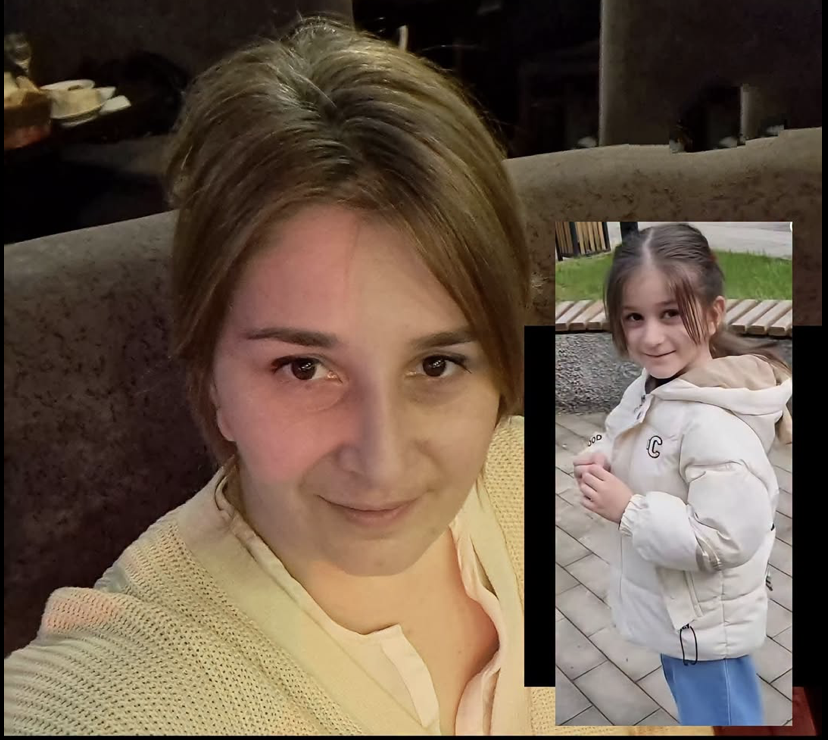
Nino Chelidze was the mother of three-year-old Taiya. She was raising five children and worked at a clothing store.
At the time of the explosion, Nino was at home with two of her children — three-year-old Taiya and seven-year-old Nutsa. Her husband had taken their other three children to school shortly before the blast.
Nino’s body was found shortly after rescuers managed to pull Taiya out of the rubble. Nutsa was found much later, after hours of searching.
“Nino and her husband were raising five wonderful children. They were very happy – cheerful, good people. And suddenly, everything came crashing down on them. I have no words. When Taiya was found, I truly hoped the others would also be found alive, but unfortunately, that did not happen,” a family friend, still shaken by the tragedy, says.
Veriko Vanishvili and first-grader Ariana

Veriko Vanishvili lived on the second floor of the apartment building in Fonichala with her six-year-old daughter, Ariana Ristich. Both mother and daughter were at home that morning.
Veriko worked as the head of marketing at Grand Bellagio casino.
“Her smile, sincerity and dedication to her work will remain with our team forever,” the casino wrote in a Facebook post.
Ariana is remembered by staff at Tbilisi Kindergarten No. 58 and by her classmates.
“You will forever remain a tremendous pain, an irreplaceable loss, an emptiness and an unhealed wound for us, our bright, lively, warm and sweet girl,” kindergarten staff wrote.
“Ariana, you were and will always remain a little part of our school. It is difficult to come to terms with the fact that your childhood smile will no longer light up the classroom,” the administration of Helios private school wrote.
Lali Shishmanashvili — “the mother of the twins”

Lali Shishmanashvili, 54, lived on the first floor. Her twin daughters were also at home when the explosion occurred.
According to neighbours, when the building began to collapse, Lali managed to shout to her daughters to jump out of the window. This helped save their lives.
“The mother managed to shout: ‘Jump!’” one neighbour recalls. The neighbours called Lali “the mother of the twins”.
According to the neighbour, Lali was calling for help and pleading to be rescued. She said she was afraid of the dark.
“Her bedroom door was blocked by concrete slabs, and a slab had also collapsed inside the room. There was nothing anyone could do to help her. I kept telling her: ‘The rescuers are already here. They will get you out soon,’” the neighbour recalls.
Lali was a philologist and also tutored students at home.
“She was a mother who lived for her children. She did everything she could to give them a good life,” recalls a friend of Lali. She spent the entire night outside the building, hoping her friend would be rescued.
Jaba Sakevarashvili — a 28-year-old courier
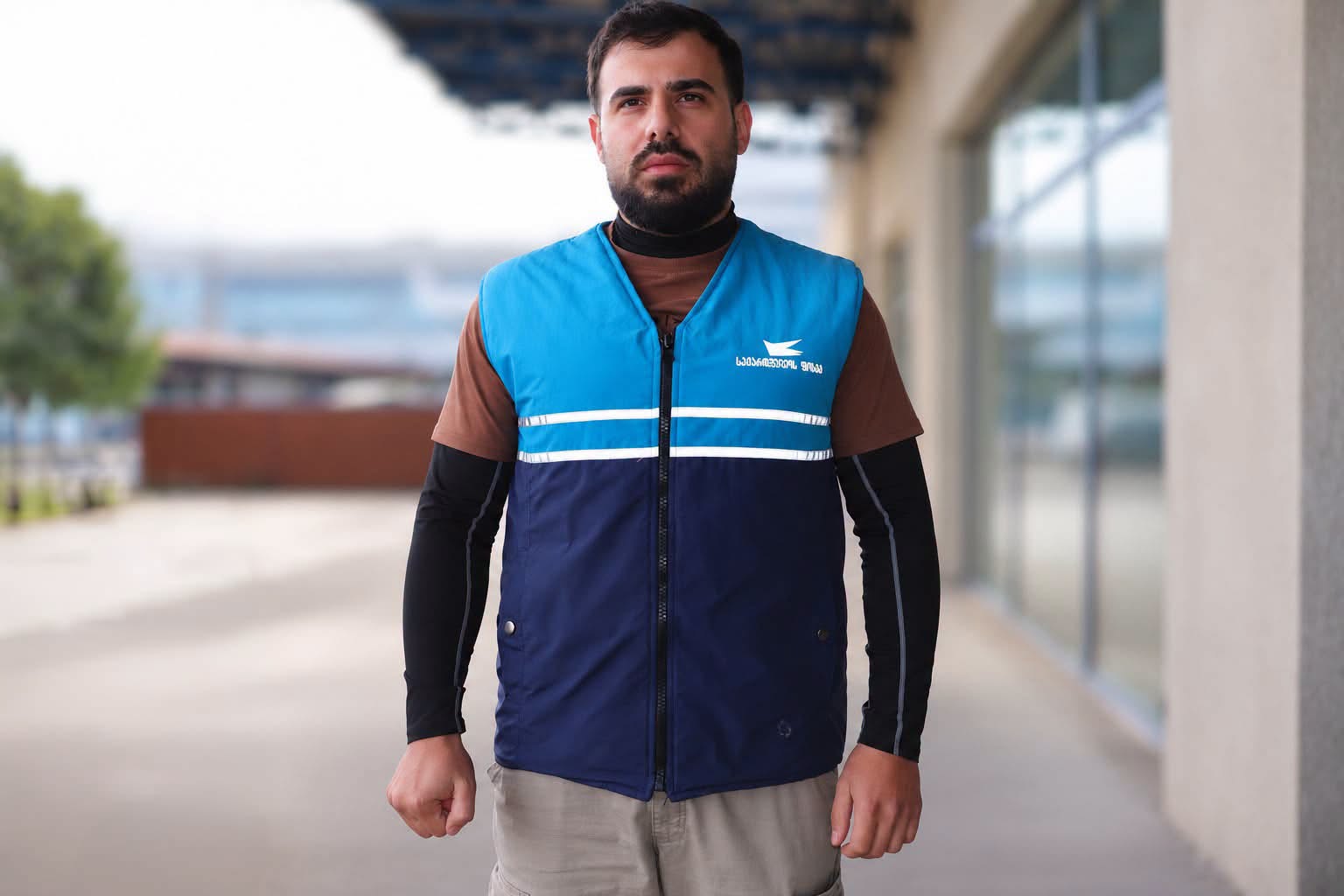
Another victim of the Fonichala explosion was 28-year-old Jaba Sakevarashvili. He worked as a courier for Georgian Post.
His colleagues remember him as a responsible, hardworking employee who was dedicated to his job.
According to someone close to Jaba, the young man had only recently moved into the apartment.
28 families left homeless, while 62 remain in the same building
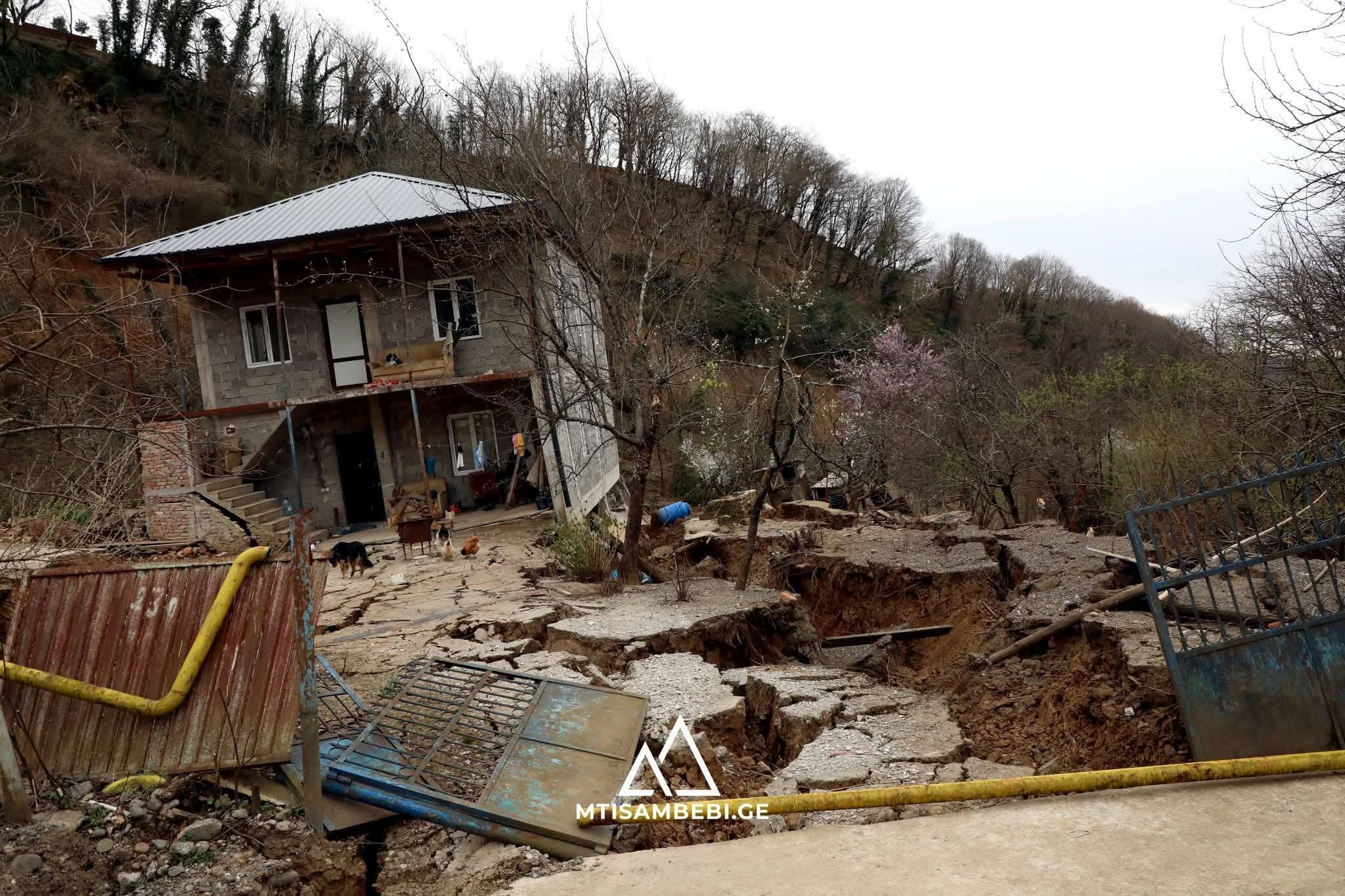
The building where the explosion occurred is a multi-apartment residential block with six entrances. According to Tbilisi City Hall, 90 families lived in the building. All residents were evacuated immediately after the explosion.
Initially, Tbilisi City Hall said it was ready to accommodate all evacuated residents in hotels. On the same day, a municipal service inspected the building. Following the inspection, Tbilisi Mayor Kakha Kaladze said that only two entrances were affected – the one where the explosion occurred and the adjacent one. The remaining four entrances were considered safe for residents to return to.
The 28 families who lived in the two collapsed entrances – a total of 143 people – are currently staying in hotels.
According to the mayor, the municipality will offer these families a housing replacement programme. Until new apartments are built for them, they will be accommodated in rented housing, with the rent covered by the city.
Late in the evening on November 20, the ruling Georgian Dream party released a condolence letter from Bidzina and Eka Ivanishvili. The letter stated that the Ivanishvilis would purchase apartments for the 28 families left homeless.
The announcement followed an earlier statement by the Tbilisi mayor. It is not yet known where the Ivanishvilis will purchase the apartments, when the families will receive their new homes, or how the assistance will be distributed. It has also not been clarified how this initiative will be coordinated with the housing replacement programme proposed by the municipality.
According to Tbilisi City Hall, residents of the building’s four surviving entrances will also be offered the opportunity to participate in the housing replacement programme. These are the 62 families who are still living in the building.
Could the tragedy have been prevented? The investigation must establish the facts
Georgy Lefsv eridze, deputy technical director of the gas distribution company Tbilisi Energy, said that the apartment where the explosion occurred was listed in the company’s database as disconnected from the gas supply.
According to him, no gas consumption had been recorded at the address from December 2025 until the day of the explosion, and the subscriber had received zero-balance bills every month. The company also said it had received no reports of a smell of gas from this address over the previous two years.
Lefsv eridze said that scheduled inspections of the building had been carried out in January 2025 and January 2026. However, in January 2026, company employees were unable to enter the apartment where the explosion later occurred. With the help of neighbours, they contacted the owner, who said he was outside Tbilisi and would allow the inspection once he returned.
The investigation must establish what exactly caused the explosion and who bears responsibility for what happened.
A criminal investigation has been launched under Article 240 of Georgia’s Criminal Code, which concerns violations of safety regulations during construction work.
In parallel, the Energy Ombudsman’s Office has also launched its own examination of the incident. On the day of the tragedy, the office requested relevant information from Tbilisi Energy.
One-off incident or systemic problem? Tbilisi has seen similar tragedies before
The explosion in Fonichala is not the first incident of its kind. Gas explosions have occurred periodically in Tbilisi for years. Some have claimed lives, while others have caused such extensive damage that dozens of families have been temporarily left homeless.
In 2019, the organisation FactCheck published statistics based on data from the gas distribution company KazTransGaz.
“According to KazTransGaz data, between 2016 and the first quarter of 2019, 101 people died and another 285 were poisoned in Tbilisi as a result of explosions caused by natural gas leaks and gas-related intoxication.”
Every such tragedy reignites the debate over responsibility: who is accountable for these incidents? Who should inspect the structural integrity of residential buildings and ensure that gas distribution networks are functioning properly and safely?
Now, new questions have emerged: what happens when gas company employees cannot gain access to an apartment? Does zero gas consumption mean that an apartment is safe? What mechanisms are in place when a property owner is away for an extended period and a technical inspection cannot be carried out?
Engineer and professor Temur Mikiashvili, speaking to Netgazeti, says that the absence of gas consumption does not guarantee safety. According to him, a meter may fail to register a small leak, while gas can gradually accumulate inside an unoccupied apartment.
He also points to the deterioration of plastic pipes and rubber hoses connected to gas appliances, which can cause leaks that go unnoticed.
According to the expert, gas detectors are an important preventive measure. These devices sound an alarm or send a notification when they detect a leak. Some models can also automatically shut off the gas supply.
Another problem in Tbilisi: ageing residential buildings
Faulty gas systems are not the only problem facing Tbilisi. The residential building in Fonichala collapsed so rapidly that the tragedy has once again raised questions about the lifespan and structural safety of residential buildings.
Tbilisi has numerous old and deteriorating apartment blocks. Many buildings constructed decades ago no longer meet modern safety standards.
Tbilisi City Hall has a dedicated programme and budget for addressing the problem of unsafe residential buildings.
According to data published by corruption researcher Irakli Abesadze, two main municipal budget programmes are being implemented in this area:
- Reinforcement of unsafe buildings – between 2018 and 2025, during Kakha Kaladze’s tenure as mayor, a total of GEL 87,742,800 was spent on the programme. A total of 269 buildings were fully or partially reinforced.
- Replacement of unsafe buildings – launched in 2022, the programme received a total of GEL 19,081,700 in funding between 2022 and 2025.
Abesadze compares the funding allocated to these programmes with sums allegedly misappropriated through suspected corruption schemes.
According to him, the GEL 41,105,298 allegedly embezzled from the Tbilisi metro carriage modernisation project alone would have been enough to increase funding for the building reinforcement programme by 50%.
Abesadze estimates that this additional funding could have enabled the reinforcement of around 100 more buildings. The same amount, he says, would also have made it possible to triple the budget of the unsafe building replacement programme.
Georgian Young Lawyers’ Association: The state’s responsibility does not end with launching an investigation
The Georgian Young Lawyers’ Association (GYLA) also points to the scale and systemic nature of the problems. According to the organisation, the state’s obligations do not end with launching an investigation. It is necessary to establish whether inspection requirements under the gas distribution network regulations are being properly enforced and what measures are taken when access to a consumer’s apartment cannot be secured.
GYLA refers to the regulations approved by Resolution No. 80 of the Georgian National Energy and Water Supply Regulatory Commission (GNERC), dated December 31, 2021. Under these rules, the system operator is required to regularly inspect the gas supply system within a consumer’s property. If violations are identified, the consumer must be notified in writing and appropriate measures must be taken.
This issue is particularly important in older residential buildings, where infrastructure installed decades ago, modified pipes, outdated heating appliances and inadequate ventilation systems remain in use.
Explosion in Fonichala