Children in cars without car seats: Why are child car seats unpopular in Armenia?


Why are child car seats unpopular in Armenia?
In Armenia, you can often see children travelling in cars without special child seats. They sit in the back or on their parents’ laps. Although traffic rules require parents to use child seats to transport children safely, few people follow this rule.
Under Armenia’s current traffic regulations, children under the age of seven must travel in a special child car seat. The seat must match the child’s height and weight.
Children aged seven to 12 should use special booster seats. Boosters are designed for children weighing 15–36 kg or 22–36 kg. They position the seat belt correctly across the child’s body. Boosters raise children so that the standard seat belt runs across their shoulders and hips, rather than their necks. However, children in this age group can also travel in the back seat without a child seat. In that case, they must wear the standard seat belt.
Children under 12 must never travel in the front passenger seat without a child seat or booster.
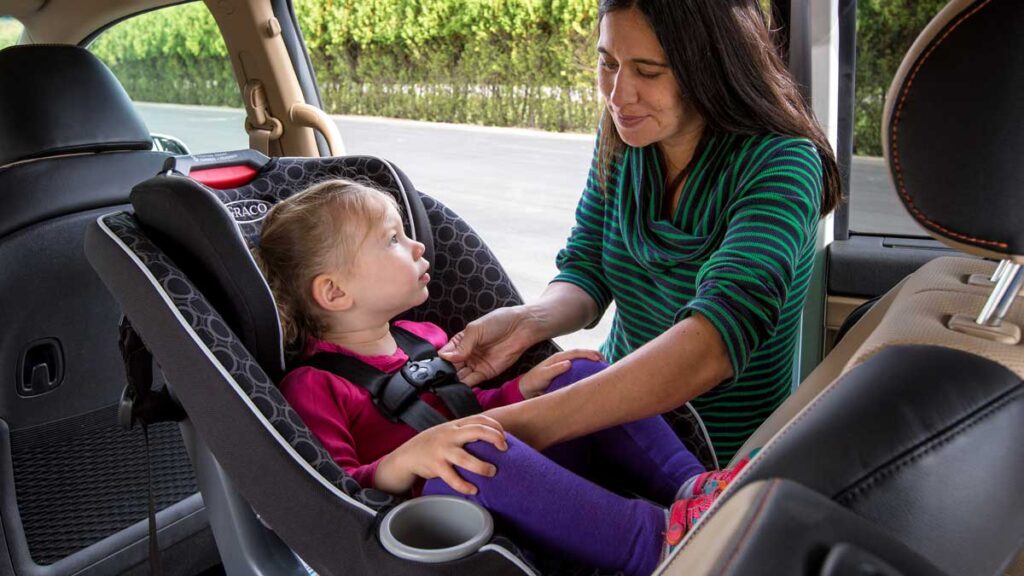
Experts warn that even a low-speed collision can have serious consequences for a child in a road accident.
A properly selected and installed car seat significantly reduces the risk of serious injury and death.
Why do parents in Armenia refuse to use child car seats? How effectively does the Patrol Service enforce the rules? What do official road accident figures tell us, including cases with tragic outcomes?
To answer these questions, a JAMnews journalist contacted the Ministry of Internal Affairs, examined official statistics and spoke to parents.
- Rise of electric cars in Armenia: What’s driving their popularity?
- Yerevan’s three oldest cars
- Armenia’s growing number of large families: Statistics, one couple’s story and expert insights
Child car seats often go unused, even when families have them in their cars
Stepan Grigoryan’s child is two years old. He bought a special child car seat, but the toddler often refuses to sit in it. He cries and struggles. His mother has to sit next to him to calm him down. When she cannot, the child cries and climbs onto her lap.
“If we first distract him with toys or something else, he sits in the car seat calmly. But if that doesn’t work, he starts crying until we pick him up. I understand how important it is for him to sit in a car seat, but on short trips he often sits on his mother’s lap,” Stepan explains.
He knows that accidents can happen even on short journeys. He also admits that the parents are at fault for giving in to their child’s demands.
Stepan drives frequently and has noticed that more children now travel in car seats. Even so, he believes that no more than 10% of parents follow the rules:
“In the mornings, I often see children aged 10 or 12 travelling with their parents in taxis or school buses. They don’t use child car seats or seat belts. The authorities either do very little to enforce the rules or do nothing at all.”
He believes that raising the fine from 5,000 drams [$13] to 20,000 drams [$55], a proposal now widely discussed on social media, will not solve the problem:
“That’s not enough to make drivers think twice. The fine should be higher. If drivers know they could face a 50,000-dram [$138] fine, get caught at least once a year or temporarily lose their driving licence, they will take greater care.
Let me tell you about my own experience. Patrol officers have stopped me for speeding and talking on the phone while driving. But they have never checked whether my child was sitting in a car seat or on his mother’s lap. Strict enforcement and hefty fines could help make life-saving child car seats the norm.”
He also proposes that the government provide free car seats to low-income and large families through a social programme, or organise donations:
“I’m sure many parents would gladly give their old car seats to families in need. They are durable and last a long time, but children outgrow them, so their parents no longer need them. Social workers could register vulnerable families and help them apply to local authorities or the government for a car seat.”
Child road deaths
The number of children killed in road accidents in Armenia remains alarming. In 2023, 13 children under the age of 12 died. The figure fell to 11 in 2024 and remained at 11 in 2025.
The authorities do not keep detailed statistics on deaths linked to the absence of child car seats. The Ministry of Internal Affairs does not track these cases separately. As a result, it is impossible to determine exactly how many children died because they were not using car seats.
How much do car seats cost in Armenia?
Prices for child car seats vary significantly depending on the manufacturer, model, the child’s age group and the seat’s technical specifications.
A review of local online shops shows that booster seats (boosters) cost up to 10,000 drams ($27).
Prices for standard child car seats start at 28,000–33,000 drams ($77–91). Some models cost 80,000 drams ($222) or more.
Second-hand seats are cheaper. You can find them for between 10,000 and 20,000 drams. However, when choosing a car seat, parents should consider more than just the price. They should also check whether it meets safety standards. The seat must match the child’s height and weight. Parents must also install it correctly in the car.
Enforcement steps up
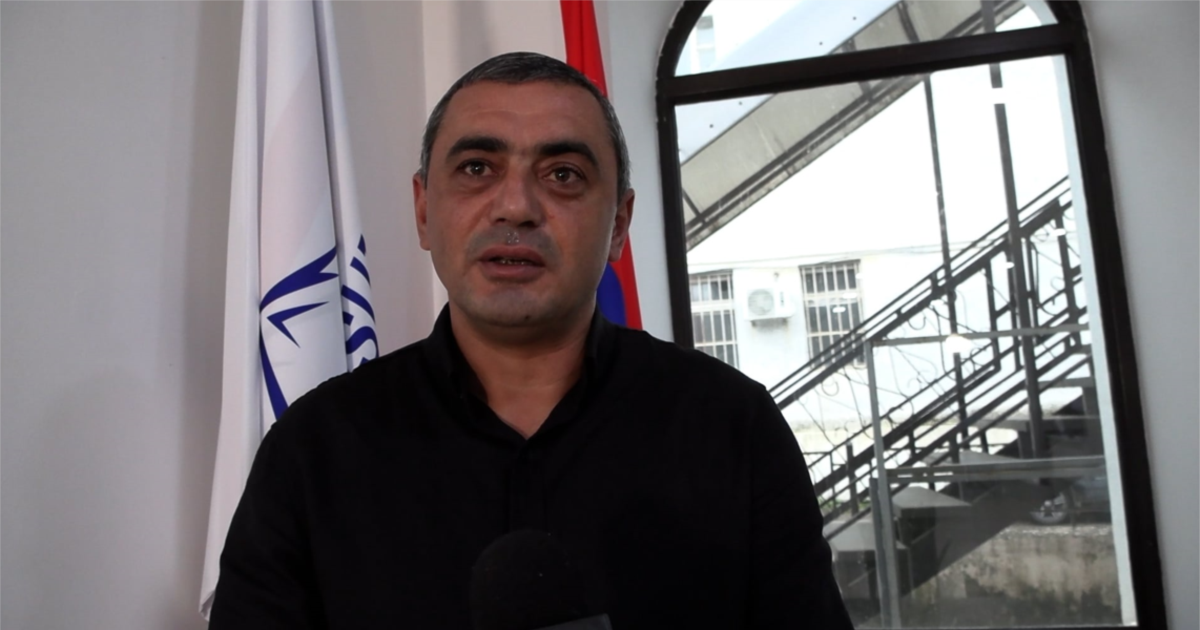
Narek Sargsyan, a spokesperson for the Minister of Internal Affairs, said a recent fatal accident had reignited public debate about child car seats. The crash killed both parents and one of their young children. Two other children suffered critical injuries.
He confirmed that the authorities plan to quadruple the fine for failing to follow child passenger safety rules. The current fine stands at 5,000 drams. The proposed legislative amendments would also add one penalty point to the driver’s record.
“The National Assembly will discuss this issue. Lawmakers may also revise the fine or introduce other regulations. The problem remains a priority. Statistics on administrative offences over recent years show that enforcement has gradually increased,” Sargsyan said.
He presented figures covering 2024–2026. Authorities recorded 3,773 violations involving the transport of children without appropriate safety equipment in 2024. The figure rose to 9,067 in 2025 and reached 10,844 in the first nine months of 2026.
“We welcome the public debate that has started around this issue. It encourages the authorities to step up enforcement and consider additional regulations,” Sargsyan said.
Why are child car seats unpopular in Armenia?