Have people in Georgia become more cautious about what they say on social media? Street survey in Tbilisi (video)


Street survey on social media in Georgia
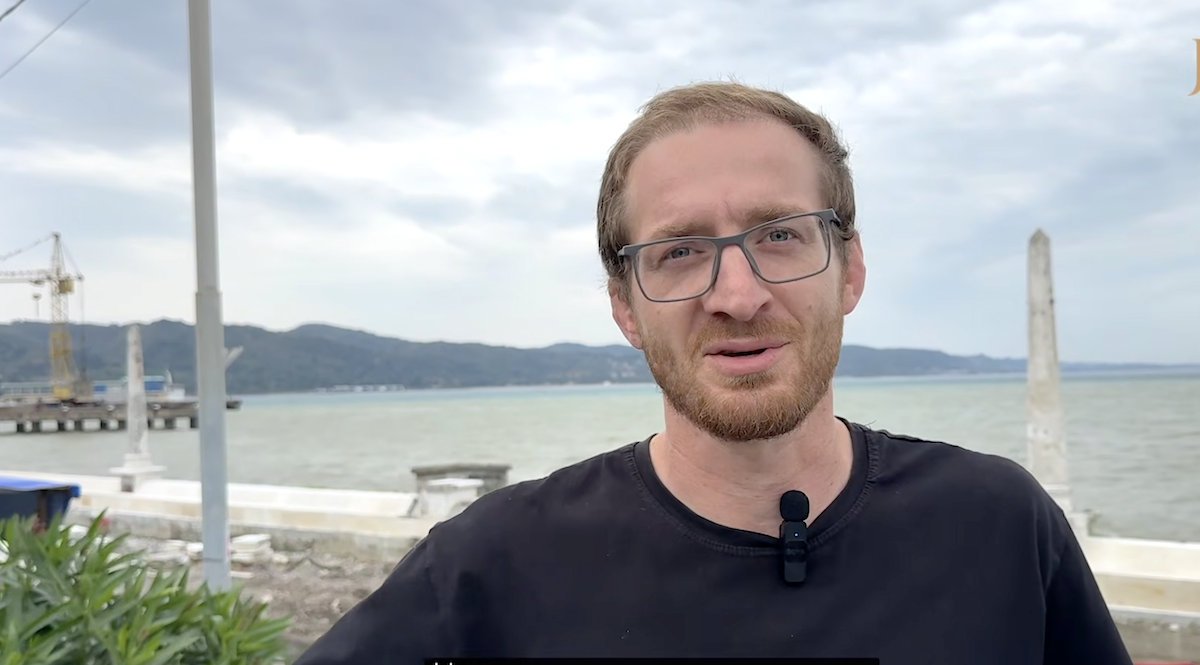
We asked people walking the streets of Tbilisi whether they or those close to them had recently become more cautious than before about expressing their opinions on social media.
Background
On 1 June 2024, a unit tasked with combating “hate speech” was established in Georgia. It monitors people’s statements in the public sphere. According to the Georgian Dream party, the unit aims to reduce hate speech and online campaigns involving insults.
Since the unit began its work, authorities have launched numerous administrative proceedings based on social media posts, affecting hundreds of people. Most received fines ranging from 1,500 to 6,000 lari, and some were fined more than once.

The law also provides for administrative detention, although courts generally try to avoid imposing it.
To date, authorities have used this measure only a handful of times – twice against the same person, journalist Vakho Sanaia. He is currently in detention. A court first sentenced him to 14 days in detention and later handed him a 30-day sentence.
Lawyers have described the initiative as an attempt to restrict freedom of expression and legalise censorship. Meanwhile, social media users have nicknamed the unit the “scrolling and screenshot department”, reflecting the nature of its work.
What did people in the survey say?
Respondents were almost evenly divided over whether these restrictions had affected them. Half said the fear was tangible, whether or not people felt ready to admit it openly.
The other half insisted that this repressive measure had made no difference to them or their social circles.
Here are some notable responses:
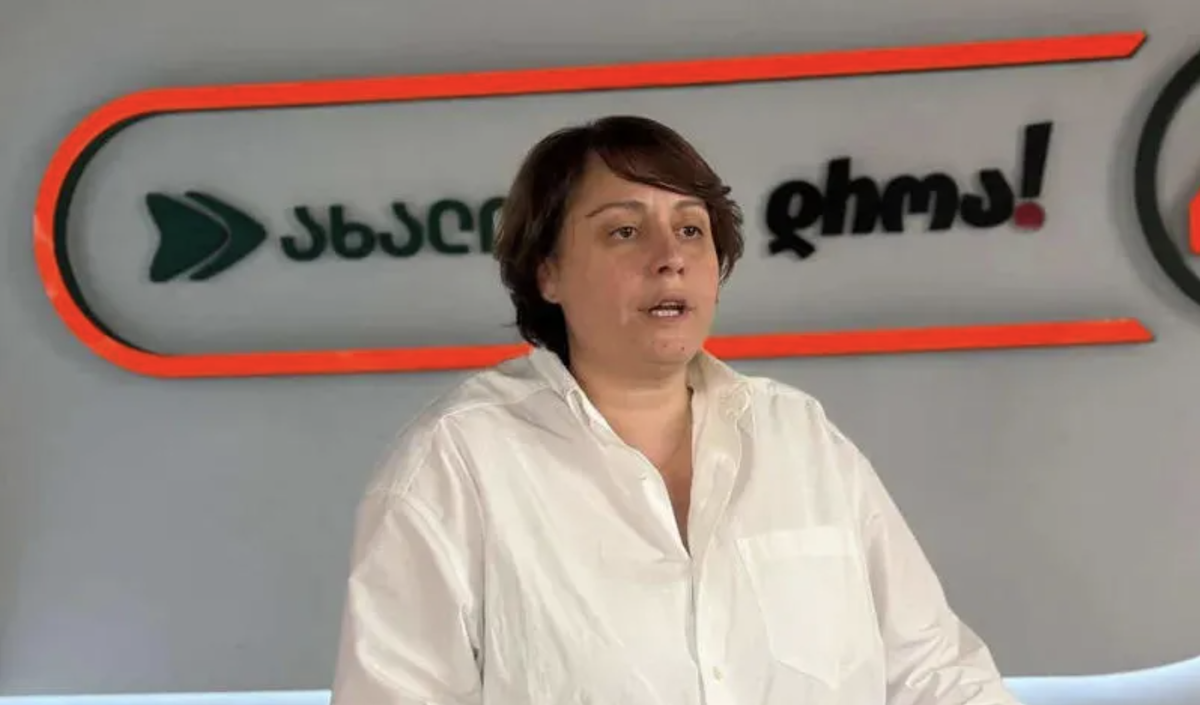
* “Lately, I’ve been weighing my words carefully. It’s not exactly conformism, but at some point – I see it among my acquaintances, and I notice it in myself too – a thought creeps in: ‘Maybe I’ll wait a little; perhaps all this will somehow blow over.’ There is fear involved! Perhaps people have simply become frightened. Do you see what I mean? And yet there is a certain line: once you cross it, there’s no going back.” This was the view of writer Aleko Shugladze, whom we met on the streets of Tbilisi while conducting the survey.
* “Personally, I don’t restrict myself at all. I don’t even try to edit the opinions I want to post in any way. Because if we start worrying today that saying something could get us into trouble, tomorrow even the thought of expressing an opinion could become punishable.”
* “In a way, it does affect people. Knowing that restrictions, fines and the risk of arrest exist has an impact. I’ve always been afraid. Of course, you also start having doubts – you wonder what might happen next and what the consequences could be.”
We also met people who knew nothing about the new unit. As often happens, many avoided the camera and declined to take part in the survey.
Others told us they had never really used social media much.
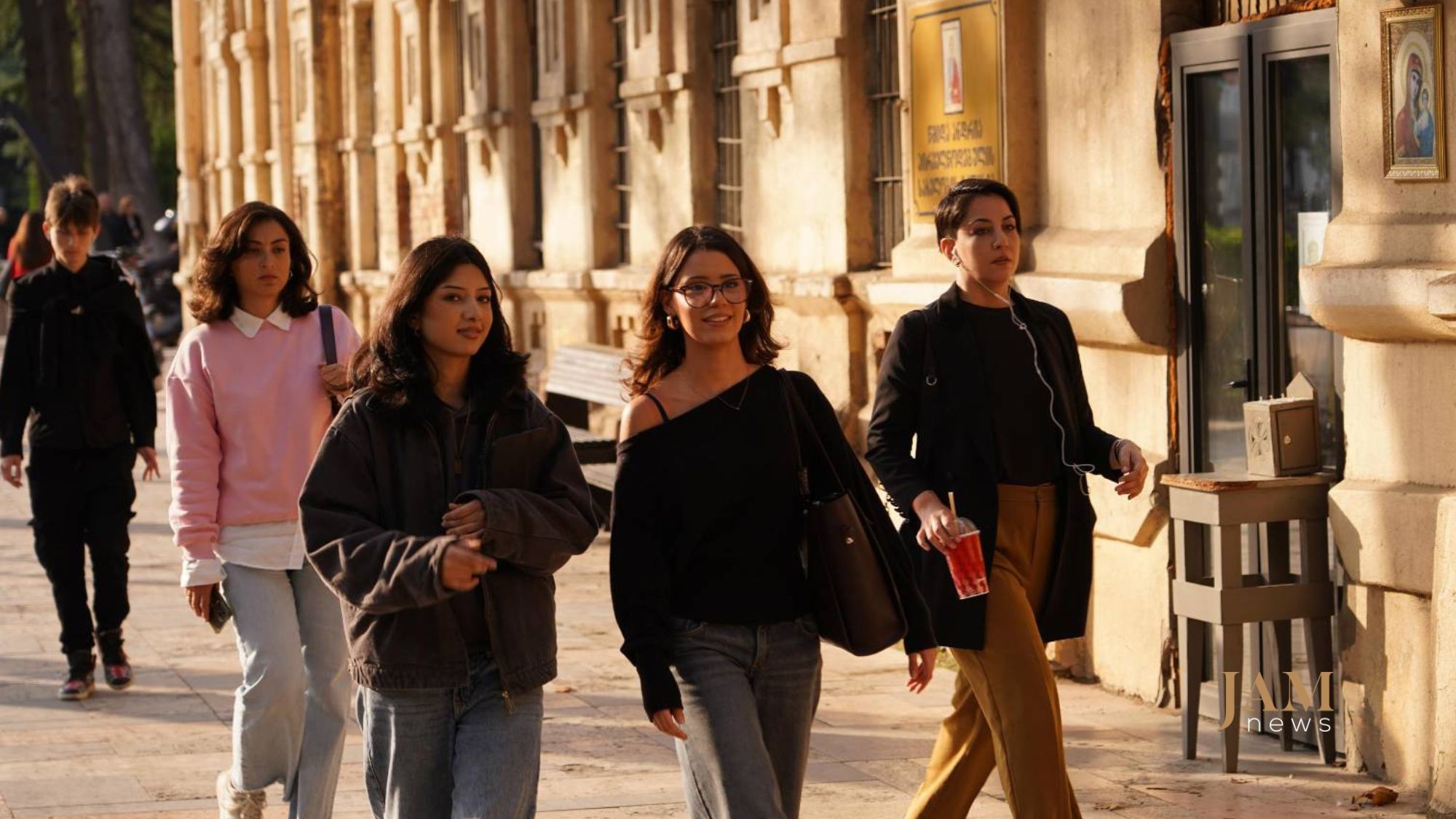
Street survey on social media in Georgia