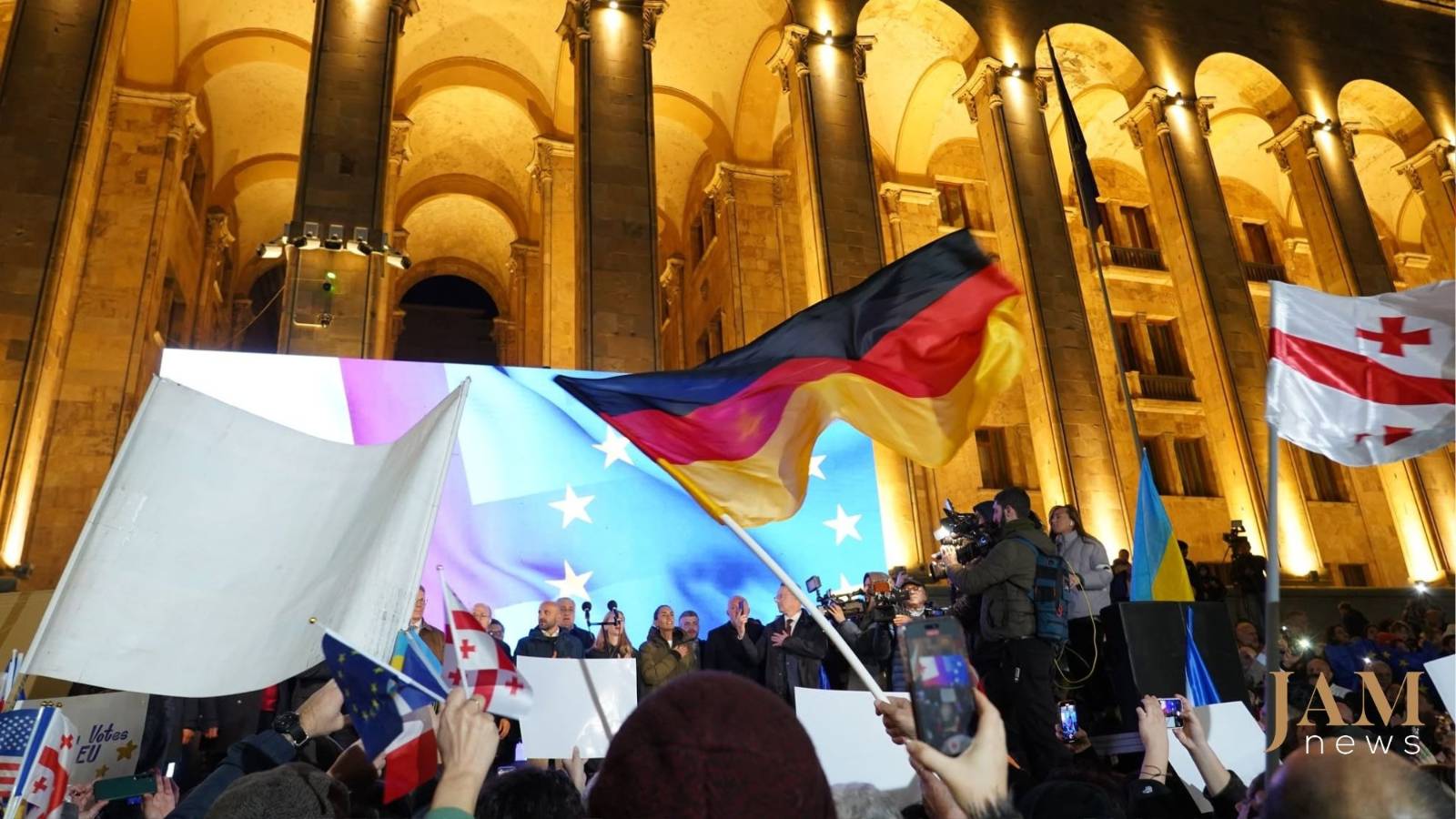
Should the state have the right to ban political parties? Tbilisi residents answered reporters’ questions.
Context
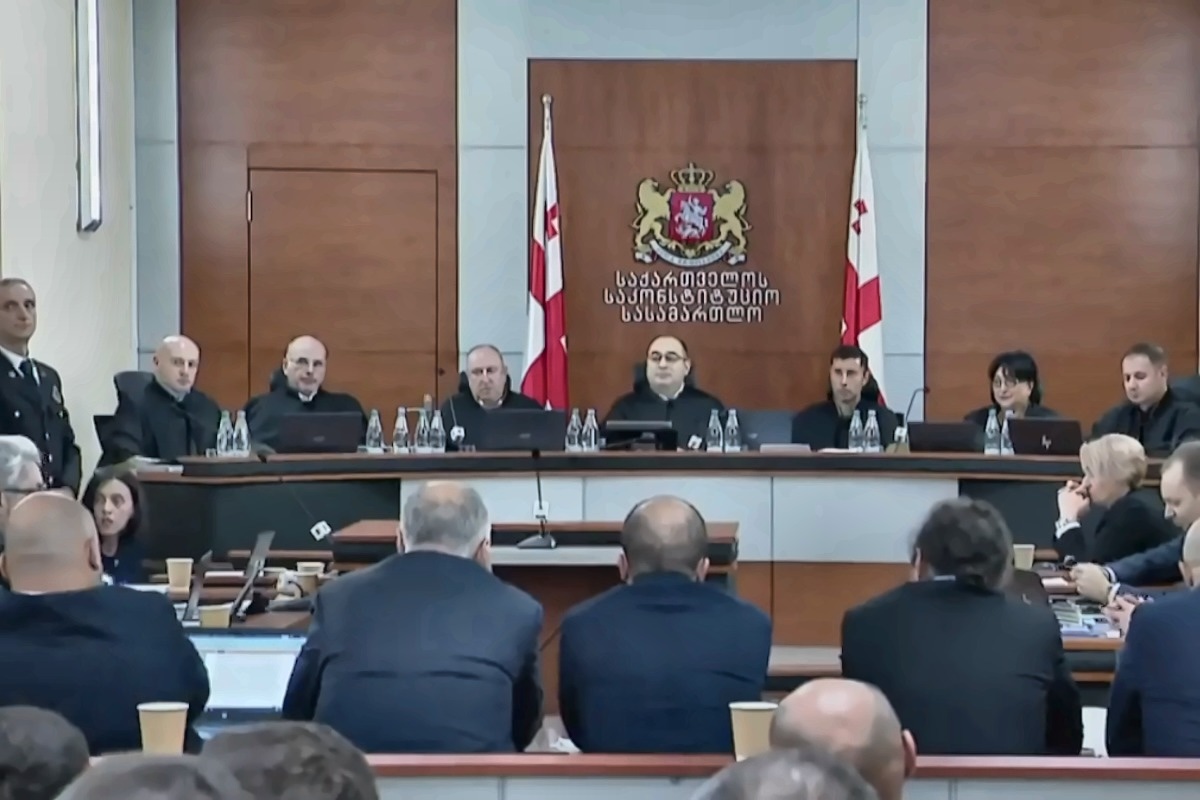
The Constitutional Court of Georgia began examining a lawsuit filed by the ruling Georgian Dream party on 21 October, seeking to ban five opposition parties.
The lawsuit was signed by 88 Georgian Dream MPs, who claim that the parties violated Article 23 of the Constitution, which prohibits the establishment and activities of political parties aiming to overthrow or forcibly change the country’s constitutional order.
The proposed ban on opposition parties is no ordinary constitutional case. The court’s ruling could determine what kind of country Georgia ultimately becomes. The case has therefore attracted widespread attention.
Most Tbilisi residents interviewed by reporters said that banning political parties was unacceptable in a country that claims to be a democracy. They stressed the importance of a multiparty system and people’s right to choose.
Many said the current developments reminded them of a slide towards dictatorship, drawing comparisons with Russia, North Korea and even the Soviet Union.
One respondent echoed claims made on Georgian pro-government propaganda channels that the opposition had attempted to set fire to parliament and stage a coup, and should therefore be banned.
Another respondent said that banning political parties could be open to discussion, but only if the process was fair and transparent.
Many passers-by declined to comment and tried to avoid appearing on camera. This was hardly surprising, given that people approached on the street generally tend to avoid politically sensitive questions.