Council of Europe chief: Ban on opposition parties in Georgia could be challenged in Strasbourg court


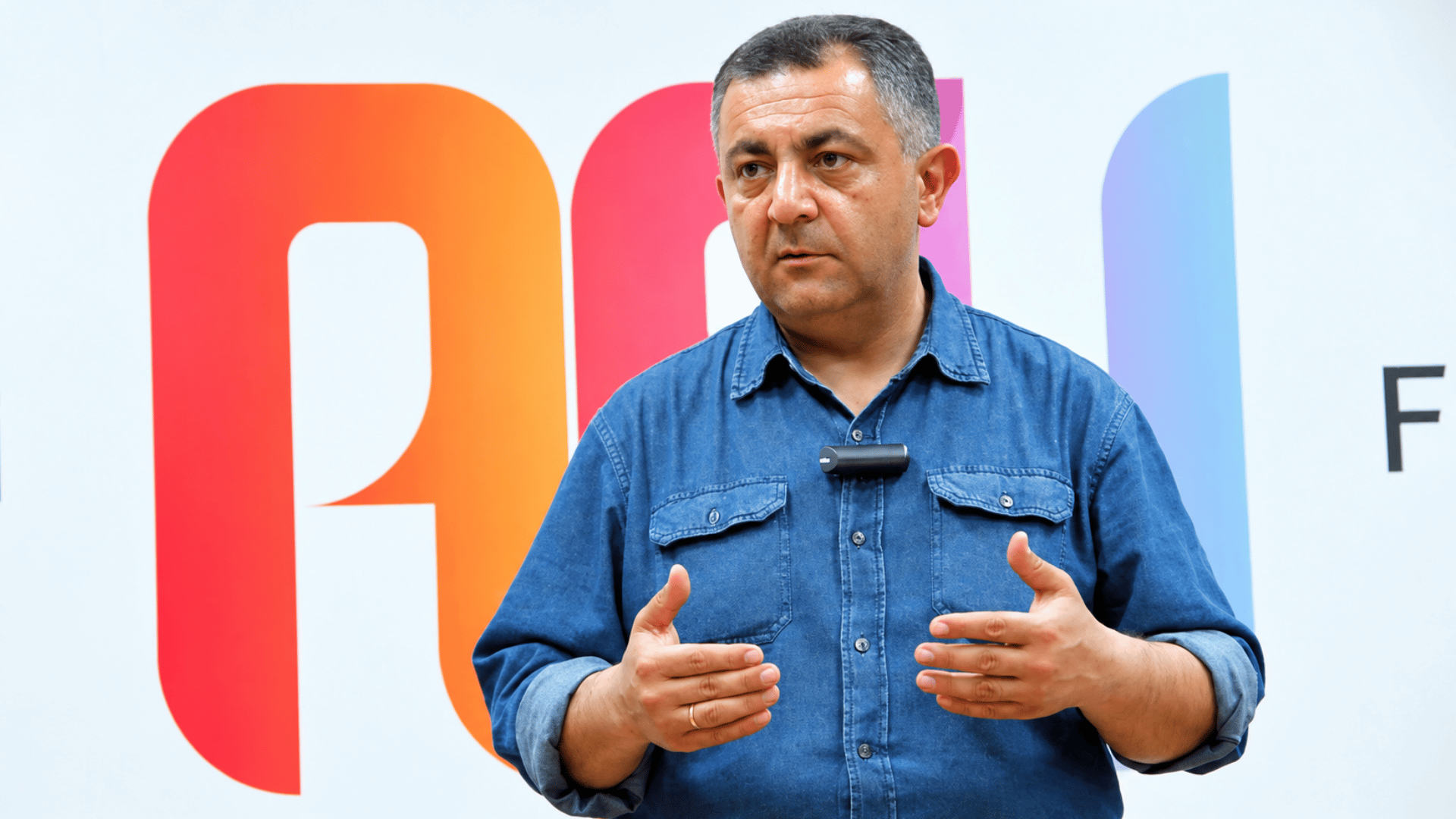
Council of Europe Secretary General Alain Berset has said that legal issues surrounding the initiative to ban opposition parties in Georgia could come before the European Court of Human Rights.
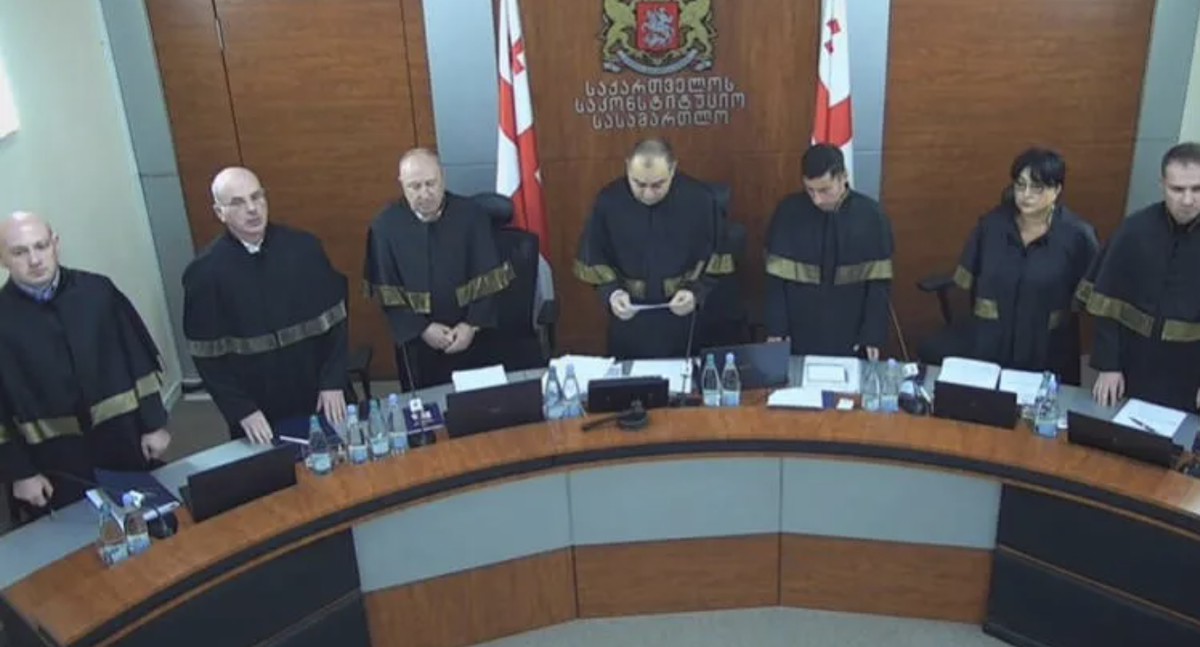
On 21 October, Georgia’s Constitutional Court began hearing a case brought by the ruling Georgian Dream party seeking to ban five opposition groups: Unity – National Movement, Coalition for Change, Lelo – Strong Georgia, Gakharia for Georgia and the Federalists.
The lawsuit alleges that these parties violated Article 23 of the Constitution, which prohibits parties whose aim is to overthrow or forcibly change the country’s constitutional order. One of the arguments is that the parties refuse to recognise the legitimacy of the current authorities. The lawsuit also accuses them of organising attempts to overthrow the government. All five parties deny the allegations.
Hearings are scheduled to continue until 30 October. The court must deliver its final ruling by 24 June 2027. A simple majority is required to uphold the claim, meaning four of the seven judges must vote in favour.
Berset made the statement at a meeting of the Congress of Local and Regional Authorities of the Council of Europe in Strasbourg on 27 October.
He described the deterioration of democratic processes in Georgia as alarming and urged the authorities to protect political pluralism.
Berset commented on Georgia’s political situation after Nadine Pittfield, a British politician and head of Derby City Council, asked about developments in the country and the Constitutional Court case seeking to ban five pro-Western opposition parties.
- Proposed ban on five opposition parties in Georgia: what’s happening and why
- Opinion: If Georgia’s Constitutional Court bans opposition parties, Russia will use it against Georgia
- Should state have right to ban political parties? Tbilisi street poll – Video
Berset said the deterioration of democratic processes in Georgia, new laws restricting civic space and pressure on the opposition were causes for serious concern.
“All of this undermines political pluralism and the country’s commitments as a member of the Council of Europe,” Berset said.
He noted that Council of Europe member states must respect the European Convention on Human Rights and the case law of the European Court of Human Rights.
Berset stressed that any decision to ban a political party must have a strong legal basis and strictly comply with the principles of necessity and proportionality.
He said he would refrain from predicting the outcome of the ongoing constitutional dispute in Georgia, but did not rule out the possibility that important legal aspects of the case could eventually come before the Strasbourg court.
He urged Georgia’s ruling majority to protect political pluralism and stressed that his statement was not intended to influence the Constitutional Court’s decision.
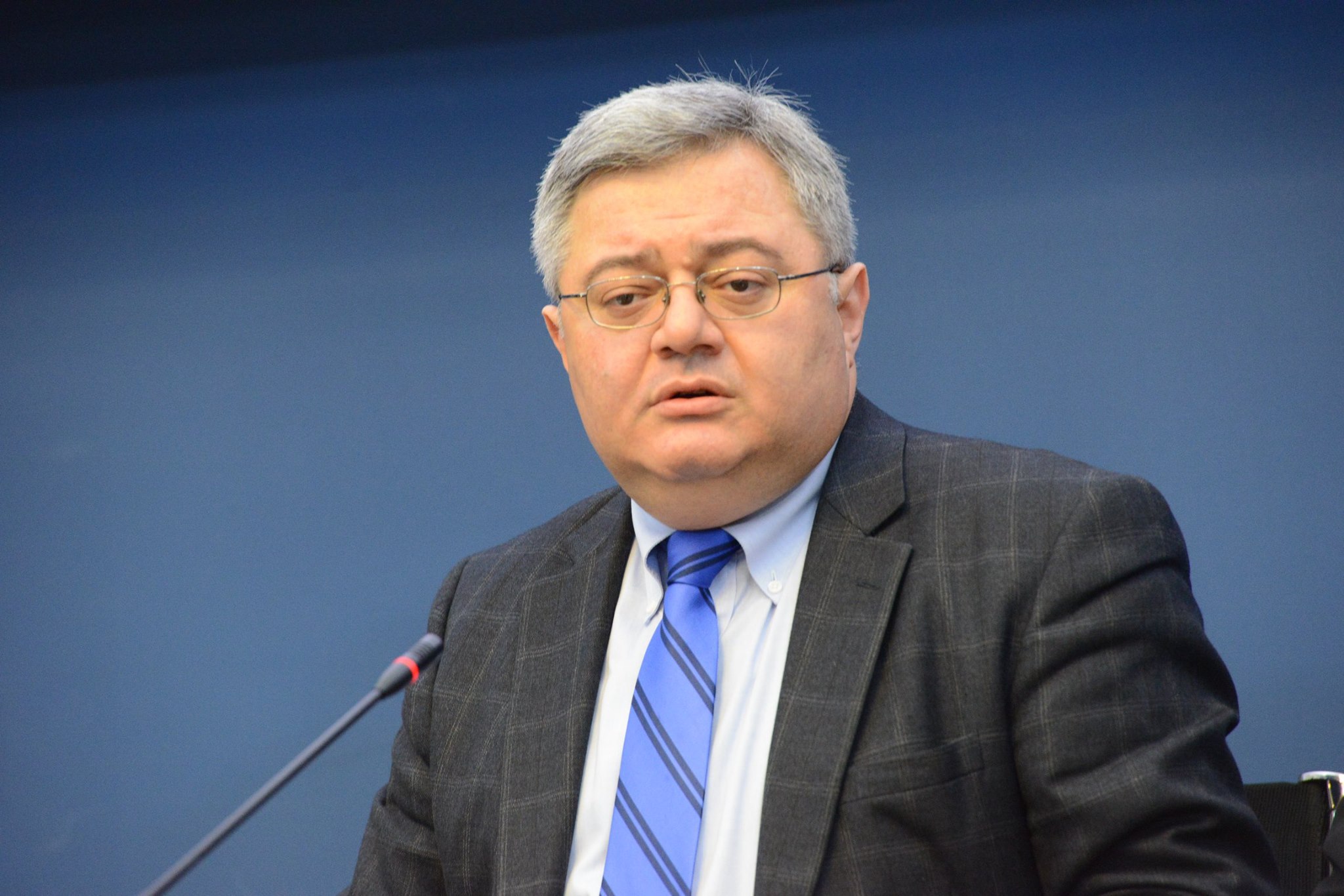
The Secretary General noted that he had always sought to take an active role in the work of the Council of Europe delegation in Georgia and maintain close contact with the authorities.
“In September, during a meeting with Prime Minister Kobakhidze in New York, I discussed the decline of democratic processes in Georgia and stressed the importance of honouring the country’s commitments. I would also like to mention the Venice Commission’s recent recommendations on restrictive legislation in Georgia.
“The situation is quite difficult at the moment. Membership of the Council of Europe means more than joining a club of countries. It entails accepting high-level commitments based on the European Convention on Human Rights, as well as an obligation to comply with court rulings,” Alain Berset said.
He noted that he regularly meets representatives of the Georgian government because Georgia is one of the Council of Europe’s 46 member states.
Alain Berset on Georgia’s opposition ban