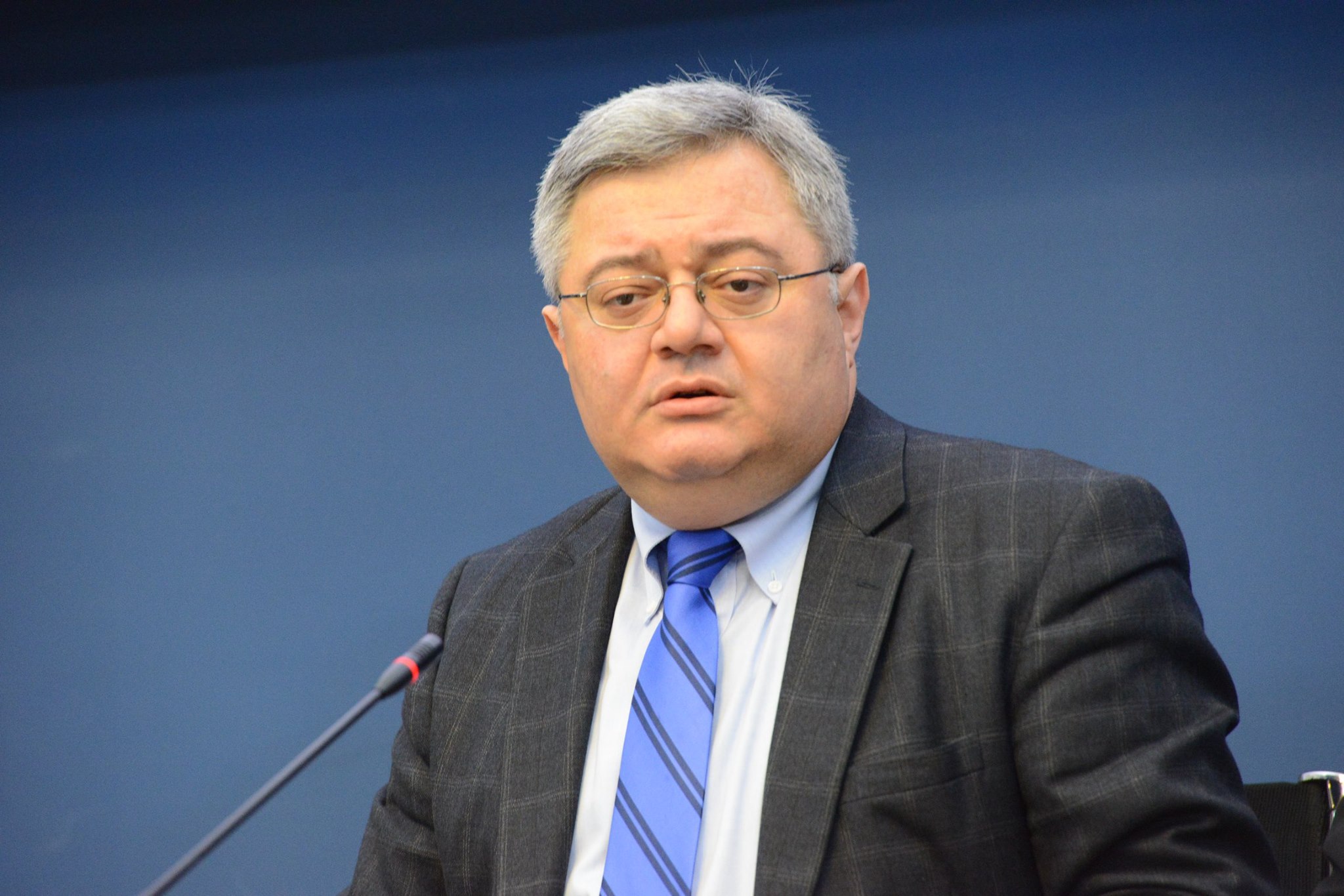
‘We want to help Armenia find markets beyond Russia’, says Dutch foreign minister


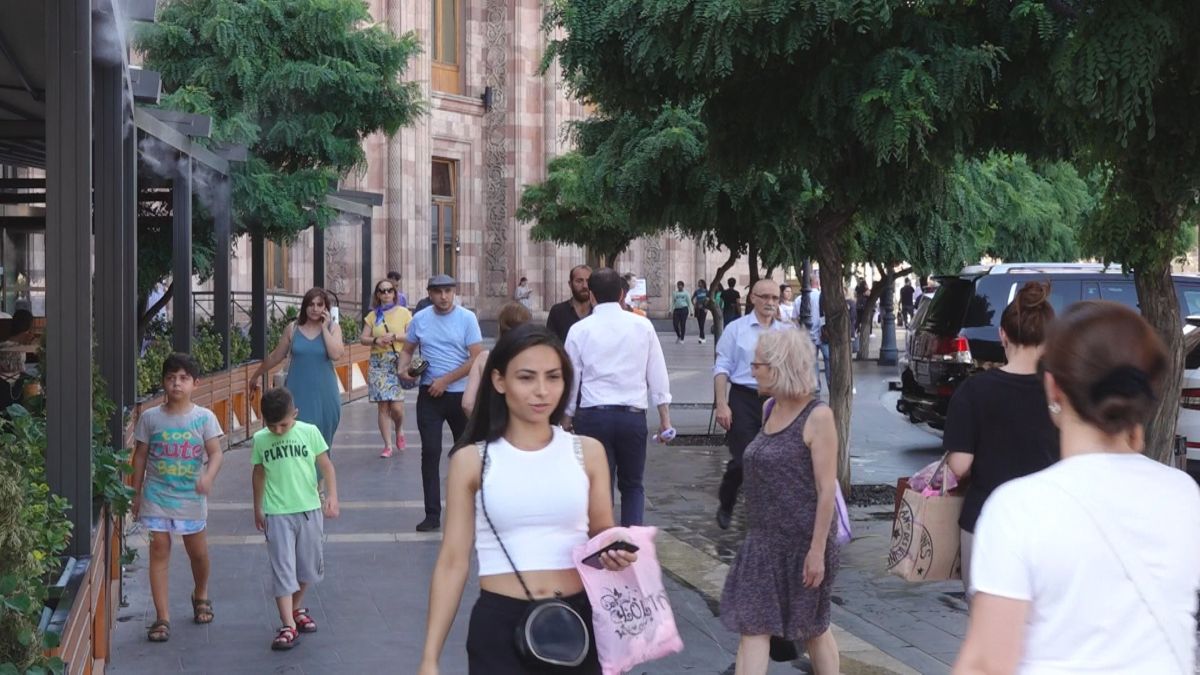
The Netherlands to support Armenian entrepreneurs
“The Netherlands wants to help Armenian businesses, including flower growers, find alternative markets for their products outside Russia,” Dutch Foreign Minister Tom Berendsen said in Yerevan.
At a joint news conference with his Armenian counterpart, Ararat Mirzoyan, he stressed that Russia’s economic restrictions were creating difficulties for Armenian businesses, particularly in the flower-growing sector.
“We welcome the opportunities that the EU’s autonomous trade measures offer Armenia. We hope Armenia will make full use of this opportunity. The Netherlands will continue to support efforts to diversify Armenia’s economy,” he said.
On 24 September, the Council of the EU gave final approval to a regulation introducing autonomous trade measures for Armenian goods. The regulation removes import duties on around 80% of Armenia’s exports to the EU. The preferential trade regime will remain in force for two years.
- Russian-led EAEU bloc warns Armenia of possible ‘serious blows’ to its economy
- How Armenia is reacting to export restrictions on Russia: farmers’ views and official statistics
- Preferential regime for Armenian exports to EU in response to Russian restrictions
Dutch foreign minister offers help in finding missing persons
The Dutch foreign minister welcomed the steps Armenia and Azerbaijan have taken over the past year as part of the peace process.
“For peace to take hold in this region, it is crucial that the process culminates in the signing of a peace agreement. We fully support you,” he stressed.
Berendsen announces initiative for both Armenia and Azerbaijan
The initiative will provide funding to help establish the fate of people missing on both sides.
“It is vital to build bridges of trust and make this an integral part of the peace process. The Netherlands stands ready to provide financial support and, where possible, assistance in other forms.”
Armenian Foreign Minister Ararat Mirzoyan thanked his Dutch counterpart for the initiative.
“The issue of missing persons is extremely sensitive and important for both Armenia and Azerbaijan. In my view, the involvement and contribution of third parties such as the Netherlands in this area will be welcomed by everyone.”
Asked by journalists about Armenian prisoners held in Baku, the Dutch foreign minister did not give a direct answer. He reiterated that his country supports the establishment of lasting peace between Armenia and Azerbaijan. He noted that the process would require the resolution of both “simple and difficult issues”.
‘There may be a political motive’: Armenian foreign minister on plans to expel Armenia from the EAEU
Journalists asked Armenia’s foreign minister for his views on a document recently prepared by the Eurasian Intergovernmental Council concerning the possible expulsion of Armenia from the Eurasian Economic Union (EAEU).
The document itself states that the charter of the Russian-led economic bloc contains no mechanism for terminating a country’s membership at the decision of the other members. This means that Armenia itself would have to decide to change its membership status.
However, the council’s experts, who prepared the document, cite the Vienna Convention to support their argument that Armenia’s membership could be suspended. The convention allows other states to terminate a country’s participation in a multilateral treaty if it commits a material breach.
“For such a scenario to become possible, a partner — the one whose actions the others are unhappy with and whom they want to expel or suspend — would have to breach its obligations within the organisation. The other four partners could then say: ‘You are breaking our rules, dear fifth friend. Thank you and goodbye.’ But Armenia has breached nothing and has no intention of doing so,” Ararat Mirzoyan explained, commenting on the convention’s provisions.
He stressed that Armenia had fulfilled its commitments in good faith and expected its EAEU partners to do the same.
The minister believes Armenia’s EAEU partners have tried to find legal grounds for expelling the country, but he rejects their arguments.
“We all understand that there is a political motive here, possibly even a political instruction to lawyers to find a legal justification for a political decision.”
Experts in Armenia have linked the actions of its EAEU partners to the country’s efforts to diversify its international ties and move closer to the European Union.
Mirzoyan said Yerevan would make its decisions based on its own national interests and sovereign rights, which were not up for negotiation. At the same time, Armenia would continue constructive co-operation with its partners in the bloc. Alongside Russia, the EAEU includes Belarus, Kazakhstan and Kyrgyzstan.
Armenia–Netherlands bilateral co-operation
Ararat Mirzoyan praised the Netherlands for supporting democratic reforms in Armenia and efforts to deepen relations between Armenia and the EU.
He said the two sides discussed the situation in the South Caucasus and the wider region during a one-to-one meeting and subsequent expanded talks. They also reviewed their bilateral agenda, with a particular focus on economic co-operation. The talks paid special attention to implementing the priorities set out in the Joint Declaration on Strategic Partnership, which the two countries signed in March 2025.
“Political dialogue is at a very high level. It is active and effective. We can also see economic co-operation gradually developing, with the figures growing. However, we recognise that significant potential remains untapped,” the minister said.
He added that the two countries planned to deepen co-operation in several areas, including healthcare, infrastructure, agriculture and floriculture. On the latter, he said that “our flower-producing companies have already established ties with world-renowned Dutch firms”.
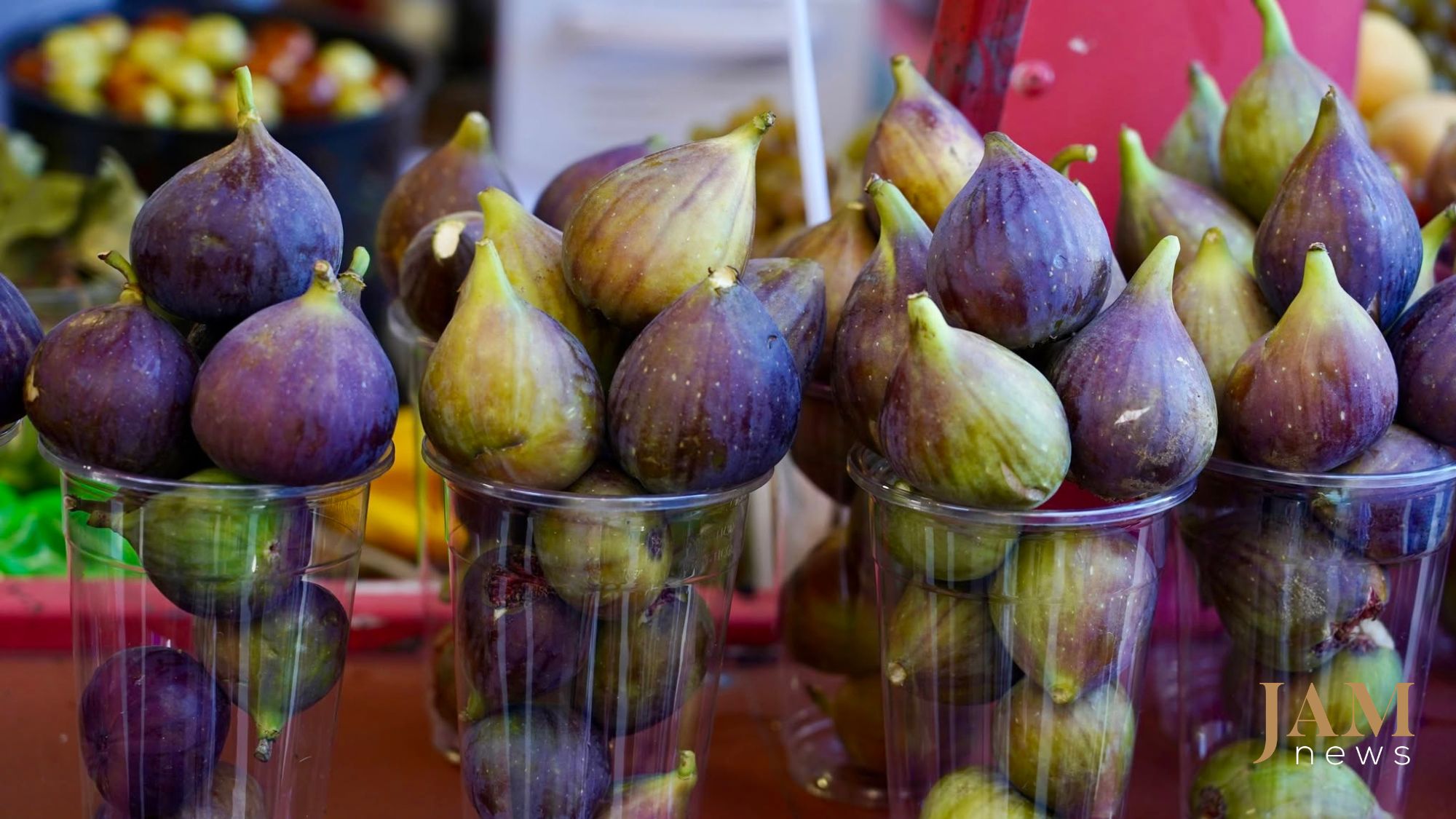
Meanwhile, the Centre for the Promotion of Imports from developing countries (CBI) has launched a year-long programme in Armenia. The initiative aims to help 21 Armenian producers of dried fruit and nuts develop their export potential and enter markets in the Netherlands and other EU countries.
The Netherlands to support Armenian entrepreneurs