EU does not recognise “presidential election” in Georgia’s Russian-occupied Tskhinvali region






EU condemns Russia and South Ossetia election
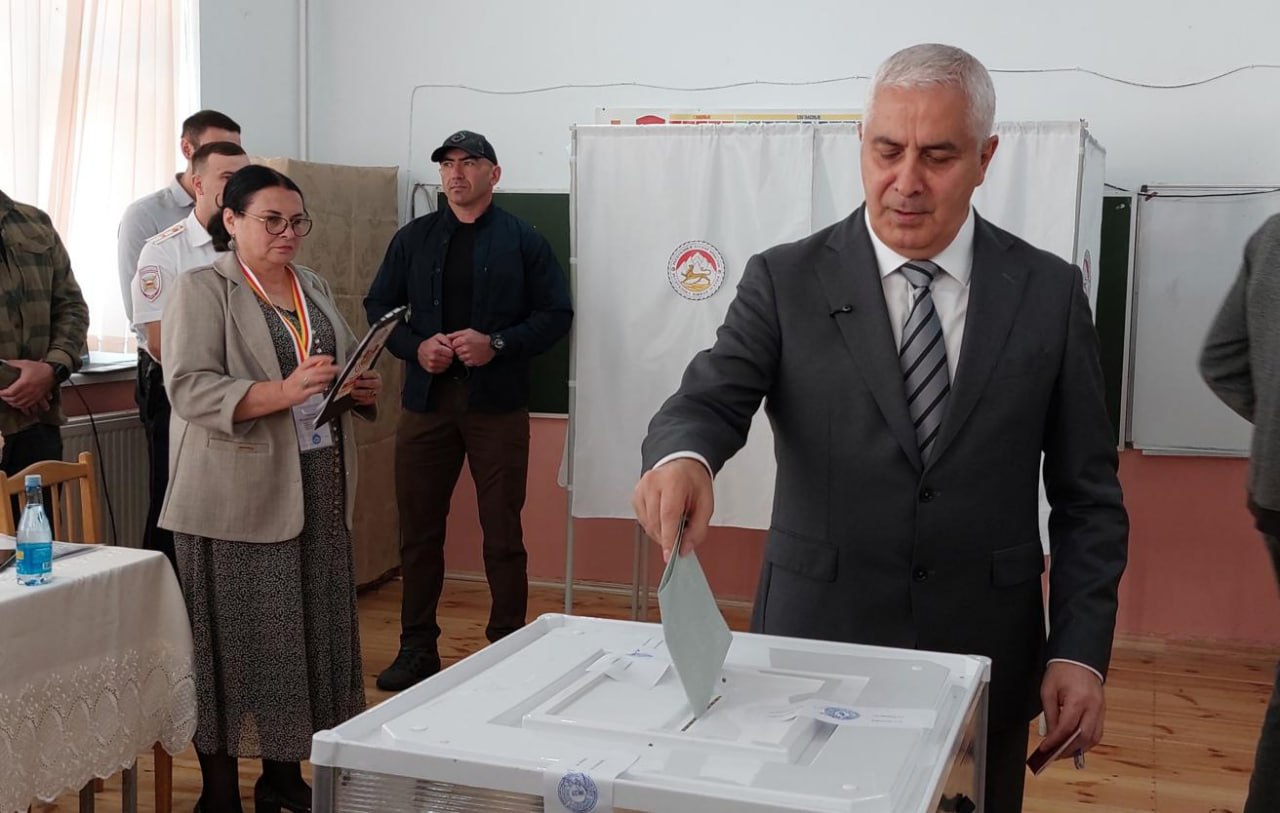
The European Union does not recognise the so-called “presidential election” held on 18 September in Georgia’s Russian-occupied Tskhinvali region (South Ossetia). In a statement, the EU Delegation said the results of the election have no legal effect.
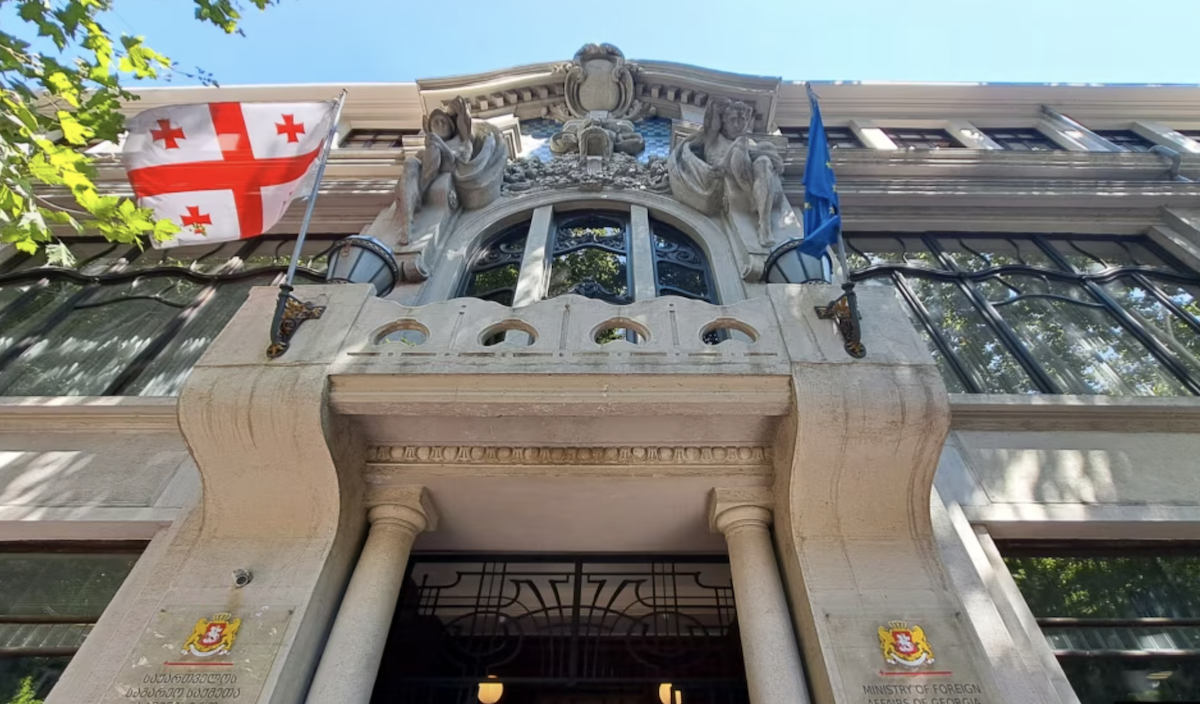
Georgia’s Foreign Ministry also condemned the so-called “presidential election”, calling it a violation of Georgia’s sovereignty and territorial integrity.
- South Ossetia election: as expected, former Moscow official Marat Kambolov becomes new president
- Tbilisi condemns “presidential election” in Georgia’s Russian-occupied Tskhinvali region
- Moscow’s new man in Tskhinvali: what Kambolov’s appointment means – views from Tbilisi
The EU statement says it does not recognise the constitutional and legal framework, including recent amendments, under which the election was held in the Russian-occupied region, which unilaterally declared its secession from Georgia.
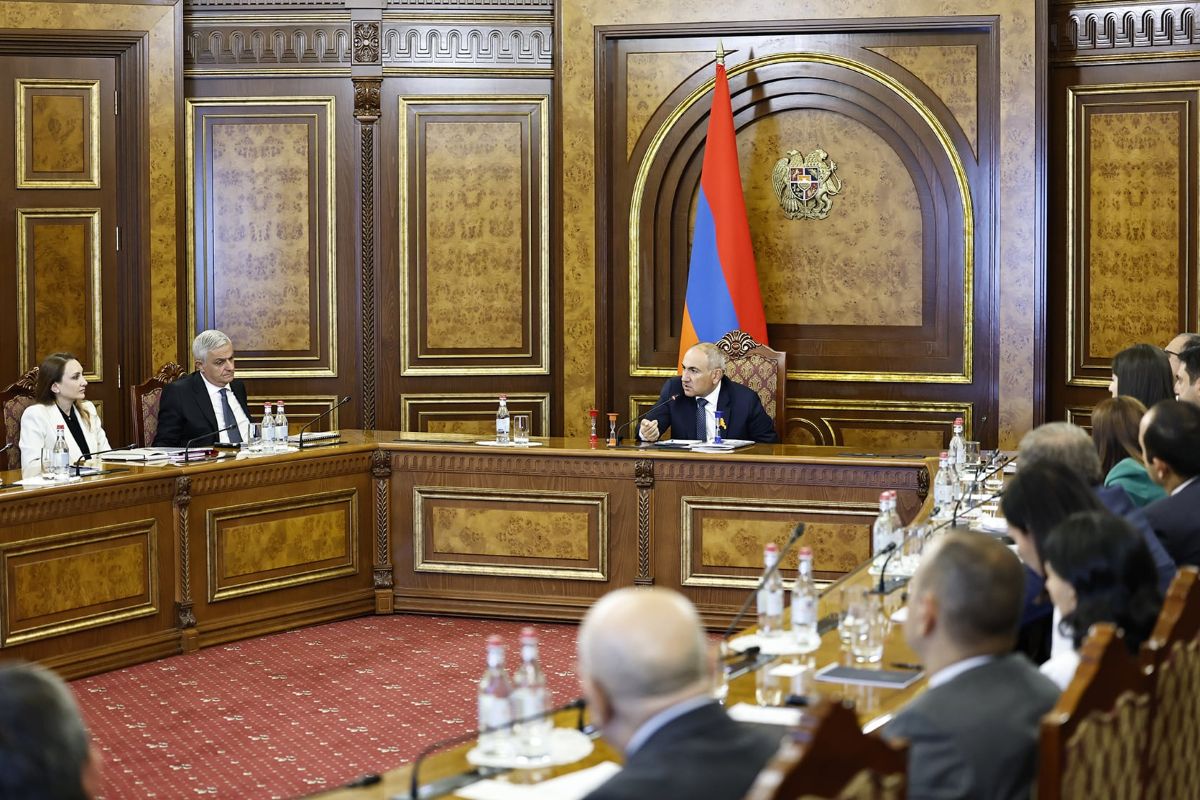
“The EU strongly condemns Moscow’s actions aimed at installing a Russian official as the de facto president of South Ossetia, Georgia’s occupied breakaway region,” the statement said.
The EU also expressed concern over the signing of the so-called “Treaty on Deepening Allied Cooperation” on 9 May 2026 and criticised Russia’s attempts to strengthen its control over South Ossetia in the political, military, economic and judicial spheres.
The EU considers these steps contrary to a peaceful resolution of the conflict and paving the way for the future illegal annexation of the Russian-occupied region.
“Such actions systematically deepen divisions, threaten regional security and stability, and constitute a flagrant violation of international law,” the EU statement said.
The bloc reaffirmed its commitment to a peaceful resolution of the conflict in Georgia, including through its co-chairmanship of the Geneva International Discussions and the activities of the European Union Monitoring Mission in Georgia.
The EU called on Russia to respect Georgia’s sovereignty and cease all actions undermining its territorial integrity.
“The European Union reaffirms its unwavering support for Georgia’s sovereignty and territorial integrity within its internationally recognised borders,” the statement said.
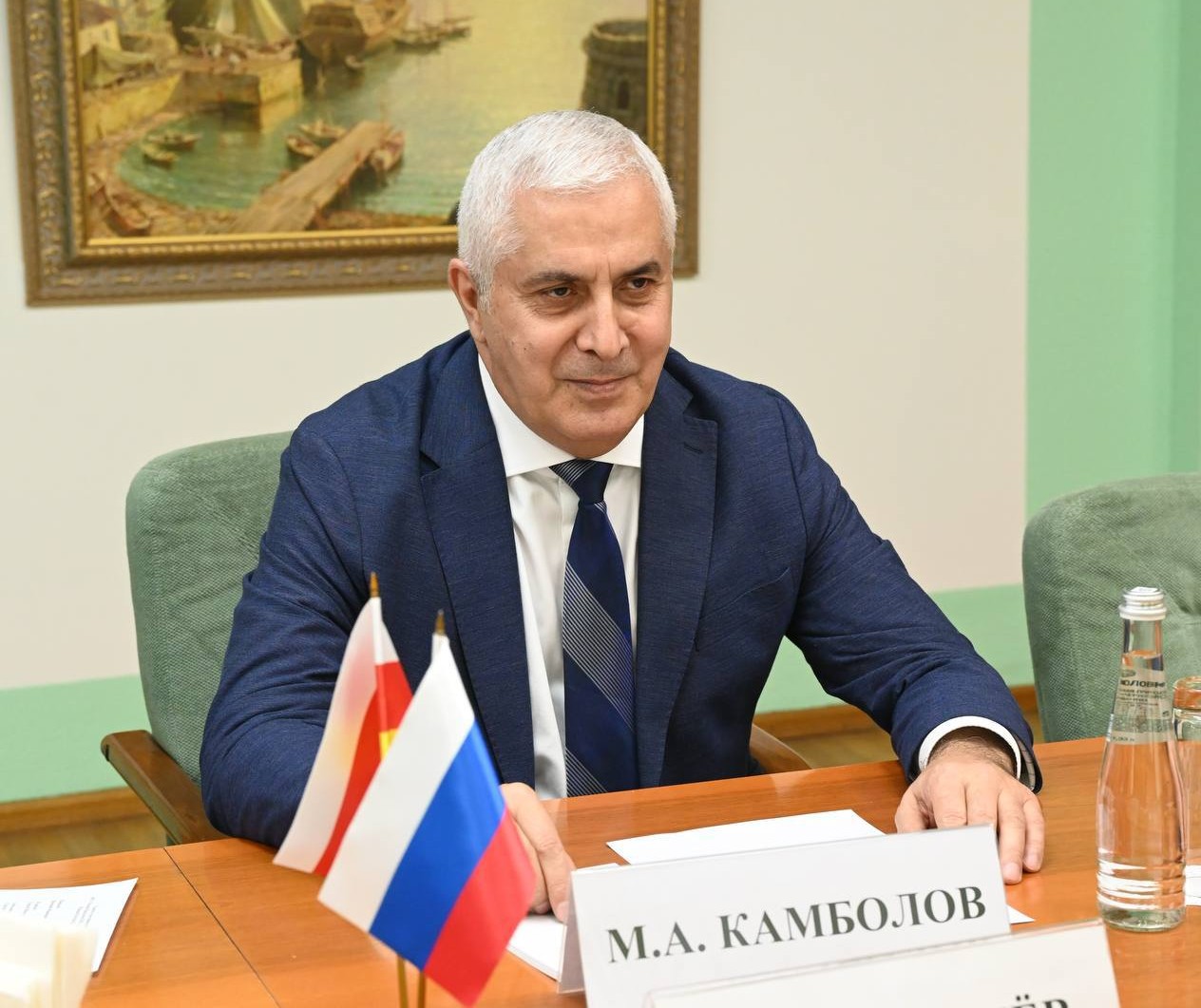
On 18 September, snap “presidential elections” were held in Russian-occupied “South Ossetia”. Four candidates took part.
However, calling it an “election race” would only be accurate in a very loose sense, as it was clear from the outset that the overwhelming favourite was so-called “acting president” and “prime minister” Marat Kambolov, who arrived in the region from Russia in May 2026.
Unlike Kambolov, the other three candidates were residents of South Ossetia. But that was where their advantage ended. Most experts described them as “technical candidates” — people who were not seriously trying to compete for the presidency:
Zurab Kokoev, leader of the Unity party;
Kazbek Kodoev, an independent candidate and adviser to the rector of South Ossetia University;
Murat Valiev, a candidate nominated by the Patriots of Alania party and an employee of the state security service.
None of them campaigned among the population. They presented their views on the development of so-called South Ossetia only during live televised debates.
News in Georgia