How does Georgia’s parliament work? SJC analyses current legislative processes






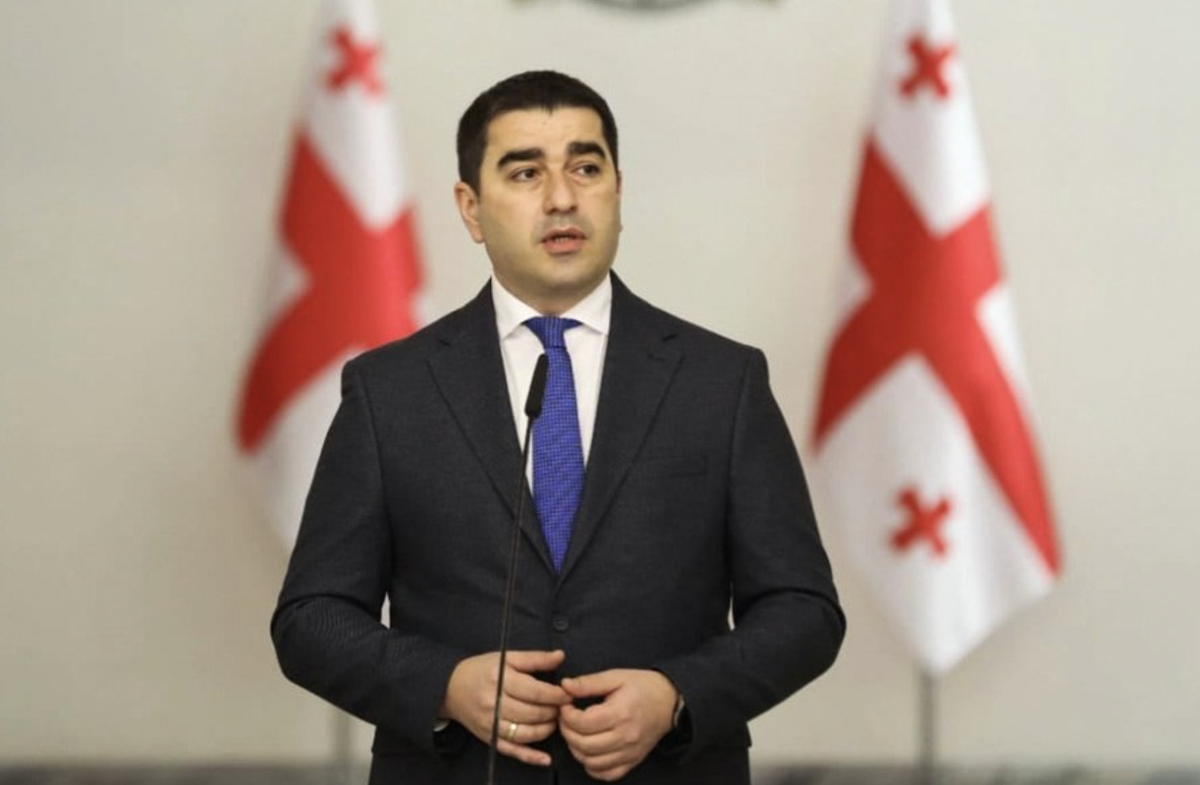
The Social Justice Center (SJC) analyses the work of Georgia’s 11th Parliament between 25 November 2024 and 26 June 2026. It notes that the parliament’s work has, on the one hand, undermined democratic institutions and rights and, on the other, expanded the executive branch’s discretionary powers and strengthened the centralisation of power.
The organisation’s director, Tamta Mikeladze, published the report’s main findings:
- During this period, parliament adopted 276 legislative packages or initiatives. Almost half went through an accelerated procedure, while around 10% followed a simplified procedure. This means parliament adopted around 60% of legislative acts through accelerated or simplified procedures. The executive branch submitted more initiatives than parliament itself, showing that the legislative agenda was largely driven by government initiatives.
- During the same period, the parliament, which was almost entirely made up of members of the ruling Georgian Dream party, did not adopt a single opposition legislative initiative, including those submitted by the Gakharia for Georgia parliamentary party. After Gakharia for Georgia entered parliament, lawmakers formally opposed legislative initiatives in only 38 cases. In all other cases, they adopted the initiatives unanimously.
- The quality of the legislative process is also problematic. Explanatory notes generally did not indicate that broad consultations had taken place and often lacked relevant sectoral or comparative legal analysis. Of the 276 initiatives, local or international experts took part in only six cases, while just eight initiatives provided for the harmonisation of Georgian legislation with legal instruments of the Council of Europe, the EU or the UN.

Against this backdrop, the parliament’s work can be divided into several main areas:
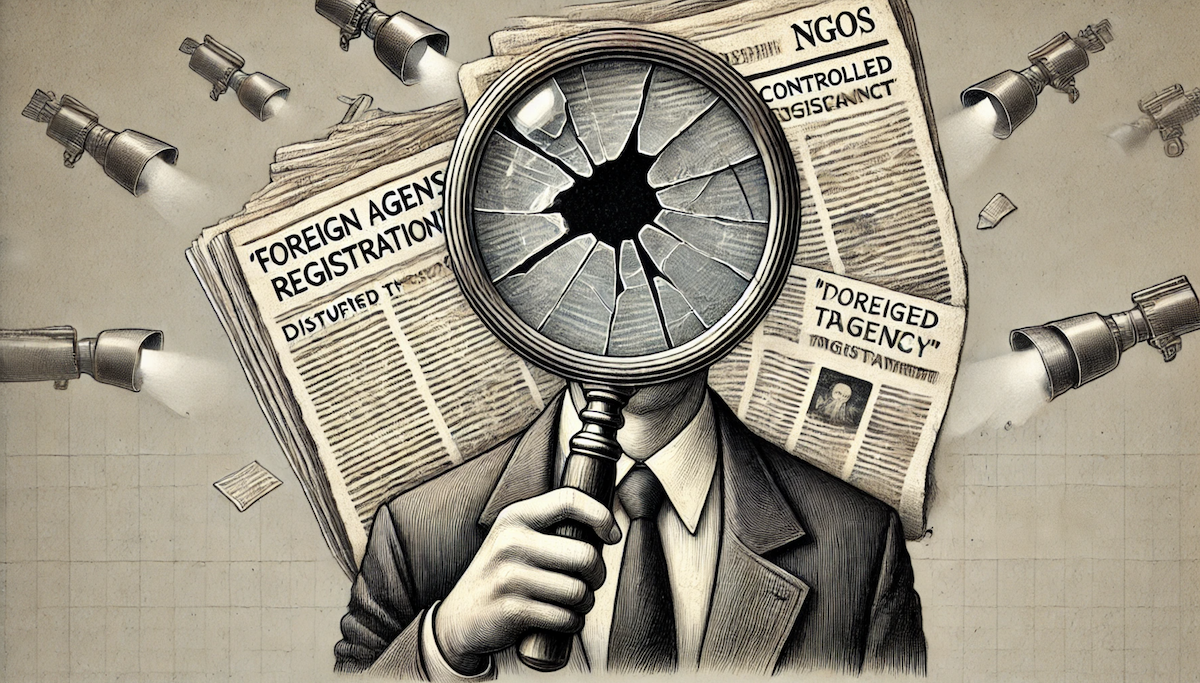
● Restrictions on civil society and repressive controls – 7 legislative changes. Alongside the laws on “transparency of foreign influence” and “registration of foreign agents”, parliament amended the law on grants. These changes effectively placed civil society organisations under full state control and criminalised certain forms of their activity. Parliament also created an Agency for the Management of State Grants, restricted NGOs’ participation in state decision-making, tightened the rules for issuing and receiving grants, broadened the legal definition of a grant, and introduced new criminal and financial sanctions.
● Media and freedom of expression – 6 direct changes: rules on foreign funding changed, the Communications Commission gained wider powers, new requirements for broadcast content were introduced, coverage of court proceedings was restricted, and financial oversight mechanisms were strengthened.
● Five separate changes concerned freedom of assembly and expression, increasing administrative and criminal liability for actions related to protests.
● Public service – 8 changes. Institutional safeguards for civil servants were weakened, while political appointments and the discretion of senior officials gained greater importance. The Civil Service Bureau was abolished, and opportunities for employment under administrative contracts were expanded. At the same time, new financial benefits and mechanisms for obtaining permission to engage in certain activities were introduced, with access to them largely dependent on decisions by senior officials. This creates a risk of not only politicisation but also clientelist governance.
● Education and academia also became targets of centralisation. Changes adopted in 2025-2026 strengthened the government’s influence over university funding, student numbers, academic programmes, and the reorganisation and institutional structure of universities. The limited involvement of academics in the process points to a broader problem with academic freedom.
● Ideological and propaganda-related measures – 7 major legislative changes. These included the introduction of a new crime, “treason against the state”; the removal of the term “gender” from legislation; tougher drug policies; changes to labour and immigration rules for foreigners; and expanded mechanisms of state control. What these changes have in common is not only tougher policies in specific areas, but also the incorporation of political and ideological concepts into the legal framework.
It is also important to look not only at what parliament adopted, but at what it left off its agenda. During the reporting period, issues concerning the rights of children and prisoners, public procurement and corruption prevention, environmental protection and civil safety, healthcare, urban planning and construction, education, regional policy, agriculture and tourism were pushed into the background or postponed. As a result, parliament’s agenda was clearly dominated by restrictive and controlling legislation. At the same time, its positive legislative agenda, covering a broad range of public interests, was significantly weakened.

Tamta Mikeladze: “The parliament’s work is therefore, on the one hand, directed against democratic institutions and rights, while on the other, it strengthens the executive branch’s discretionary powers and centralisation.
The theoretical frameworks of ‘autocratic legalism’ and ‘sham law’ are important for describing this process. In such a system, a law may formally meet the technical requirements of a legal act, but it loses its primary function: limiting state power and reducing arbitrariness. The law no longer acts as a mechanism for constraining power. Instead, it becomes a tool for maintaining and consolidating power.
In short, Georgia’s process of autocratisation, after years of oscillating between hybrid democracy and hybrid authoritarianism, is now aggressively and systematically affecting the legal sphere itself for the first time. It is fundamentally changing the law’s substance and nature.
We still have no adequate understanding of how difficult it will be to rehabilitate the state, political system, legal system and society after the crisis and the authoritarian period that Georgian Dream has inflicted on them.”
On legislation in Georgia