Expert: ‘Armenia recorded more cases of vote-buying in recent days than in previous 30 years’






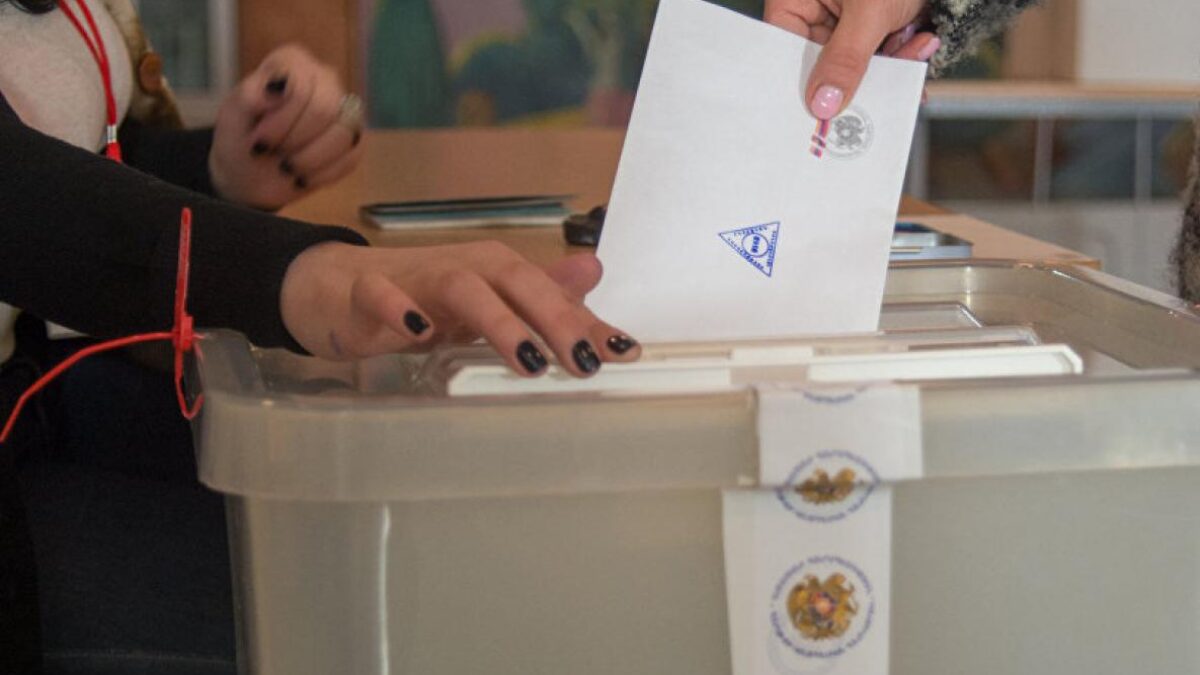
Numerous vote-buying cases in Armenia
Armenia’s Investigative Committee says it has secured a two-month pre-trial detention order for Aleksan Aleksanyan, a board member of the opposition party Strong Armenia. Investigators accuse him of financially incentivising around 1,400 people to attend political rallies. He also faces money-laundering charges involving what authorities describe as a particularly large sum.
This is only one of several cases uncovered in recent weeks. Armenia’s Anti-Corruption Committee has regularly reported similar incidents. Authorities have also released recordings of conversations involving people accused of offering and receiving bribes.
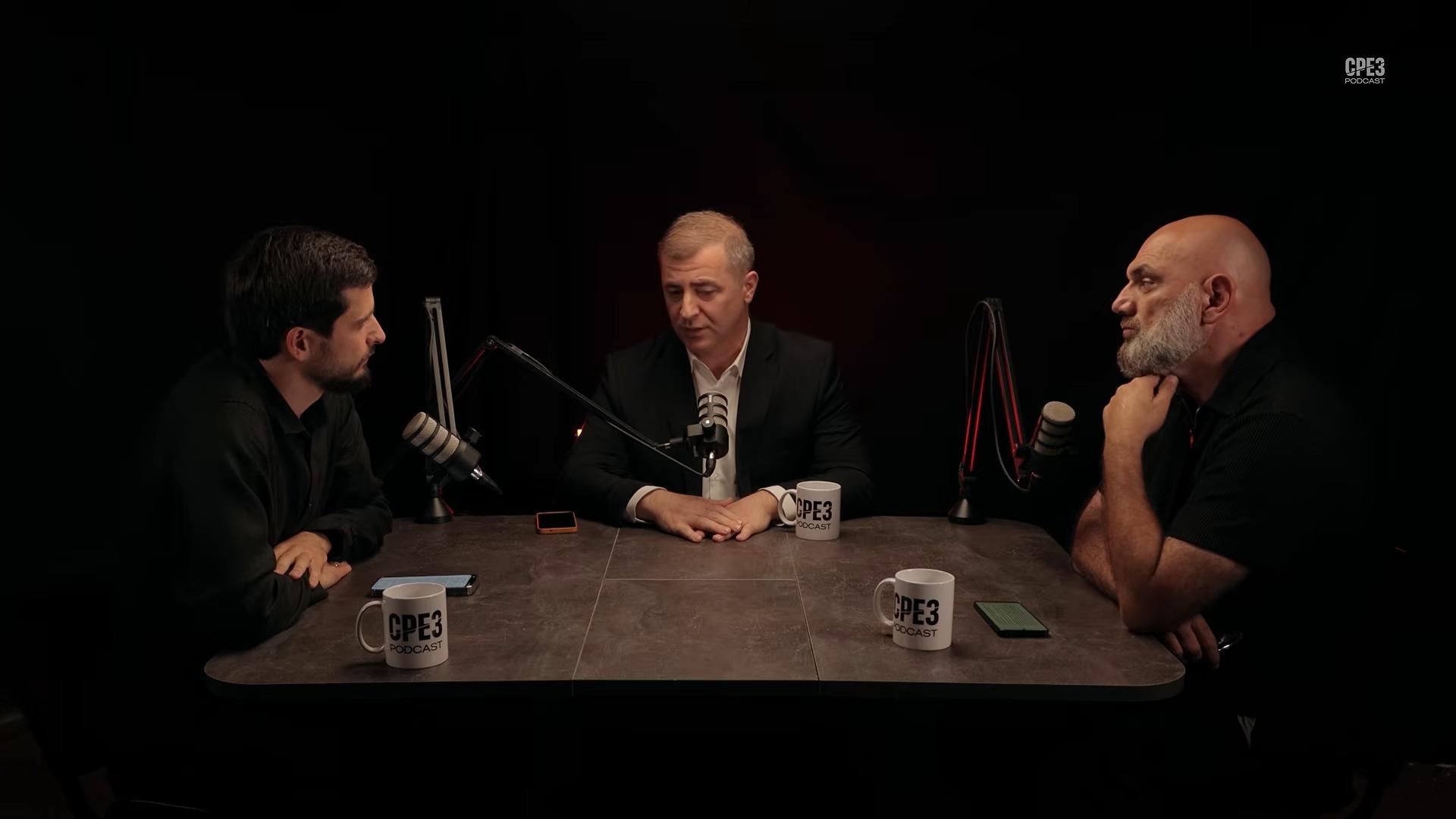
According to Daniel Ioannisyan, programme coordinator at the NGO Union of Informed Citizens, investigators have uncovered more cases of vote-buying in recent months than during the previous 30 years combined.
“From February to May, the Anti-Corruption Committee opened around 60 cases. Authorities detained more than 100 people and brought charges against many others. In addition, they have placed five individuals on the wanted list,” Ioannisyan said.
The human rights activist says investigators have already completed work on 34 criminal cases. Prosecutors have received those files, and courts are expected to begin hearing them soon.
At the same time, the Investigative Committee has launched cases against another 40 people. However, those proceedings do not involve vote-buying, although they are election-related.
- Fake news in Armenia claims ‘Curtain’ programme can manipulate election results
- Russian intelligence operatives sent to ‘target Pashinyan’: The Insider investigation
- ‘There will be another revolution on 7 June’ – Nikol Pashinyan confident of public support in election
- What’s behind Russia’s hostile response to Armenia’s deepening ties with EU?
Strong Armenia board member accused of vote-buying worth more than $2m
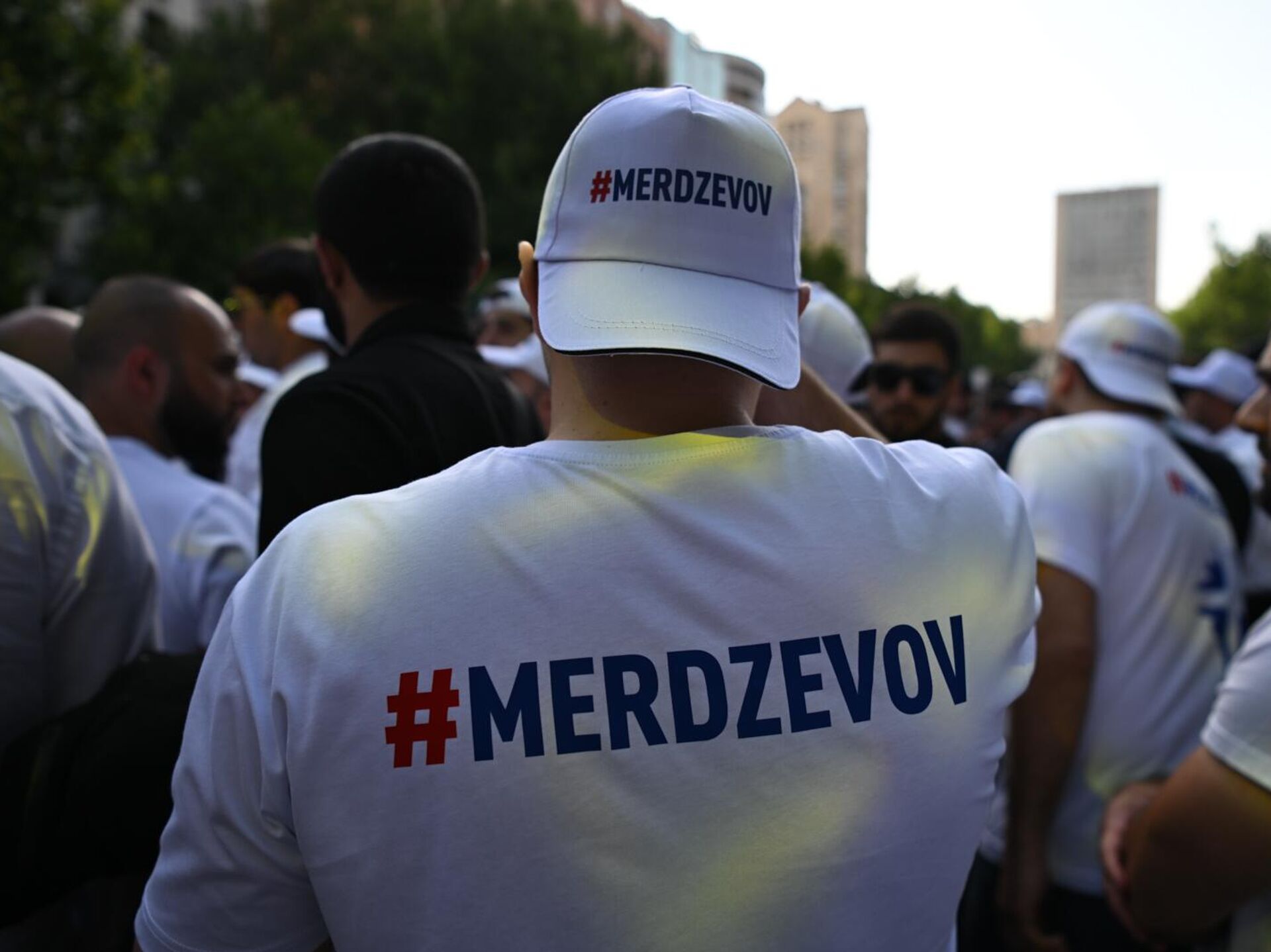
Aleksan Aleksanyan serves on the board of the opposition Strong Armenia party. Since 9 September 2025, he has also founded and headed the executive body of the NGO Merov (“Our Way of Preserving National Values”). Before the creation of the Strong Armenia party, supporters of its leader, Russian-Armenian businessman Samvel Karapetyan, operated under a movement called “Merov” (“Our Way”).
According to Armenia’s Investigative Committee, Aleksanyan recruited citizens between September 2025 and May 2026 to participate in rallies and demonstrations organised by the Strong Armenia party.
“Through offices of the Merov NGO operating across various communities in Armenia, he formally hired around 1,400 citizens for different periods under employment or service contracts while concealing his true intentions. More than 400 of them also worked for other companies.”
Investigators say that between 8 October 2025 and 31 March 2026, the NGO’s bank accounts received approximately 1.6bn drams (about $4.4m), €230,000 and $75,000 in what authorities describe as criminally obtained funds. The money came from the Tashir Charitable Foundation, as well as companies linked to Karapetyan, including Intego Energy and Tashir Capital. The transfers were recorded as “donations” and “loans”.
The Investigative Committee says Aleksanyan used salary payments to people hired by the NGO to “legalise” the funds. Authorities argue that these payments effectively compensated participants for attending events in support of Samvel Karapetyan and his party.
Law enforcement officials also state that:
- most of those hired either never came to work or visited the organisation’s offices only once or a few times per month;
- Aleksanyan dismissed employees before they could carry out the NGO’s statutory objectives.
In total, the NGO paid 763,264,474 drams (around $2.09m) to those individuals from funds transferred to its accounts.
Vote-buying cases are not isolated
In recent months, Armenia’s Anti-Corruption Committee has regularly reported cases of vote-buying and violations of the ban on charitable activities during the election campaign.
The committee has uncovered five such cases in the past three days alone.
According to the committee, investigators identified the following incidents:
- a representative of the Armenia Alliance allegedly offered bribes to voters in exchange for support in parliamentary elections; investigators also identified alleged violations of the campaign-period charity ban involving a lawmaker from the same alliance and a candidate from the Prosperous Armenia party;
- a member of Prosperous Armenia, a parliamentary candidate and another individual acting on behalf of the party allegedly bribed voters in exchange for support at the polls; investigators also accuse them of offering money to people who could recruit additional voters willing to back the party;
- the head of a regional branch of the Strong Armenia party allegedly promised and delivered a bribe to a resident of the Kotayk region town of Byureghavan in exchange for a vote;
- the head of Prosperous Armenia’s Abovyan branch, party members and several associates allegedly coordinated efforts to bribe a number of voters.
In a separate case, a court ordered the pre-trial detention of a 68-year-old man accused of accepting an electoral bribe.
The Anti-Corruption Committee also uncovered a case involving a representative of the Strong Armenia party who allegedly offered electoral bribes to Armenian citizens living abroad. Investigators say he promised substantial payments and assistance with travel to Armenia on condition that recipients vote for the party.
Comment
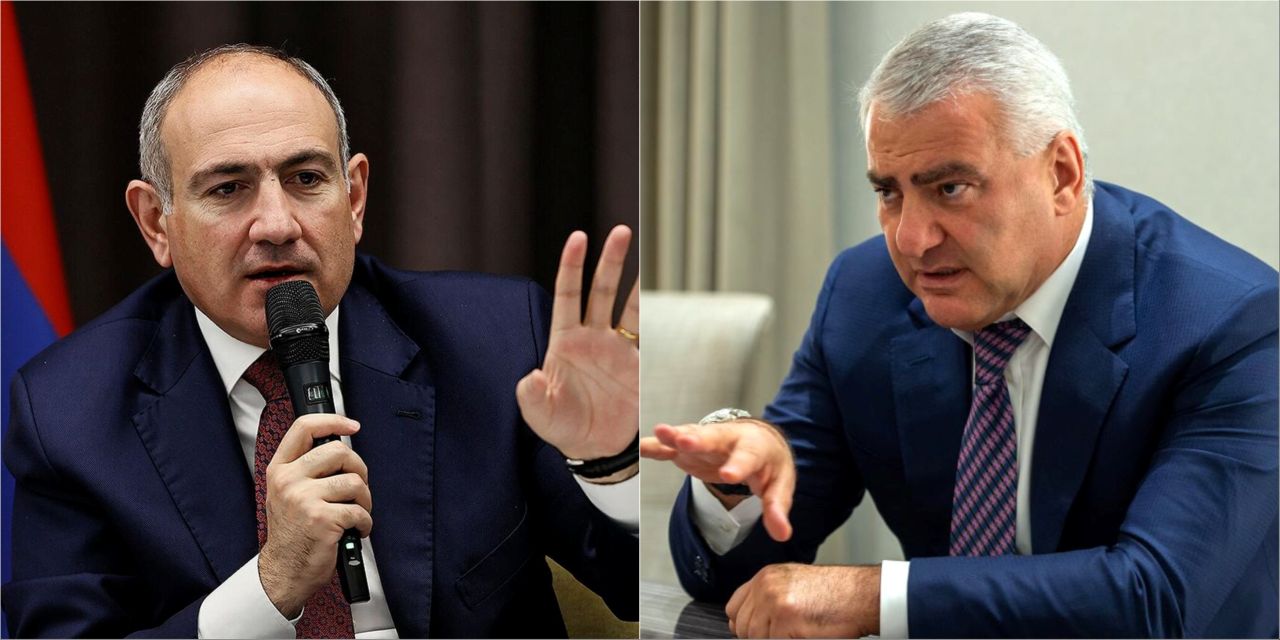
Human rights activist Daniel Ioannisyan says authorities are uncovering more vote-buying cases as election day approaches.
“The wholesale and retail sale of voters is taking place across the country. Investigators have identified cases in the Syunik, Tavush, Ararat, Shirak, Armavir and Lori regions, as well as in various districts of Yerevan.”
Commenting on the cases published by the Anti-Corruption Committee, he stressed that both those who offer electoral bribes and those who accept them are accomplices in the crime.
“However, those who hand out bribes treat recipients like dogs or sacks of potatoes. They discuss whether a relative’s criminal record is worth 100,000 drams [$273] or 150,000 drams [$410]. Voters have different prices. While some try to move from the 100,000-dram category to the 150,000-dram category, others take 20,000 drams [$55] and spend it on alcohol the same day.”
According to Ioannisyan, 83% of the cases uncovered by the Anti-Corruption Committee involve the Strong Armenia party, 13% involve Prosperous Armenia, and 4% involve the Armenia Alliance bloc.
He also stressed that the “buying and selling of voters” extends beyond Armenia’s borders. Armenian citizens living in Russia have also become involved in the process.
“The information uncovered so far represents only a small fraction of the overall picture. To illustrate the scale, Reuters reported that organisers plan to spend $50m on bringing voters from Russia alone.”
Referring to the cases already uncovered, Ioannisyan said investigators had identified vote-buying schemes even when participants avoided direct phone calls, signed formal contracts or received money through Russian bank cards.
He again reminded Armenian citizens that the law provides for prison sentences of up to seven years for accepting an electoral bribe and up to eight years for offering one.
Numerous vote-buying cases in Armenia