

'Polite children are seen as weak': violence among teenagers on rise in Armenia






Teen violence rises in Armenia
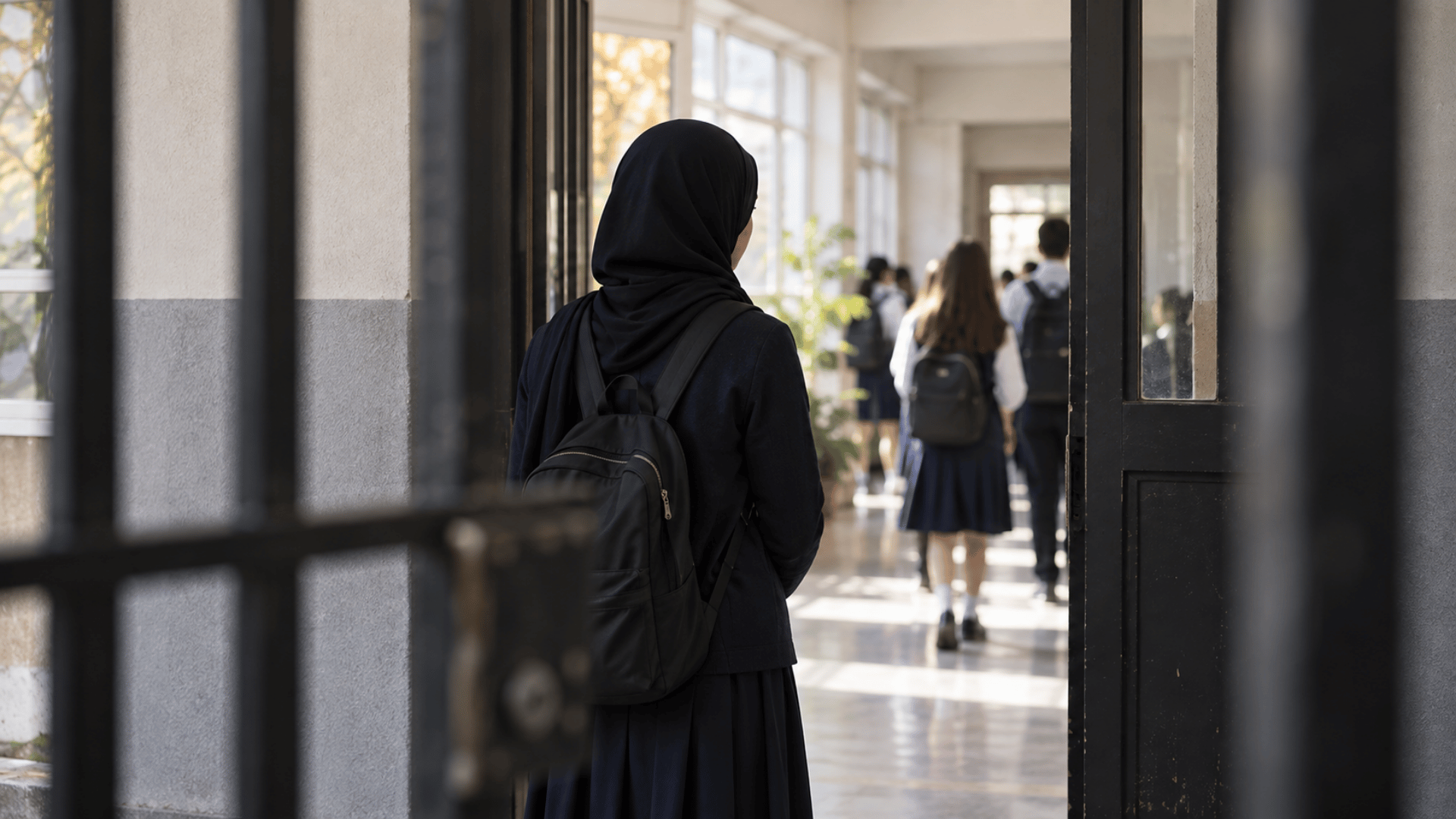
Violence among teenagers has become more frequent in Armenia in recent months. Another incident took place in May.
According to the Interior Ministry, classmates in a school in the village of Karbi repeatedly abused a 13-year-old boy. Neither the school nor the boy’s parents contacted the police. Officers learned about another fight between classmates through other sources.
Police summoned the parents of the injured teenager to the district department. There, the boy’s mother said someone had hit her son on the head, causing him to lose consciousness.
Doctors first took him to a local clinic and then transferred him to a hospital in the capital. Authorities opened a criminal case.
According to Interior Ministry data, authorities recorded 91 cases of violence involving minors in educational institutions in 2025.
Compared with 2024, the number of such incidents has doubled.
- ‘Parent hour’ and flexible schedules: Armenia changes labour code
- Young teachers head to remote villages under Armenia’s ‘Teach for Future’ programme
- UN study: Armenians aspire to three children, but settle for one
“School is no longer what it used to be”: why teenagers are becoming more aggressive
Armenian language and literature teacher Anneta Kirakosyan left her job two years ago. Disappointment with the atmosphere that had taken root in schools drove her decision.
“A strange, different generation is growing up. Schools have changed too. They are no longer the institutions they used to be. After I quit, I felt calmer because I no longer carried that responsibility on my shoulders. I taught seventh and tenth grades. Children at that age are probably the most difficult. My son is now in eighth grade, and I am facing the same situation again — this time as a mother,” she says.
This autumn, Anneta’s son will move to high school. She worries that her child will end up in an atmosphere of “harsh norms” that pushed her to leave teaching.
According to Anneta, her son is unhappy with the situation too:
“He has limited contact with his classmates. He sees them smoking and arriving late for lessons. If he spends time with them, he will have to become like them in order to fit in and gain acceptance. He has seen boys bring electronic cigarettes into the classroom and smoke under their desks. They even discuss drugs in class.
There are also occasional confrontations. Students settle problems outside school grounds. Teachers later learn about another incident and try to resolve it through parents. Last year, someone beat a student so badly that they injured his face. More recently, a large fight broke out involving pupils from different classes.”
Cases of violence in schools
Two months ago, seven tenth-grade students attacked a classmate with iron rods in the courtyard of the Gorky Secondary School in the city of Vagharshapat. The boy suffered serious injuries.
In 2023, a 15-year-old pupil from the same school died several days after a fight with classmates. Relatives of the boy said the incident at school caused his death.
However, school principal Gayane Safaryan disputed that account. She said no one had beaten the teenager and described the incident as a minor scuffle between pupils, after which the boy continued attending classes.
According to Safaryan, the teenager felt unwell several days later. Doctors took him to a medical centre, where he died.

“Fights are a way to assert yourself”
Anneta Kirakosyan says teenagers often react very sharply to everyday situations during adolescence:
“Someone may simply walk past, and another person might not like the way they looked at them. That alone can trigger an argument and often a fight. For teenagers aged 14 to 16, arguments and fights are a way to assert themselves. My son’s class faces the same terrible situation. At one point, the school held parent meetings every month.
An atmosphere of ignorance and indifference dominates the school. Some pupils flatly refuse to answer questions in class. Others do not interact with teachers at all. Believe me, teachers have no real tools to bring students into line. Grades no longer concern them. Schools no longer make struggling pupils repeat a year. Teachers can move failing students into the next grade through retake exams.”
Her 15-year-old son, Stepan, says he only talks to one of his classmates:
“I do not have anything in common with the others. They come to school to show how badly they can behave and to provoke teachers. They do not even bring textbooks, notebooks or pens. They arrive for the third lesson and leave after the fifth.
Once, they pushed our history teacher to such a state that she left the classroom in tears and refused to return. They turn lessons into performances, film teachers on their phones and mock them.”
Criminal subculture and “toxic masculinity”
According to Grigor Yeritsyan, cases of violence and bullying among minors point to a broader social, psychological and values crisis:
“Teenagers form their value systems under the influence of several factors. On one hand, there is criminal culture, which society has failed to overcome in a systemic way. On the other, there is toxic masculinity and the upbringing of boys around ‘street’ values. These attitudes enter families and schools and become part of everyday communication.”
Yeritsyan believes that recent military escalations — including the four-day war in 2016 and the 44-day war in 2020 — have also played a role in shaping the inner world of teenagers. In his view, the conflicts affected their behaviour, communication styles and emotional resilience:
“When a child lives in a stressful environment for a long time, aggression, intolerance and violence become forms of self-protection.”

Lack of safe spaces beyond school
Grigor Yeritsyan says problems exist across all areas responsible for raising children:
“Families often lack the time, resources or knowledge to teach children healthy communication skills. Schools focus on academic education, while social and emotional development remains secondary. At the same time, hate speech, humiliation and bullying have become common in digital spaces. As a result, teenagers have no safe environment where someone will listen to them and teach healthy ways of communicating.”
Because of this, he argues schools should introduce social and emotional learning programmes.
Social and emotional learning helps children understand and manage emotions, show empathy and build healthy relationships with others. Experts say it creates a foundation for psychological wellbeing, self-confidence and successful social development.
“In many schools, psychological support remains largely formal. Social and emotional education, meanwhile, teaches young people how to manage emotions, resolve conflicts and respect others. These are essential life skills,” the expert says.
Yeritsyan believes young people also need safe places to communicate outside school, such as youth centres, of which Armenia has relatively few.
To address that gap, the NGO Armenian Progressive Youth has opened centres in Yerevan, Tsaghkadzor, Charentsavan and Vayk.
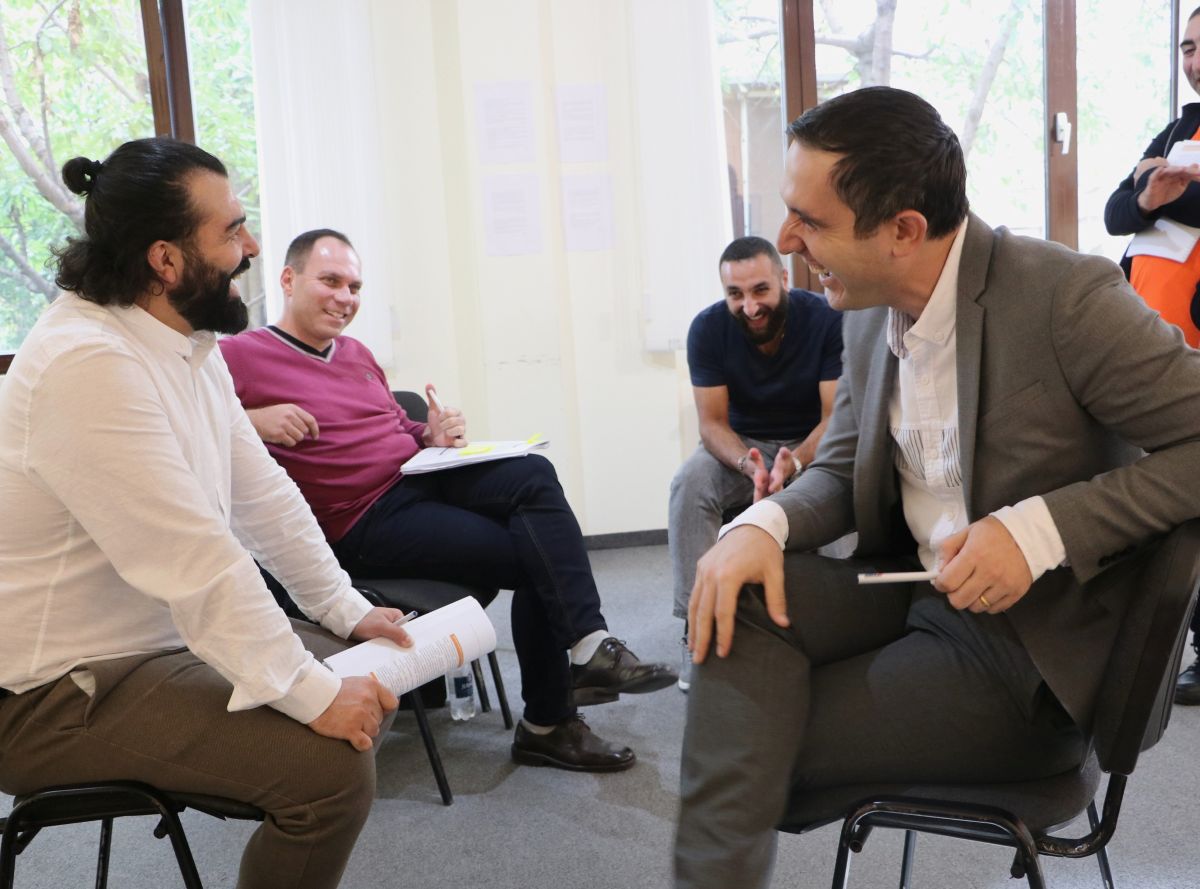
The organisation also runs clubs called “Men’s Talks”, where participants discuss topics that schools and families rarely address.
“Schools cannot cope on their own”
Anneta Kirakosyan decided to transfer her son to a private school, where, she says, staff exercise more oversight and classes have fewer pupils:
“These schools create a more conscious environment. Many of the strongest students from ordinary schools study there. Often, these are children who struggle to express themselves in regular schools and fail to find their place. These days, people see well-mannered teenagers as weak.
Schools have a responsibility to educate and influence students’ behaviour. Their role should extend beyond the few hours children spend there and shape them for life. But schools cannot cope on their own. Every part of the system needs to work together to achieve results. All of us must contribute to education and upbringing in our own roles, so cruel and unacceptable behaviour does not become the norm.”
Teen violence rises in Armenia
Teen violence rises in Armenia
Teen violence rises in Armenia