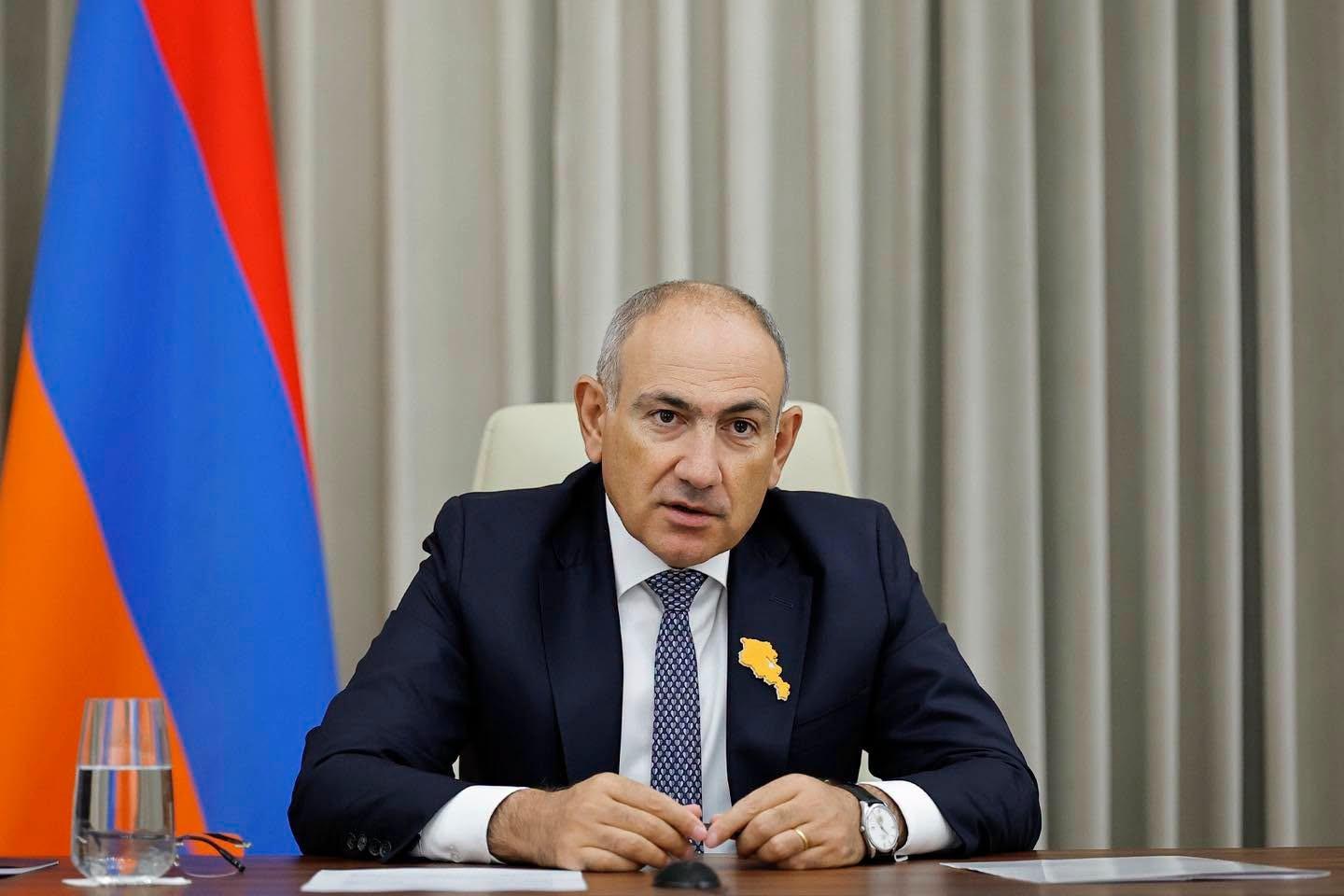
It has been largely quiet along the Armenian–Azerbaijani border. For the past two years, the sides have not exchanged fire. Leaders in both Yerevan and Baku say this reflects progress made through bilateral talks. After decades of hostility, the two countries now appear close to a final peace agreement.
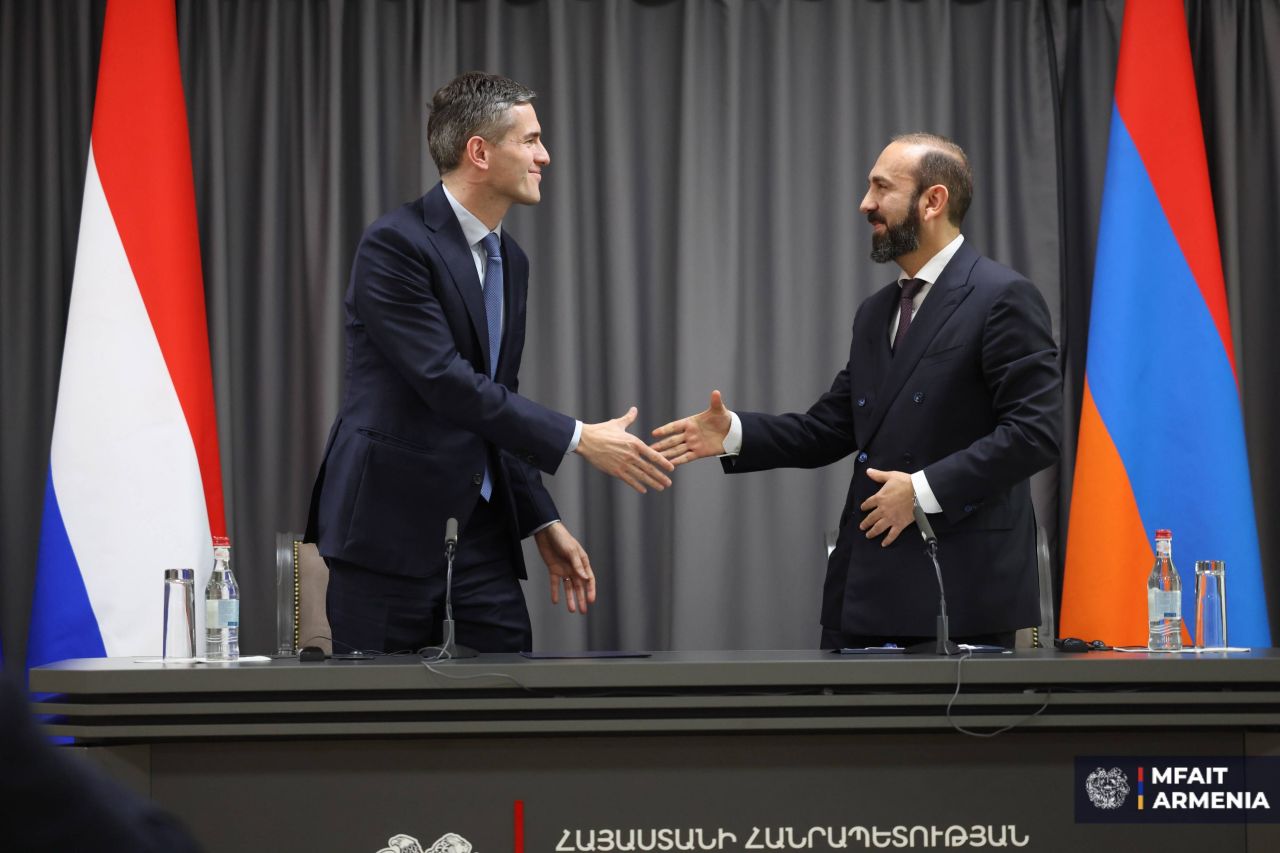
In August 2025, a summit was held in Washington. With U.S. President mediation, Nikol Pashinyan and Ilham Aliyev signed a joint declaration, saying they were “embarking on the path of good-neighbourly relations,” while their foreign ministers initialled a peace agreement.
Yerevan and Baku also finally agreed to reopen regional transport links. The issue had long seemed almost impossible to resolve because of differences between the two sides. But the dispute eased with the TRIPP project (Trump route for international peace and prosperity). It will connect Azerbaijan with its exclave of Nakhchivan through Armenian territory.
For years, the sides struggled to reach agreement on the issue. Azerbaijan pushed for a route it called the “Zangezur corridor.” Armenian authorities said they were ready to reopen all roads, but rejected the term “corridor,” arguing it implied a loss of sovereignty over that territory.
At the Washington summit on 8 August, the Armenian and Azerbaijani leaders finally reached a consensus. They agreed the road would remain under Armenia’s sovereign control, while the United States would take part in the project as a business partner. The initiative was named the “Trump Route” after the mediator.
Both the Armenian prime minister and the Azerbaijani president say peace has been achieved between the two countries.
But what do people in Armenia think? Is peace possible after more than 30 years of conflict? JAMnews asked residents of Yerevan.