Georgian Young Lawyers’ Association files complaint with ECHR over alleged torture during 2024 protests






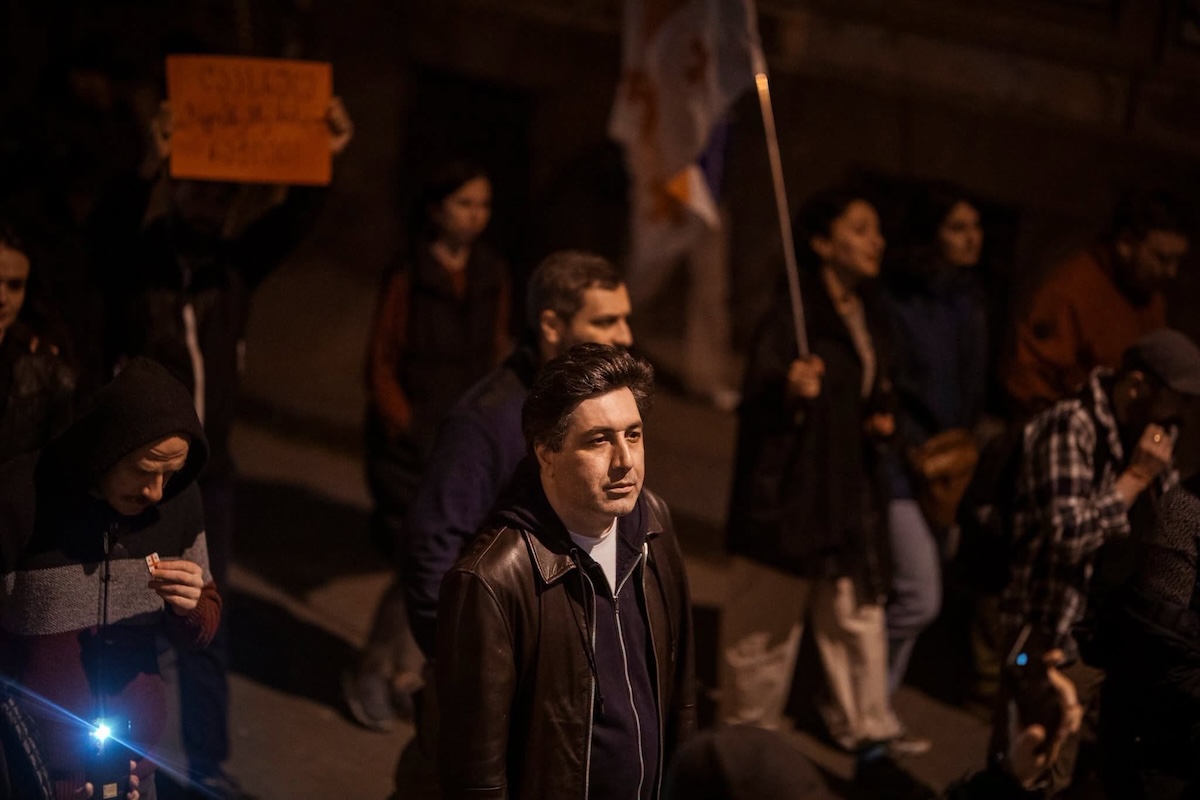
The Georgian Young Lawyers’ Association (GYLA) has filed a complaint with the European Court of Human Rights (ECHR) concerning individuals affected during pro-European protest rallies in November–December 2024. The organisation says law enforcement officers engaged in a systemic practice of torture and ill-treatment against demonstrators.
Speaking at a briefing on 20 April, GYLA chair Tamar Oniani said the case had been submitted on behalf of four applicants. She added that the application seeks to assess not only individual incidents, but the broader pattern of actions by the Georgian state.
GYLA argues that the violence used against protesters was not the result of isolated misconduct, but constituted a coordinated administrative practice aimed at suppressing pro-European protests and going beyond the bounds of a democratic order.
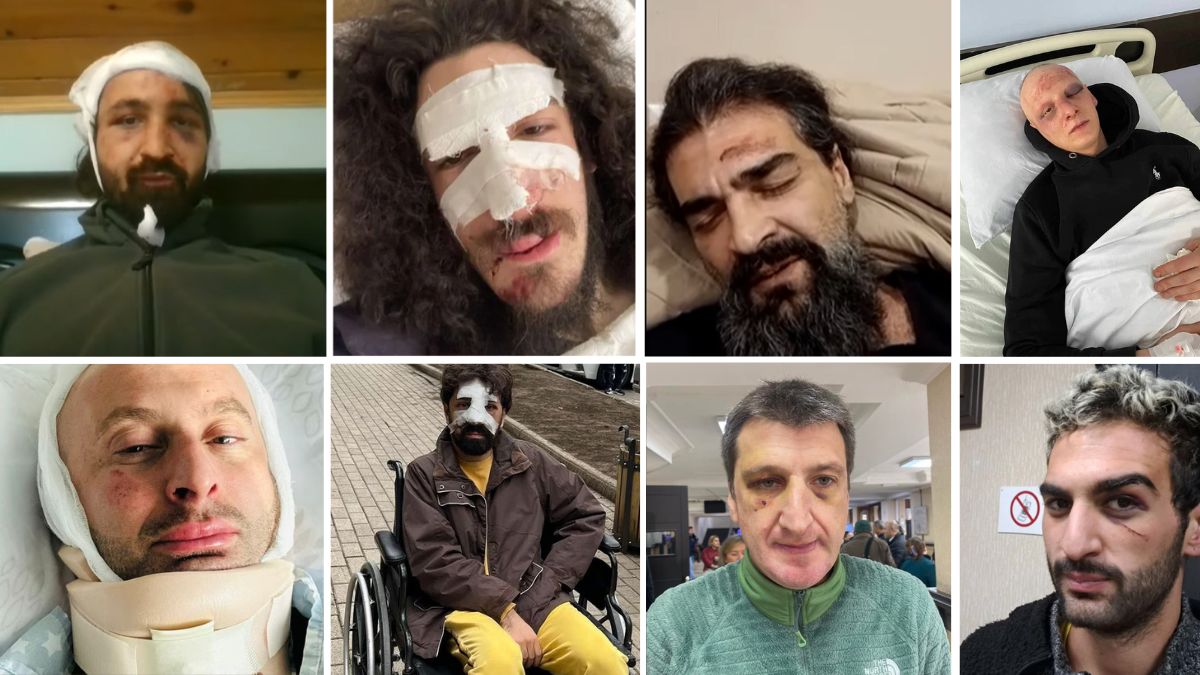
According to the organisation, one of the main aims of the complaint submitted to the ECHR is for the court to establish that the events of November–December 2024 were not a spontaneous or disproportionate response, but organised violence that laid the groundwork for a deterioration in the human rights situation in the country.
Based on the evidence, GYLA describes a systemic pattern of abuse:
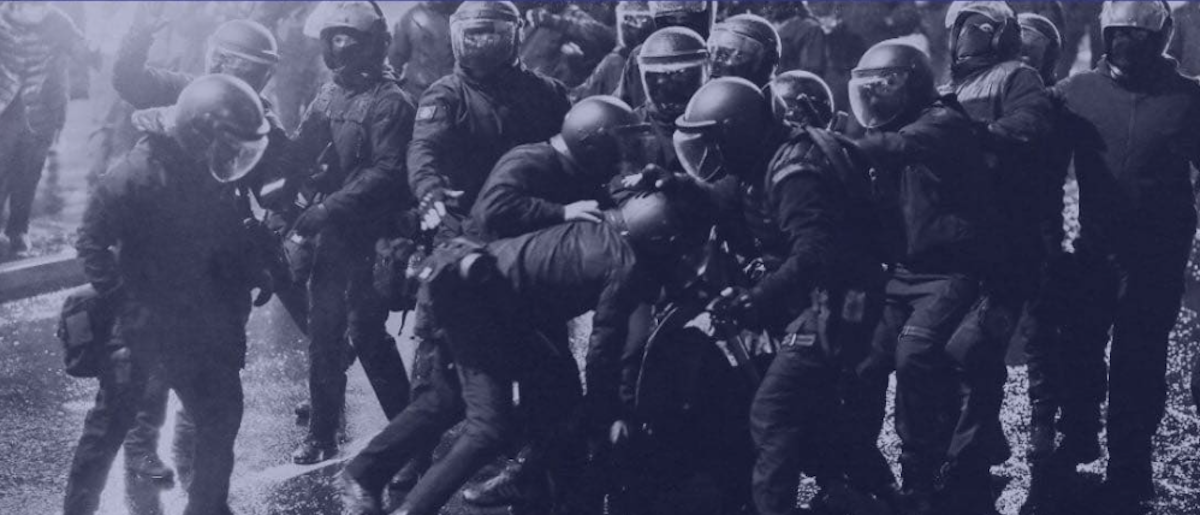
- alongside the dispersal of protests, special forces routinely carried out arbitrary detentions, beating detainees — often in groups — before moving them beyond police cordons and away from media cameras, where the violence intensified
- the abuse typically continued inside specially equipped vans, where officers, using reinforced gloves, as well as kicks and, in some cases, batons or other instruments, collectively assaulted detainees
- physical violence both after detention and inside the vans was accompanied by the confiscation of personal belongings, insults, humiliation and threats, including threats of rape, with blows often deliberately aimed at the head and face
- after repeated episodes of abuse inside the vehicles, detainees were handed over to patrol or criminal police officers, who transported them to stations and drew up falsified detention reports
- in many cases, psychological — and sometimes physical — abuse continued both during transport and inside police stations
According to GYLA, the systemic nature of the violence is demonstrated not only by the repetition of such cases, but also by the lack of accountability for those responsible. The organisation also highlights that senior officials publicly encouraged those involved in the violence, despite criticism from international organisations.
The complaint also addresses shortcomings in the investigation. According to GYLA, the process has been hindered by lack of access to evidence and institutional problems:
- state agencies have refused to provide investigators with CCTV footage, often citing “system malfunctions” or “damaged cameras”, even though footage from the same cameras is used as key evidence in domestic courts in cases against protesters
- the Interior Ministry has confirmed that special equipment was issued without individual identification numbers
- victims’ participation in the investigation has been limited, including being denied copies of case materials; access is restricted to partial review on-site at investigative bodies, leading the organisation to conclude that no effective investigative steps have been taken since March 2025
To date, no individuals have been charged, and no steps have been taken to establish the responsibility of state officials.
The complaint filed by GYLA concerns alleged violations of several articles of the European Convention on Human Rights, including the prohibition of torture, freedom of assembly, the prohibition of discrimination and the right to protection of property. Particular attention is given to Article 17, which prohibits the abuse of rights — a provision that, according to the organisation, is being applied in this context in relation to Georgia for the first time.
The case outlines four specific incidents which, according to GYLA, reflect a broader pattern. The applicants describe severe physical violence, insults and threats:
- one of them lost consciousness as a result of repeated beatings
- others sustained broken bones, bleeding and psychological trauma
- in one case, a detainee’s mobile phone was confiscated and never returned
GYLA sets out the following claims:
1. Violation of Article 3 of the Convention (prohibition of torture and inhuman or degrading treatment)
Substantive violation (in conjunction with Article 14 — prohibition of discrimination):
- Torture (applicants 1–3): prolonged, targeted and severe beatings, including threats of rape and abuse in confined spaces (vans), reaching the threshold of torture. These acts were aimed at punishing and intimidating the applicants because of their pro-European political views, amounting to discriminatory treatment
- Ill-treatment (applicant 4): the use of unnecessary and disproportionate force, as well as homophobic insults, constitutes degrading treatment
- Administrative practice: the cases indicate a pre-planned and coordinated system by law enforcement aimed at suppressing protests
Procedural violation (all four applicants):
- Misclassification of offences: the investigation is being conducted under “abuse of power” rather than “torture” or “inhuman treatment”, undermining its effectiveness
- Identification of perpetrators: masked officers cannot be identified; equipment was issued without individual numbers; no charges have been brought
- Access to evidence: state bodies have refused to provide CCTV footage
- Access to case materials: prosecutors have denied victims copies of case files
- Delays: no effective investigative steps have been taken since March 2025
- Institutional changes: the abolition of the Special Investigation Service and transfer of powers to the прокуратура have weakened investigative independence
2. Violation of Article 11 (freedom of assembly), in conjunction with Article 14
- Unjustified interference: detentions and violence lacked legal grounds, as the applicants were participating in a peaceful protest
- Discriminatory motive: violations were linked to their political views
3. Violation of Article 1 of Protocol No. 1 (property rights, applicant 3)
- Unlawful seizure of property: a mobile phone was taken
- Lack of effective investigation: no steps were taken to return the property or hold those responsible accountable
4. Violation of Article 17 (prohibition of abuse of rights)
- Systemic abuse of power: state actions were aimed at suppressing protest and went beyond the bounds of a democratic order
GYLA says it will continue strategic litigation at the ECHR and will regularly update the public on developments in the case.
GYLA files complaint with ECHR