'Myth Detector': How pro-government forces used Georgian Patriarch’s name to discredit opponents






Election of a new Patriarch of Georgia
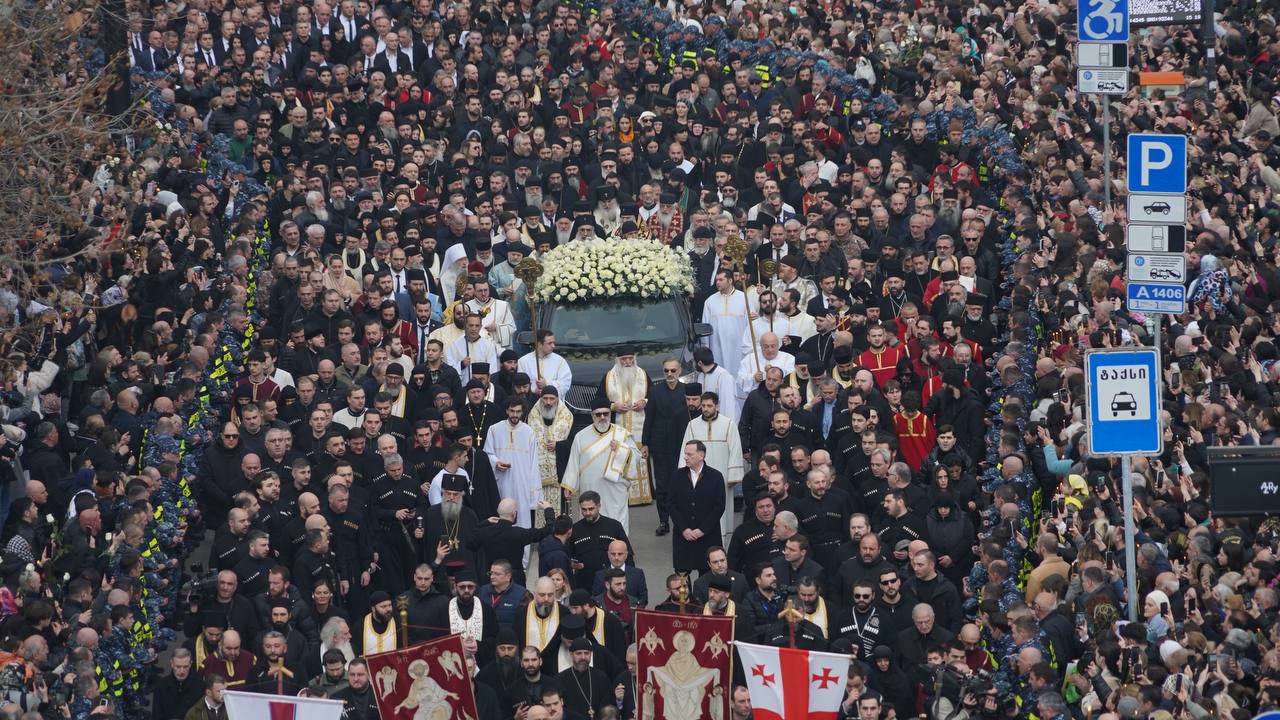
According to a study published by the organisation Myth Detector, following the death of Catholicos-Patriarch of All Georgia Ilia II, a campaign emerged in Georgia’s information space dividing society into two camps — the “mourning” and the “protesting”. This division not only reflected emotional reactions but also deliberately intensified confrontation.
In this context, politicians, journalists and citizens with critical views often became targets of discrediting campaigns. Their past statements and materials were circulated out of context to portray them as forces acting against the Church and the Patriarch.
Myth of ‘foreign influence‘
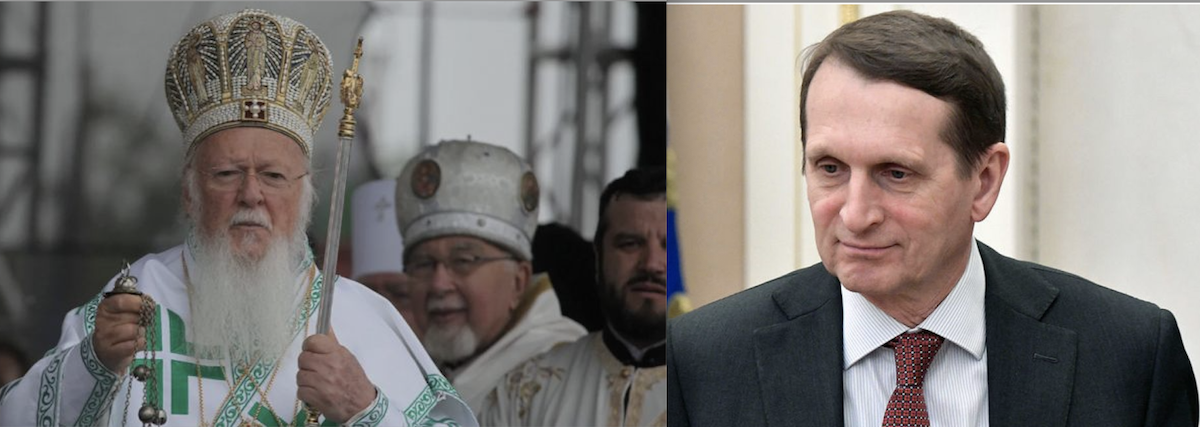
The study says one of the central narratives in the campaign framed attempts to discredit the Georgian Orthodox Church as a process organised by foreign forces — particularly the West. This narrative also suggested that external actors are now trying to gain influence over the Church and over the future Patriarch.
In this context, comparisons with a “Ukrainian scenario” were widely circulated. According to this claim, the West is attempting to interfere in the internal affairs of the Georgian Church, including the process of selecting a new Patriarch.
Debate around Metropolitan Shio
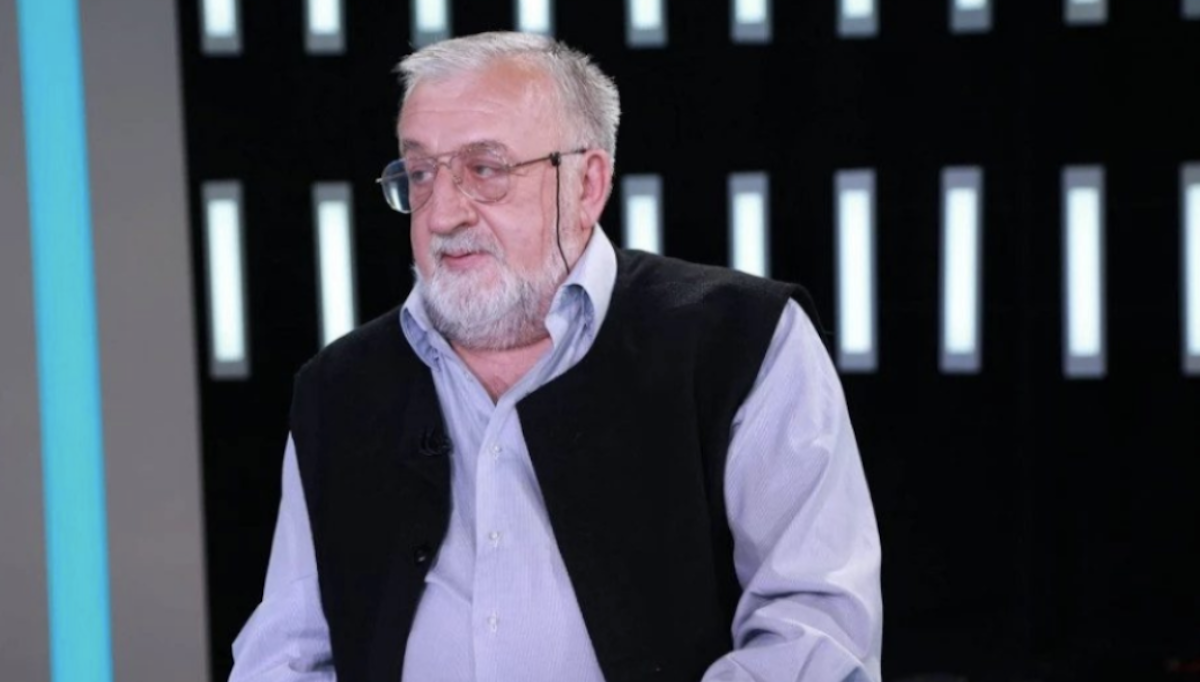
Particular attention was given to Metropolitan Shio, who is often mentioned as one of the leading candidates for Patriarch. The study says criticism directed at him was systematically framed not as an independent position but as a direct attack on the late Patriarch.
Within this narrative, respect for Ilia II was automatically linked to support for Shio, while criticism of him was portrayed as rejection of the Patriarch’s own choice. At the same time, views expressed against Shio were often described as part of a coordinated campaign by both domestic and foreign actors.
“Their assessments emphasise that because Shio is seen as one of the real contenders for Patriarch and a possible successor to Ilia II’s course, attempts to discredit him have intensified.
According to these actors, criticism of Shio is not driven by internal church issues but by political interests. They argue that the opposition seeks to align itself with public sentiment and use the Patriarch issue for its own purposes, while the campaign against Shio stems from fears that, as an independent figure, he would resist political influence and continue the Church’s current course,” the study says.
Actors and channels of propaganda
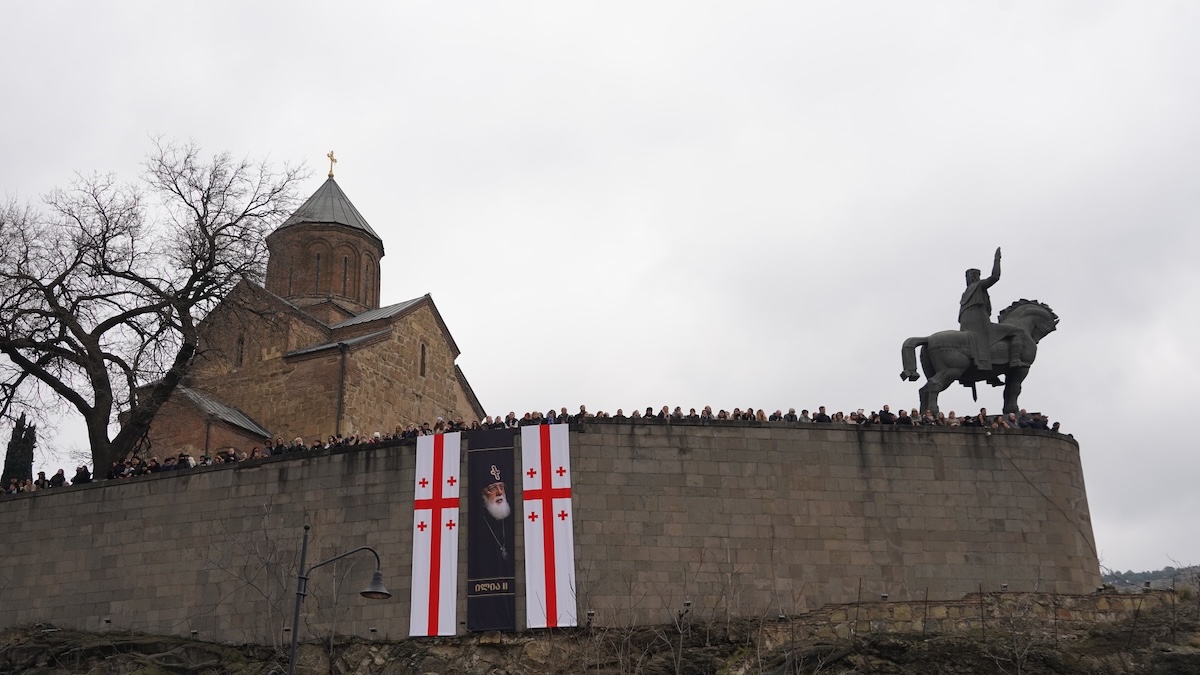
Monitoring by Myth Detector shows that these messages were spread by a wide range of actors. They included representatives of the ruling Georgian Dream party, journalists from pro-government media, various political groups and experts, as well as Kremlin-linked outlets and anonymous social media accounts.
The study says this diverse information flow produced a unified effect. It shifted public debate into a religious and emotional sphere and deepened political polarisation.
According to Myth Detector, such campaigns aim not only to discredit specific individuals or groups, but also to reshape public reality so that political confrontation appears as a conflict of values and identity.
Election of a new Patriarch of Georgia