“Severe human rights crisis in Georgia”: What the activation of the OSCE Moscow Mechanism means






OSCE Moscow Mechanism on Georgia
Material prepared based on information from the Georgian Young Lawyers’ Association (GYLA).
The report published on March 12, 2026, under the Moscow Mechanism of the OSCE presents a troubling picture of the state of human rights in Georgia.
Covering the period from spring 2024 to the present, the document describes systemic violations, the weakening of democratic institutions, and a growing trend toward the concentration of power.
The report widely refers to instruments of international law whose use is usually considered only in particularly serious cases — from universal jurisdiction to the court in The Hague.
The document outlines the problems in Georgia in the following key areas:
- Threats to political pluralism
- Violence and ill-treatment
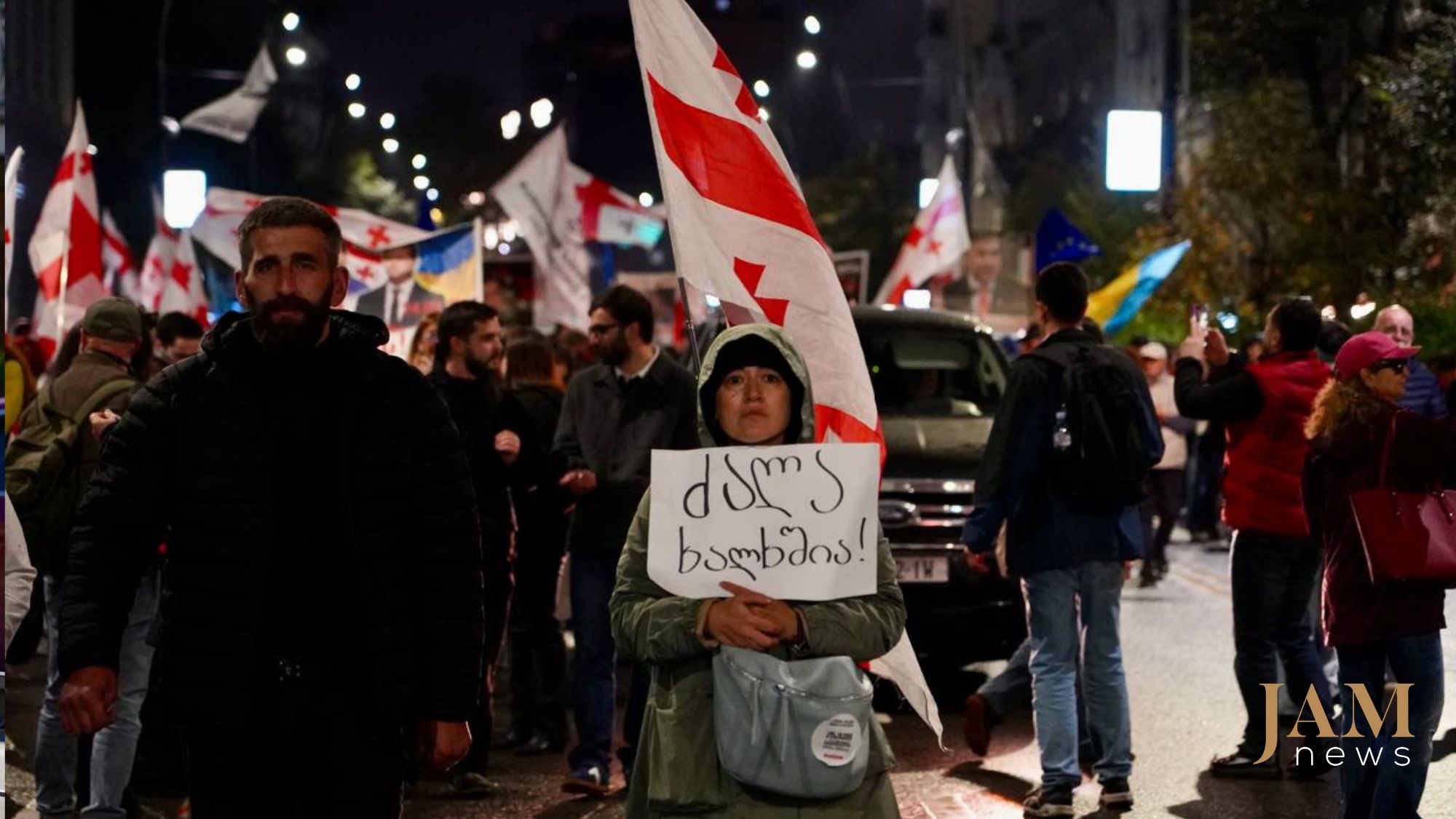
- Restrictions on freedom of assembly and expression
- The situation of civil society
- Problems with judicial independence
What the Moscow Mechanism is and why it was triggered in the case of Georgia
The Moscow Mechanism is one of the most powerful tools within the human rights system of the Organization for Security and Co-operation in Europe (OSCE). Its use becomes possible when a group of OSCE participating states believes that human rights commitments in a particular country are under serious threat.
In such cases, an independent expert gathers information and prepares a report that provides the international community with a fact-based assessment.
In the case of Georgia, the mechanism was triggered on January 29, 2026, with the support of 23 OSCE participating states.
Although such reports are not legally binding, they carry significant political and international authority and often become the basis for further international actions.
Allegations of torture and ill-treatment
One of the most serious parts of the report concerns possible cases of torture and inhuman treatment.
According to the expert, he was provided with numerous testimonies from people who reported violence by the police. These testimonies were often accompanied by photo and video materials, as well as medical documentation.
Although the expert was not able to independently verify every individual case, the volume and consistency of the information create a coherent overall picture.
The report notes that such materials contain the main indicators of torture. It also states that the force used during protests, contrary to the authorities’ claims, may have been neither necessary nor proportionate.
Particular concern is raised by the fact that investigations into cases of police violence were assessed as insufficiently effective. The expert notes that in such circumstances the state may be violating its international obligations prohibiting torture.
Possible use of international law
The severity of the report is especially evident in its recommendations.
The document urges the international community, if necessary, to consider the use of universal jurisdiction – that is, having national courts in countries other than where the crime occurred examine the cases.
Several other international mechanisms are also considered:
- Filing an inter-state complaint with the UN Committee Against Torture
- Referring the dispute to the International Court of Justice
- Examining the situation at the International Criminal Court (ICC)
- Investigating possible use of chemical agents under the framework of the Organisation for the Prohibition of Chemical Weapons (OPCW)
These mechanisms are rarely used, which further underscores the seriousness of the issues described in the report.
The report also calls on the international community to assist people who have chosen to leave the country due to human rights violations.
Restrictions on freedom of assembly and expression
The report critically assesses legislative changes related to protests.
According to the expert, the sanctions imposed are often disproportionately severe. Problematic practices include the use of administrative detention and rules such as the complete ban on covering one’s face during demonstrations.
The report also highlights a worsening situation for the media. Cases of attacks on journalists are noted, as well as legislative changes that may create a “chilling effect,” pushing journalists and critics toward self-censorship.
The law “On Family Values” is also criticized, as the expert considers it incompatible with freedoms of expression and assembly.
Civil society and “foreign influence” laws
The report also addresses laws affecting non-governmental organizations and international funding.
The expert aligns with the critical assessments of the Venice Commission and other international bodies, noting that such laws not only restrict freedom of association but also impact other fundamental rights.
The document calls on authorities to repeal the relevant regulations.
Use of the criminal justice system for political purposes
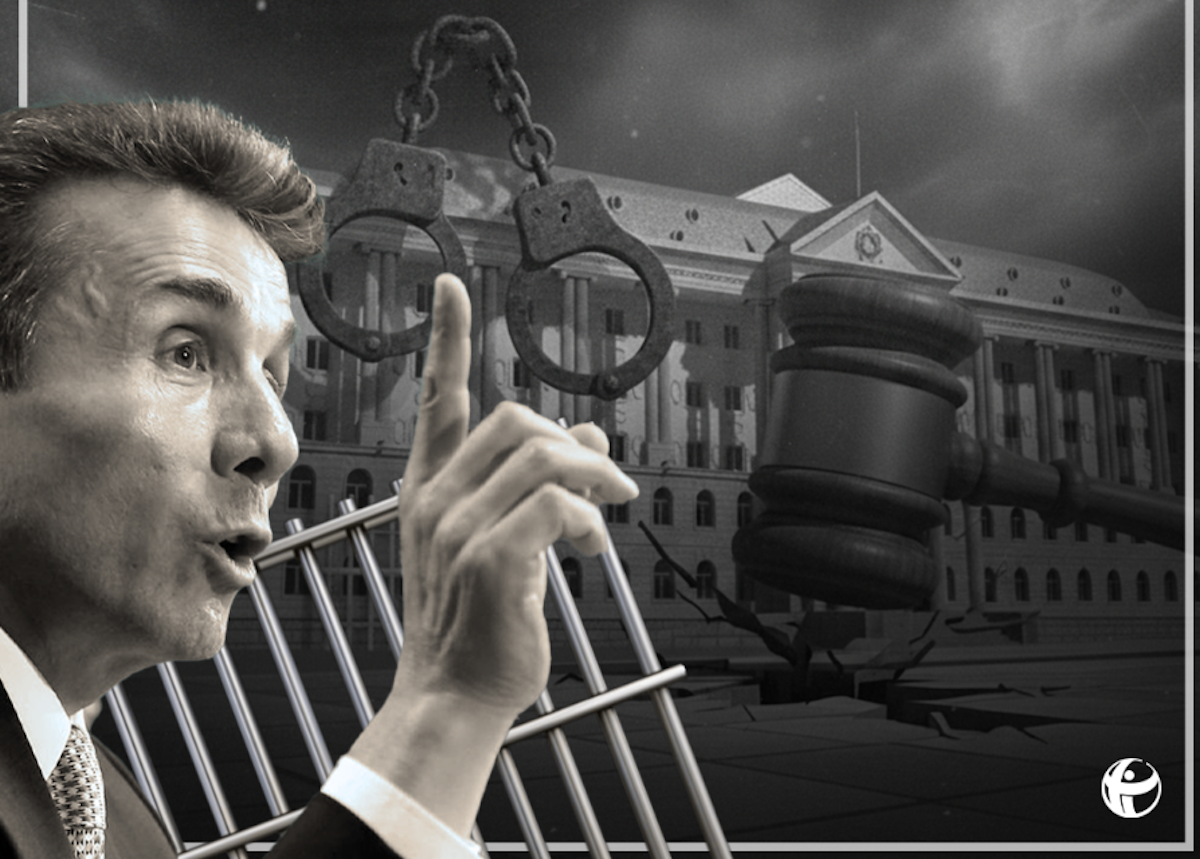
The report highlights the selective use of criminal justice mechanisms for political ends.
According to the expert, in certain cases, law enforcement is used to suppress dissent, putting particular pressure on opposition figures, activists, and journalists.
The document calls on the authorities to immediately release individuals detained for political reasons and to avoid such practices in the future.
Problems with judicial independence
The report pays special attention to the independence of the judiciary.
The expert notes that the broad powers of the High Council of Justice – including appointments, promotions, and disciplinary proceedings against judges – create opportunities for systemic control.
Additional concerns include the lack of transparency in the Council’s activities and the widespread perception that the judiciary is under the influence of powerful groups.
Weakening political pluralism and the risk of “state capture”
One of the key terms in the report is “state capture,” which the expert uses to describe a situation in which the ruling political force gradually establishes control over state institutions.
According to the report, this control allows the government to quickly make legislative changes and use state institutions against political opponents.
The document identifies several practices contributing to the systematic weakening of the opposition:
- Attempts to ban political parties
- Cases brought against opposition leaders
- Inadequate response to incidents of violence
- Media campaigns aimed at discrediting opponents
The report calls on authorities to refrain from such actions against the opposition.

Elections and democratic processes
The report also addresses recent elections.
The expert recommends conducting an independent and impartial investigation into all allegations of electoral violations.
Reforming the electoral system in line with international recommendations and ensuring full participation of international observers in future elections is also considered important.
Conclusion: why international involvement may increase
The final section of the report emphasizes the complex nature of the problems.
The expert calls on the international community to actively use various UN special mechanisms on issues such as arbitrary detention, torture, freedom of expression, judicial independence, and other topics.
Recommendations for such broad international engagement are rare and indicate that, in the expert’s assessment, the situation in Georgia can no longer be addressed solely through domestic institutions.
The overall conclusion of the document is clear: human rights in the country, the independence of democratic institutions, and political pluralism face serious challenges, and the importance of international oversight over these processes is rapidly increasing.
News in Georgia