Expert assesses Georgian Dream’s 2024–26 laws targeting civil society






Lawyer on repressive laws in Georgia
Nona Kurdovanidze has published and commented on a list of laws adopted by the ruling party between 2024 and 2026 that she says aim to gradually eliminate the space for civil society activity.
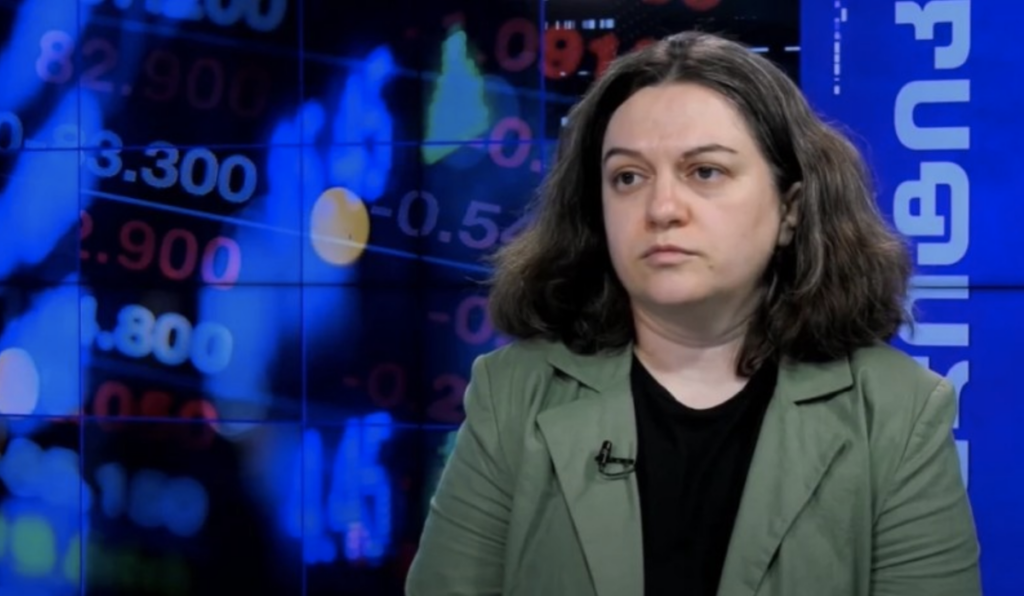
Nona Kurdovanidze:
“The repressive laws adopted in 2024–2026 with the aim of gradually eliminating the space for civil society activity include:
● Law on the Transparency of Foreign Influence
The law adopted in May 2024 requires all non-governmental and media organisations that receive more than 20% of their annual funding from foreign sources to register in a specially created register of “foreign agents”. They are therefore labelled as organisations promoting the interests of a foreign state. Refusal to register carries serious financial penalties.
At present, 385 organisations are listed in the register. However, a significant number of organisations, including human rights groups, have refused to register. More than a hundred organisations have challenged the issue at the European Court of Human Rights in Strasbourg.
● Law on the Registration of Foreign Agents
The law on the registration of foreign agents — described by the authorities as an analogue of the US Foreign Agents Registration Act — was adopted in 2025 and further tightened control over foreign funding.
A person must register as a “foreign agent” if they participate, directly or through another person, in political activity in Georgia in the interests of a foreign principal and at the same time act under that principal’s direction, request, instruction or control. The definition of political activity is so broad that it can include almost any activity capable of influencing society on any issue. Violating the law carries criminal liability and a prison sentence of up to five years.
● 2025 amendments to the law on grants
Amendments adopted on 16 April 2025 banned the issuance of foreign grants without prior approval from the Georgian government. If a grant is issued without government consent, the recipient organisation will face a fine equal to twice the amount of the grant received. The amendments also prohibit changes to grant agreements concluded before 16 April 2025 without government approval.
This means that when a donor applies to the government for approval, the authorities will assess:
- the purpose of the grant
- the amount of the grant
- how the grant will be used
- whether the grant aligns with state interests and programmes
In practice, this means that funding for civic initiatives now depends on whether they align with the government’s political vision. In reality, this gives the authorities significant control over their activities.
After these changes, the Anti-Corruption Bureau of Georgia gained oversight of more than 100 organisations. After the bureau was abolished, its powers were transferred to the State Audit Office of Georgia on 2 March.”

● Amendments to the law on grants (2026)
Amendments adopted on 4 March 2026 further expanded state control over foreign support.
Under the changes, grants now include not only financial assistance but also technical support, the exchange of professional knowledge, expert consultations and technological assistance. All of these forms of support now require prior approval from the government. The amendments also set procedures for requesting government approval for grants that organisations have already received.
The most serious changes concern the introduction of criminal liability.
Under the new rules, violations of the law on grants qualify as a serious offence. Instead of administrative fines, the law now предусматривает criminal liability, including prison sentences of up to six years for individuals. Authorities may also liquidate legal entities. Criminal proceedings may target not only organisations but also their directors and management staff.
Administrative liability now applies only to violations committed by representative offices and branches of foreign organisations in Georgia. If they receive funding or technical support from their parent organisations without government approval, authorities will impose fines.
The reclassification of the offence as a serious crime also allows investigative bodies to carry out covert telephone surveillance with court approval.
Despite the pressure, civil society organisations say they will continue their work and remain committed to activities they consider critically important for society.

Lawyer on repressive laws in Georgia