Opinion: 'Possible influx of refugees from Iran poses Armenia’s biggest challenge'






Iran conflict impact on Armenia
The joint US–Israeli military operation in Iran has entered its third day. The strikes killed Iran’s Supreme Leader, Ayatollah Ali Khamenei. Donald Trump said that “48 Iranian leaders were eliminated in a single strike”. Among them were the minister of defence and armed forces support and the chief of the general staff.
In response, Iran launched missiles at Israeli territory and attacked 14 US military bases in Persian Gulf countries.
The US president also said the war against Iran could last four weeks. At the same time, Iran’s Supreme National Security Council secretary, Ali Larijani, said his country would not negotiate with the United States. He stressed that Iranian armed forces did not start the hostilities.
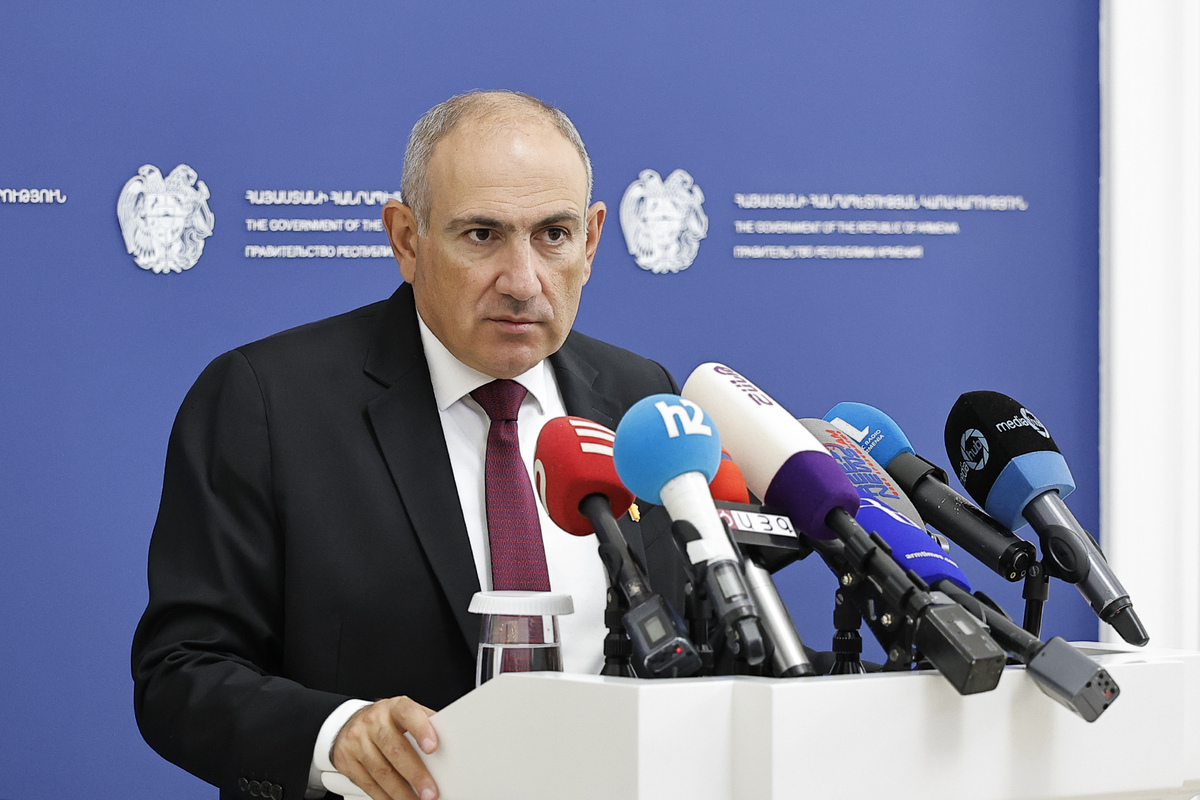
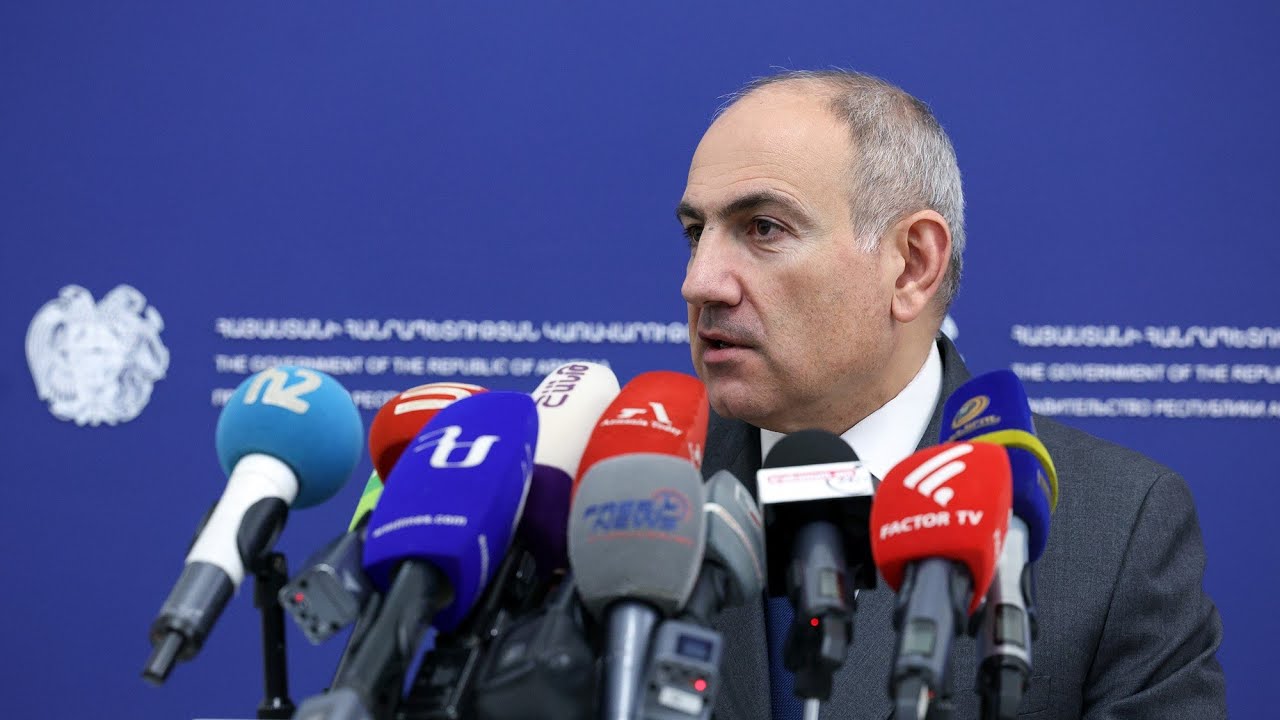
Developments in the neighbouring country have raised concern in Armenia. Authorities have created a working group to manage potential risks. The Security Council met yesterday under the chairmanship of the prime minister.
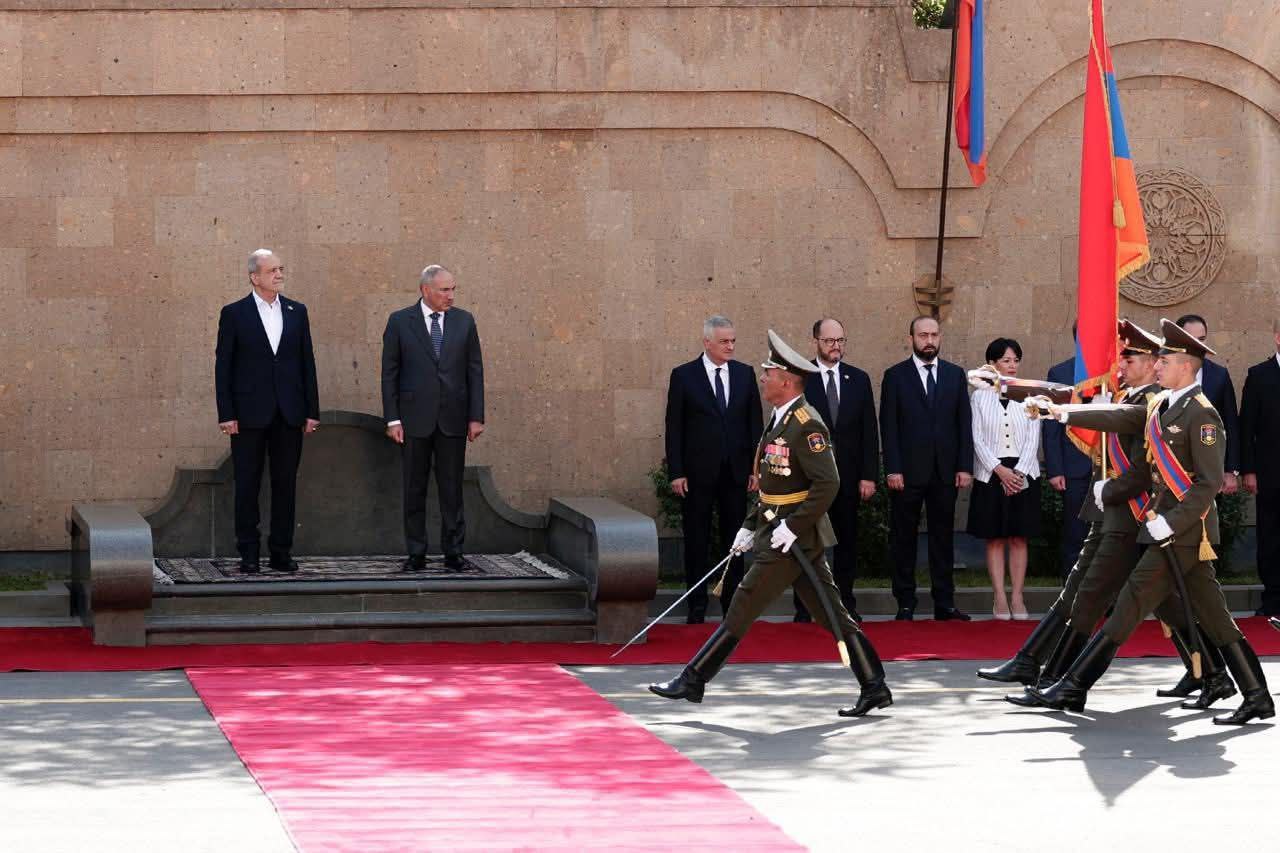
Today, Armenian Foreign Minister Ararat Mirzoyan held a phone call with his Iranian counterpart, Seyed Abbas Araghchi. Iran’s embassy in Armenia said that Yerevan “expressed condolences over the death of the Supreme Leader, Iranian citizens, women and children”.
“Ararat Mirzoyan said Armenia stands ready to provide any necessary humanitarian assistance in the current circumstances and expressed hope for a diplomatic resolution of the situation,” the embassy said.
Political analyst Robert Ghevondyan believes Armenia should maintain its current position. In an interview with JAMnews, he stressed that Armenia expressed condolences but did not state its “political position”.
“This creates an opportunity for neutrality, which Armenia is using. At this stage, this is the best possible option,” he said.
Ghevondyan also discussed possible scenarios around Iran and their impact on Armenia.
Everything known at the time of publication, along with the political analyst’s comment.
- ‘Armenian-Iranian relations are not a bargaining chip’: Yerevan reassures Tehran
- Analysis: how Israel-Iran conflict could affect Armenia’s economy
- ‘Problems must be resolved without use of force’: Iranian foreign minister visits Yerevan
Phone call between the Armenian and Iranian foreign ministers: two different readouts
During the phone call with his Armenian counterpart, Iran’s foreign minister said the country had been drawn into a “full-scale war”. According to Iran’s embassy, Seyed Abbas Araghchi described the US operation as “illegal and unjustified aggression”.
“The Islamic Republic of Iran, in response to this unacceptable aggression, struck occupied territories and US military bases in the region. Iran stands ready to continue self-defence for as long as necessary and to avenge the death of its leader,” he said.
Armenia’s foreign ministry statement does not mention Araghchi’s remarks. It is generally less detailed. It says the sides discussed the situation in the Middle East and humanitarian issues.
“Mirzoyan expressed condolences to the families of those killed in Iran and stressed the importance of reducing tensions and achieving a peaceful settlement.”
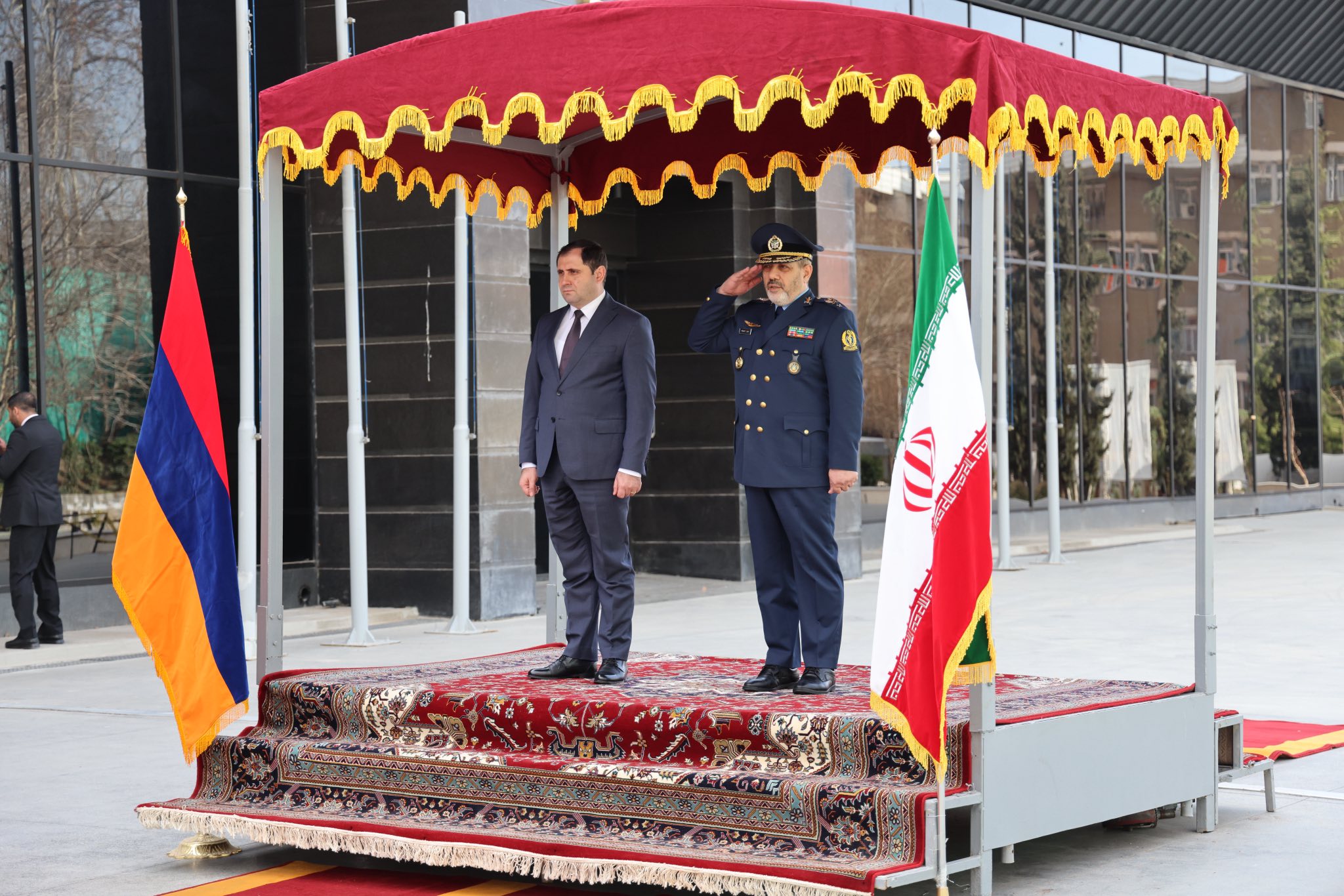
Yerevan calls for the “swift restoration of peace”
Armenian Prime Minister Nikol Pashinyan sent a message of condolence to Iranian President Masoud Pezeshkian.
“We will always remember the personal role of the Supreme Leader of the Islamic Revolution, Ali Khamenei, in the development of Armenian–Iranian relations,” the message said.
Pashinyan noted that Armenia is following developments around Iran with deep concern.
“In this difficult time, we hope for the swift restoration of peace and stability in the Middle East.”
On 28 February, the day the operation began, Armenia’s Security Council said it had held a meeting to discuss the situation in the Middle East. On 1 March, at a Security Council session, Foreign Intelligence Service chief Kristinne Grigoryan presented a report on developments around Iran and across the Middle East. “Following the meeting, the prime minister gave the necessary instructions. Participants expressed deep regret over the tragic events, offered condolences to the victims and stressed the need for the swift restoration of peace,” the Security Council said.
No information yet on Armenian citizens among the victims
In recent days, Armenia’s foreign ministry has said that all diplomatic missions are closely monitoring the situation in the Middle East and will continue to do so. The ministry has also published contact details for Armenian diplomatic missions in Iran, Israel and other countries in the region.
Officials said Armenian embassies and consular sections in Iran and Israel continue to operate around the clock. At the same time, they noted that they have not received a large number of requests from Armenian citizens.
The foreign ministry says it has no information at this stage about whether any Armenian citizens are among the victims.
The government has also taken steps to bring home citizens who remain in Middle Eastern countries after flight cancellations. Authorities will most likely organise their return by air. This particularly concerns those currently in the United Arab Emirates.
“If a flight is arranged, priority will go to women, children and the elderly,” officials told those awaiting departure.
Commentary
Political analyst Robert Ghevondyan believes the United States is not trying to prevent Iran from acquiring nuclear weapons but aims to dismantle the country’s theocratic system.
“Regime change would prevent the sale of cheap oil to China and help resolve several issues related to other resources.”
He says two possible scenarios could emerge.
- “Iran’s religious leadership could retain power, and at least at this stage the United States and Israel could abandon their goal of regime change.
- Or they could fail to hold on to power, which would lead to regime change in Iran.”
Ghevondyan believes both scenarios would affect Armenia.
If regime change takes place, Armenia would “gain more”, as its neighbour could become democratic and open up additional opportunities for international engagement.
“Of course, this applies only if worse outcomes do not follow regime change. Let us assume another dictatorship does not emerge, although in my view that is unlikely.”
Under the second scenario, if regime change does not occur, Armenia would continue its relationship with Iran as before. He notes that Iran remains a partner and a friendly country for Armenia and is likely to remain so.
According to the analyst, the biggest challenge for Armenia could be a large influx of refugees.
He stresses that this would not involve Iranian Armenians but Iranian refugees in general.
“Four weeks — the timeframe announced by Trump — is a long period. Armenia will most likely face a refugee influx. This raises issues related to state resilience, stability and governance. We will see how Armenia copes with this challenge.”
He also does not rule out serious economic consequences for Armenia if the conflict continues.
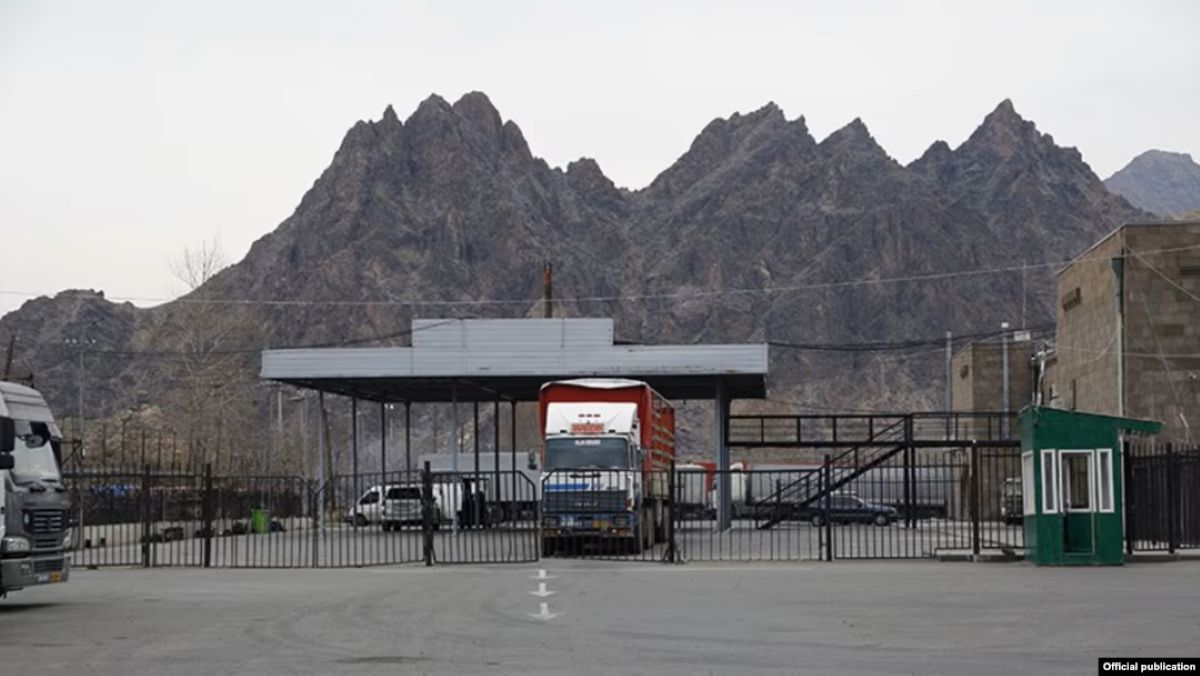
“The transport of cargo from Iran to Armenia has already stopped. Shipments remain stranded in Turkmenistan and the UAE. They were expected to pass through Iran in the coming days to reach Armenia. Now they will not be able to arrive while the war continues. Because of sanctions, transporting goods through Russia will also be impossible. Economic problems will worsen.”
The analyst also noted that Yerevan and Tehran cooperate under the “gas in exchange for electricity” programme. If the conflict drags on for months, disruptions could affect this arrangement as well.
“I do not expect strikes on Armenian territory, Armenia’s involvement in any processes, or problems for Armenia from other actors, including Azerbaijan,” Robert Ghevondyan said.
Speaking about the consequences of cancelled flights from Middle Eastern countries to Armenia, he said the disruption would affect not only tourism but also broader economic activity.
“A significant volume of goods, including from European countries and South America, reaches Armenia by air through Middle Eastern hubs. Airlines transport them on flights from Qatar and the UAE. Those flights are now suspended. Armenian companies therefore have to look for alternative routes. Delivery costs will increase significantly. If the conflict continues, prices for certain goods could rise”
Iran conflict impact on Armenia