Pension rise in Armenia: economic growth or voter handout?






Armenia pension rise sparks debate
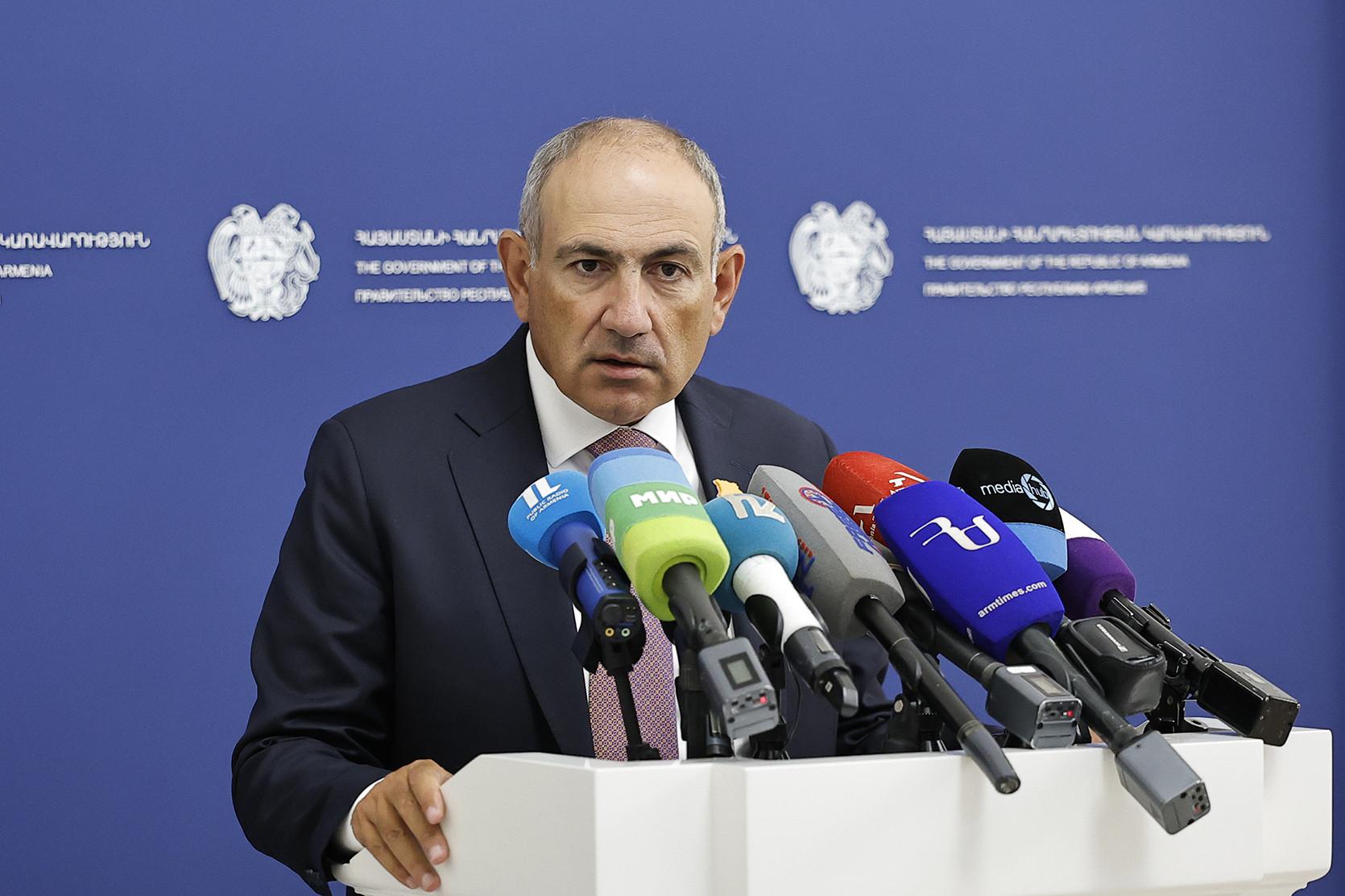
From 1 April 2026, pensions, old-age benefits and disability payments in Armenia will increase by 10,000 drams ($26.7). Prime Minister Nikol Pashinyan was the first to announce that the government had approved the decision. He said the move fulfils a commitment to raise the minimum pension to the level of the minimum food basket, and the average pension to the level of the consumer basket. The prime minister also explained why the government had chosen to act now.
“Armenia’s economic growth in 2025 exceeded expectations. This creates additional opportunities for us. Armenian citizens should feel the results of that growth in their everyday lives,” Pashinyan said.
Economy Minister Gevorg Papoyan likewise linked the pension increase to economic growth. Parliamentary opposition parties, however, dismissed the argument as unconvincing. They described the rise — announced three months before elections — as “pre-election vote buying”.
Opposition figures point out that just two months earlier the prime minister had told parliament that pensioners spend most of their income on healthcare. He said the government would include them free of charge in the compulsory health insurance system from the beginning of this year. At the time, Pashinyan argued there was no need to increase pensions by 10,000 drams, saying: “We are directing those 10,000 drams towards their insurance.”
More details on how and by how much pensions will increase, what the authorities and their critics say, as well as reactions from pensioners on social media, follow below.
- Is Pashinyan rebranding ahead of elections? BBC looks at PM’s music videos on social media
- Pre-New Year bonus for Armenia’s 107 MPs — nearly $5,000 each
- Performance-based salary bonuses: Armenia launches pilot programme in state agencies
Pashinyan: “Pensioners themselves also contributed to this decision”
The prime minister said the government managed to approve the pension increase primarily thanks to citizens and businesses operating in Armenia — people who work and pay taxes.
“This is a very important logical chain: work — taxes paid — pensions [and their increase]. By paying taxes, people invest in their own wellbeing. Just as importantly, they strengthen their state, as well as its independence and sovereignty. That creates opportunities for the country’s further development,” he said.
Pashinyan added that pensioners themselves had also played a role in making the decision possible.
“Since the introduction of the cashback system, they have increasingly switched to cashless payments. In doing so, they help reduce the shadow economy in Armenia.”
Armenia runs a cashback programme for people who receive pensions and social benefits. When they make cashless payments, they receive a 20% refund to their bank cards. The monthly cap stands at 10,000 drams. The government links this programme to the broader increase in pensions and benefits. It will keep the cashback system in place after 1 April, when the higher payments take effect.
Social affairs minister explains changes: minimum pension to reach $123
Labour and Social Affairs Minister Arsen Torosyan outlined key details of the decision, which will take effect on 1 April. He said Armenia calculates pensions using different formulas, with the basic pension playing a central role. It currently stands at 24,000 drams ($64.17) and will rise to 34,000 drams ($90.9).
“All pensions calculated on the basis of a 24,000-dram basic pension will now use a base of 34,000 drams. As a result, all pensions calculated under this system will increase by 10,000 drams,” he said.
The minister also announced an increase in the minimum pension. It previously stood at 36,000 drams ($96.2) and will rise to 46,000 drams ($122.9).
He stressed that the decision covers not only pensions but also several types of social benefits, including:
- old-age benefits paid to people with insufficient work experience,
- disability benefits,
- survivor’s benefits,
- and long-service payments for military personnel.

Annual costs to rise by $200m
“We will allocate an additional 75bn drams [more than $200m] per year following the 10,000-dram increase in pensions, old-age benefits and disability payments,” Economy Minister Gevorg Papoyan wrote on his Facebook page.
He said the decision will affect more than 660,000 citizens.
The 2026 state budget did not include these additional costs. The government will cover the amount from its reserve fund, the minister explained.
Papoyan said Armenia’s economy grew by 7.2% in 2025, which made the pension increase possible. Officials had projected growth at around 6% by the end of the year. That forecast did not allow for higher spending.
On 20 February, the Statistical Committee published the final economic growth index. The updated figure gave the government confidence to approve the additional expenditure, Papoyan said.
“This is vote buying”
Kristine Vardanyan, an MP from the opposition Armenia faction, posed several questions to the authorities:
“If the pension increase was possible, why did the government not include it in the state budget? Another question arises: will everything positive happen only during the six pre-election months?”
She described the decision to raise pensions ahead of the 7 June parliamentary elections as clear “vote buying”.
“Moreover, this amounts to running an election campaign using state budget funds,” she said.
Who “forced” the government to raise pensions?
Several opposition groups claimed credit as soon as officials announced the increase. They said the government acted under pressure from them. Among those making such claims were the Strong Armenia party, the For Social Justice party and the civic initiative Hayakve.
Russian-Armenian businessman Samvel Karapetyan leads Strong Armenia. Authorities have placed him under house arrest on charges of calling for a seizure of power. He has said he intends to seek the post of prime minister if his party wins the election. Under Armenia’s constitution, however, he cannot hold that office because he holds citizenship of Armenia, Russia and Cyprus.
“If Samvel Karapetyan forced the government to raise pensions before the election, can you imagine what he would do as prime minister? Karapetyan would strengthen the economy and always take care of pensioners — not only before elections to hold on to power, as Pashinyan does,” his nephew and Strong Armenia political council member Narek Karapetyan said.
He argued that the government had eight years to raise pensions but acted only now, “in panic”, because it saw a new political force as a threat.
Local media have already challenged his claim that this marks the first pension rise in eight years. They reported previous increases in 2019, 2020 and 2023.
As multiple opposition groups sought to claim responsibility, Prime Minister’s Chief of Staff Araik Harutyunyan responded with irony: “Get together and decide who exactly forced us to raise pensions, so we can promote that version.”
Social media reactions
“This is pre-election theatre. After the elections, they will raise prices on basic goods and take this money back from the people.”
“The government is handing out pre-election bribes from the budget to stay in power.”
“Thank you, well done. Every step you take benefits the people.”
“We are steadily moving forward.”
“Don’t make people laugh. Now you will raise prices tenfold.”
“I’m very pleased, Mr Pashinyan. Please also raise teachers’ salaries.”
“Set the minimum pension at least at 50,000 drams ($133.68) so pensioners can afford medicines and pay utility bills.”
Armenia pension rise sparks debate