Chemical weapons allegations and legal battle: Georgia’s authorities respond to BBC






The dispute between the Georgian government and the British broadcaster BBC is entering a legal phase after the ruling Georgian Dream party filed an official complaint and demanded the removal of a report that said chemical weapons were used to disperse protests in Tbilisi in late 2024.
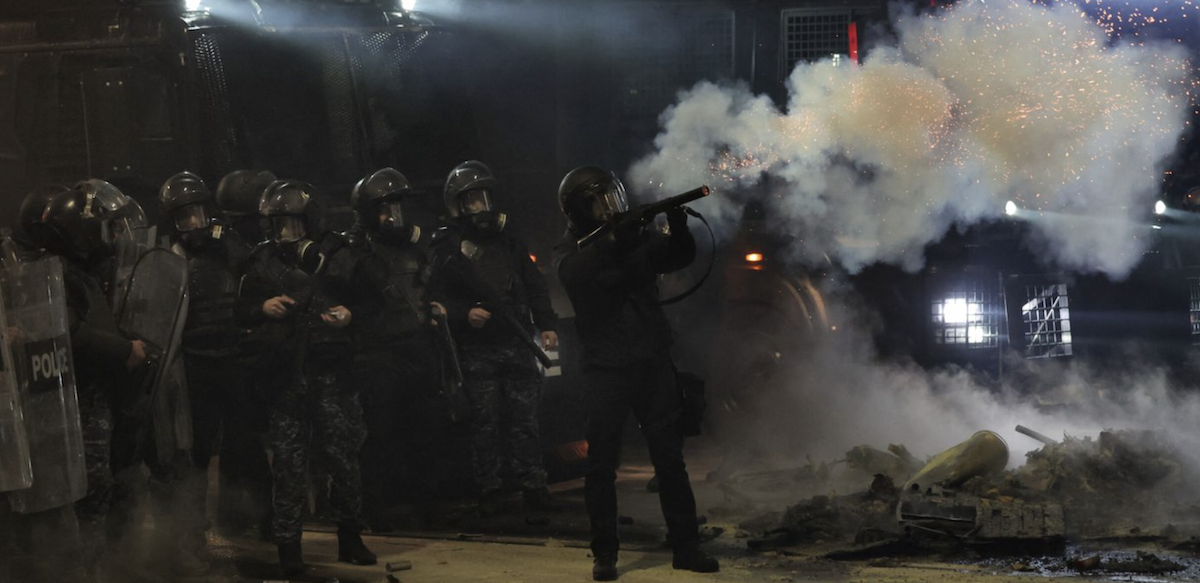
An investigative article and documentary published on 1 December 2025 say evidence obtained by the BBC suggests the Georgian authorities may have used “kamite,” a chemical weapon from the First World War, to disperse anti-government demonstrations in Tbilisi.
The BBC says it has already responded to the complaint. A company spokesperson said the process is proceeding under established rules and that the broadcaster stands by both the facts presented in the documentary and its independent investigation into the authorities’ response to the protests in Tbilisi.
Georgian Parliament Speaker Shalva Papuashvili said at a briefing on 15 January that, under procedures set out in UK law, the authorities first filed their complaint directly with the BBC. He added that if the broadcaster does not change its position, the next step will involve a complaint to Ofcom, the UK communications regulator. As a final measure, the Georgian authorities do not rule out taking the case to a British court.
Papuashvili said today that officials received the BBC’s formal response a few days ago. At this stage, lawyers are preparing a follow-up appeal under the second level of the broadcaster’s internal complaints procedure.
The dispute is unfolding against the backdrop of prolonged protests in Georgia and the authorities’ response, which have drawn international attention. The BBC investigation has become one of the sharpest international reports on the issue. The Georgian government’s response, through legal channels and public statements, suggests the matter has moved beyond a dispute with a media outlet and could reach British regulators and courts.
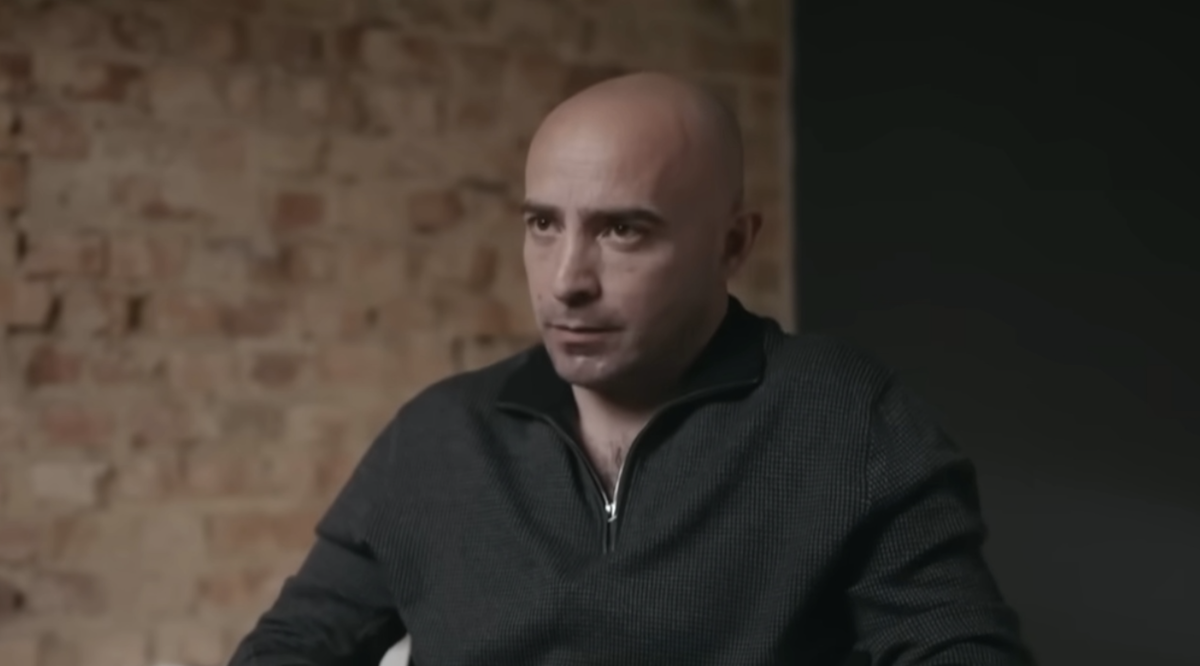
Georgian Dream vs BBC