US vice-president’s visit to Armenia hailed as ‘historic’ - what it delivered






US Vice-President JD Vance visits Yerevan
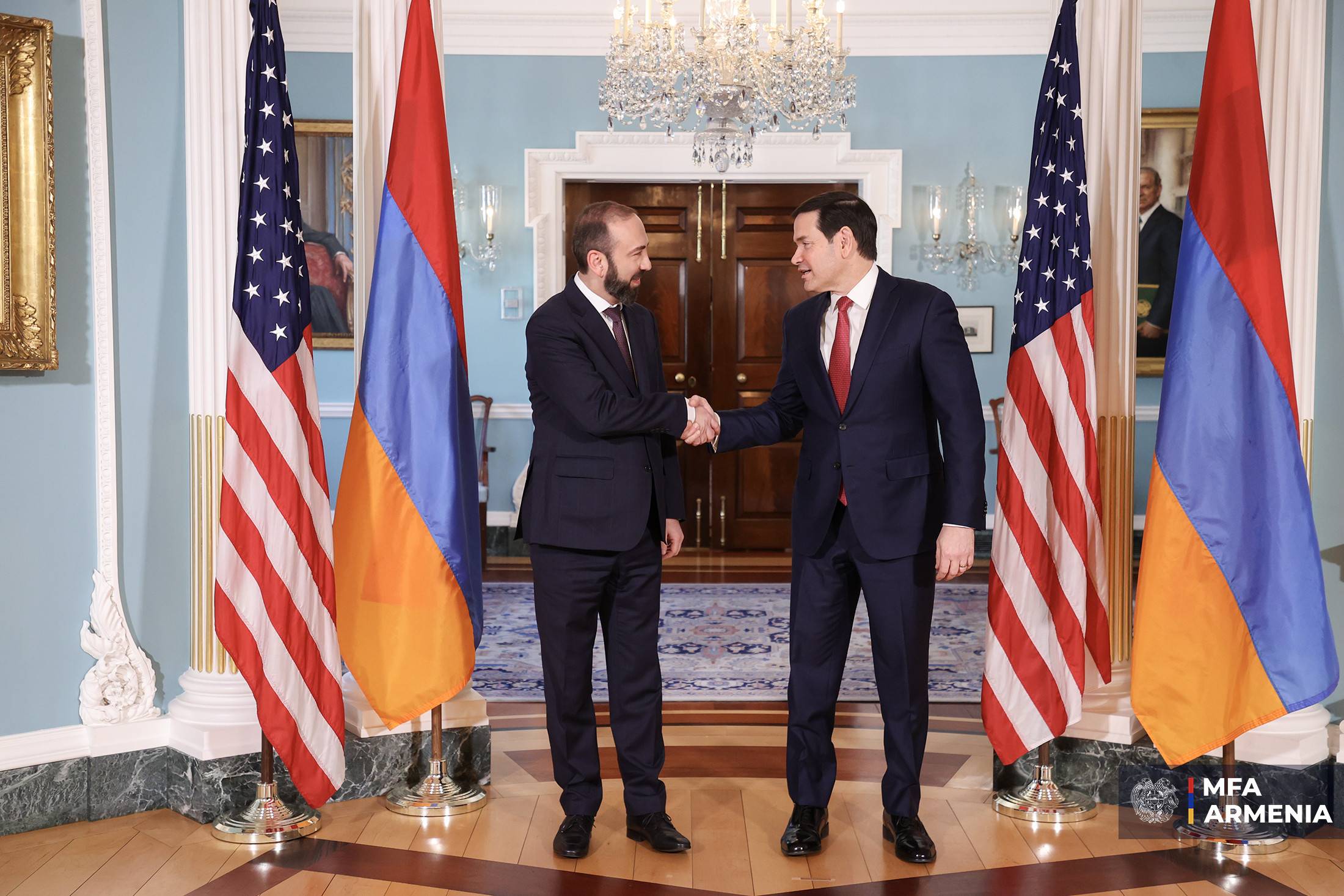
The official visit of US Vice-President JD Vance to Armenia has begun. He arrived in Yerevan accompanied by his wife, Usha Vance, and their children. He is expected to travel to Azerbaijan on 10 February.
Vance is the most senior US official ever to visit Armenia. Before him, the highest-ranking US visitor was House Speaker Nancy Pelosi, who travelled to Yerevan in September 2022.
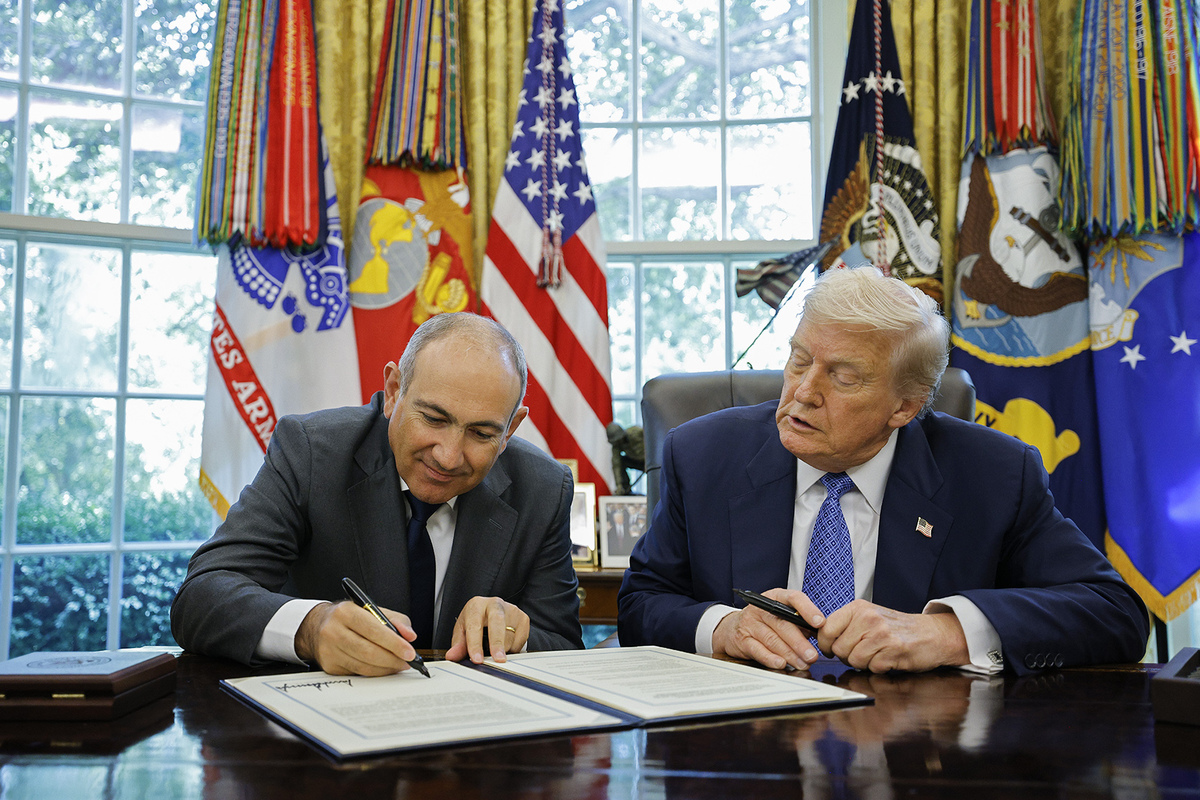
Following a bilateral meeting and subsequent expanded talks, the sides announced a number of agreements. Prime Minister Nikol Pashinyan and Vance said negotiations had concluded on a so-called “123 Agreement” on the peaceful use of nuclear energy, and that Armenia would purchase US-made V-BAT reconnaissance drones.
“We have approved the sale of $11m worth of reconnaissance drones to Armenia. We are confident that the peace that needs to be established will be sustainable,” JD Vance said.
Prime Minister Nikol Pashinyan, for his part, stressed that V-BAT drones had already proven their effectiveness, adding that they would make a significant contribution to strengthening Armenia’s defence capabilities.
According to the prime minister, the United States and Armenia also intend to develop mutually beneficial cooperation in other areas, including the “extraction and supply of critical minerals and rare earths”.
The US Embassy in Armenia described Vance’s visit as a “turning point” in the partnership between the two countries.
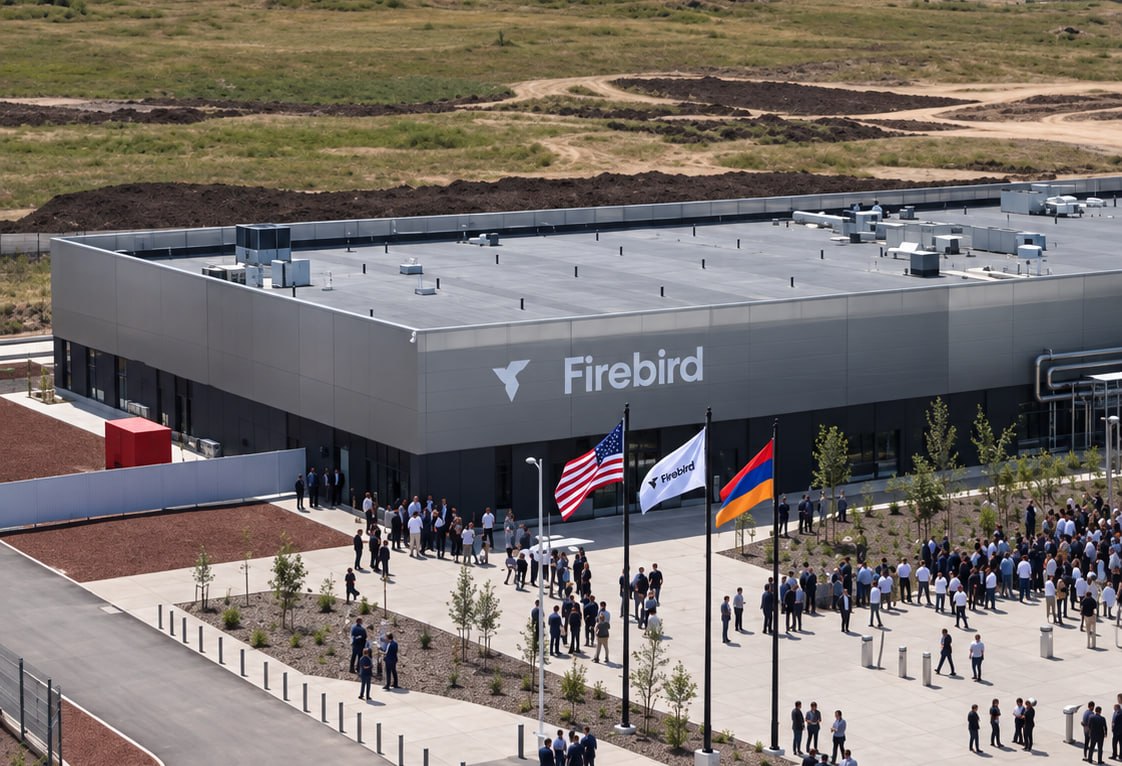
Armenian analysts also called the visit historic, citing both its political and economic dimensions. On the economic front, however, key agreements were reached earlier, in August 2025, when memorandums of cooperation were signed in Washington covering:
- AI and semiconductor innovation,
- civilian nuclear energy,
- and the promotion of a project to unblock regional transport links.
Ahead of the visit, many had expected Vance to attend the launch ceremony of the “Trump Route” project. While details of the visit had not been disclosed in advance, neither the US vice-president nor the Armenian prime minister mentioned such a possibility after the talks.
The “Trump Route for International Peace and Prosperity” (TRIPP) is a road project intended to connect Azerbaijan with its autonomous exclave of Nakhchivan via Armenian territory. On 8 August, the sides agreed in Washington that the route would remain under Armenian sovereign control, with the US joining the unblocking process as a business partner. The project was subsequently dubbed the “Trump Route” after the mediator.
“A visit by the US vice-president to the Armenian–Iranian border [near where TRIPP would pass] would increase tensions. Most importantly, there are security concerns. I don’t think there will be any launch ceremony,” said Aram Sargsyan, leader of the Republic Party.
- Opinion: ‘Armenia is returning to space it was pushed out of’
- Opinion: ‘Trump’s 25% tariffs will not be a major burden for Armenia’
- ‘Deepening ties with US and EU does not mean expelling Russia’ — Armenian foreign minister
Nikol Pashinyan and JD Vance sign document on cooperation in nuclear energy.
The sides announced the conclusion of negotiations on a so-called “123 Agreement” between the governments of Armenia and the United States on cooperation in the field of civilian nuclear energy.
“This agreement opens a new chapter in deepening the energy partnership between Armenia and the United States. It will help diversify Armenia’s energy resources and promote the introduction of safe and innovative technologies,” Pashinyan said.
According to the US vice-president, the “123 Agreement” will pave the way for future projects involving American and Armenian companies, create many jobs, and ensure energy security and stability.
“This means that small modular reactors — American technologies — will come to this country,” Vance said.
He added that the US rarely feels confident enough to export such technologies to another country.
The Armenian government plans to build small modular reactors to replace the operating unit at the Metsamor Nuclear Power Plant.
In recent days, Armenia’s Minister of Territorial Administration and Infrastructure David Khudatyan said that the construction of modular nuclear power plants is nearing completion in several countries, including European states, China and the US. He added that Yerevan would make a final decision in 2027, once these plants have been tested.
There is still no decision on which country Armenia will partner with on the project. However, in 2024, Secretary of Armenia’s Security Council Armen Grigoryan said that substantive talks on building a new nuclear power plant were being held specifically with the United States.
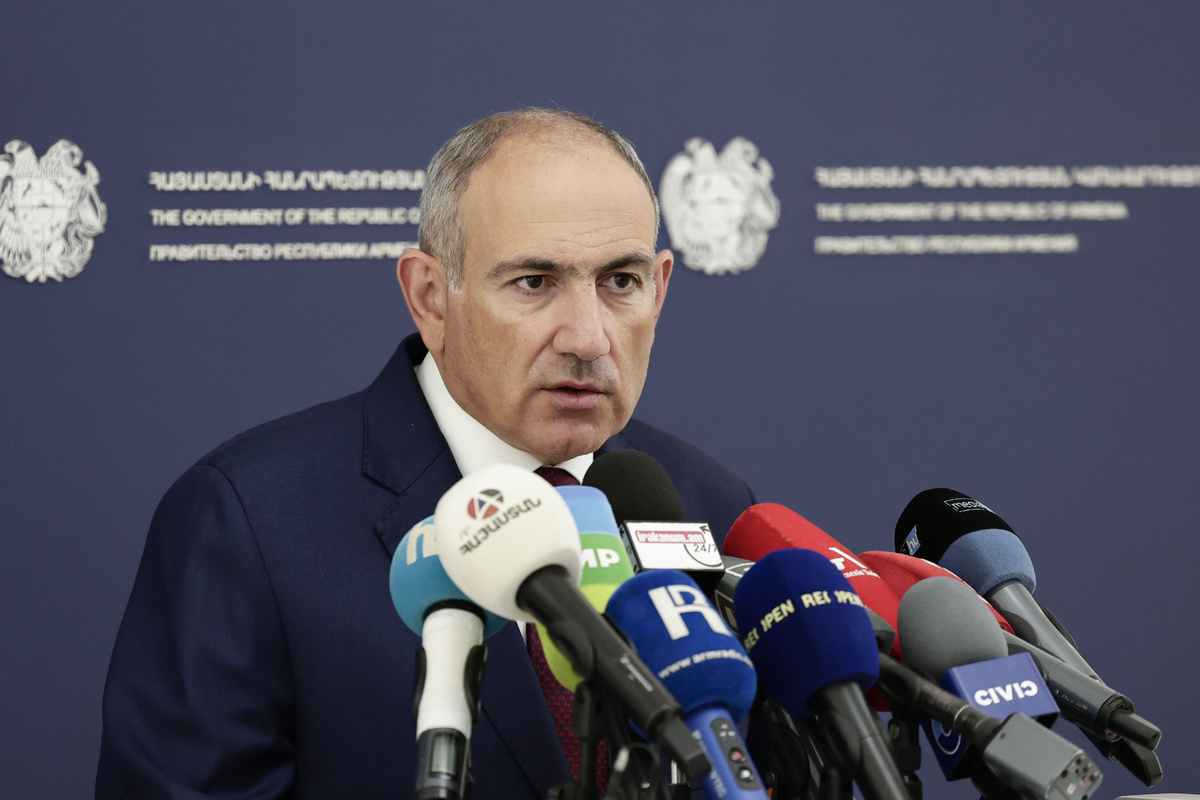
“I am proud to be the first US vice-president to visit Armenia.”
“What is happening here today is historic. I am proud to be the first US vice-president to visit this country,” JD Vance said.
He stressed that Armenia and the United States are jointly building not only peace, but also prosperity, announcing the start of a new phase in bilateral partnership.
Vance also spoke about Armenia’s purchase of next-generation graphics processing units from NVIDIA, a global leader in the field, noting that unlike Armenia, most countries around the world cannot count on such access.
He also touched on the implementation of the “Trump Route” (TRIPP) project, saying it would provide unprecedented connectivity between Armenia and neighbouring countries.
“A new world will open up for international trade, transit and energy flows,” he said.
“Armenia–US relations are at their peak”
Nikol Pashinyan said relations between Yerevan and Washington are “stronger than ever”, while still holding vast potential for further development.
“Today we are at the highest point, but the implementation of the agreed agenda will expand the scale of our cooperation many times over.”
According to Nikol Pashinyan, JD Vance’s visit to Yerevan is taking place in an unprecedented context of peace and stability in the South Caucasus
“The visit is a key step towards institutionalising peace and expanding the strategic partnership between Armenia and the United States.”
Pashinyan stressed that his talks with Vance covered:
- prospects for the full unblocking of the region,
- progress in Armenia–US relations, particularly in artificial intelligence and innovative technologies,
- he consistent implementation of the “Trump Route” (TRIPP) project.
“This programme [TRIPP], in addition to delivering serious peace dividends, will also have regional and global significance by facilitating unimpeded links between the West and the East,” Pashinyan emphasised.
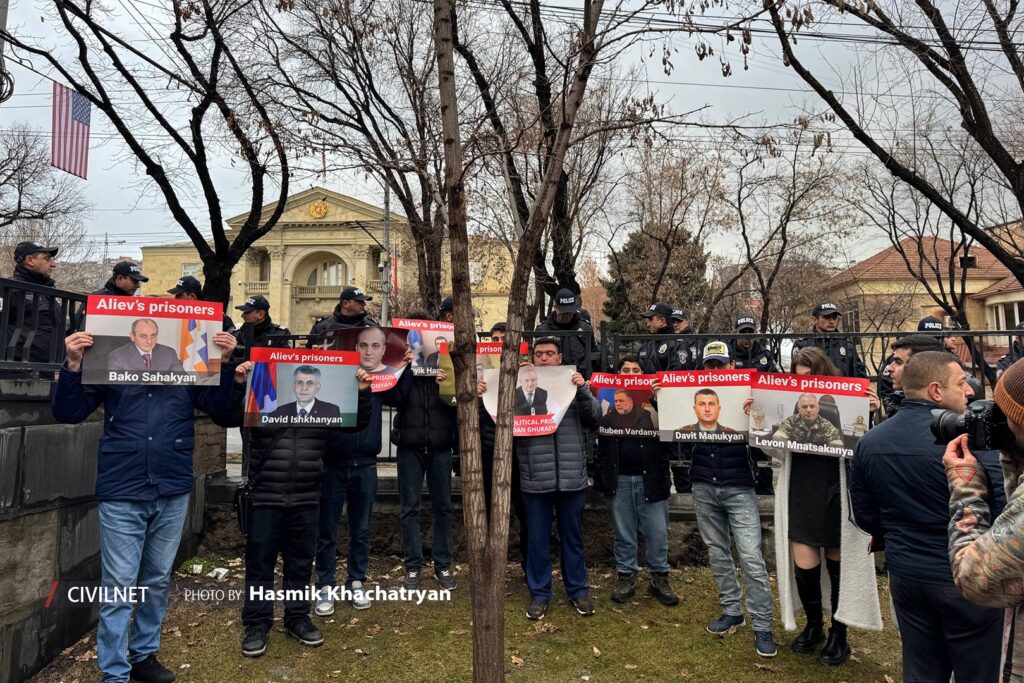
Protest calls for release of Armenians held in Baku
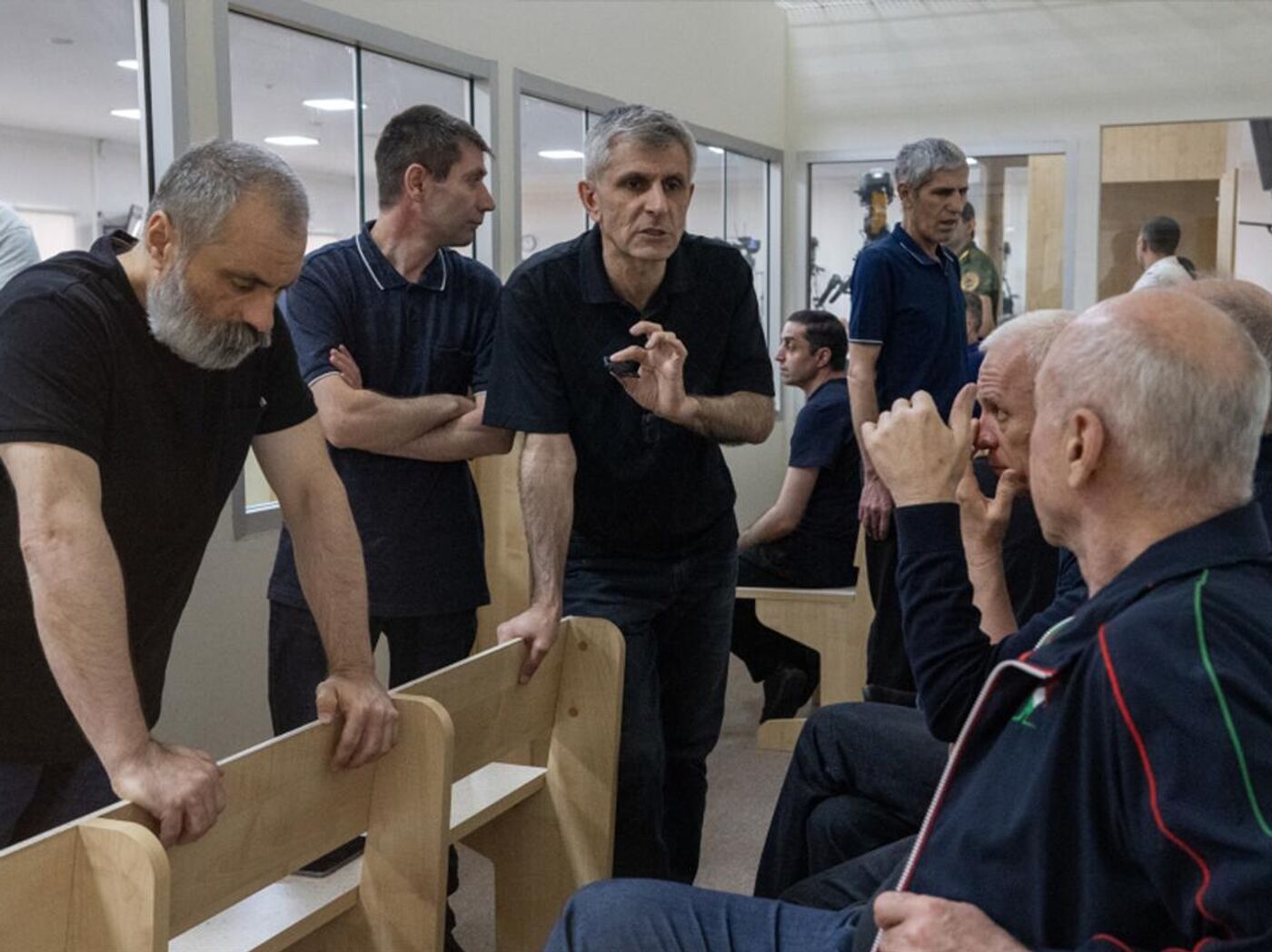
A protest by Karabakh Armenians took place outside the presidential residence where the US vice-president was meeting Armenia’s prime minister. Demonstrators held photographs of compatriots sentenced by a Baku military court to lengthy prison terms, including life sentences. They were chanting: “Free Armenian Christian hostages.”
“The issue of prisoners is not a matter of political bargaining. It is a matter of fundamental human rights and dignity,” the protesters said.
Deputy foreign minister explains interest in Armenia’s mineral resources
Ahead of JD Vance’s visit, Deputy Foreign Minister Vahan Kostanyan said statements were expected on artificial intelligence, semiconductors and nuclear energy, areas agreed in Washington on 8 August 2025. At the same time, he said a new agenda was also taking shape.
“New areas of cooperation are being identified, both in the security sphere and in the field of critical minerals.”
He spoke in particular about potential cooperation on minerals “of vital importance to Washington”, stressing that this goes beyond copper:
“We need to carry out studies to understand which of these minerals are present in our subsoil. We hope that our American partners will help us identify the country’s potential by providing their databases, as well as through additional research.”
The US Geological Survey has identified 50 minerals as critical to the United States’ national and economic security. They include 17 rare earth elements used across a wide range of industries, from wind turbines to smartphones.
Expert opinion
Political analyst Robert Ghevondyan said:
“There is dissatisfaction in Azerbaijan. I have observed it both among experts and journalists.
Azerbaijanis are concerned that Armenia is securing strategic agreements linked to semiconductor production and the development of nuclear energy. In return, Azerbaijan is receiving certain goods, including military items. Even so, many in Azerbaijan believe this is insufficient compared with what Armenia has gained.
This discontent is understandable, because manufacturing, building a nuclear power plant and similar projects imply long-term strategic development, whereas the supply of certain goods is a process with a limited timeframe.”