

Human Rights Watch raises alarm over rapid human rights decline in Georgia






Human Rights Watch on Georgia
According to a 2026 report by Human Rights Watch, the human rights situation in Georgia has deteriorated significantly over the past year. The organisation accuses the government of systematic pressure on civil society, independent media and peaceful protesters.
The report refers to the adoption of repressive laws, police violence and the persecution of opposition figures and journalists. According to international assessments, these developments have effectively stalled Georgia’s integration process with the European Union.
Human Rights Watch concludes that in 2026 the ruling party, Georgian Dream, adopted a package of laws aimed at silencing critical voices among NGOs, independent media and activists.
The report says the government’s repressive policies are no longer limited to isolated incidents. Instead, they have become a systemic practice undermining freedom of expression and assembly, as well as the foundations of political pluralism.
Repressive laws and control over foreign grants
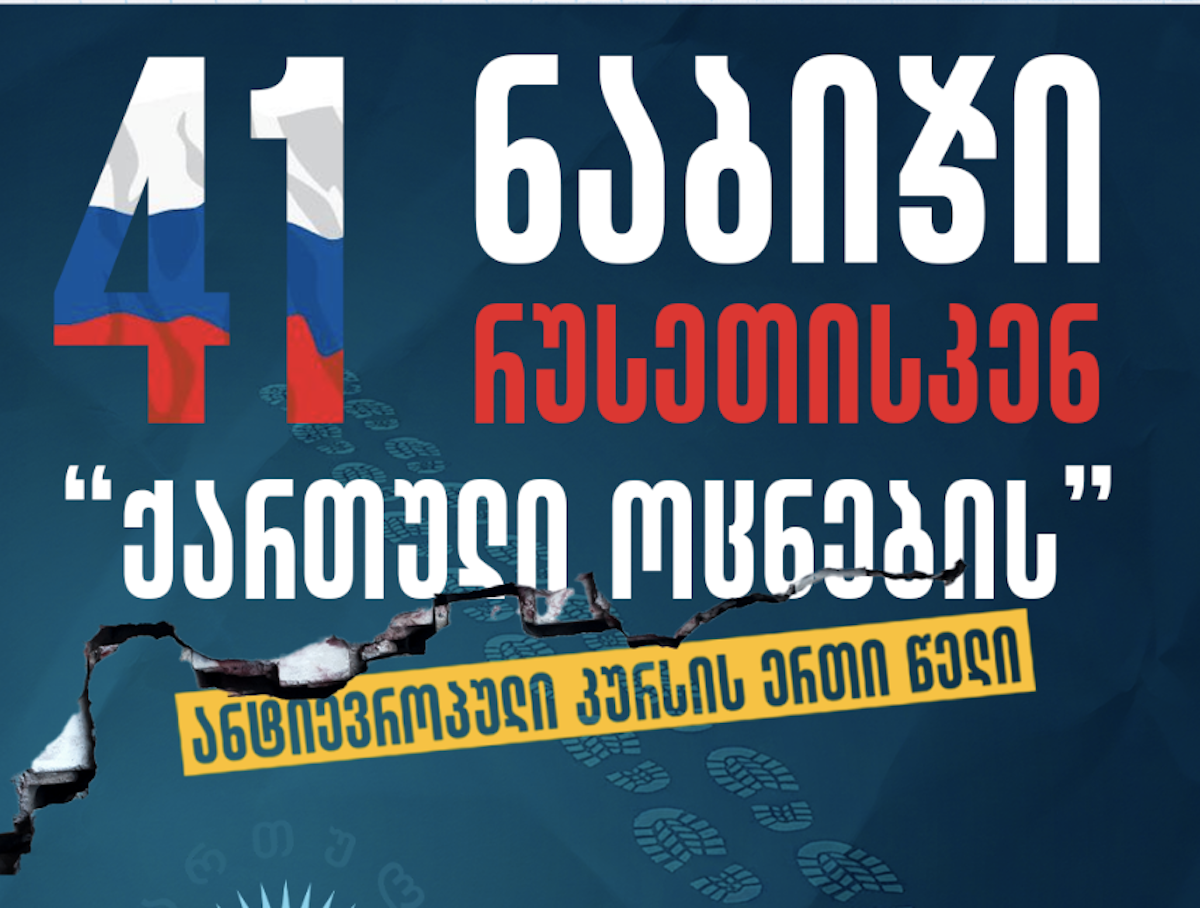
Human Rights Watch has expressed particular concern over amendments to Georgia’s law on grants. Under the changes, the receipt of any foreign funding would require government approval. The organisation says this mechanism enables the authorities to financially undermine independent media and NGOs that are critical of the government.
The report says the amendments:
- restrict the work of non-governmental organisations;
- make it harder for independent outlets to operate;
- reduce access to international support;
- create an atmosphere of fear and self-censorship.
Human Rights Watch concludes that such laws are typical of authoritarian regimes and are incompatible with Georgia’s democratic commitments.
Elections, protests and mass arrests
A separate chapter of the report focuses on Georgia’s 2025 municipal elections, which were held amid the suppression of dissent and a boycott by parts of the opposition.
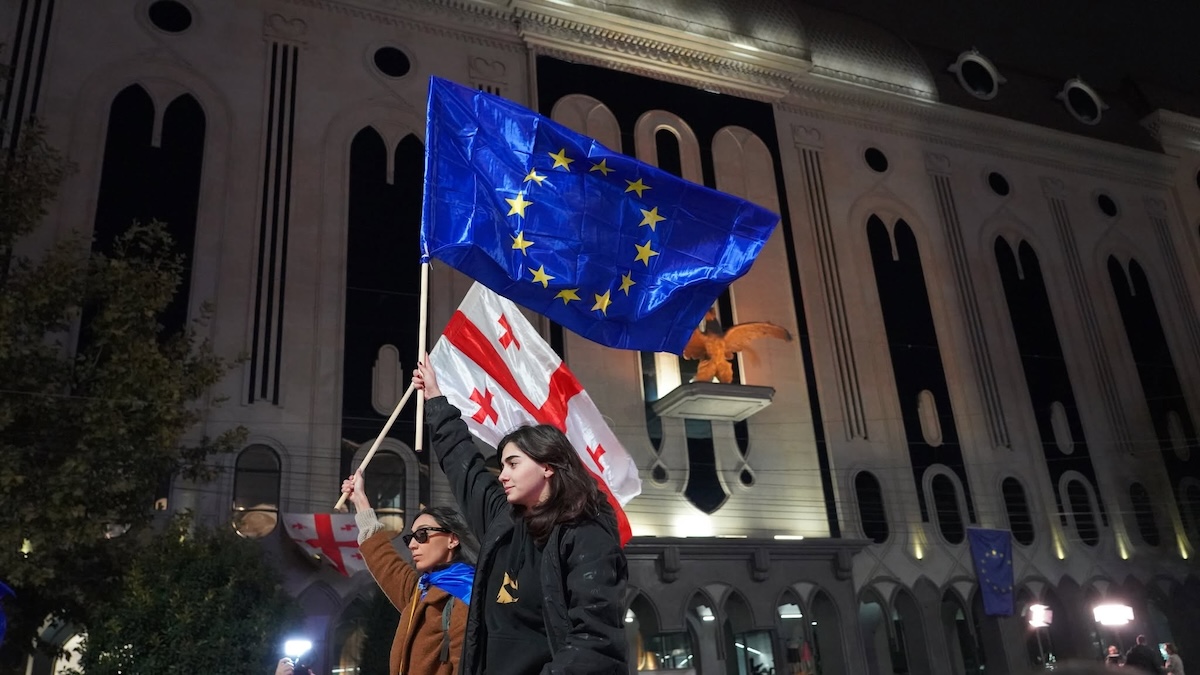
On election day, tens of thousands of people took to the streets to protest against the government’s repressive policies. The demonstration turned violent after some protesters attempted to storm the presidential residence.
Police arrested more than 60 people, including on charges of “inciting a violent coup and attempting to change the constitutional order”.
Human Rights Watch notes that the European Union and its member states described the events as an “attack on fundamental human rights” and announced that Georgia’s EU accession process had been de facto suspended.
Police violence and intimidation during protests
According to Human Rights Watch:
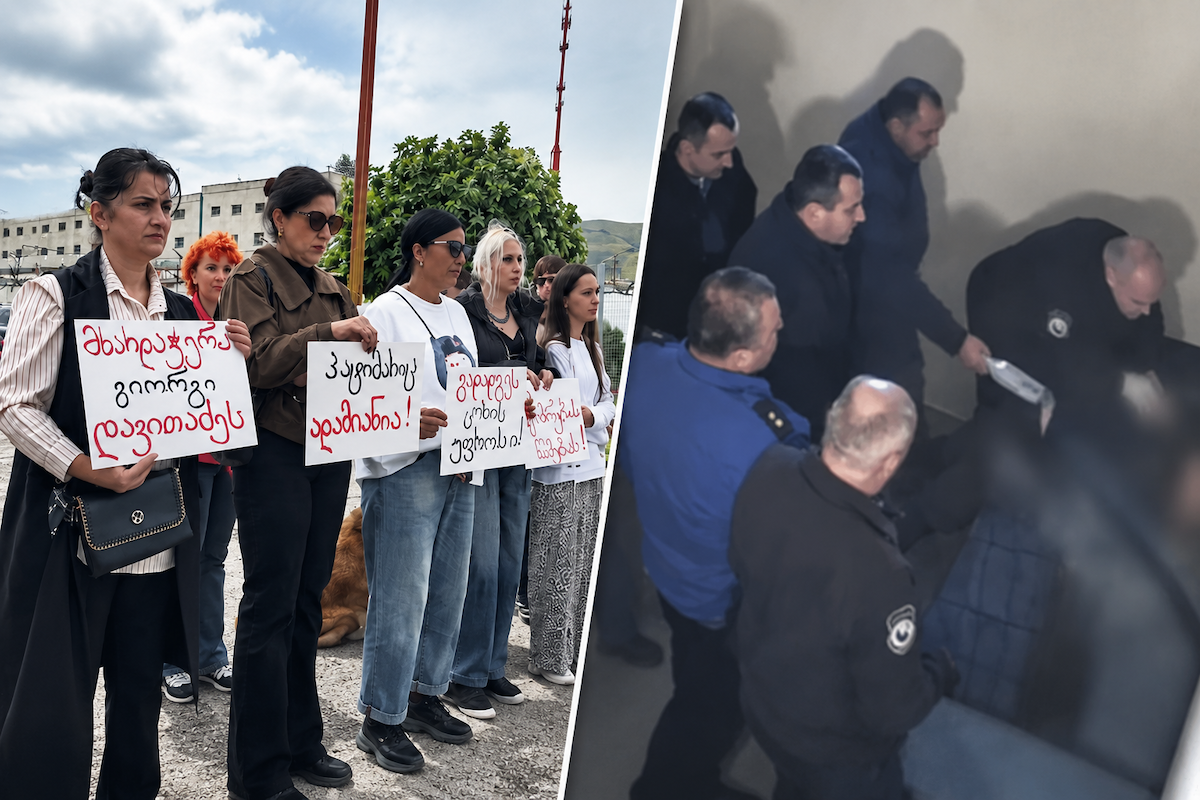
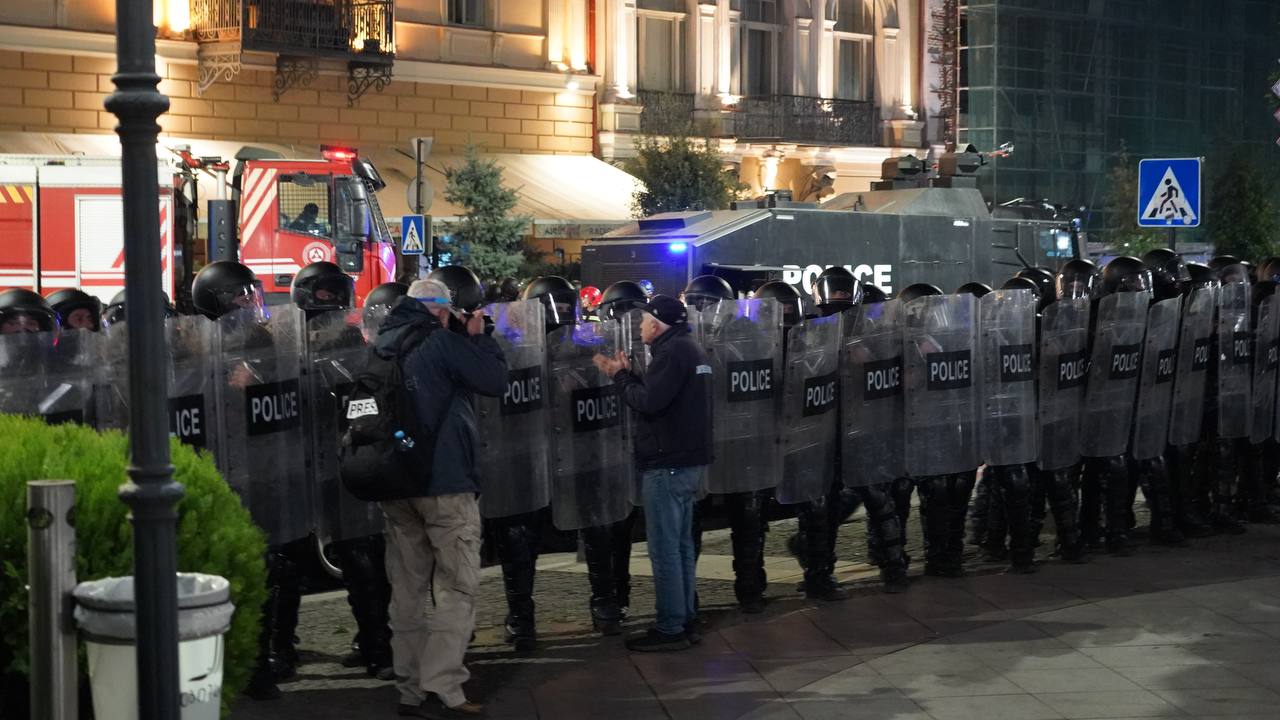
- police pursued and kettled peaceful demonstrators;
- detainees were beaten during arrests and inside police stations;
- signs of ill-treatment and torture were documented;
- riot police and informal groups close to the government targeted journalists and opposition activists.
The organisation says the use of force was deliberate. It argues that it was intended to instil public fear and suppress protests.
Pressure on the media
Human Rights Watch devotes particular attention in its report to the state of media freedom in Georgia.
In April 2025, parliament adopted amendments to the law on broadcasting. The changes banned foreign funding for broadcasters and significantly expanded censorship powers.
In June, the ruling party filed complaints against two major opposition television channels, Formula and TV Pirveli, over reporting that questioned the legitimacy of the government.
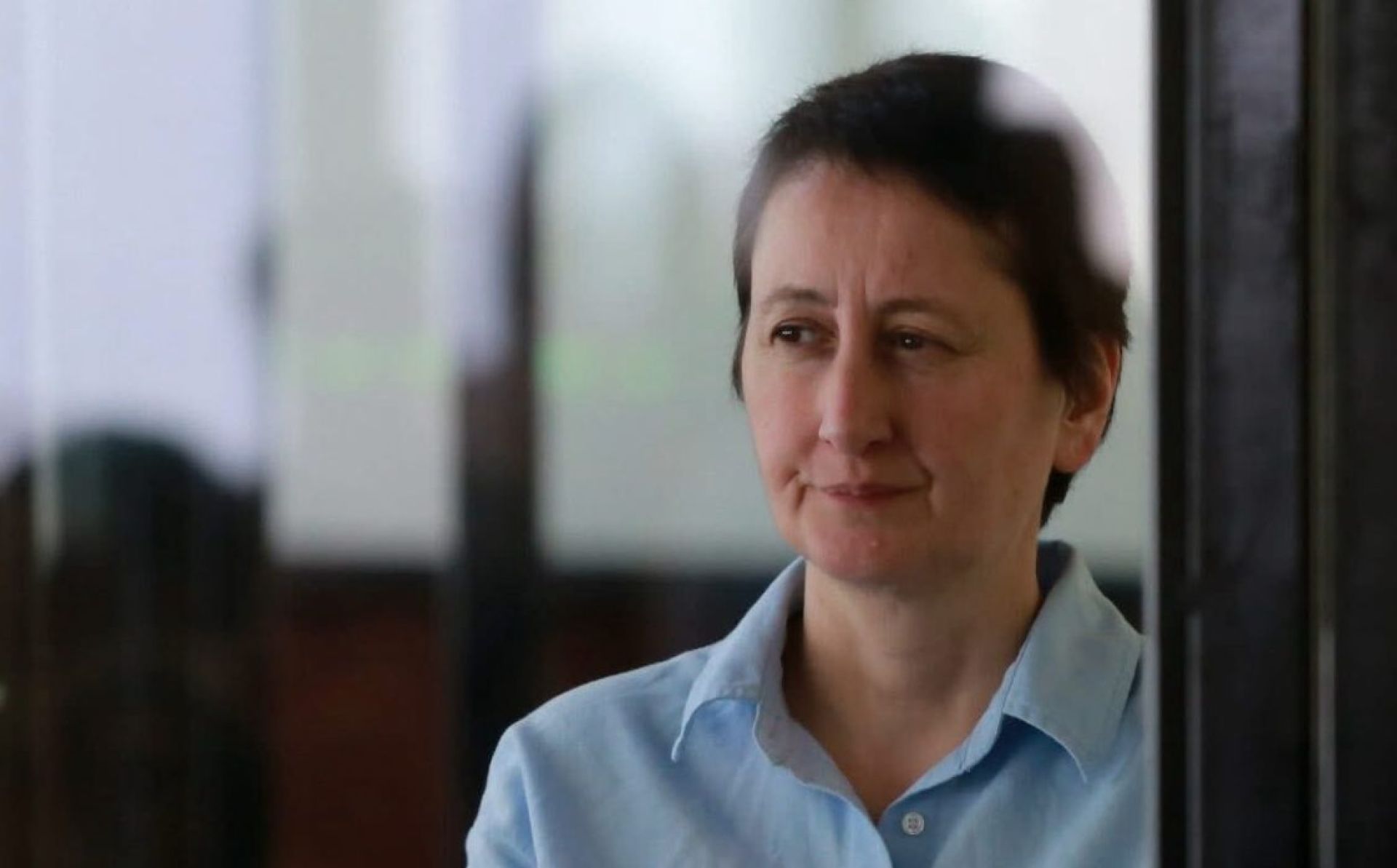
In August, a court sentenced journalist and founder of the independent outlets Netgazeti and Batumelebi, Mzia Amaghlobeli, to two years in prison. International organisations and members of the diplomatic corps described the verdict as politically motivated.

International reaction and the risk of isolation
Human Rights Watch says criticism of the Georgian government from its Western partners is becoming increasingly sharp.
Representatives of the European Union warn that backsliding on democratic principles runs counter to Georgia’s obligations and threatens the country’s European future.
The report stresses that unless Tbilisi changes course, Georgia risks facing deeper international isolation and a reduction in financial support.
Context: why it matters
For many years, Georgia was seen as one of the leaders of democratic reform in the South Caucasus. Since the 2010s, the country has strengthened ties with the European Union, signed an association agreement and secured visa-free travel for its citizens.
In 2023, Georgia was granted EU candidate status. The decision came with clear conditions, including judicial reform, guarantees of media freedom, depolarisation and the protection of civil society.
According to Human Rights Watch, policies pursued in recent years run counter to these requirements. Repressive legislation, attacks on journalists and police violence are not only fuelling a domestic crisis. They also threaten Georgia’s geopolitical trajectory, pushing the country away from a European model and towards more authoritarian forms of governance.
Human Rights Watch on Georgia