EU human rights commissioner urges Georgian parliament not to adopt amendments to Law on Grants






Amendments to Georgia’s Law on Grants
Michael O’Flaherty, the Council of Europe’s human rights commissioner, said that amendments to seven different laws initiated by the Georgian parliament pose a serious threat to civil society and risk pushing the country into breaching its international obligations.
He added that the proposed amendments would impose serious restrictions on the work of non-governmental organisations, increase state control over civic activity, and undermine public participation in democratic processes.
The commissioner directly urged the Georgian parliament not to adopt the amendments and reminded the government of its obligation to protect the right to freedom of association.
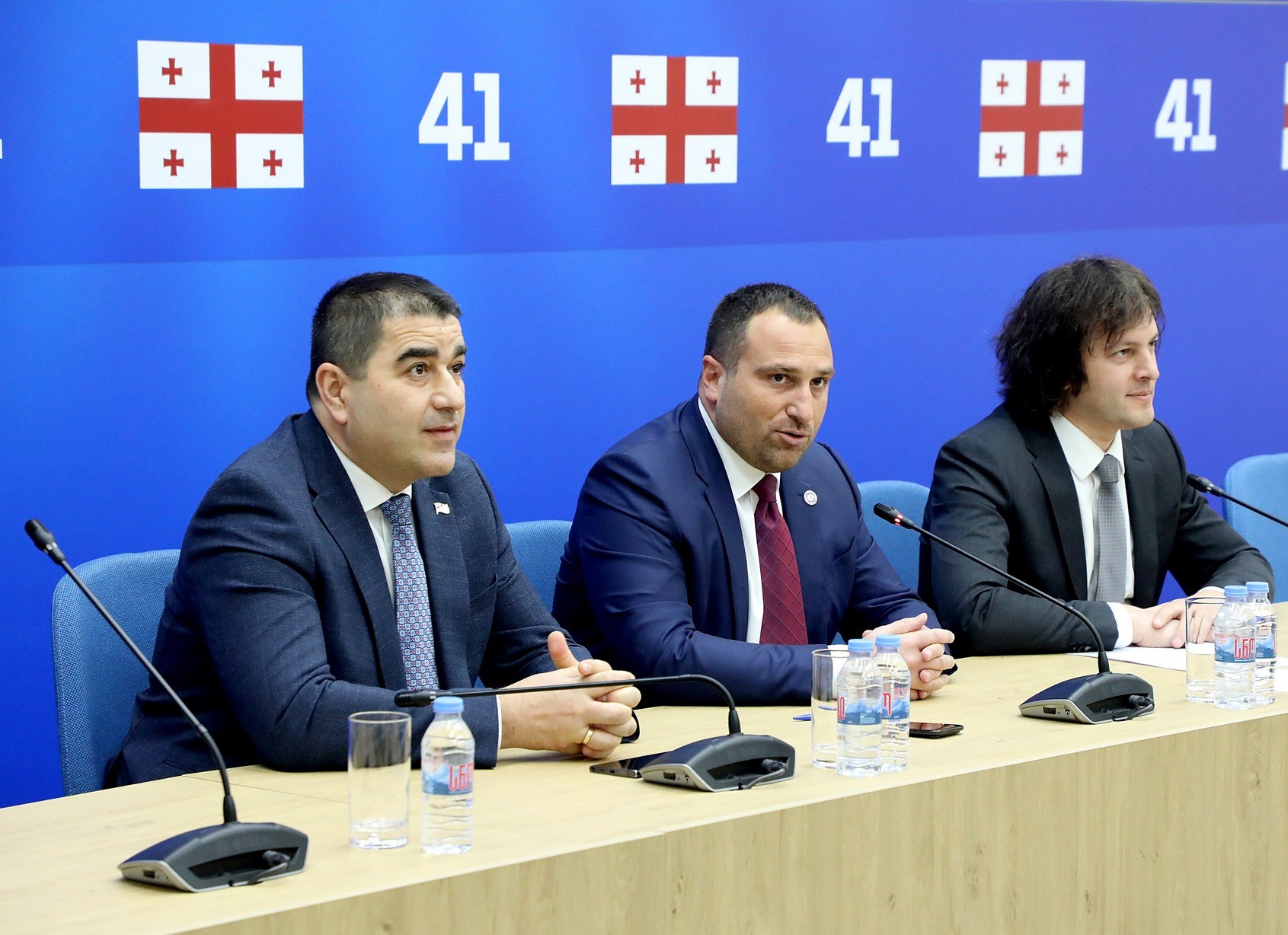
Georgian Dream is continuing to tighten laws on what it calls “foreign funding”. Under the proposed changes, any cooperation with foreign foundations or legal entities without government approval would become a criminal offence. The move is seen as an attempt to block all channels of foreign funding in Georgia, including alternative mechanisms that civil society organisations developed after earlier legislative changes. In response, 23 member states of the Organization for Security and Co-operation in Europe triggered the so-called Moscow Mechanism — a tool used when there are concerns about a serious deterioration of the human rights situation in a participating state.
“These amendments run counter to Georgia’s obligations under international law. I urge parliament to reject them, and the government to reaffirm its commitment to protecting civic space and fundamental freedoms,” O’Flaherty said in a statement.
According to Michael O’Flaherty, the amendments announced on 28 January 2026 primarily concern the Grants Law and significantly broaden the legal definition of a grant. Under the new wording, a grant could be considered any financial or other assistance transferred from one person to another and used to influence the activities of the government, public institutions or any part of society.
The commissioner warned that such a broad definition creates a real risk of the state exercising excessive control over the lawful activities of civil society.
“This threatens normal and legitimate civic activity, weakens public support and undermines citizens’ participation in democratic life,” he said.
Michael O’Flaherty noted that the proposed amendments are part of a series of repressive laws adopted since 2024, which have already caused significant damage to the country’s civil society sector.
He said that existing and planned regulations raise serious concerns about their compliance with the principles of legality, legitimacy, necessity and proportionality, as well as with the non-discrimination standards set out in the European Convention on Human Rights.
“An active civil society is a cornerstone of any democratic country. The Georgian authorities must ensure freedom of association and put an end to all forms of harassment and intimidation of human rights defenders and civil society representatives,” the statement said.

Amendments to Georgia’s Law on Grants