Gazprom says gas supplies to Georgia up 40.4% in 2025






Russian gas exports to Georgia
In 2025, Russia’s state-owned energy giant Gazprom increased natural gas supplies to Georgia by 40.4%.
This is significantly higher than the volumes delivered to Central Asian countries over the same period and has once again raised questions about the direction of Georgia’s energy dependence.

In a brief statement posted on Gazprom’s Telegram channel, the company said gas exports to Kazakhstan, Uzbekistan and Kyrgyzstan rose by 22.2%, while growth in supplies to Georgia was almost twice as high. Gazprom did not disclose the exact volumes delivered but stressed that exports increased both in the Caucasus and in Central Asia.
In the same statement, the company noted that 2025 marked the first time China received more natural gas than Europe. Exports to China rose by 24.8% year on year, in another sign of a shift in the geography of Russia’s energy exports.
In recent years, Georgia’s imports of Russian gas have been gradually increasing, while the share of natural gas supplied from Azerbaijan, traditionally the country’s main energy provider, has been declining. In the first half of 2025, Georgia paid more for Russian gas than for gas imported from Azerbaijan.
Georgia’s economy ministry said gas purchased from Gazprom was not used to supply households and was consumed only in the commercial sector.
Official statistics underline the scale of the trend. In 2023, Georgia imported almost 600 million cubic metres of Russian gas, totalling 596 million cubic metres, compared with just 204 million cubic metres in 2020.
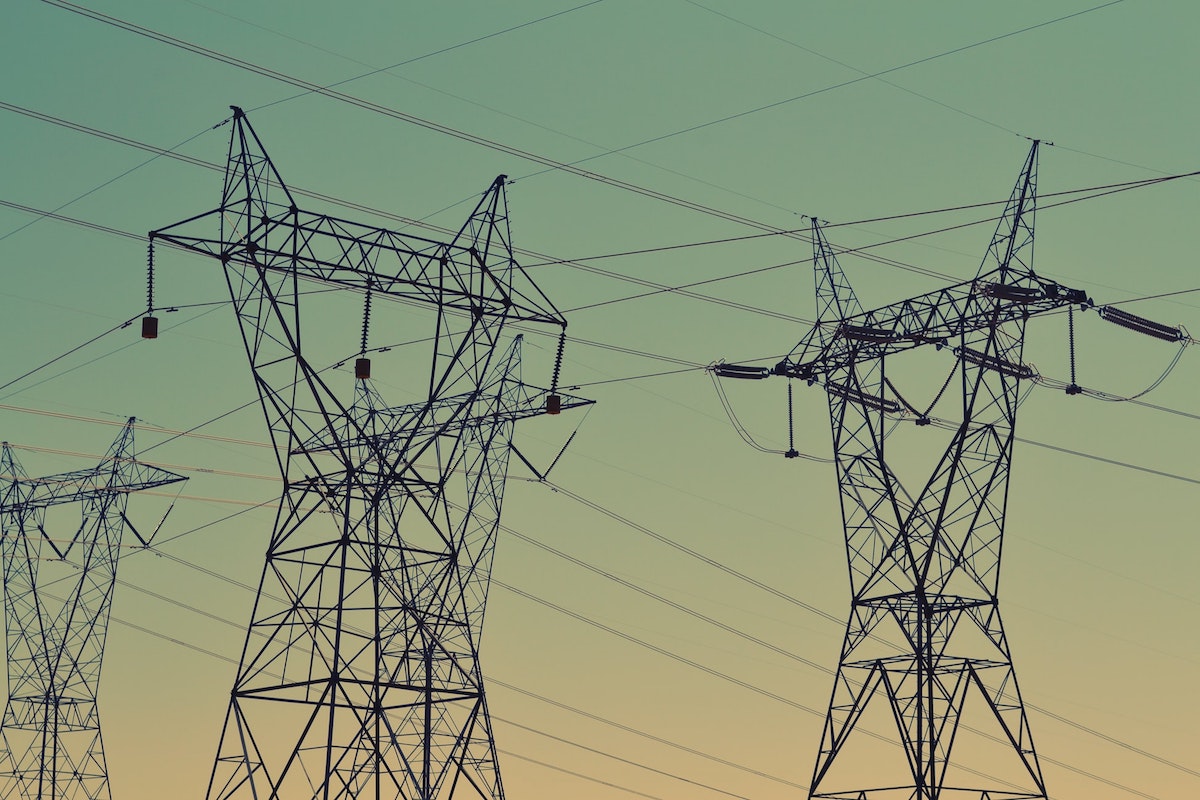
Russia and Georgia are linked by the North–South gas pipeline, which supplies natural gas to both Georgia and Armenia. In 2017, the terms of the agreement between Tbilisi and Gazprom were changed. Previously, Georgia received 10% of the gas transported to Armenia as a transit fee. Under the new deal, the country began a gradual shift to cash payments — a decision that sparked intense debate at the time and continues to do so amid concerns over Georgia’s energy security.
Russian gas exports to Georgia