Control in the name of 'reform': Harvard professor on education in Georgia






Harvard professor on education in Georgia
Stephen Jones, a professor at Harvard University and Ilia State University in Tbilisi, describes the education reform initiated by the Georgian Dream party not as a systemic update, but as an attempt to consolidate power. In his view, the government’s real aim is to increase control over universities, targeting areas where political criticism and opposition most often emerge.
On 16 October 2025, Georgian Dream Prime Minister Irakli Kobakhidze outlined planned reforms in the education sector, saying that the current system does not meet modern challenges and standards. He added that an “ambitious goal” must be set: to provide Georgian students with the same level of education as their peers abroad.
Experts have described the announced reform as a set of repressive changes in the education sector.
More details about the new education reform can be found here.

In an analytical note prepared for PONARS Eurasia, Jones writes that higher education remains one of the most vulnerable sectors under authoritarian regimes. Universities, he says, are not only centers of knowledge but also of critical thinking and civic engagement, which is why they often become the first targets of political pressure. In the case of Georgia, Jones argues, the Georgian Dream follows this same logic, seeking to politically neutralize the university space.

Formally, the national higher education reform concept presented by Prime Minister Irakli Kobakhidze in October 2025 is framed as a modernization effort. However, Jones argues that its content implies a significant restriction of university autonomy. He identifies particular threats, including the planned forced relocation of universities to regional areas, centralized allocation of academic positions, increased state control over student admissions, and the potential sale of university infrastructure.
According to Jones, these measures do little to improve the quality of education and fail to address Georgia’s systemic challenges: high youth unemployment, economic stagnation, and chronically low investment in education. He notes that Georgia remains among the lowest spenders on higher education, allocating just 0.3% of GDP.
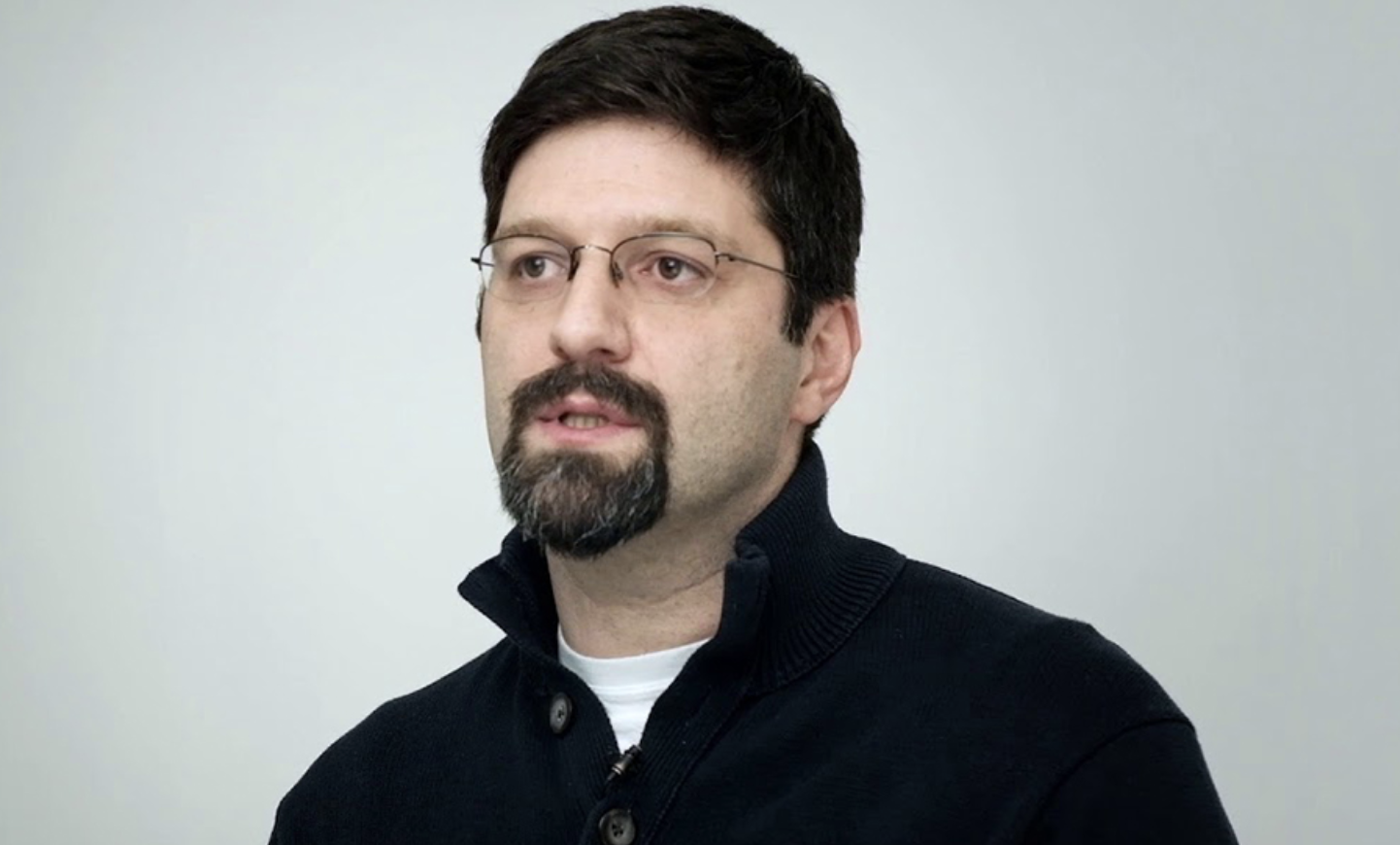
The professor also notes that the main targets of the reform are precisely those universities known for academic freedom and pro-European stances. Jones highlights Ilia State University, Free University, and the University of Georgia as examples. In recent years, these institutions have become centers of critical discussion on state policy.
According to Steven Jones, the government’s chosen approach will deepen the confrontation between students and the state, creating a real risk of a new wave of protests in 2026. He argues that the control exercised in the name of education reform will further alienate young people and weaken Georgia’s democratic and European prospects.
Harvard professor on education in Georgia