Tskhinvali insists: 'Georgian checkpoint near village of Uista must be dismantled'






A checkpoint in the Georgian–Ossetian conflict zone
The complete removal of the Georgian checkpoint near Uista village (Tsnnelisi) remains one of the key political demands of so-called South Ossetia. According to the de facto government in Tskhinvali, this issue is discussed at every meeting of the Incident Prevention and Response Mechanism and is considered non-negotiable.
The Incident Prevention and Response Mechanism is a structure co-chaired by the Head of the EU Monitoring Mission in Georgia and representatives of the OSCE and the UN. It was established in 2009 after the Georgian–Russian war of August 2008 to discuss security issues and reduce tensions in the conflict zones, with the participation of representatives of Georgia, Russia, and the de facto authorities of Abkhazia and South Ossetia
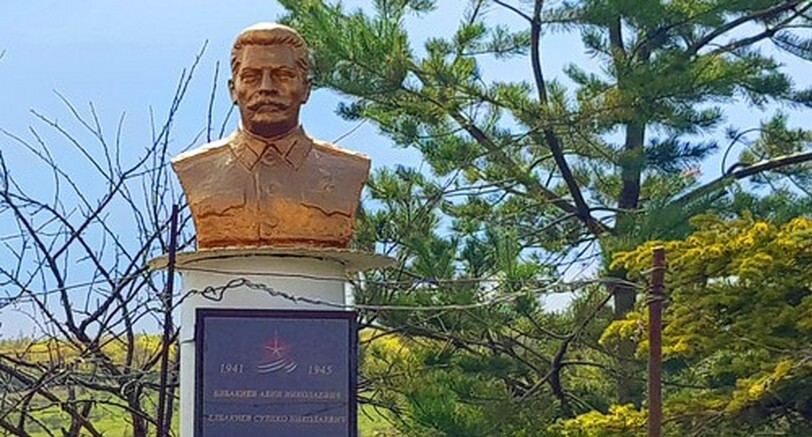
After the latest session of the Incident Prevention and Response Mechanism, Igor Kochiev, head of the so-called South Ossetian delegation, stated that the issue of the Georgian checkpoint remains a top priority, and its removal continues to be a strategically important task for the de facto authorities of South Ossetia.
Kochiev said such issues cannot be resolved in a single meeting, although “certain positive shifts” are already visible in the process. He emphasized that work on this matter is ongoing and that Tskhinvali representatives do not intend to remove it from the negotiation agenda.
A de facto representative of South Ossetia welcomed the case opened against former Georgian Prime Minister and Interior Minister Giorgi Gakharia, who is accused of unilaterally deciding to open the checkpoint on August 24, 2019.
The Prosecutor’s Office stated that Gakharia did not coordinate the decision with either the prime minister or the State Security Service, nor did he inform the European Union Monitoring Mission.
‘As a result, about another 100 hectares of forest came under the control of the occupying forces, creating a risk of a sharp escalation of the conflict,’ the indictment says. Giorgi Gakharia himself is in exile.
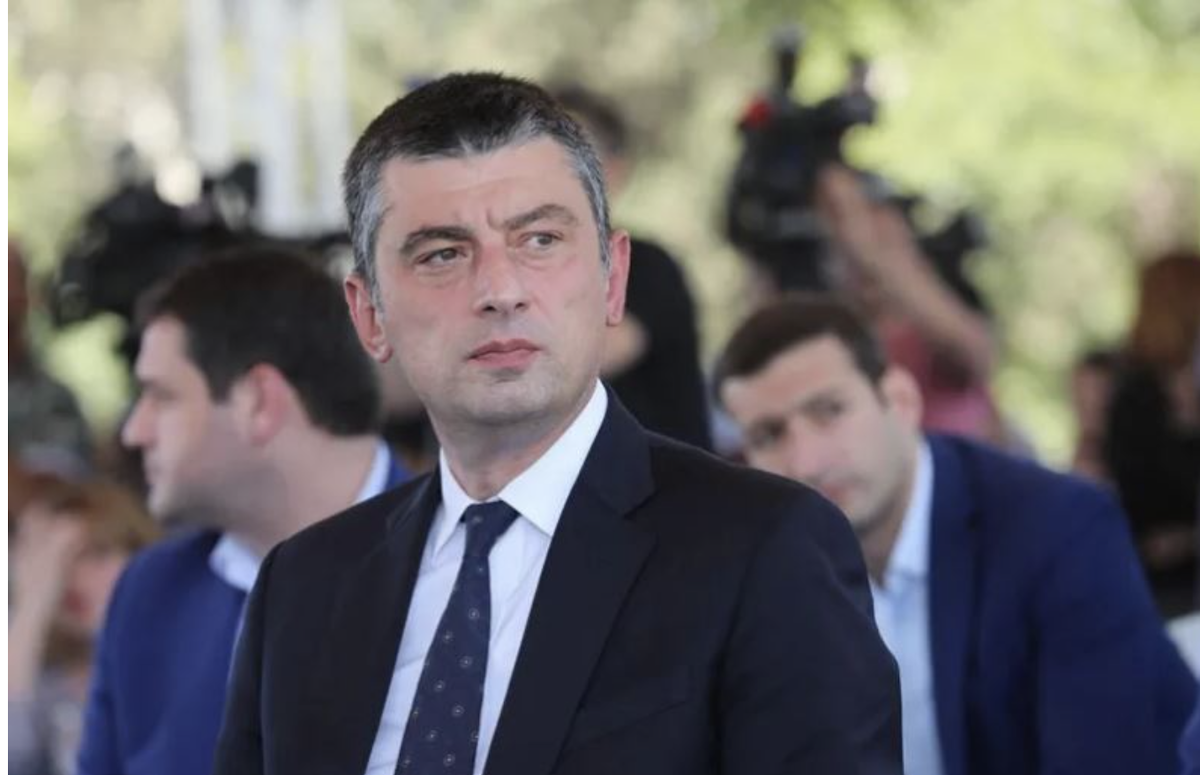
According to Kochiev, one of the charges against Gakharia concerns “attempts to destabilize the situation” by opening the checkpoint – a phrase Tskhinvali often uses when assessing Georgia’s security measures.
Kochiev emphasized that South Ossetia will not change its stance on the checkpoint:
“We see no acceptable alternative to the complete dismantling of this checkpoint and its removal from South Ossetian territory.”
Checkpoint near Uista village