Russian citizens accused of spying in Armenia: what we know about one case






Russian citizens accused of spying in Armenia
Amid statements by Armenian Prime Minister Nikol Pashinyan accusing the Catholicos of All Armenians of acting as a foreign intelligence agent, public debate about espionage has intensified in the country. Official figures show that Armenian courts have examined around 20 espionage cases since the end of the second Nagorno-Karabakh war in 2020.
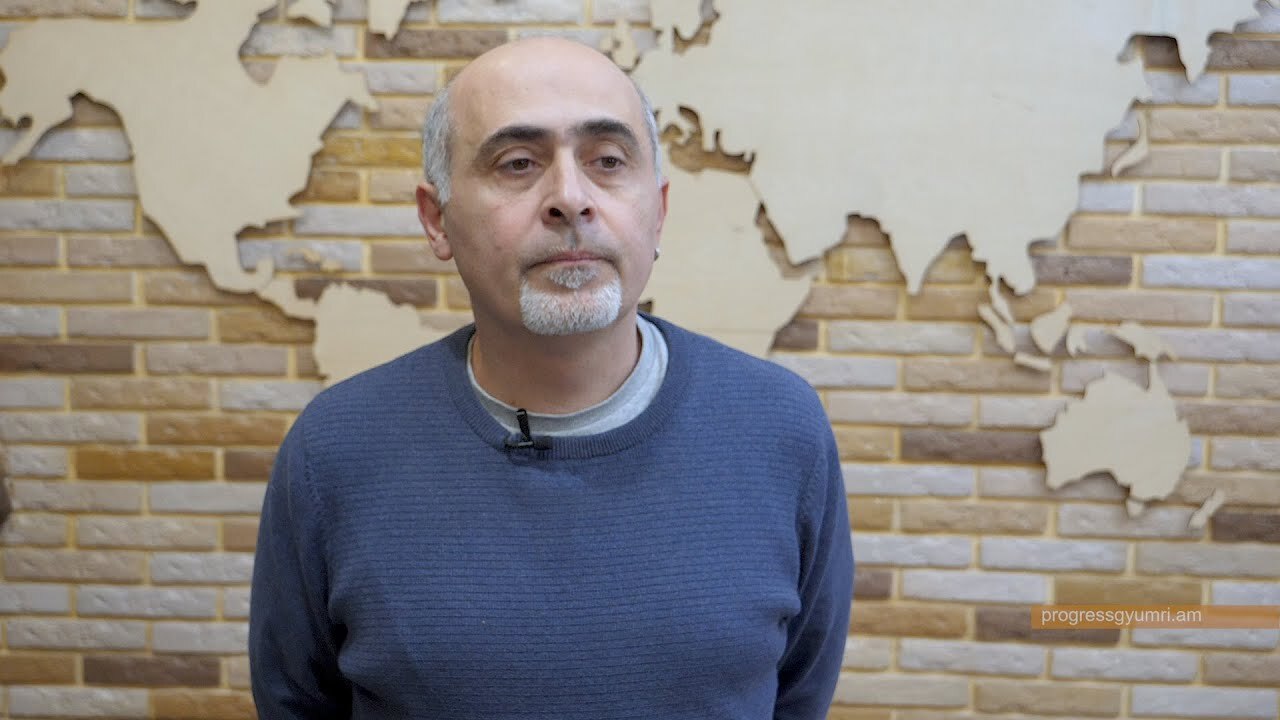
Commenting on these cases, Daniel Ioannisyan, programmes coordinator at the NGO Union of Informed Citizens, said that Armenian law enforcement agencies do not specify which country’s intelligence services recruited the people accused of espionage.
He recalled that Pashinyan also avoided naming a country when he spoke about the Catholicos. The prime minister said only that Armenia needed a Catholicos who “would not obey a senior lieutenant of a foreign intelligence service”.
“A senior lieutenant of which country? Laos? Gambia? We all understand which country he means, but the authorities say nothing more,” Ioannisyan stressed.
He believes the authorities avoid naming Russia in order not to deepen the tensions that have emerged in bilateral relations.
Pashinyan has also described the Catholicos’s brother, Archbishop Ezras Nersisyan, as a foreign agent. On 20 December, the pro-government website Civic.am published a document claiming that Nersisyan cooperated with the Soviet-era State Security Committee (KGB) under the codename “Karo”. The Mother See of Holy Etchmiadzin has not yet commented on the publication.
- ‘We decided to leave someone else’s pocket and become independent state’ – Pashinyan
- Pashinyan dismisses reports of Ukrainian grain deliveries to Armenia as ‘nonsense’
- “Azerbaijan has always been as much a brotherly state for the CSTO as Armenia,” says Pashinyan
‘100,000 roubles for actions harming Armenia’: details of one of the cases
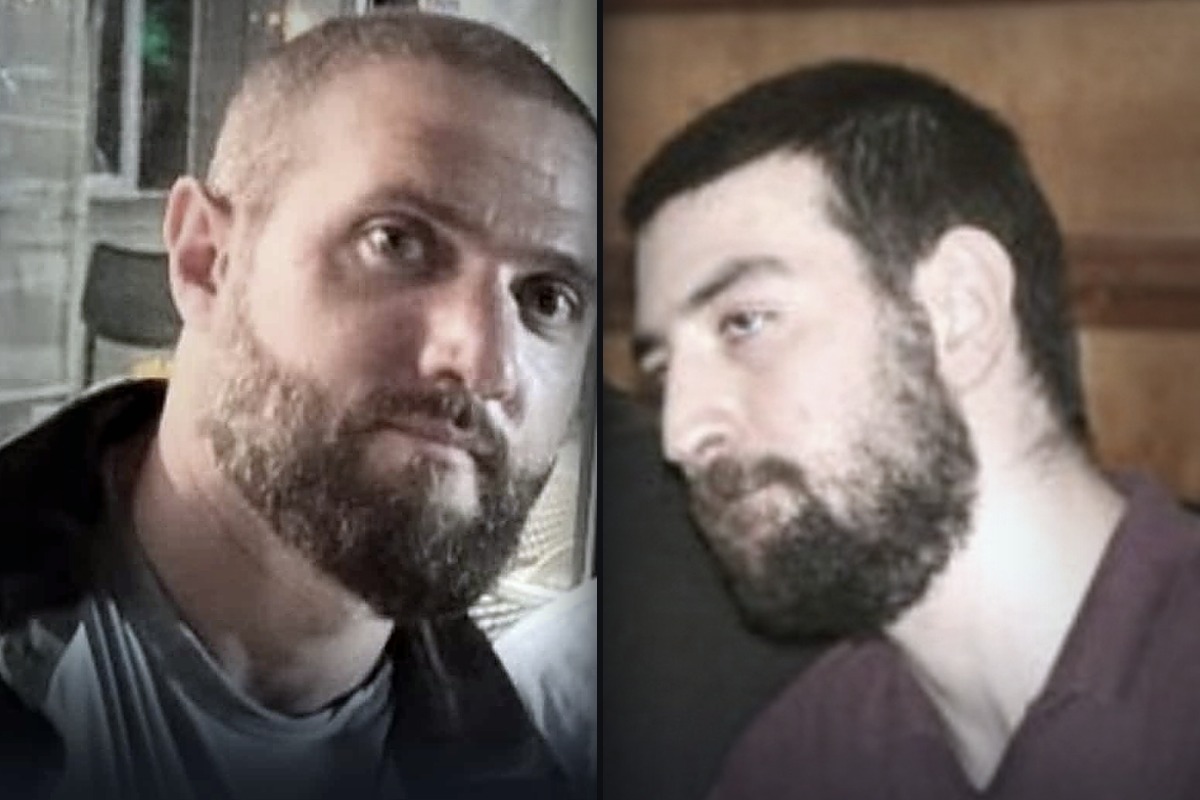
One of the espionage cases involves Russian citizen Viktor Tikhomirov. Reports say investigators are also searching for several other Russian nationals in the same case. Local outlet Factor.am has uncovered details. The publication claims all those involved acted as agents of foreign intelligence services. It says evidence shows that each of them received 100,000 roubles for “actions harming Armenia”.
According to the report, Tikhomirov recruited two more people, Daniil Semenyuk and Artyom Makhmutov.
“The two received assignments from foreign intelligence services in Moscow. Using coordinates provided in advance, they travelled to various locations across Armenia. They filmed and photographed historical and cultural sites, villages, streets, Muslim Azerbaijani and ancient Armenian gravestones,” the outlet writes.
The indictment states that they sent the images to Tikhomirov via the Yandex cloud service. After returning to Moscow, the agents then passed the material on to representatives of foreign intelligence services.
“The collected data harmed Armenia’s sovereignty and external security. Those who received the images presented the photographed areas as Azerbaijani,” the publication says.
Investigators also found that Makhmutov and Semenyuk received a second assignment after completing the first one. When they returned to Armenia, officers from the National Security Service detained them.
Commentaries
According to Daniel Ioannisyan, programmes coordinator at the NGO Union of Informed Citizens, some of the detainees’ actions fall within the framework of information warfare, while others amount to military intelligence.
“If a foreign agent collects and passes information to a foreign state about weapons, coordinates, or the duty schedule of unit X of the armed forces, this is not a hybrid operation. This is military intelligence. If, however, the agent collects information that later gets used in the political and media sphere, this already constitutes a hybrid attack,” he says.
Ioannisyan stresses that Armenian law enforcement agencies have not specified in the case materials which country’s intelligence services recruited the Russian citizens.
An Armenian outlet reviewed other publicly available espionage cases and found that they also omit this information.
According to Ioannisyan, Armenia’s political elite also avoids direct assessments.
“I see it as a serious problem that the authorities do not talk about this. They also do not explain the motives behind hybrid attacks against Armenia. It is impossible to discuss the motives of hybrid attacks if you do not say who is carrying them out,” he says.
Russian citizens accused of spying in Armenia