'First economic deal since independence': Azerbaijani petrol arrives in Armenia






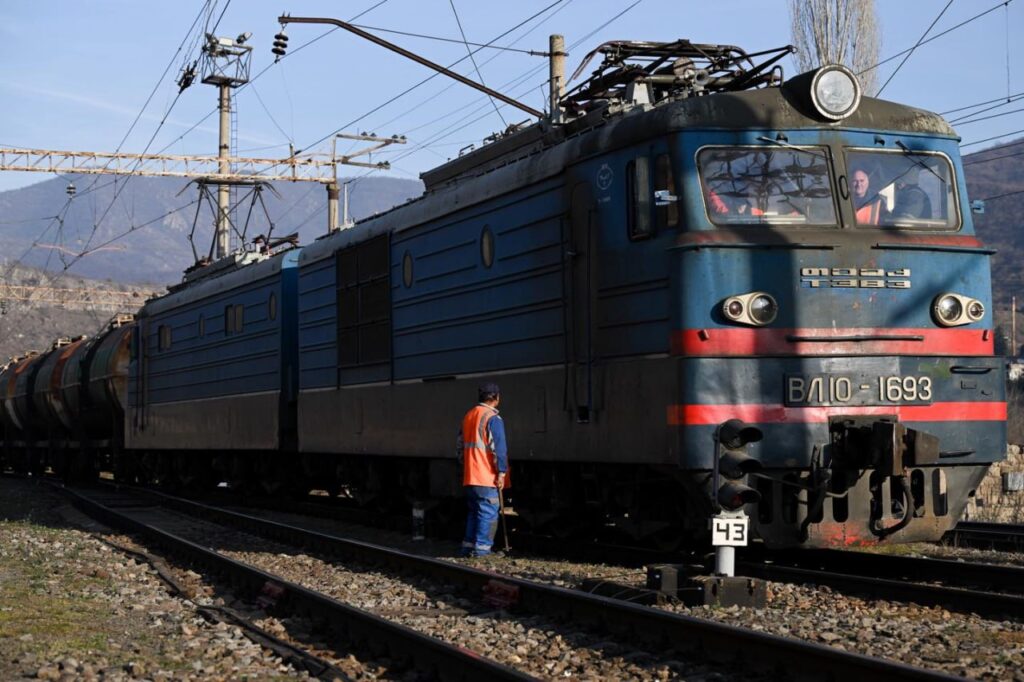
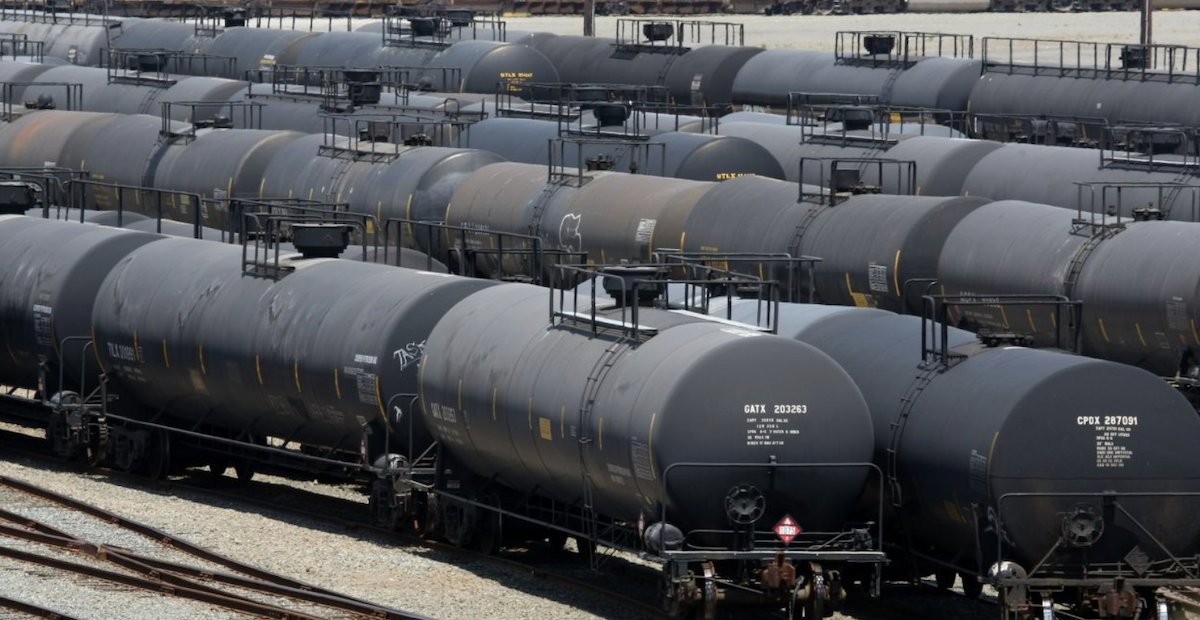
Armenia’s economy minister announced the arrival of Azerbaijani AI-95 petrol from SOCAR in the country. Twenty-two rail wagons carrying 1,218 tonnes of petrol reached Armenia via Georgia.
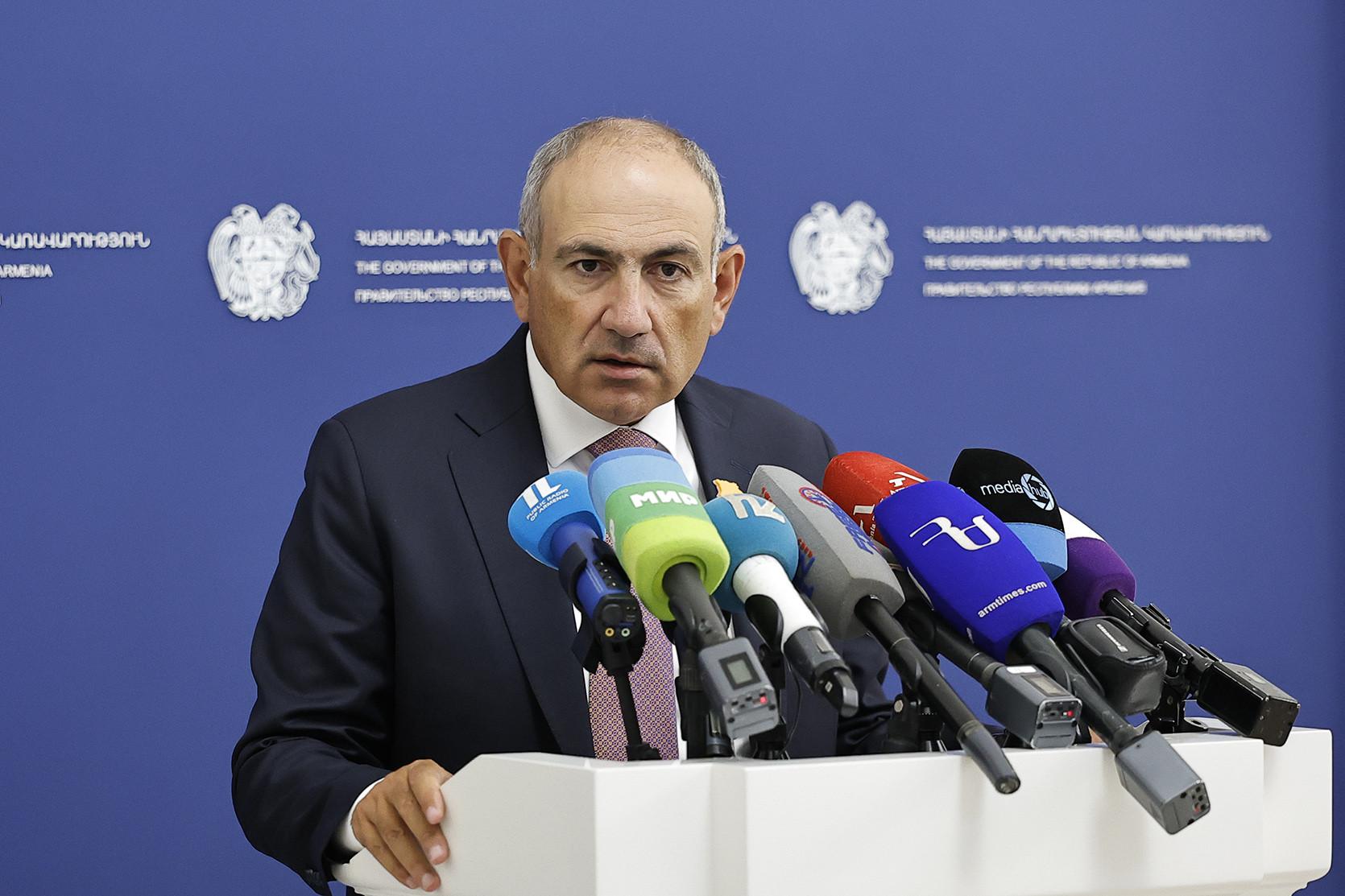
“Apparently, this is the first trade and economic deal between Armenia and Azerbaijan not only since the establishment of peace between the two countries but also since independence [referring to the collapse of the USSR],” Economy Minister Gevorg Papoyan wrote on his Facebook page.
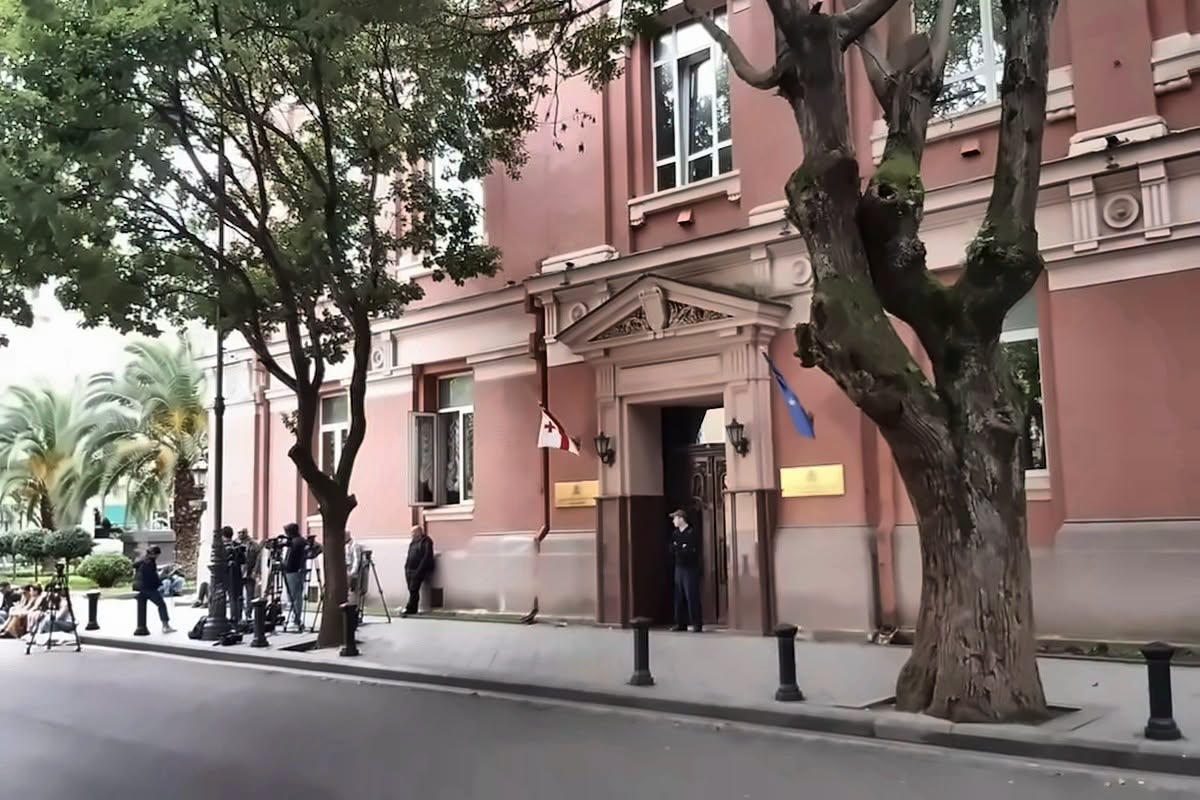
Georgia waived transit fees for the first shipment from Azerbaijan to Armenia. Papoyan described the move as “a symbolic gesture in support of the peace process.”
Social media and Armenian outlets report that Georgia plans to charge high transit tariffs for subsequent deliveries. Armenian Prime Minister Nikol Pashinyan also commented on the issue.
“Regarding future developments, I know there are certain issues with transit tariffs on the Georgian railway. I hope these issues will either be resolved, or, if they are not, it is logical that businesses will look for alternative ways to secure imports and exports,” he said.
Welcoming the new regional reality, Pashinyan emphasised that private companies carried out the deal, but “the political conditions for this were created by the peace established between Armenia and Azerbaijan.”
Experts have praised the attempt to diversify petroleum imports. They also note, however, that it is too early to expect a drop in prices.
According to official data, Armenia imported 490,000 tonnes of petrol last year, including 300,000 tonnes from Russia.
Reports say two private Armenian companies imported the Azerbaijani fuel into Armenia.
Here’s a BBC-style English translation of your text:
Everything known at the time of publication, including an economist’s commentary and social media reactions.
- ‘Attempt to break iron curtain’ — Armenian experts on visit to Baku
- Pashinyan: ‘Peace means being able to travel between Armenia and Azerbaijan’
- Opinion: ‘US involvement in South Caucasus is serious step, not game’
‘This is high-quality petrol‘
Azerbaijani petrol is arriving in Armenia thanks to an agreement reached by the deputy prime ministers of Armenia and Azerbaijan in Gabala on 28 November.
“Exports of Azerbaijani petroleum products to Armenia are purely commercial, and the petrol is sold at prices in line with international markets,” reported Azerbaijani agency APA.
Economy Minister Gevorg Papoyan told local media that the petrol imported into Armenia is of high quality. Answering a question about its competitiveness, he said:
“If businesses continue to supply it and prices fall, it proves the petrol is competitive. If prices do not fall, I assume businesses will stop importing it.”
The minister welcomed the shipments. He urged people to view the development in the context of the peace process between Armenia and Azerbaijan:
“Let’s make it clear: instead of war, we are trading. War brings losses, trade brings prosperity.”
Cargo must undergo inspection
The head of Vanadzor railway station, where the shipment arrived, said the cargo must undergo inspection upon arrival. Armenia is a member of the Eurasian Economic Union (EAEU), led by Russia. Under EAEU rules, all goods coming from countries outside the bloc undergo checks.
“The inspection works as follows: the train’s high-voltage power is switched off, the tanker lids are opened, and customs officers measure and take samples to check quality and quantity. After verifying the documents at the station and with customs, the cargo is prepared for delivery to its destination,” explained Seryozha Mkrtchyan.
He said the process will likely take a couple of hours. After that, 11 wagons from the train will head to Yerevan station, while the other 11 wagons will go to Karmir Blur station.
Economist’s commentary
Economist David Isakhanyan explained:
“Armenia’s annual petrol demand is around 480,000 tonnes. Therefore, 1,200 tonnes represent only 0.25%. Such small shipments will not significantly affect market prices.
Real changes will appear only when the volumes become stable and substantial, creating competitive pressure in the market.
At this stage, it is sensible not to expect short-term price reductions and not to get carried away by emotional reactions.
This marks the beginning of an effort to diversify suppliers. Its real impact remains limited for now. But as a form of cooperation between the two countries, it is a positive and promising step.”
Social media reactions
The topic has sparked active discussion on Armenian social media. Some users welcomed the import of Azerbaijani petrol as a positive development, while others called the deal “a betrayal.”
One user commented under the economy minister’s post: “The price of petrol will not cover the cost of Armenian blood.” Gevorg Papoyan replied: “I will no longer allow Armenian blood to be shed, but petrol—as much as you want.”
Other social media reactions included:
“Logically, the price should be lower. It would make sense to pass a law regulating prices. Then no one could expect excessive profits.”
“It would be much better if the train from Azerbaijan entered Armenia directly—without the costly Georgian detour.”
“This is a positive development. Will Armenia start sending goods to Azerbaijan as well?”
“It seems we are investing in Baku’s military budget.”
“Shame. You celebrate a few pennies sent by Azerbaijanis who have thirsted for Armenian blood for centuries.”
Azerbaijani petrol arrives in Armenia