Russia takes new steps to demarcate borders with Abkhazia, South Ossetia, and Georgia






Delimitation of the Abkhazia–Russia border
It appears that Russia has entered a new stage of demarcating and delimiting its borders with Abkhazia, South Ossetia, and Georgia. Nikolai Udovichenko has been appointed as the new special representative on this issue, tasked with overseeing the delimitation and demarcation of Russia’s borders with CIS countries.
Russia recognized the independence of Abkhazia and South Ossetia after the August 2008 war. Besides Russia, only four other countries have done so. For the rest of the world, Abkhazia and South Ossetia remain part of Georgia’s territory.
Although 17 years have passed since the Kremlin recognized Abkhazia’s independence, the border between them has still not been demarcated. A joint Russian–Abkhaz commission, which includes experts and members of parliament from both sides, has been operating for more than a decade — yet the sides have still not reached full consensus.
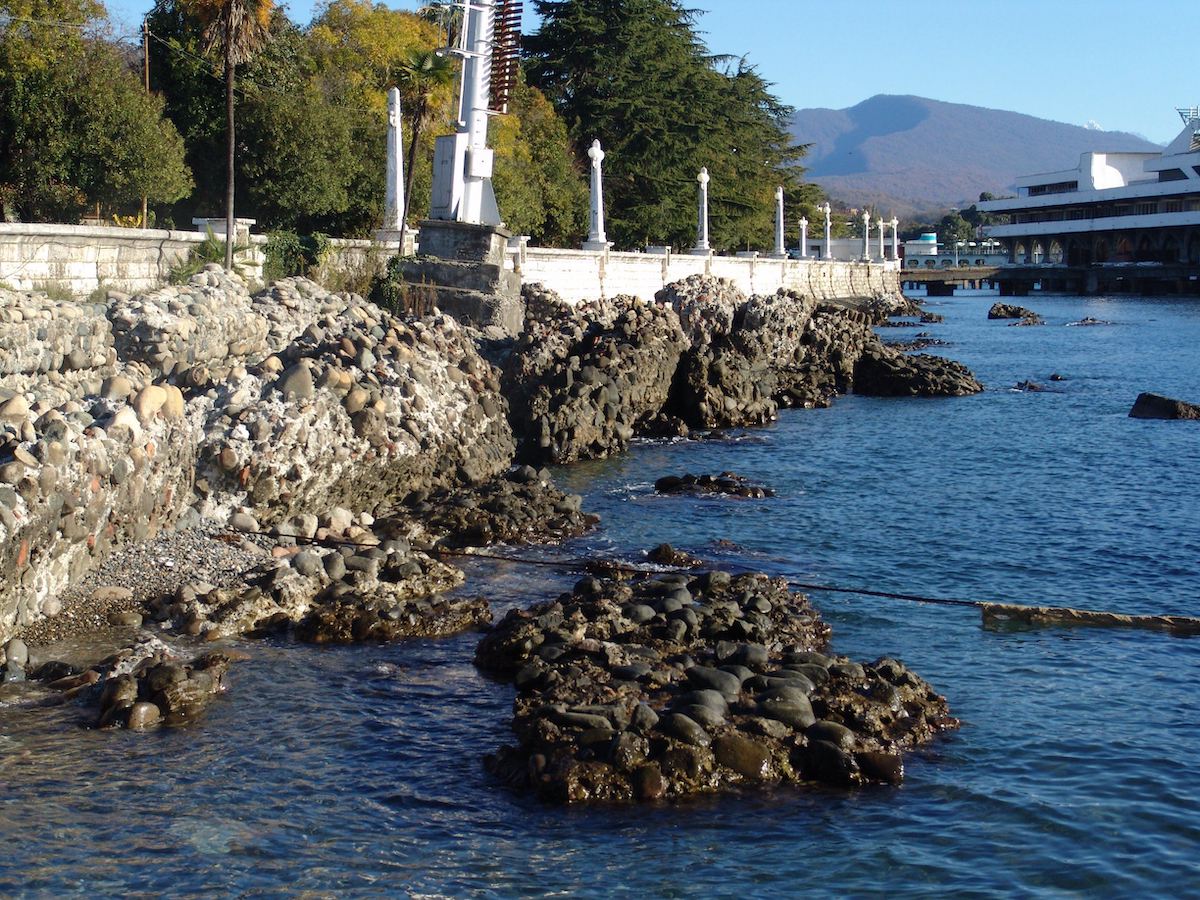
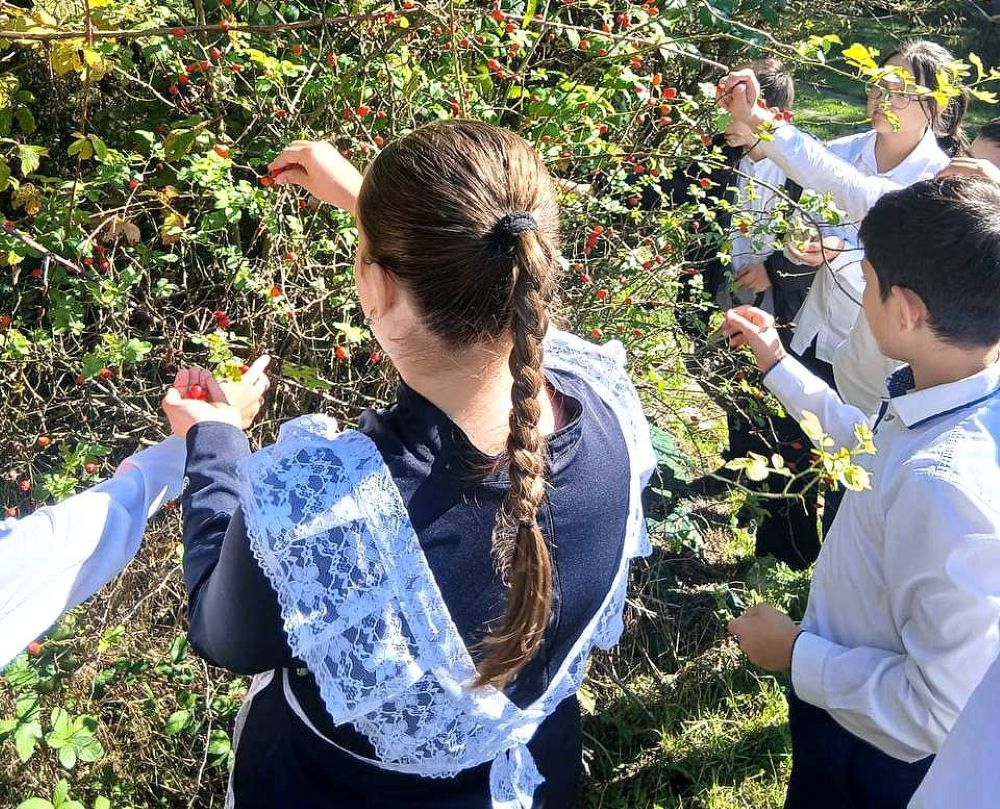
The most contentious issue in the negotiations is the village of Aibga. Part of the village lies on the Russian side of the Psou River, which marks the border, and is part of Russia’s Krasnodar region. The other part is located on the Abkhaz side.
Russia claims the Abkhaz part of the village, arguing that it is a single settlement that should not be divided, and that most of its residents are ethnic Russians who wish to be part of Russia. Abkhazia disagrees, maintaining that the village – which contains an Abkhaz shrine – is historically Abkhaz land.
The terminology, place names and views expressed in this article are those of the author and do not necessarily reflect the editorial position of this website.
News in Abkhazia