UK MP calls for additional sanctions against Georgian officials






UK sanctions against Georgian officials
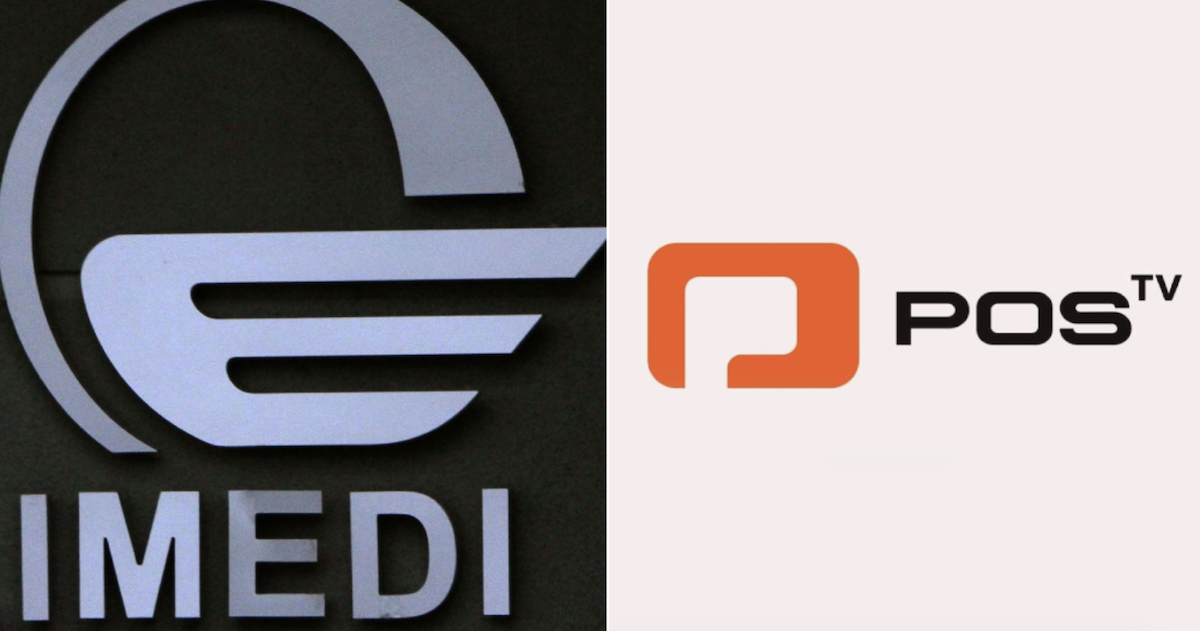
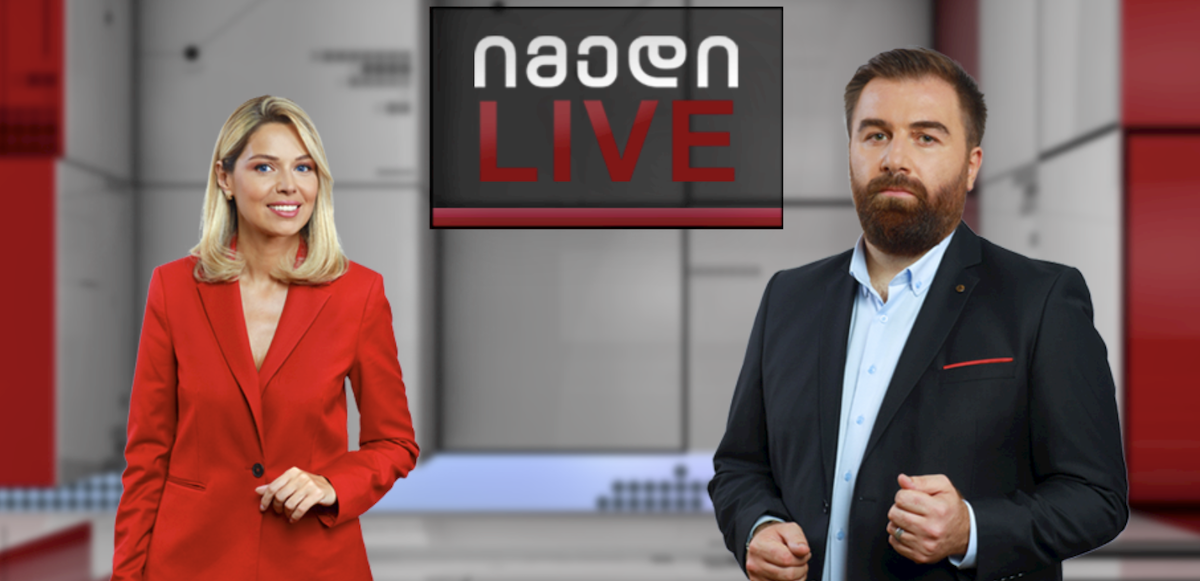
The UK House of Lords has discussed the possible expansion of sanctions against senior Georgian officials. The discussion focused on officials who continue to cooperate with pro-government Georgian television channels already under UK sanctions — Imedi and POSTV.
Baroness Karren, a member of parliament, submitted a written question on the issue.
She asked the British government whether it is prepared to consider additional measures against officials who continue to cooperate with the sanctioned broadcasters.
In a written response, government spokesperson and Minister of State Baroness Chapman said the UK continues to take a firm stance against those who support Russia’s policies toward Ukraine.
“The UK strongly opposes all those who support the destabilisation of Ukraine, including those who operate in Georgia and spread Russian disinformation,” she said.
However, Chapman declined to name specific individuals or provide details about possible new sanctions. She said the UK government does not comment in advance on potential sanctions, as doing so could undermine their effectiveness.
The effectiveness of sanctions has become a subject of political debate in Georgia
Besik Donadze, a representative of the opposition Coalition for Change, says a holding company linked to the Imedi television channel has created an extensive corporate network to bypass sanctions.
According to Donadze, the sanctioned holding company GMPG connects to several firms, including Unimedia, Touch Media, IMEDI FILMS, Aisi TV, GDS and Radio Imedi.
The network also includes the Rustavi 2 television channel, where Unimedia holds a co-ownership stake. Donadze says the Imedi charitable foundation and the Badri Patarkatsishvili School of Journalism also form part of the structure.
He says four key companies in the network replaced their directors on the same day, 10 February. In his view, this points to coordinated management.
The opposition politician argues that this corporate structure allows the holding company to continue financial operations. He says it can still acquire international licences and receive advertising revenue despite the sanctions.
He adds that the partnership with Rustavi 2 through Unimedia has particular importance. According to him, it creates additional confusion for international financial institutions.
Donadze believes sanctions will only become effective if they extend to the entire corporate network.
Background
On 24 February, the United Kingdom imposed sanctions on the television channels Imedi and POSTV under its broader sanctions regime against Russia.
The sanctions document states that authorities have frozen the broadcasters’ assets, banned trust services and disqualified their directors. The restrictions mean that the companies’ executives cannot serve as directors of companies, institutions or governing bodies for a certain period. If they do so, the company or institution involved could also fall under sanctions.
Violating sanctions constitutes a criminal offence.
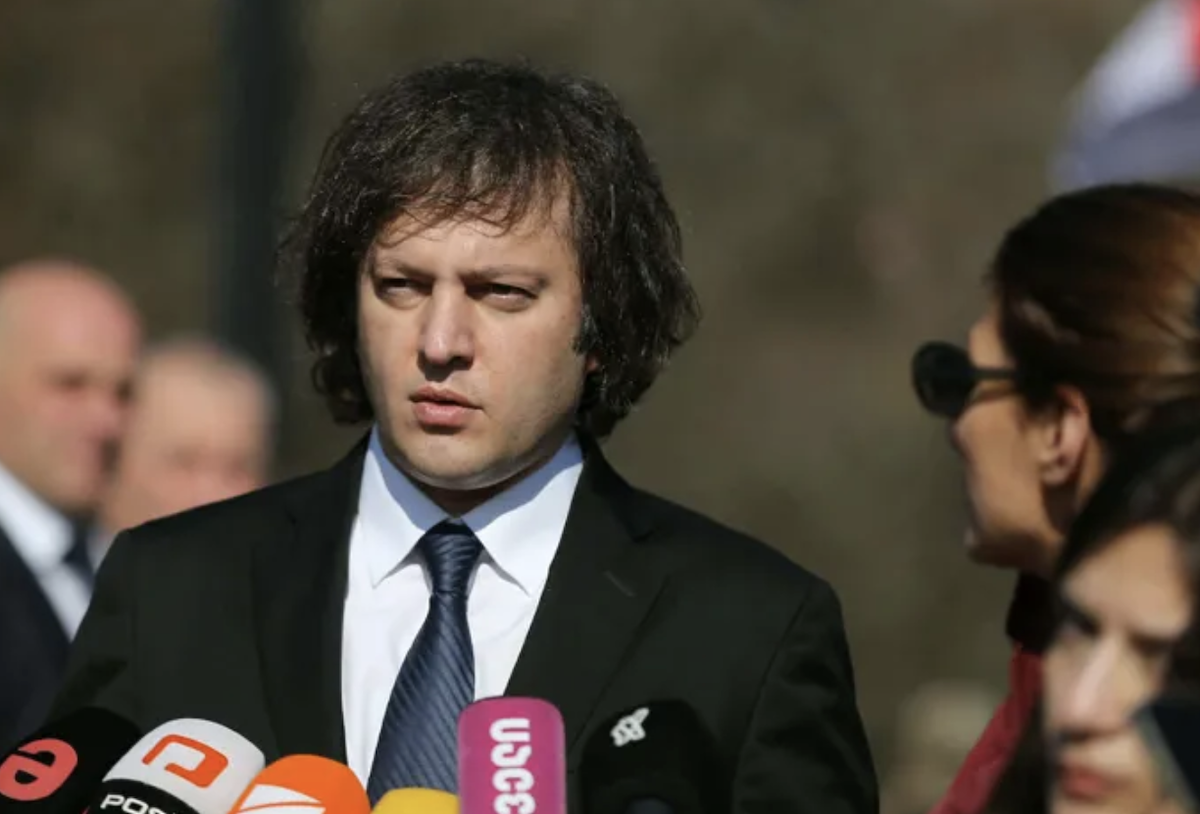
After the UK introduced the measures, Prime Minister Irakli Kobakhidze of the Georgian Dream party described the decision as “frivolous and shameful”. He said that in London “nothing is valued anymore”, including media freedom.
Kobakhidze formally characterised the sanctions as a violation of media freedom but added that they would have no practical effect. He said:
“The government takes full responsibility for ensuring that the situation of no journalist at any television company deteriorates. Of course, all state and private companies should continue cooperating with Imedi and POSTV,” Kobakhidze said.
UK sanctions against Georgian officials