Scandal in Armenia: museum director dismissed for gifting book to US vice-president






Armenian Genocide Museum director dismissed
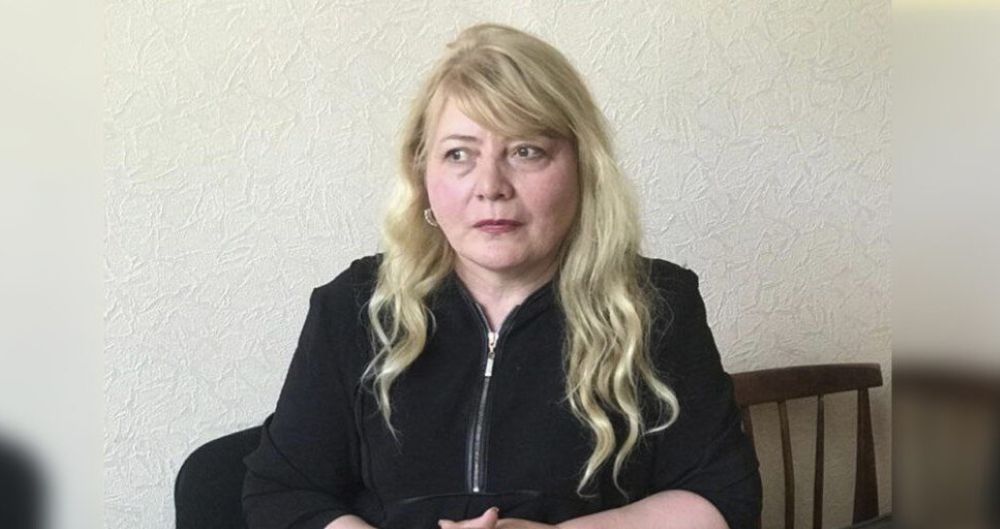
The director of the Armenian Genocide Museum-Institute, Edita Gzoyan, has resigned. For several days, social media users actively discussed possible reasons for her departure. Members of the museum’s board of trustees said they believed the decision was linked to construction work at the memorial complex.
Amid heated public debate, Armenia’s prime minister Nikol Pashinyan said the day before that he personally asked Gzoyan to submit a resignation letter. He clarified that the dismissal had no connection to the construction work.
“When the prime minister of a country says that the Karabakh movement no longer exists, what does it mean to give a book about the Artsakh issue to a foreign guest? How many people in this country can conduct foreign policy?” the prime minister said.
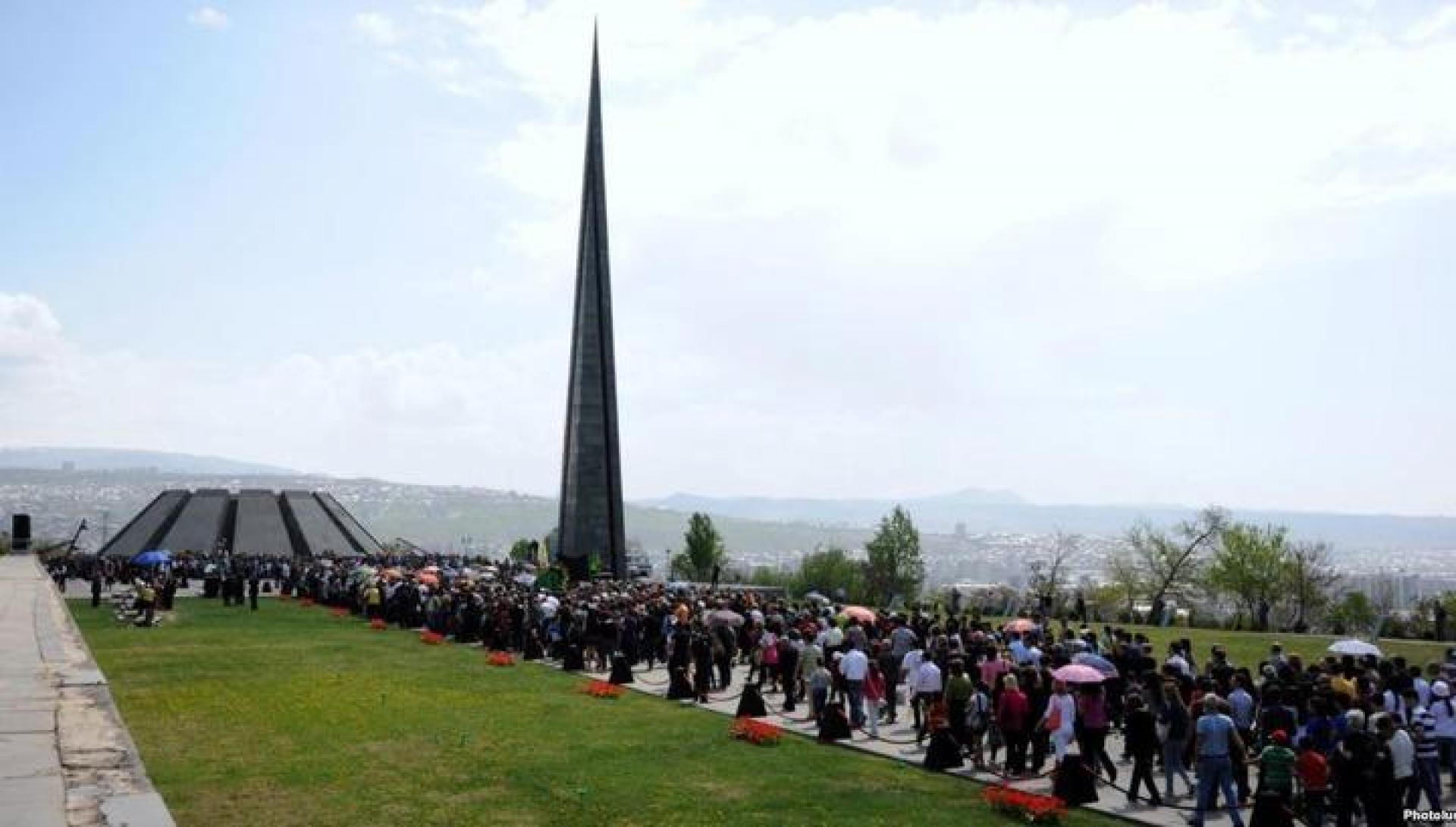
Edita Gzoyan presented a book to US vice-president JD Vance. During a visit to Yerevan, he and his wife toured the museum and the memorial dedicated to the victims of the genocide.
The former museum director later told journalists that she gave Vance five books. One of them describes what it calls the “aggression of Transcaucasian Tatars [Azerbaijanis] against Armenians between 1905 and 1921”. Observers believe Pashinyan referred specifically to this book.
The prime minister’s remarks triggered a strong reaction in society and among experts. A group of scholars issued a statement warning about a “threat to academic freedom”.
More than two dozen genocide researchers from different countries have called on the Armenian government to restore Gzoyan to her position as director of the museum.
All 74 employees of the museum-institute also appealed to the prime minister and asked him to reconsider the decision to dismiss their director. They insist that Edita Gzoyan is a highly qualified scholar who has made a major contribution to the institute’s work. Raymond Kevorkian, the chair of the museum’s board of trustees and a genocide researcher, resigned in protest along with several other members of the board.
Here is what else Pashinyan said about the dismissal of the museum director, along with the statement from genocide researchers and additional commentary.
- ‘Armenia breaks free from Russian-Turkish grip’: reaction to JD Vance’s visit
- Opinion: ‘Sentences handed down to Armenians in Baku do not fit the peace agenda’
- Pashinyan and Aliyev receive the Zayed Prize for Peace Efforts: why it matters
Pashinyan: ‘These are provocative actions‘
The prime minister stressed that the Armenian government conducts the country’s foreign policy.
“A public official who says or does something that contradicts the foreign policy pursued by the government should be dismissed,” he said.
Nikol Pashinyan also described the museum director’s actions as “provocative”.
“Are we a state, or are we an amateur club where everyone tests their creative potential?” he said.
The prime minister added that he leads a state that operates according to a certain logic of governance.
Genocide researchers describe the government’s stance as “political interference”
Shortly after the prime minister’s comments, more than two dozen scholars from universities and research centres in the United States and Europe issued a statement.
Genocide researchers expressed concern that Edita Gzoyan resigned “under pressure from the government rather than of her own will”.
Their statement says the authorities removed the museum director from her position after Vice-President Vance visited the museum. During that visit, Edita Gzoyan spoke not only about the genocide of 1915 but also about the mass killings of Armenians in Sumgait, Kirovabad and Baku. She emphasised what the statement describes as the historical continuity of violence against Armenians in the region.
The scholars also point to what they call “a worrying trend to silence independent academic voices for the sake of political expediency”.
In their view, the dismissal reflects an attempt to align the museum’s work with geopolitical priorities. They say the authorities seek to avoid open discussion of atrocities committed in Azerbaijan during the ongoing peace process.
Genocide researchers stress that the museum is a scientific institution. They say its leadership should be protected from political interference.
They argue that removing Gzoyan from her position threatens the institute’s future and could damage its reputation in the international academic community.
The scholars who signed the statement call on the Armenian government to:
- refrain from interfering in the work of the museum-institute’s leadership
- respect the institution’s independence
- allow Dr Gzoyan to continue her work without political pressure or interference.
Commentaries
Former member of the museum-institute’s board of trustees, ethnographer Hranush Kharatyan, said:
“For thirty years we have said that Azerbaijan’s leadership shapes specific narratives for the academic sphere.
Now it seems that our prime minister has entered this space and started defining the limits of academic freedom and what research centres can say.
It is unclear what will happen, for example, to the works produced and published over the past 30 years. Will they also be considered provocative actions or not?
Are we returning to 1937 and going to collect our publications from libraries, including those stored in libraries around the world? Or will contemporary literature written in line with political priorities become ‘progressive’, while respected figures who write ‘non-provocative’ texts become the recognised scholars? We are returning to a sad situation from the past.”
Political analyst and international relations expert Sossi Tatikyan wrote on her Facebook page:
“Edita Gzoyan is not a radical nationalist. She is not a tool of hybrid warfare. She does not hold extremist views. She is a balanced, hardworking, honest and modest scholar who conducts research and academic diplomacy in good faith.
She also tried to balance the aggressive, systematic and state-directed historical revisionism carried out against Armenia by Azerbaijani pseudo-researchers.
Armenia’s foreign policy today must be pragmatic. In our time there is no alternative to that. But academic diplomacy exists, and it should not be equated with official policy. It must remain free, otherwise it will cease to be academic.”
Armenian Genocide Museum director dismissed