Political prisoners, repression and sanctions: debate on Georgia in European Parliament






A debate on Georgia was held in the European Parliament under the title “The case of Elene Khoshtaria and the political prisoners of the Georgian Dream regime.” Members of the European Parliament protested against political repression carried out by the Georgian government against opposition figures, journalists and civil society activists.
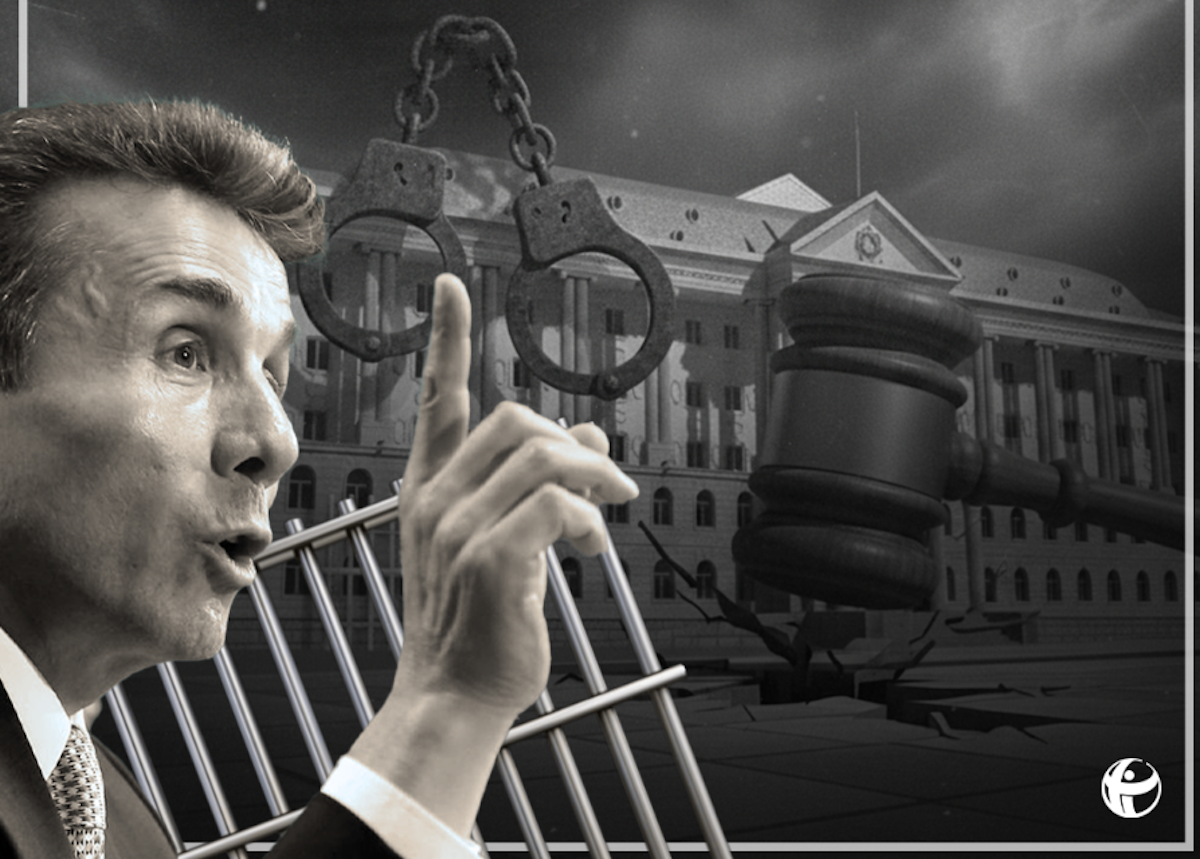
Member of the European Parliament Rasa Juknevičienė read out a letter from the leader of the Droa party, Elene Khoshtaria, sent from prison. In the letter, the opposition leader — whose detention MEPs describe as politically motivated — wrote:
“I want you to know that I am ready to remain in prison for as long as necessary, and personally I do not mourn my arrest. What matters far more is that proper attention is paid to the strategic challenges Europe faces today in Georgia. And you are truly succeeding in doing so.
Perhaps Bidzina Ivanishvili will try to use us as hostages in negotiations. We must not allow that. My goal is not my personal freedom; my goal is freedom for the Georgian people.”
MEPs also unanimously pointed out that recent laws restricting foreign funding and political activity, together with violence against protest participants and the arrests of opposition leaders, clearly demonstrate the Georgian government’s disregard for the rule of law and fundamental freedoms.
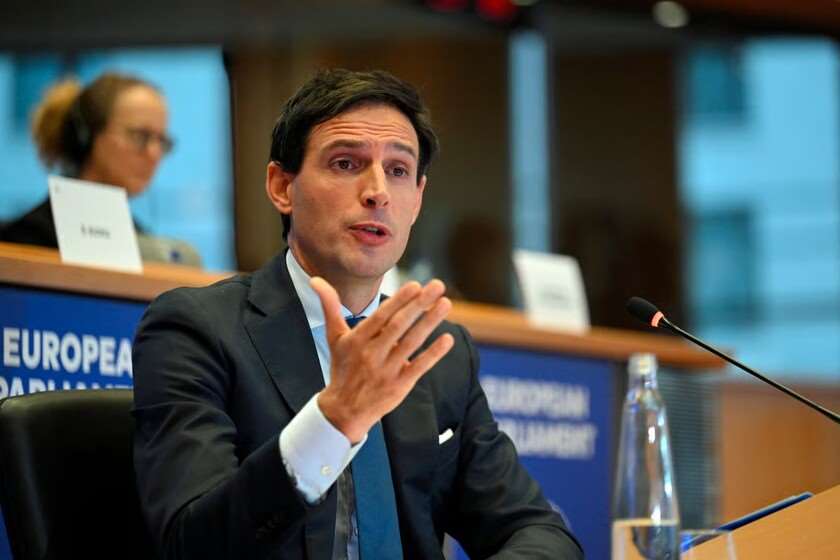
European Commissioner Wopke Hoekstra said that “the human rights situation in Georgia is deteriorating” and warned that the country is moving towards autocracy.
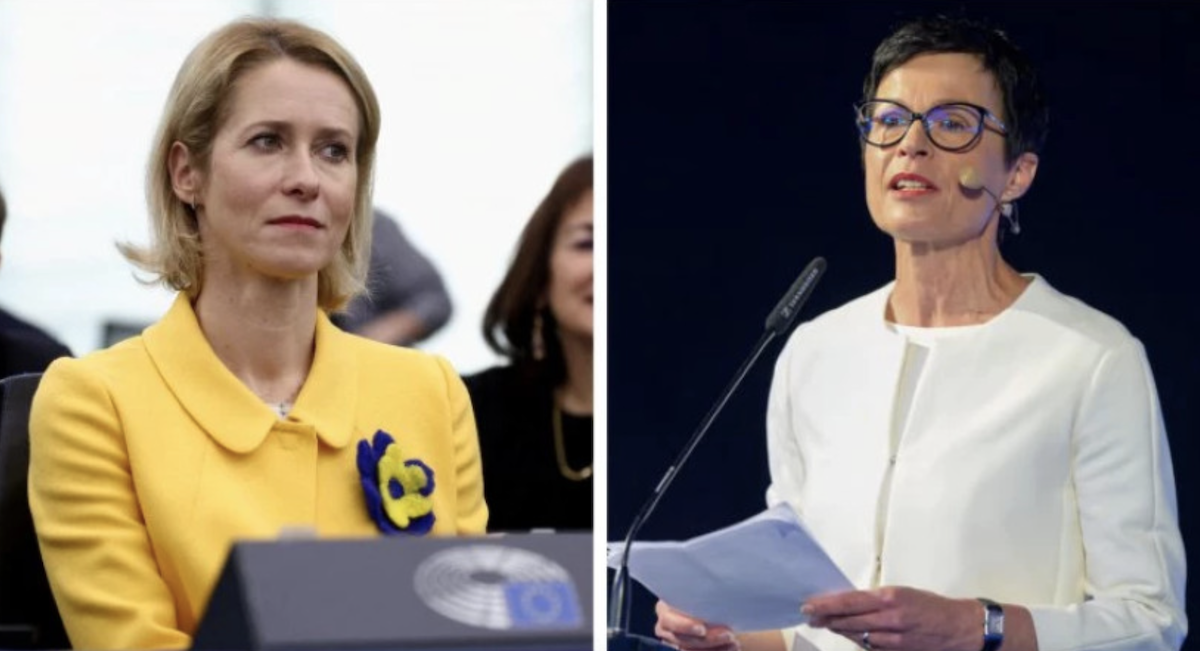
Hoekstra supported the position of the EU’s High Representative for Foreign Affairs and Security Policy, Kaja Kallas, and stressed that the European Union is ready to hold accountable those responsible for democratic backsliding and human rights violations.
“Today, more than 150 people in Georgia are imprisoned for political reasons, including opposition figures, journalists, representatives of civil society and student groups,” said MEP Małgorzata Gosiewska. She added that the European Union should not limit itself to statements and must introduce concrete sanctions against those responsible.
MEPs also raised Georgia’s role in helping to circumvent sanctions against Russia. MEP Dainius Žalimas said:
“Georgia has turned into a hub for circumventing sanctions against Russia — from the re-export of goods needed for the war to concealing the origin of petroleum products. This shows that the Georgian regime continues its repression against civil society, and the European Union should impose tough sanctions on the companies and officials responsible.”
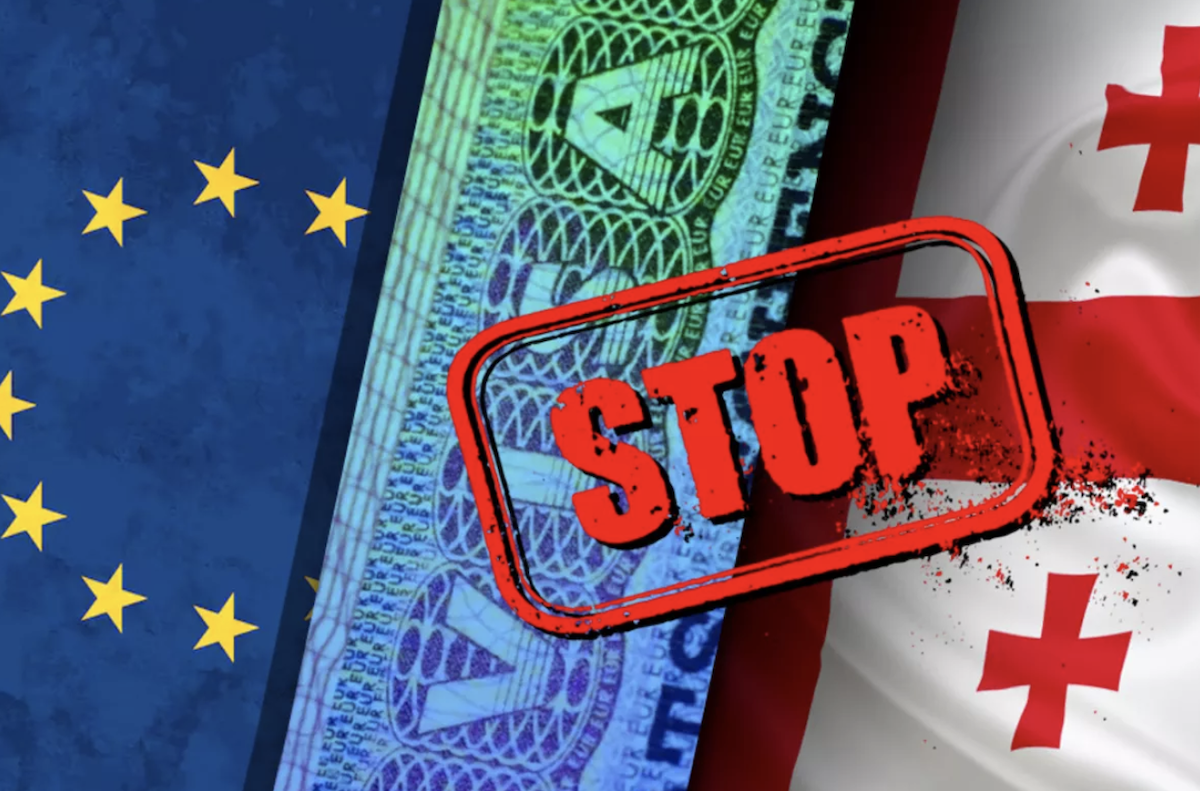
Several MEPs, including Tomáš Froelich of the German far-right party Alternative for Germany (AfD), emphasised Georgia’s pragmatic foreign policy approach and acknowledged its economic successes.
“Economic growth of 8% is the highest in the region; they do not need regime change,” he said, adding that the country should preserve its sovereignty.
At the same time, most MEPs called on the Georgian government to immediately release all political prisoners, stop adopting repressive laws and respect the basic principles of democracy, including political pluralism. As Rasa Juknevičienė put it: “Georgia is not lost. The Georgian people are fighting resolutely, and Europe stands with them.”

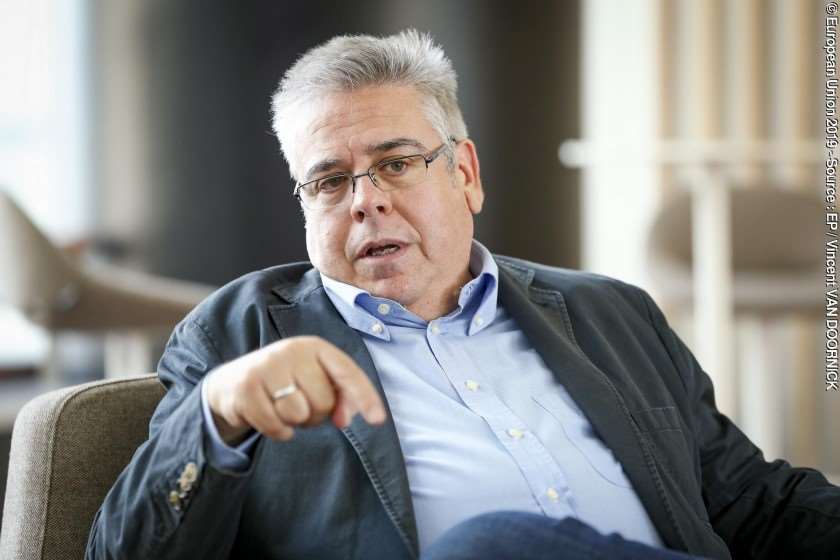
“Armenia’s prime minister described Georgia’s accession to the European Union as an important step. Yet the authorities in Georgia have turned away from European prospects, which has led to negative consequences both inside the country and beyond.
There is a long list of journalists, politicians and representatives of civil society who have become victims of prosecution. We mentioned the name of Elene Khoshtaria here, but alongside her many representatives of different democratic groups are also in prison — people who raised their voices in support of democracy,” said MEP Nacho Sánchez Amor.
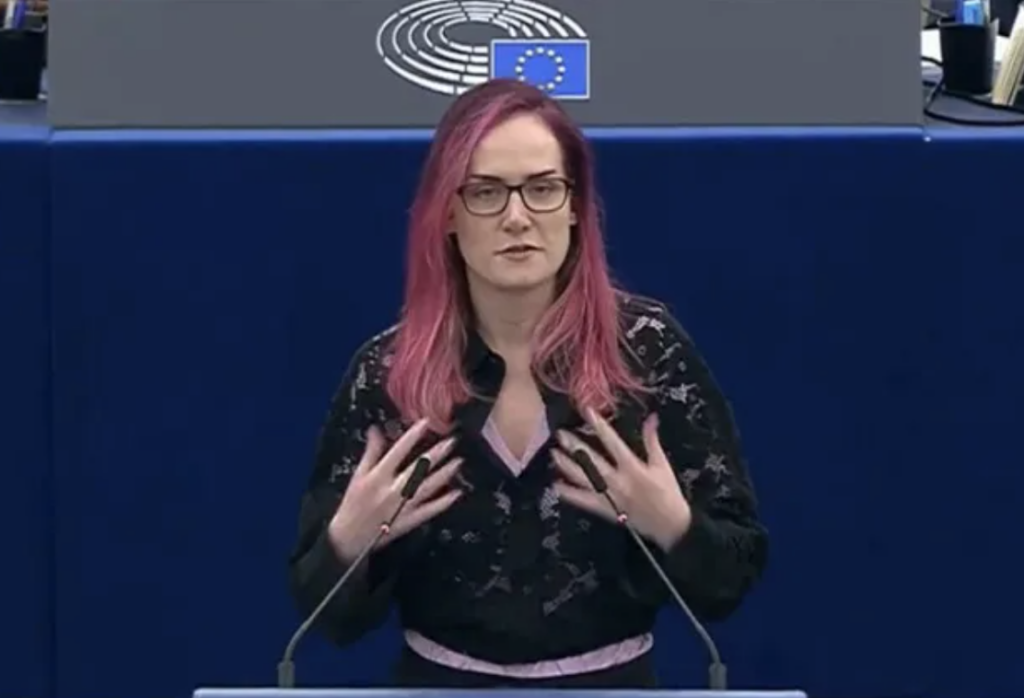
MEP Markéta Gregorová also reacted to the latest laws adopted by the Georgian parliament, saying they “ban basic activism and civil society”. According to her, the European Union must finally respond with targeted sanctions against those responsible.
“And I do not care if two member states block it. What about the other 25 countries? Can they not impose sanctions? What is stopping them? Otherwise, silence and inaction only strengthen anti-democratic forces and send a dangerous signal that repression against citizens in a candidate country can go unpunished,” Gregorová said.

Representatives of the European Union unanimously noted that inaction or silence only strengthens anti-democratic forces and sends a dangerous signal that repression against citizens in a candidate country remains unpunished.
Debate on Georgia in the European Parliament