Opinion: 'Georgia is now effectively in confrontation with its former strategic partners'






Opinion: Georgia and NATO
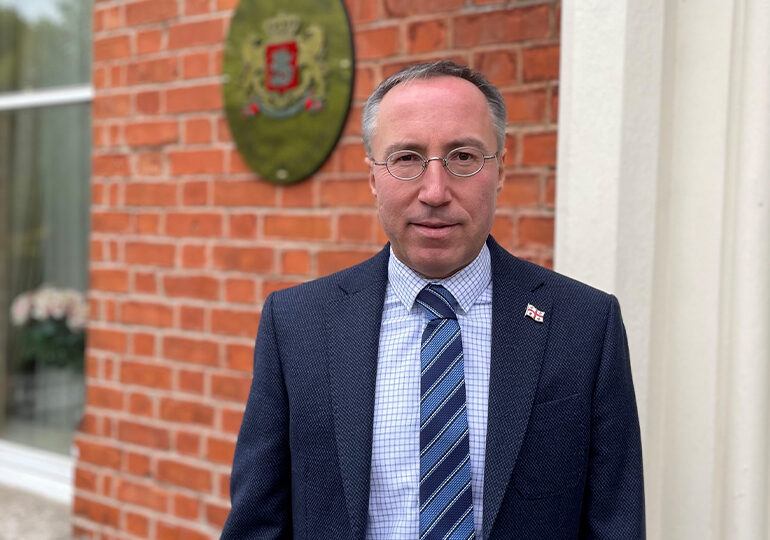
According to Levan Dolidze, Georgia‘s ambassador to NATO between 2013 and 2015, the country, once regarded as one of the alliance’s key partners, now faces the risk of seeing that status called into question.
In his view, Georgia is now effectively in confrontation with its former strategic partners. The former diplomat argues that the country’s policy of international isolation is damaging Georgia’s national interests.
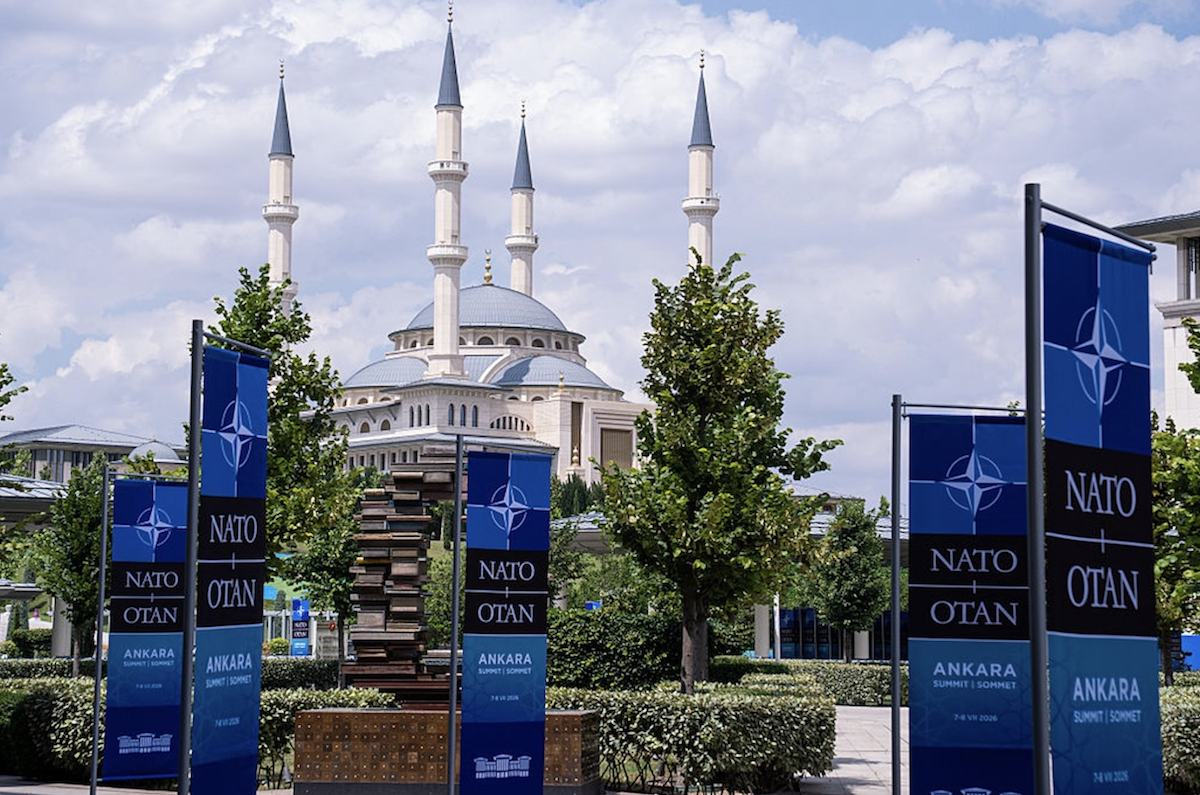
On 7-8 July 2026, NATO leaders met in Ankara for a summit focused on European security, strengthening defence and support for Ukraine. But Georgia, which has spent the past two decades declaring NATO membership as a strategic goal, was not officially represented in the discussions. The Georgian government does not view the absence of an invitation to the Ankara summit as a sign of political isolation. The ruling party says this year’s summit did not include the parallel meeting with partner countries that Georgia had attended in previous years.
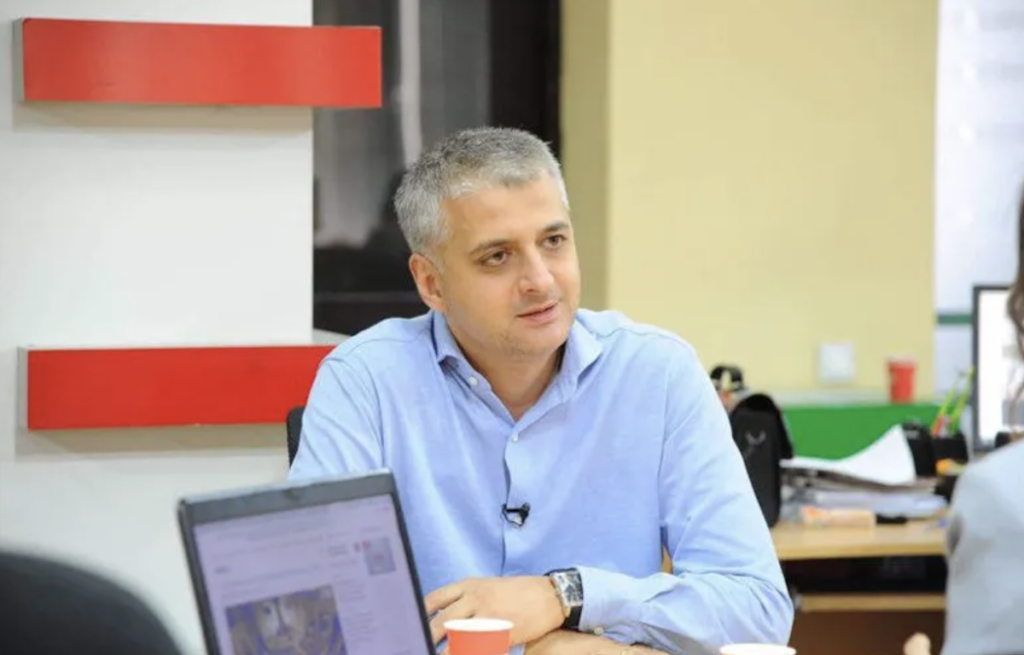
Levan Dolidze:
“The statements made at the summit and the language contained in the NATO summit declaration were fully in line with the global security challenges we are facing today.
The key issues identified included Russia’s war against Ukraine. As a result, the summit placed strong emphasis on strengthening the military capabilities of NATO’s European members and the need to increase defence spending. Naturally, the Middle East was also high on the agenda.
Today, we are effectively in confrontation with our former strategic partners. That is clearly affecting our relations with both NATO and the European Union. It is also worth noting that this was not the first NATO summit that Georgia did not attend. That was partly due to NATO’s agenda. The main topics of discussion were Ukraine and the conflict involving Iran, and the countries invited to the summit were selected accordingly.
There was a time when Georgia was NATO’s most valuable partner. Unfortunately, that status is now being called into question. In this case, Georgia’s absence was due to the alliance’s agenda. <…> What is far more damaging is Georgia’s absence from discussions within the European Union.
A foreign policy that leads to international isolation is causing significant harm to our country’s national interests. We hear from various government representatives that Georgia should pursue a multi-vector foreign policy.
When we talk about a multi-vector policy, it is unclear why that should come at the expense of the existing course. It is important for Georgia to build partnerships with China and strengthen ties with Central Asian countries. I fully support that approach, but I do not understand why it should become a reason to undermine our other strategic partnerships.”

Opinion: Georgia and NATO