Minval Politika: Baku may restore rail links with Armenia 'in response to Tbilisi’s tariff move'






Azerbaijan-Armenia rail link
Azerbaijani outlet Minval Politika has published an article claiming that a previous report by the publication forced the Georgian government to allow a one-off transit of Azerbaijani petroleum products to Armenia free of charge.
“However, such a one-off decision does not answer the main question: what is Tbilisi’s actual position on long-term tariffs and customs duties?” the article says.
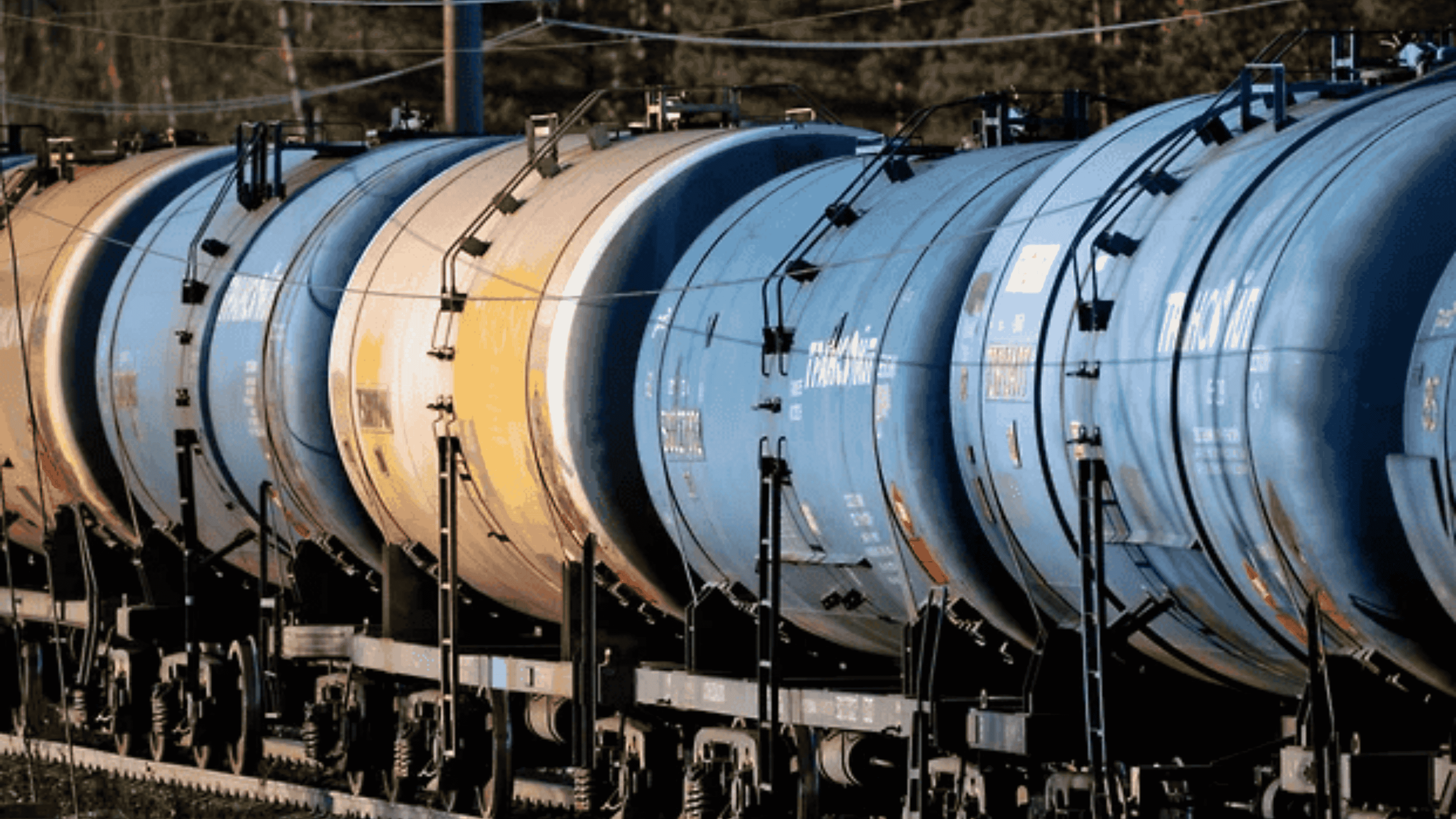
The publication, citing a source familiar with ongoing talks between Baku and Yerevan, notes that Azerbaijan has already begun assessing its options for creating an alternative logistics route. This would involve restoring the railway line that connected Baku with Kazakhstan during the Soviet period and later extended towards Ijevan in Armenia.
According to Minval Politika, the evaluation of alternative routes has already begun, and the technical aspects of restoring the section that would “free” transit cargo from reliance on Georgia have been studied.
At the same time, the outlet reports that road routes are also being considered. Minval Politika suggests that the very fact such discussions are taking place indicates that Azerbaijan no longer views transit through Georgia as the sole or inevitable route.
“Today, Tbilisi faces a simple choice: either integrate into a new model of regional cooperation or watch the development of routes where Georgia’s presence will no longer be necessary,” the publication writes.
Background
On 5 December 2025, Azerbaijani media reported on a meeting between the authorities of Azerbaijan and Armenia held on 28 November. According to sources, the main topic of discussion was the export of Azerbaijani oil and petroleum products to Armenia, which could bring economic benefits to both Baku and Yerevan. Due to the lack of direct railway connections between the two countries, transit through Georgia was considered the only way to carry out the deal.
The publication reported that Azerbaijan requested transit tariffs from Tbilisi, to which the Georgian side responded with a rate 20 times higher than the current one. Azerbaijani media argued that, at a time when the South Caucasus has a unique opportunity to shift from a logic of conflict to a logic of development, Tbilisi’s actions represented an attempt to prolong this transitional period.
“All of this undermines the overall momentum of regional peacemaking and demonstrates an unwillingness to participate in creating a space for shared prosperity,” wrote the article’s author, Maksud Salimov.
Georgia’s Ministry of Economy and Sustainable Development commented on reports in Azerbaijani media that Georgian tariffs were hindering railway fuel deliveries from Azerbaijan to Armenia. The ministry said it had received a request from the neighbouring countries for a one-off import of fuel from Azerbaijan to Armenia, which Georgia will carry out completely free of charge.
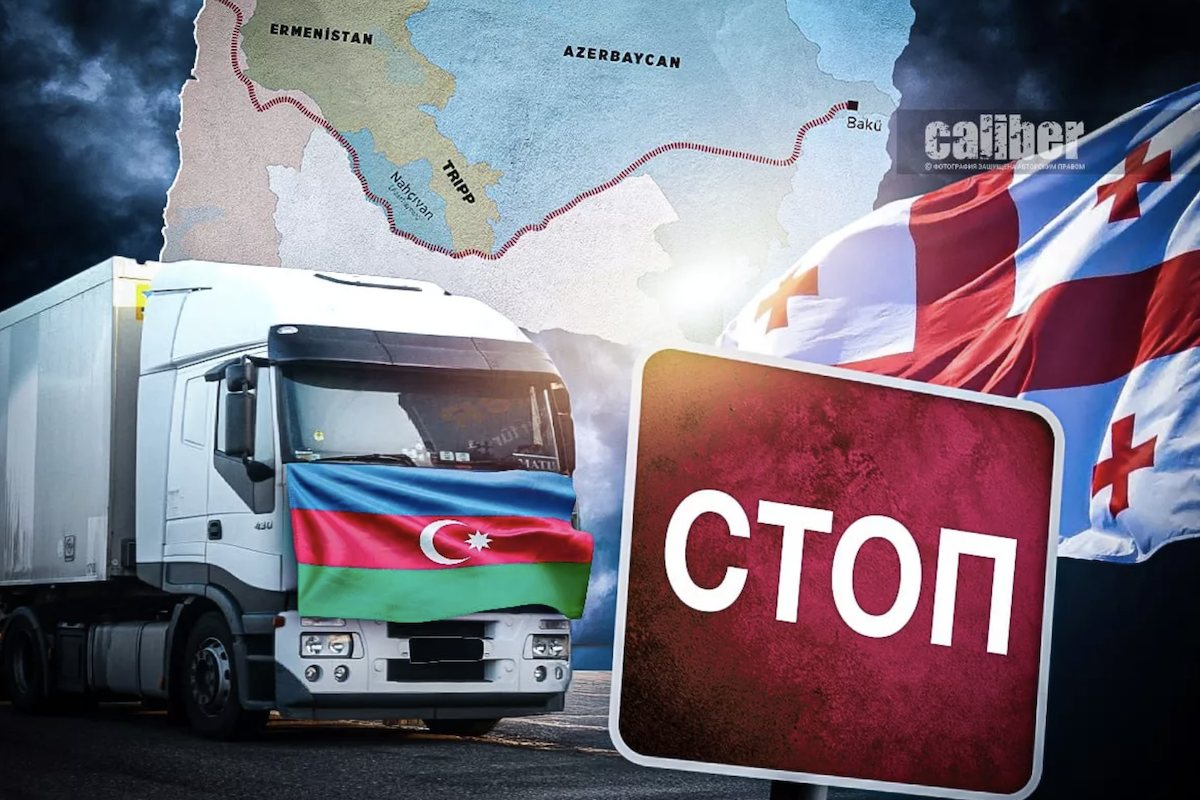
Last week, another pro-government Azerbaijani outlet, Caliber, published an article in which author Samir Veliev, drawing on accounts from drivers, described how the Georgian side’s treatment of Azerbaijani drivers at the border has changed recently.
According to the author, drivers have faced rude behaviour and disregard for the law—they are sometimes held at the border for several days. Some drivers even recalled being mockingly asked, “When will the Zangezur corridor open?” and being told to take that route instead.
The article suggests that these changes in Tbilisi’s policy may be linked to the “northern neighbour” or to “those representing Armenian interests” within the Georgian government.
Azerbaijan-Armenia rail link