An imam in Marneuli, Georgia, called the U.S. the “largest terrorist” and voiced support for Ali Khamenei






Imam in Georgia backs Khamenei
During a sermon at the Imam Ali Mosque in Marneuli, in the Kvemo Kartli region of Georgia (where a large Azerbaijani community lives) Imam Haji Hajiyev called the United States the “largest terrorist in the region,” expressed solidarity with Iran’s Supreme Leader Ali Khamenei, and referred to leaders of Hamas killed by Israel in recent years as “martyrs.”
A poster depicting Khamenei was also displayed in the mosque during the sermon, and several people in the audience were holding his portraits.
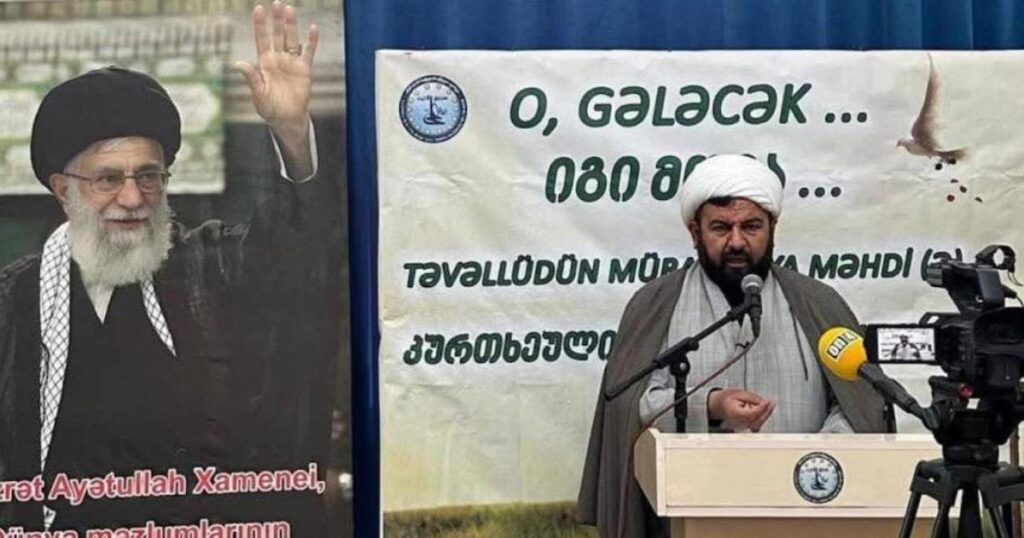
According to Hajiyev, Muslims should support Ali Khamenei as a “mujtahid” – a high-ranking Islamic theologian entitled to issue independent religious rulings based on direct interpretation of the Quran.
Hajiyev said that those who cannot support Khamenei physically should support him verbally or on social media.
“If today in the Middle East – in Yemen, Palestine, Iraq, partly in Syria, and especially along the axis of resistance led by Iran – there were no resistance front, the enemy would have fully achieved its goals in the region,” Hajiyev said.
The imam said that Ali Khamenei today is the “spiritual leader of liberated Muslims and oppressed nations.” He added that Sunni scholars also recognize Khamenei’s leadership qualities, and that Hassan Nasrallah and Sayyed Safieddine, who supported Hamas leaders, “died along the same path with him.”
During his sermon, reportedly delivered in early February, Hajiyev called the United States the “organizer and sponsor of terror,” saying it “bears responsibility for the deaths of millions of people in the Middle East.”
He also condemned what he described as threats and calls by Israel to carry out terrorist attacks against Khamenei, calling them international crimes.
Hajiyev mentioned the wave of protests that began in Iran in late December and accused tens of thousands of demonstrators of “deliberately creating chaos.”
He also repeated Khamenei’s warning that “if the enemy commits another act of madness, it will suffer a humiliating defeat in the region.”
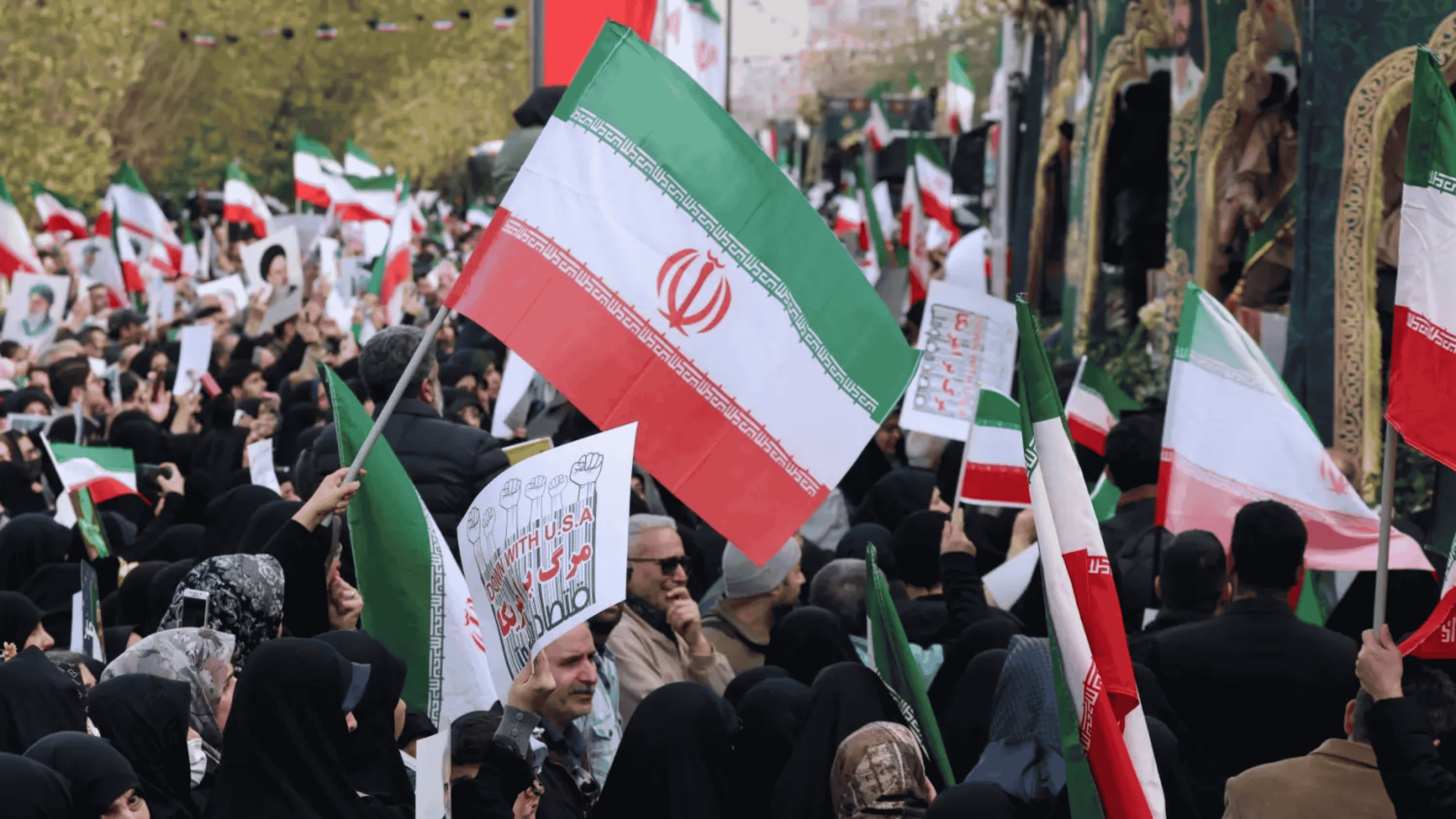
Tensions in the Middle East remain high. The United States has deployed additional military forces to the region following the Iranian regime’s violent crackdown on anti-government protests that began on December 28.
The protests in Tehran and hundreds of other cities across Iran were initially triggered by a sharp rise in inflation and the collapse of the national currency, but they quickly turned into anti-government demonstrations, after which the authorities moved to suppress them with particular brutality.
According to official Iranian government figures, about 3,000 people were killed during the crackdown. However, the latest data from the HRANA human rights organization puts the death toll from the protests at 7,008 people, including 219 children, with more than 53,300 people detained by the authorities.
News in Georgia