Flooded Baku ahead of urban planning forum: why the city struggles with every rainfall






Causes of flooding in Baku
Heavy rains that hit Baku in the first week of April once again tested the city’s infrastructure.
In an official statement on 4 April, the Ministry of Emergency Situations, citing the National Hydrometeorological Service, warned that rainfall would intensify in the coming days. It said this could trigger short-term mudflows and flooding on some mountain rivers. It also warned of a risk of flooding in Baku’s suburbs that are prone to inundation and urged residents to follow safety rules.
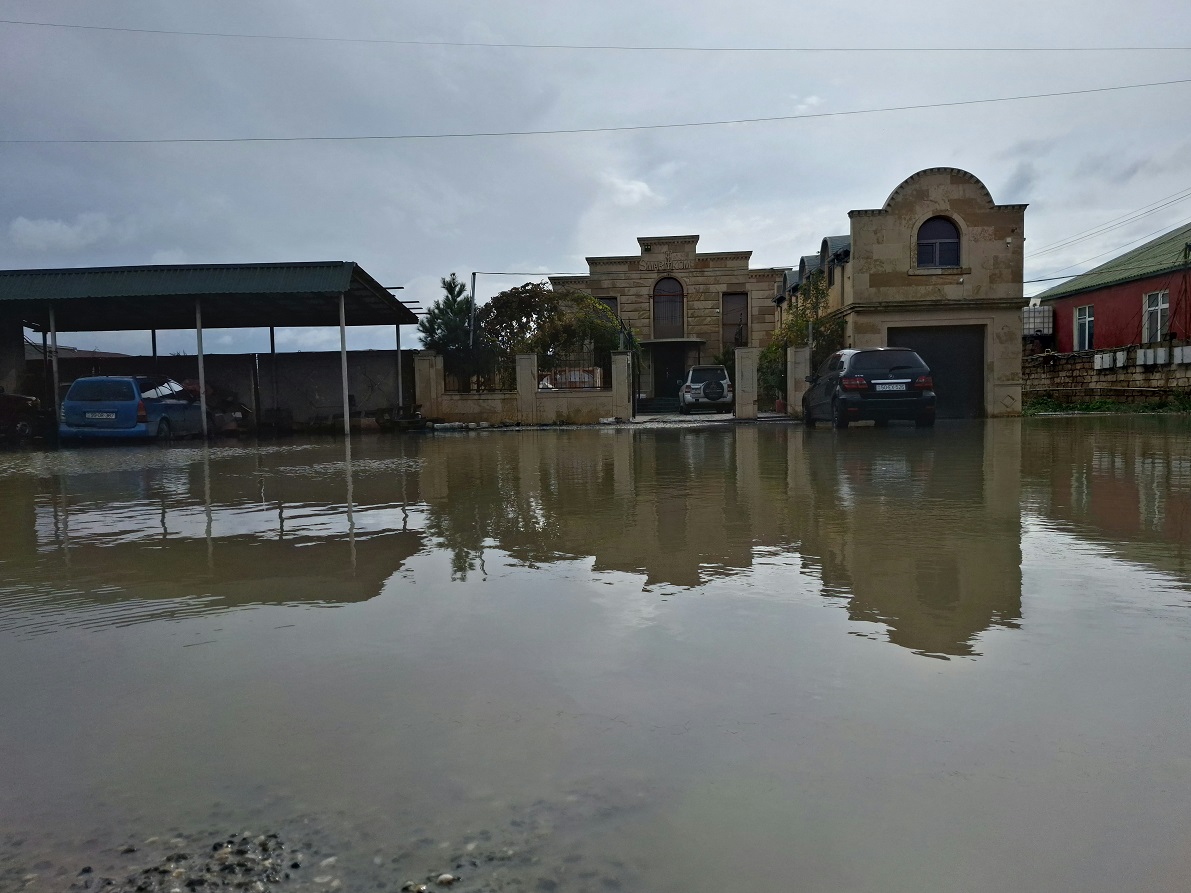
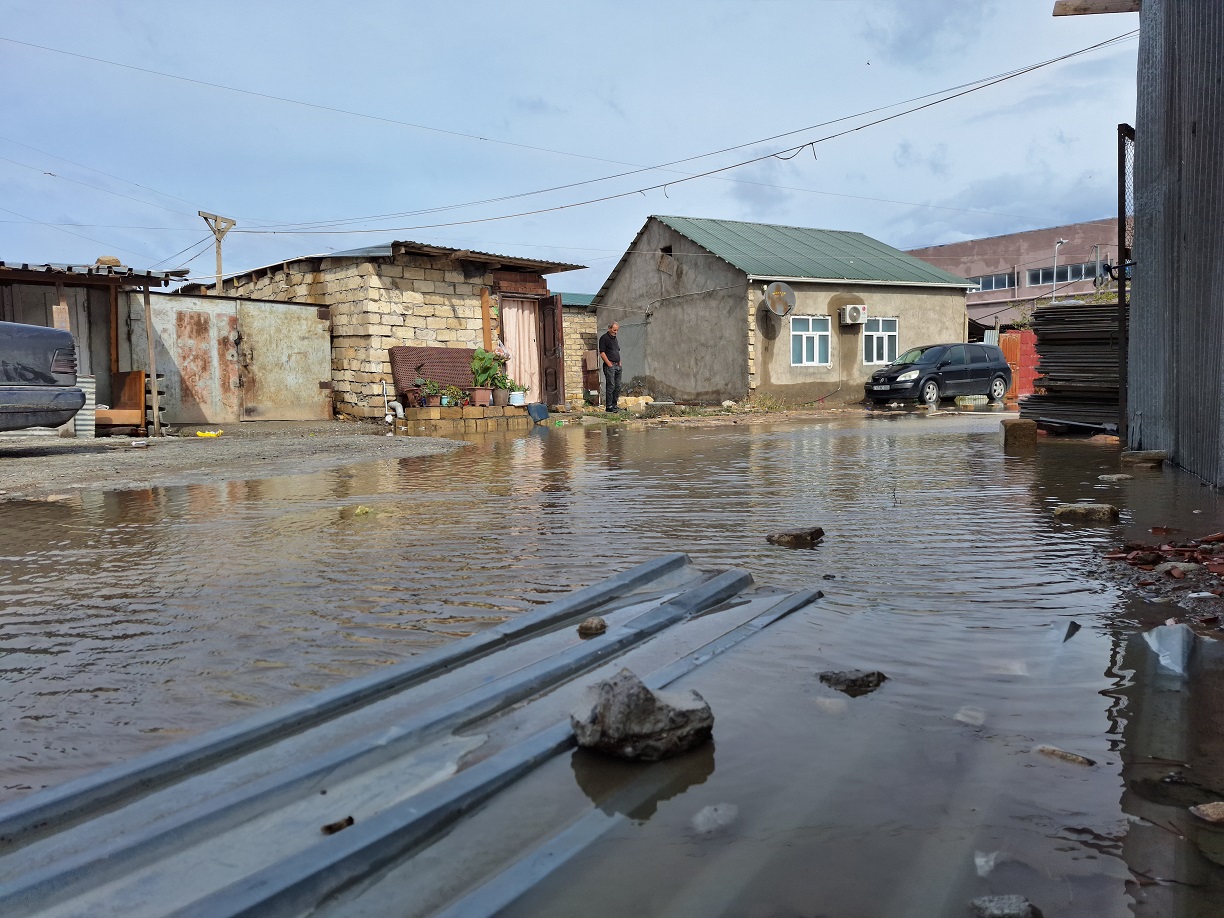
Against this backdrop, a malfunction in a drainage collector flooded residential houses in the Keşla settlement of Baku’s Nizami district on 5 April. The Ministry of Emergency Situations said a call to the 112 hotline prompted an emergency response. Civil defence forces, the State Fire Service, the Special Risk Rescue Service, the Small Vessels Control and Water Rescue Service, and the Baku Regional Centre all responded to the scene. Rescuers evacuated residents from flooded homes, pumped out water and carried out other safety operations.
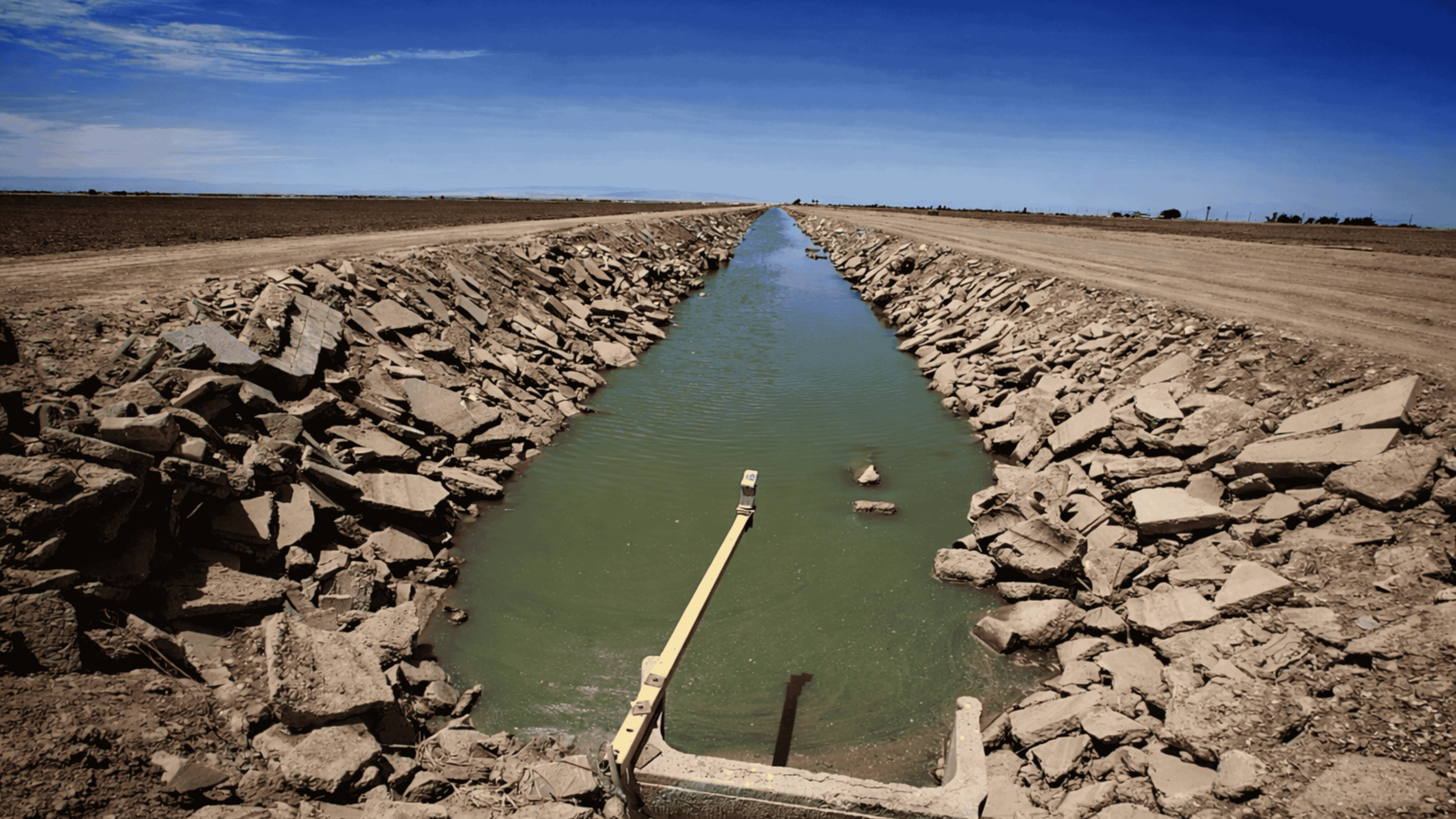
In an updated statement issued the same day, the ministry said that 37 people had been evacuated to safe locations and that water pumping operations were ongoing. While this points to a rapid response, it also raises a question:
Why does every heavy rainfall turn into an emergency in the capital?
The problem did not affect just one settlement. In another statement, the Ministry of Emergency Situations said that, due to intense rainfall, crews pumped water out of flooded areas in the Khazar, Sabunchi, Nizami, Binagadi, Sabail and Garadagh districts, as well as in the Absheron district and along the Baku–Sumgait highway. The same statement noted that a total of 58 people had been evacuated from Keşla. This list suggests not just isolated low-lying areas, but a recurring, citywide risk.
In the first days of April, reports also emerged of flooded yards in private homes in the Binagadi and Surakhani districts. According to the ministry, rescuers evacuated nine people from these areas, including four minors. In recent years, flooding has become a regular feature of the rainy season in Baku.
WUF13 and the Year of Urban Development
After such a week, it is worth revisiting Baku’s international image agenda. From 17 to 22 May, the capital will host the 13th session of the World Urban Forum (WUF13).
The forum’s official website states that the event will focus on the theme “Housing for all: safe and sustainable cities and human settlements”. It will address access to housing as a key factor for inclusivity and sustainable development. The website also cites President Ilham Aliyev, noting that the decision to hold WUF13 in Baku reflects recognition of Azerbaijan’s contribution to global urbanisation processes and signals trust in the country as a reliable partner.
In addition, a presidential decree issued on 22 December 2025 declared 2026 the “Year of Urban Development and Architecture”. The document sets out goals such as preserving traditions in urban planning and architecture and promoting progressive approaches that respond to modern challenges.
The irony is that, on the eve of a global forum dedicated to “safe and sustainable cities”, Baku’s safety agenda is being shaped by water — not as an element of sustainable management, but as a source of flooding and evacuations.
Why does Baku struggle with every rainfall?
Official rhetoric often points to meteorological factors as the main explanation. State institutions frequently link flooding episodes to “climate change” and “above-average precipitation”. Warnings from the Ministry of Emergency Situations also stress that heavy rainfall increases the risk of flooding. This is an объективный природный фактор, but the key question for urban governance lies elsewhere:
Why does heavy rainfall trigger systemic failures that paralyse the city?
Structural problems come to the fore here. In an official readout of a meeting held on 12 January under the president’s chairmanship, the head of the State Water Resources Agency, Zaur Mikayilov, said that Baku and Absheron’s water supply and sewage systems were largely built before the late 1980s. In the years since, the area of populated settlements has expanded 2.6 times, while the population has grown 2.1 times.
He stressed that the main trunk networks have exceeded their service life. He also said that connecting stormwater collectors to sewage systems places additional strain on the network. In addition, he noted that “all stormwater drainage systems that previously existed in Baku were converted into sewage collectors in the 1990s.”

One of the most alarming signals is the conflict between urban development practices and water infrastructure. At the same meeting, officials stressed that protected zones have been taken over by construction. According to the analysis, more than 1,600 private houses and other structures in Baku obstruct, and in some cases make it impossible to operate, the main sewage networks.
Official data shows that in some cases this leads to sewage system failures and damage to residents’ homes. Authorities therefore directly link flooding to illegal construction.
The meeting also addressed Baku’s natural water catchment areas. Officials noted that more than 300 lakes across Baku and the Absheron peninsula serve this function. However, between 2014 and 2025, developers drained or occupied some of them through illegal or unregulated construction. Once construction takes over these areas, the risk of flooding during heavy rainfall rises sharply.
Urban development has also replaced green zones with concrete, reducing the number of areas that can absorb and retain water. As a result, water flows onto roads and into residential yards.
Despite the adoption of a state programme to improve water supply, stormwater and sewage systems in Baku and the Absheron peninsula for 2026–2035, the city and surrounding areas are likely to continue facing these problems in the coming years.
Causes of flooding in Baku