“Don’t let them bury education” – march in support of Ilia University, Protests in Georgia blog, video






Protest in support of Ilia University in Georgia
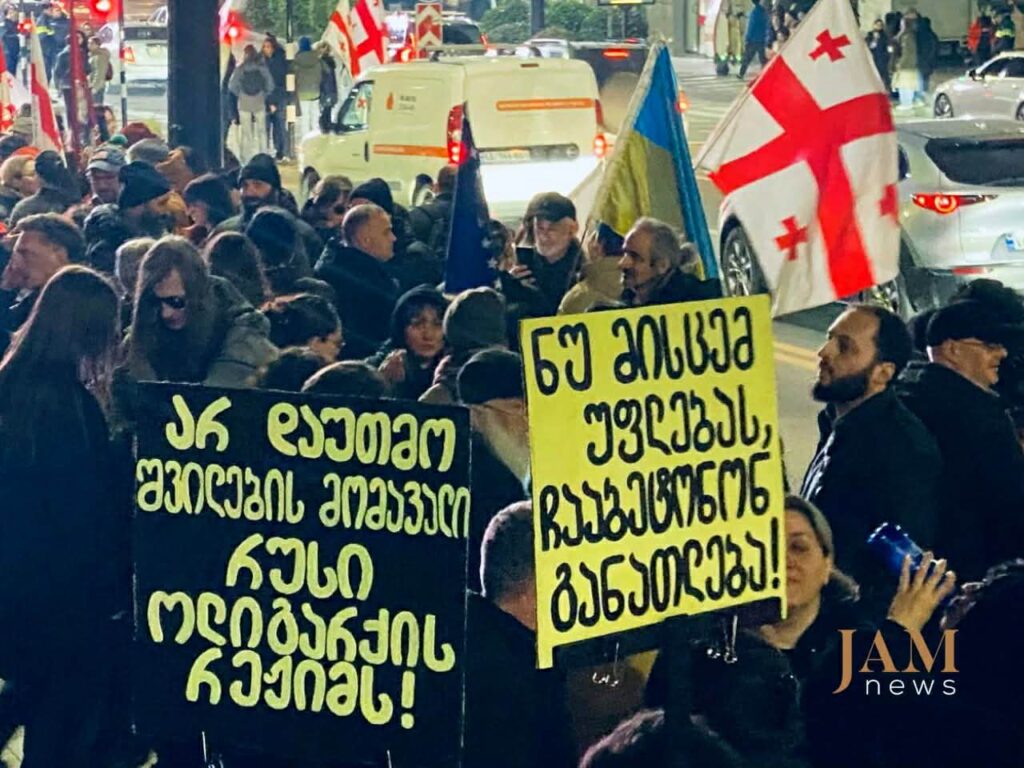
Weekly Saturday protests continue in Tbilisi. On February 14, thousands gathered outside the parliament were joined by participants from three protest marches, including students from Ilia University protesting education reforms.
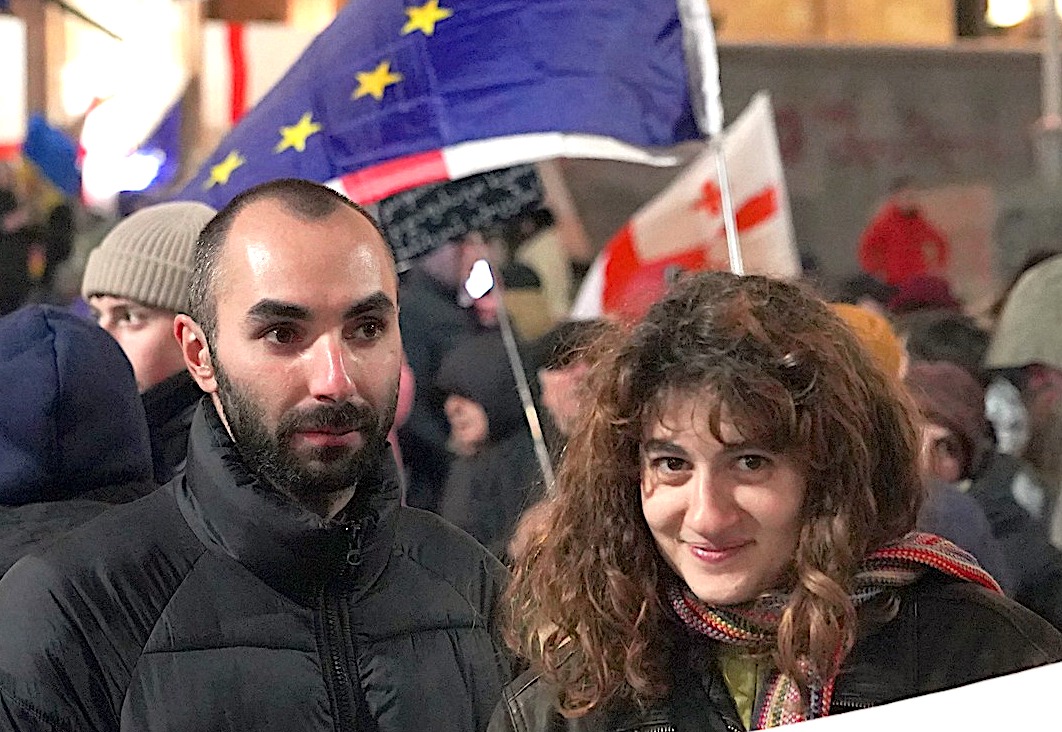
For more than a year – since November 2024 — continuous protests have been taking place in Georgia, with demonstrators demanding that the country return to the path of European integration. Every evening thousands, and often tens of thousands, gather in Tbilisi and several other cities. Over this time dozens of participants have been detained, many have faced criminal charges, and some have been sentenced to prison terms.
For the first time in the history of independent Georgia, the country has up to 150 prisoners of conscience, including women. Among them is Mzia Amaglobeli, founder of the popular outlets Batumelebi and Netgazeti. In 2025 she was sentenced to two years in prison for slapping a police officer.
Protesters demand the release of all political prisoners, new parliamentary elections – as they do not recognize the results of the 2024 vote – and the repeal of all anti-democratic laws adopted over the past two years.
To suppress the protests, the ruling Georgian Dream party has increasingly tightened repression against civil society and the media. However, protests in various forms continue.
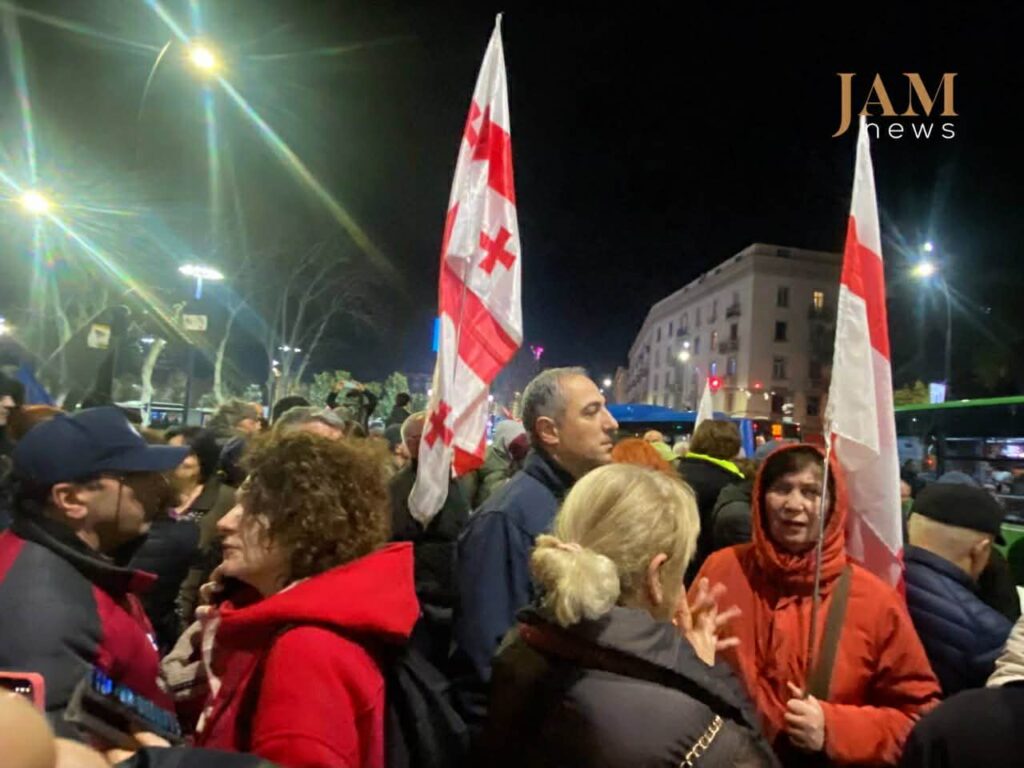
The protest march was also joined by a demonstration in support of the Iranian people fighting against the Islamic regime. The march was organized by the Iranian diaspora in Georgia.
News in Georgia