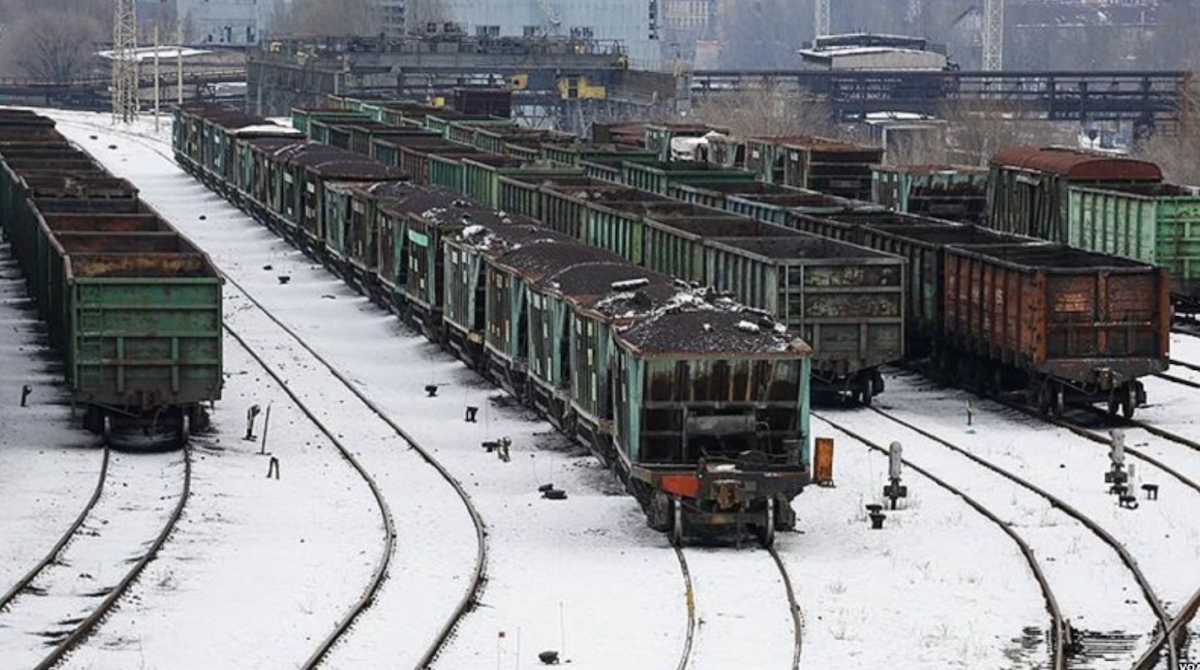
Part of gas pipeline supplying Armenia with Russian gas via Georgia to be relocated






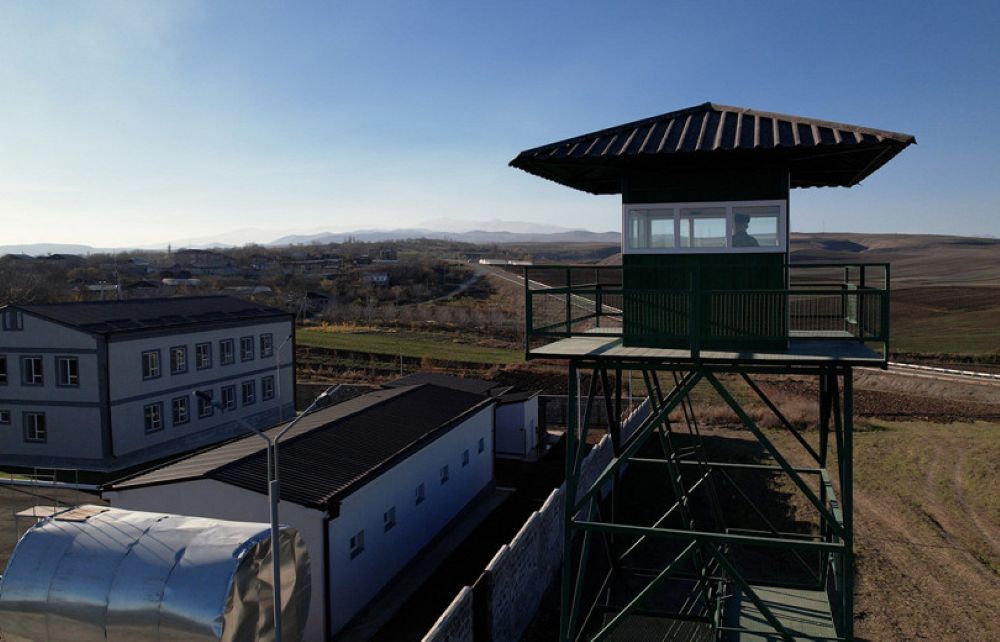
Armenia Georgia gas pipeline relocation
Reports emerged this morning about plans to relocate a 5.5-kilometre section of the gas pipeline that supplies Armenia with gas from Russia. The section lies on the Armenian-Georgian border. Armenia receives Russian gas via Georgia, and this infrastructure is vital for the country.
Sputnik Georgia reported that the Armenian side requested the relocation. It added that “a corresponding application has already been submitted to the Environmental Supervision Department of Georgia’s Ministry of Environment”.
JAMnews found that officials are indeed discussing the relocation of the pipeline section on the Armenian-Georgian border. However, Georgia’s economy ministry and environment ministry say they have not received any applications from Armenia.
Officials in Yerevan have not yet responded to the reports. Armenian political analysts suggest the move may link to the delimitation and demarcation process on the Armenia-Azerbaijan border. The pipeline section runs through an area where the borders of Georgia, Armenia and Azerbaijan intersect.
- Awaiting end of war in Ukraine: Russia’s intentions in South Caucasus
- Georgia in reverse: how showcase of post-Soviet democratisation turned into a country with ‘functionally pro-Russian’ regime
- Opinion: “Russia is trying to hurt Armenia’s economy using a proxy – and Georgia is the proxy”
‘It is impossible to ensure safety and carry out repair work at the same time’
Sputnik Georgia says the pipeline will shift by several kilometres and will connect to a new section built by the Armenian side.
The outlet reports that the decision rests on the fact that the Armenian section of the pipeline lies in the Georgia–Armenia–Azerbaijan border area and was mined in the 1990s:
“Given that it is impossible to meet minimum safety standards and carry out repair work on this section, the parties decided, on the basis of a trilateral intergovernmental agreement, to remove the problematic section of the gas pipeline from the mined zone and build a new pipeline at a safe distance.”
Commentaries
Political analyst Ruben Mehrabyan said the available information is not sufficient for a proper assessment.
“It is difficult to say what drives this decision. Its implementation requires spending. Are these costs justified? We need more information to understand whether these expenses are necessary and why taxpayers should cover them,” he told JAMnews.
Mehrabyan suggested the decision may link to the delimitation and demarcation process on the Armenia–Azerbaijan border:
“There may be problems with demining. Safe demining operations may require changes to the geographical layout.”
Asked what risks the Armenian authorities aim to prevent, despite saying peace has been established, the analyst replied:
“We understand that the de facto peace with Azerbaijan needs additional safeguards. It also requires, so to speak, certain homework. For this, fortification works take place along the entire border, weapons are being replenished, and so on. All these steps aim to ensure maximum security for our country against any force majeure.”
At the same time, Mehrabyan did not rule out that the situation around the pipeline section could create “additional risks” for Armenia’s energy security. Against the backdrop of the ongoing war in Iran, “risks of economic pressure on Armenia’s energy system will objectively increase”.
Political analyst Samvel Meliksetyan said the change to the pipeline route most likely relates to upcoming border delimitation in the area.
He said demining operations could damage infrastructure, but did not rule out other reasons.
“From Mount Papakar, Armenia’s northernmost point where the borders of three countries meet, the pipeline runs along the border and descends parallel to it towards the village of Berdavan. It then runs along the border of the Verin Voskepar enclave, moves away from the border, and continues through Armenia,” he told JAMnews.
Meliksetyan noted that the pipeline dates back to the Soviet era, when borders were administrative. Now that they function as state borders, he considers it reasonable to adjust the infrastructure.
He added that the pipeline runs very close to the Azerbaijani border. In some sections, the distance is only a few hundred metres. He recalled that in 2014–2015, when Armenia carried out repairs and tensions were high, Azerbaijani media discussed the possibility of shelling.
He believes there is no risk of escalation or shelling at present. However, he said it would be preferable to move the infrastructure away from the border zone. This would remove the need to “coordinate” each step with the Azerbaijani side.
In his view, the changes should also cover the section passing through the Verin Voskepar enclave.
“There were discussions that we might face problems because the pipeline runs through this area. There were also concerns that if issues related to enclaves were resolved unfavourably, this would create difficulties. The pipeline ran along the enclave’s border in Soviet times. If changes take place now, political speculation around this issue will also end,” he said.
Context: possible link to delimitation process
In January 2025, Armenia and Azerbaijan held another meeting of their delimitation commissions. The sides agreed on a new section where they will carry out delimitation and demarcation of the border.
They agreed to start comprehensive work from the northern section, at the point where the borders of Armenia, Azerbaijan and Georgia meet. They will then continue the process from north to south, up to the Armenia–Iran border.
Armenia Georgia gas pipeline relocation