“Attempted coup in focus”: Georgia’s State Security Service report


Georgia State Security Service 2025 report
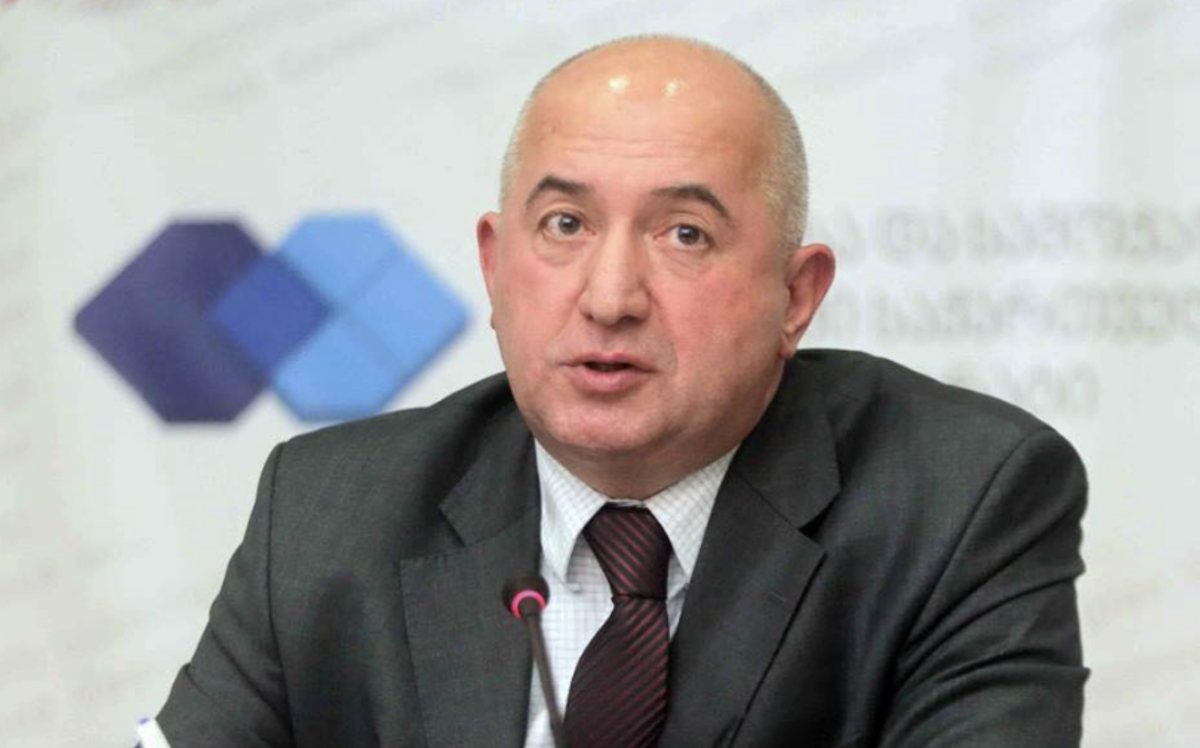
Head of Georgia’s State Security Service, Tamaz Borashvili, presented the agency’s 2025 activity report at a plenary session of the Georgian parliament.
The report covers internal and external security threats facing Georgia in 2025, including:
- Challenges related to the territories occupied by Russia;
- Hybrid warfare and the spread of disinformation;
- Counter-intelligence and counter-terrorism operations;
- Measures taken by the State Security Service to prevent and stop attempts to destabilise the situation inside the country.
- Anti-Annexation Platform: Minsk meeting between Georgian and Russian officials threatens to undermine Geneva talks
- Former Georgian security chief Grigol Liluashvili jailed for 13 years for corruption
- “Relations with Russia cannot be restored”: Georgian prime minister on the country’s foreign policy
According to Borashvili, the security situation underwent significant changes in 2025, both globally and regionally, and Georgia faced a number of internal and external challenges. He noted that several attempts were made throughout the year to destabilise the country.
The head of the State Security Service placed particular emphasis on threats stemming from the occupied territories and hybrid challenges.
He said Russia’s occupation of Abkhazia and the Tskhinvali region (South Ossetia) remained one of the main threats to Georgia’s national security, undermining the country’s sovereignty and territorial integrity.
Borashvili also said that throughout 2025 the SSS had continuously monitored propaganda and disinformation campaigns carried out as part of an “information war”.
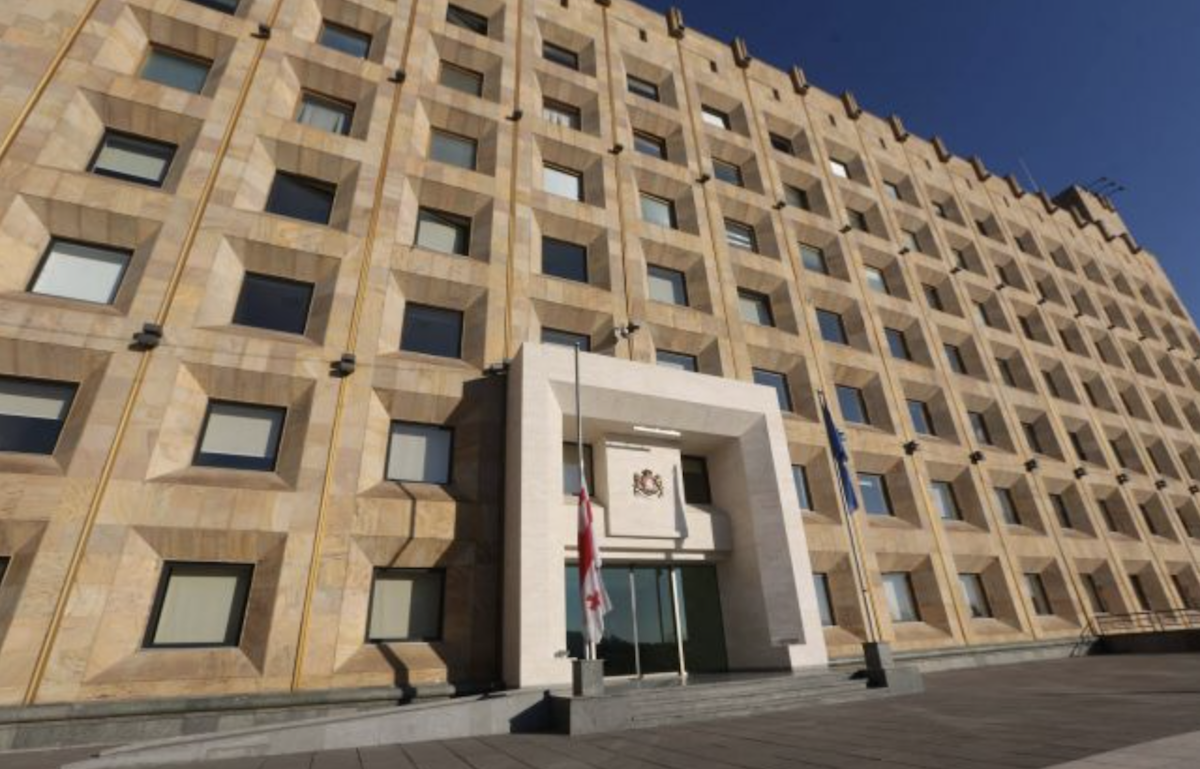
Presenting the report, the SSS chief also addressed the events of October 2025, when a group of participants in mass protests in Tbilisi attempted to storm the presidential administration building. Borashvili said certain groups operating both inside and outside Georgia had planned to provoke civil unrest and destabilise the country in an attempt to overthrow the government by force.
“In coordination with other law enforcement agencies, this attempt was prevented,” Borashvili said.
He also briefed MPs on the results of measures taken in counter-intelligence and counter-terrorism, as well as efforts to combat corruption and official misconduct.
The SSS chief said that counter-intelligence operations had identified individuals involved in the activities of foreign intelligence services who had held operational and agent meetings in Georgia.
According to Borashvili, terrorist threats remain a relevant challenge for Georgia, although the country is considered to be at low risk of terrorist attacks.
He also outlined structural and institutional changes within the agency. During the reporting period, Georgia’s Intelligence Service, previously a state department, was transformed into an agency.
A decision was also made to turn the SSS training centre into a higher education institution, a legal entity under public law called the State Security Academy.
The report also covered measures to upgrade the agency’s equipment and facilities and improve working conditions for its staff.
At the end of his address, Tamaz Borashvili thanked SSS personnel for their work and daily efforts to ensure the country’s security.
Before the SSS chief’s address, the agency’s deputy head, Davit Archvadze, presented a brief overview of its 2025 activity report.
Notably, the brief statement published by the State Security Service refers to the issue of occupation only in general terms, while the events of 4 October 2025, described as an “attempt to violently change the government”, receive much greater emphasis.
It is also worth noting that just a few days earlier, on 19 November, Georgia’s Prime Minister’s special representative, Giorgi Zurabashvili, held his first meeting in Minsk with Russian Deputy Foreign Minister Mikhail Galuzin.
This marked the resumption of informal direct dialogue with Russia, despite Moscow’s continued occupation of Georgian territories and its policy of recognising the so-called independence of Abkhazia and the Tskhinvali region.
According to the Georgian government administration, the meeting focused on trade and economic ties, cultural and humanitarian issues. Regional security was also discussed.
However, the Georgian side’s statement on the meeting did not specify what position was expressed on Russia’s occupation of Georgian territories.
News in Georgia