Azerbaijan’s Nakhchivan repeals 47 decrees by former leader: what decisions are affected?


Azerbaijan: Decrees by former Nakhchivan leader repealed
Jabbar Musayev, prime minister of Azerbaijan’s Nakhchivan Autonomous Republic, has repealed 47 decrees signed by Vasif Talibov during his time as chairman of the Supreme Assembly and amended several others.
The autonomous republic’s official newspaper, Sharq Gapisi, reported the decision on 25 November. The text of the decision has not been made public, and the authorities have not explained the reasons behind it. The newspaper published only a list of the repealed decrees.
The decision came 20 days after the authorities abolished Nakhchivan’s permanent representation in Baku. We previously reported on how control over the autonomous republic had gradually shifted to Baku over the past four years.
Now another question arises: what does the list of repealed decrees reveal about the separate system of governance that Talibov built over 27 years?
What is on the list?
Most of the repealed decrees concern the establishment of autonomous republic institutions, the approval of their organisational structures and regulations governing their activities. The documents can be grouped into several categories.
Security and customs. Decrees approving the regulations and structure of Nakhchivan’s Ministry of National Security, the structure of the autonomous republic’s State Customs Committee, and social protection measures for customs officials.
Finance and economy. Decrees approving regulations for the Ministry of Taxes and the Ministry of Economic Development, as well as documents governing the activities of the State Procurement Agency, the Entrepreneurship Support Fund, industrial parks, the State Social Protection Fund and the Main State Insurance Agency.
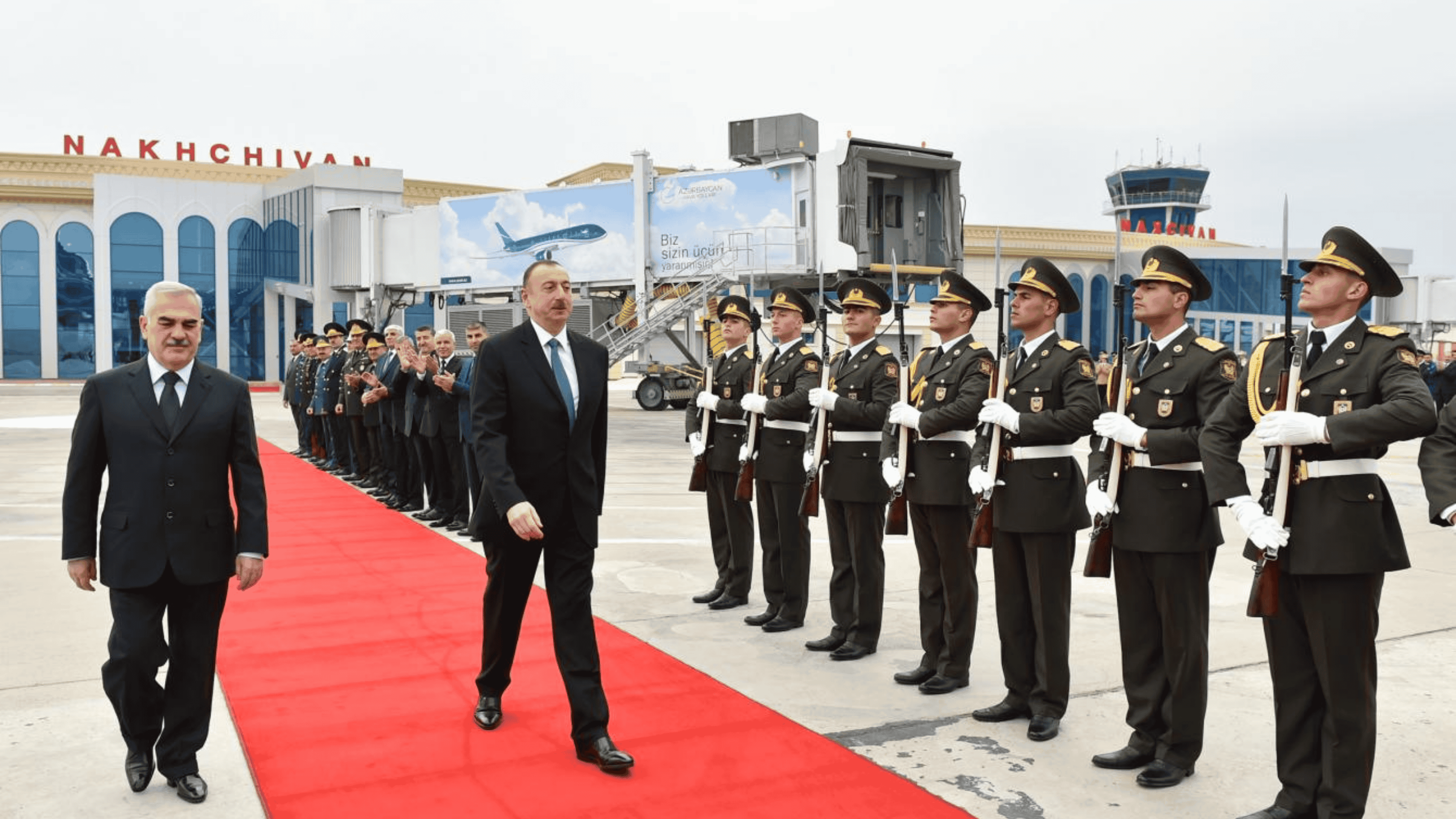
Infrastructure. Decrees concerning Nakhchivan International Airport, the state-owned Nahavtoyol company, the State Motor Transport Concern, the Nakhchivan Oil and Gas Supply Enterprise, and the ministries of transport and communications.
Law, media and religion. Decrees concerning the activities of the Nakhchivan ombudsman, the Television and Radio Council, the State Committee for Television and Radio Broadcasting, the Office for Religious Organisations and the Civil Service Commission under the chairman of the Supreme Assembly.
Honorary titles. The first two items on the list concern the establishment of honorary titles in the Nakhchivan Autonomous Republic and the approval of regulations governing them.
The repealed decrees also include those approving the “new structure” of the autonomous republic’s Cabinet of Ministers, the organisational structures of several central executive bodies and the Ministry of Education, as well as regulations governing the Nakhchivan branch of the Azerbaijan National Academy of Sciences (ANAS).
The legal foundations of a “state within a state”
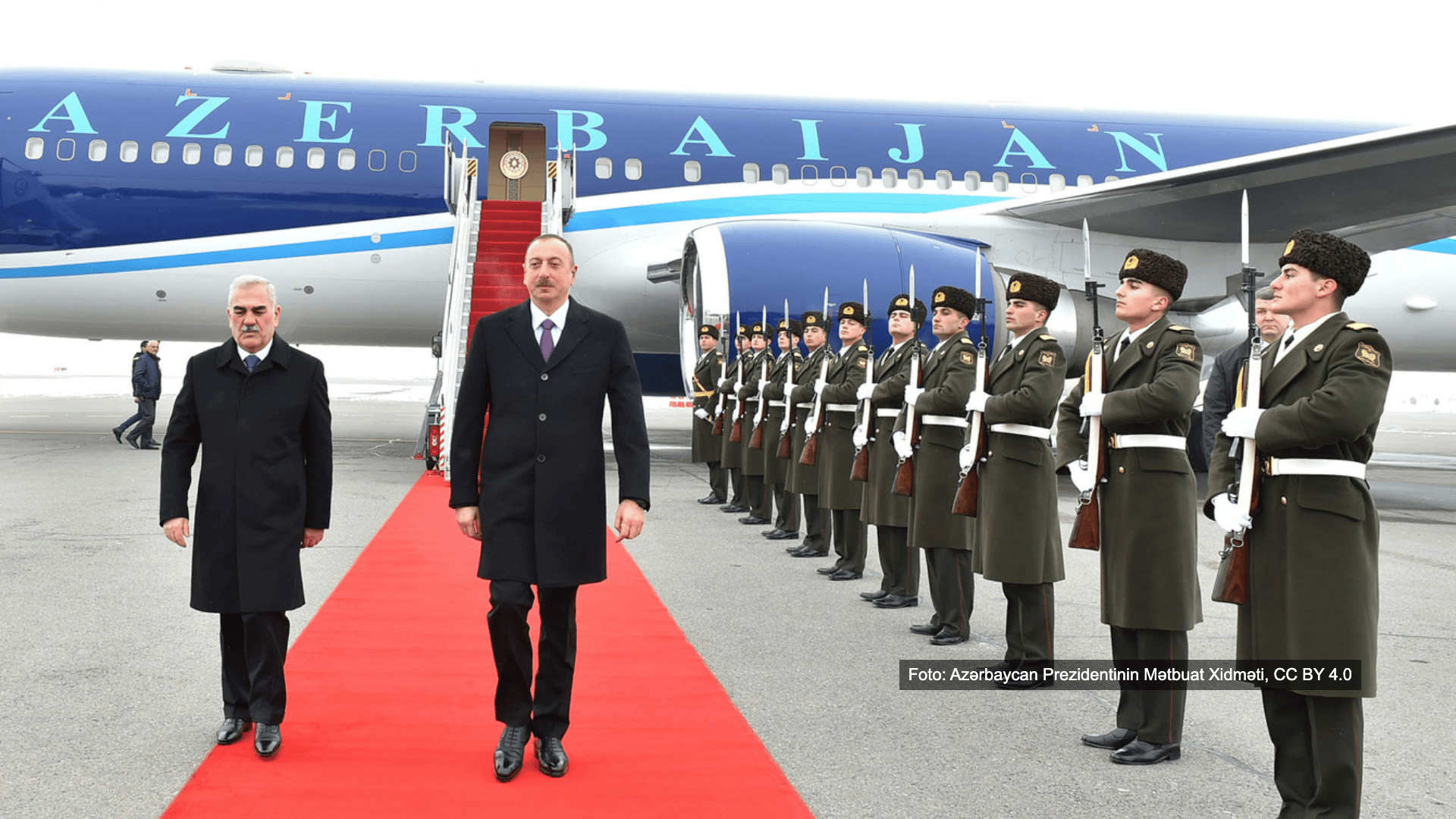
Talibov served as chairman of the Supreme Assembly from December 1995 to December 2022. During his tenure, the autonomous republic had its own Ministry of Taxes, Customs Committee, Ministry of National Security, ombudsman institution, Television and Radio Council, and Civil Service Commission.
The list of repealed decrees shows that all these bodies were established or operated under decrees issued by the chairman of the Supreme Assembly. In other words, Talibov headed the parliament while also creating the autonomous republic’s executive bodies through his own decrees.
Now, however, the Cabinet of Ministers’ head — rather than the Supreme Assembly — is repealing these decrees. This became possible following constitutional amendments that took effect in March 2026. Under a law passed by the Milli Majlis in February, the article establishing the position of “highest official of the autonomous republic” was removed from Nakhchivan’s Constitution.
The Cabinet of Ministers is no longer subordinate to the Supreme Assembly and is authorised, in coordination with the president, to establish and abolish central executive bodies. The Constitution of the autonomous republic now recognises the president’s authorised representation in Nakhchivan as an executive body.
Almost four years have passed since Talibov’s resignation, but a new chairman of the Supreme Assembly has yet to be elected.
What will happen to the agencies?
The Sharq Gapisi newspaper’s report mentions only the repeal of the decrees. It does not clarify whether the agencies themselves will be abolished or which central government bodies will take over their functions.
Some changes took place even before the decision. Nakhchivan’s branches of the State Security Service and the State Customs Committee were transferred to the direct control of Baku. Following Talibov’s resignation, many officials in the autonomous republic came under investigation on charges of embezzlement and other crimes.
The fate of honorary titles remains another unresolved issue. It is not yet clear whether people who received honorary titles from the Nakhchivan Autonomous Republic during Talibov’s tenure will retain their status and the associated benefits.
The future of the autonomous republic’s ombudsman institution is also uncertain. It remains unclear whether Nakhchivan residents will have to turn exclusively to the ombudsman in Baku if their rights are violated.
What does Baku say?
In August, Azerbaijani President Ilham Aliyev said in an interview with AzTV in Nakhchivan that the autonomous republic would retain its status, but its system of governance needed to be “improved”. He noted that the model of special presidential representatives already operating in Karabakh and Eastern Zangazur also applied to Nakhchivan:
“In this way, we are effectively bringing these three regions together from an administrative point of view as well.”
Experts see the repeal of the decrees as another step towards strengthening central government control over the autonomous republic. Nakhchivan’s authorities have yet to provide any further explanation of the decision.
Azerbaijan: Decrees by former Nakhchivan leader repealed