Georgia’s new gambling tournament law raises ombudsman concerns, draws Patriarchate response


International gambling tournaments in Georgia
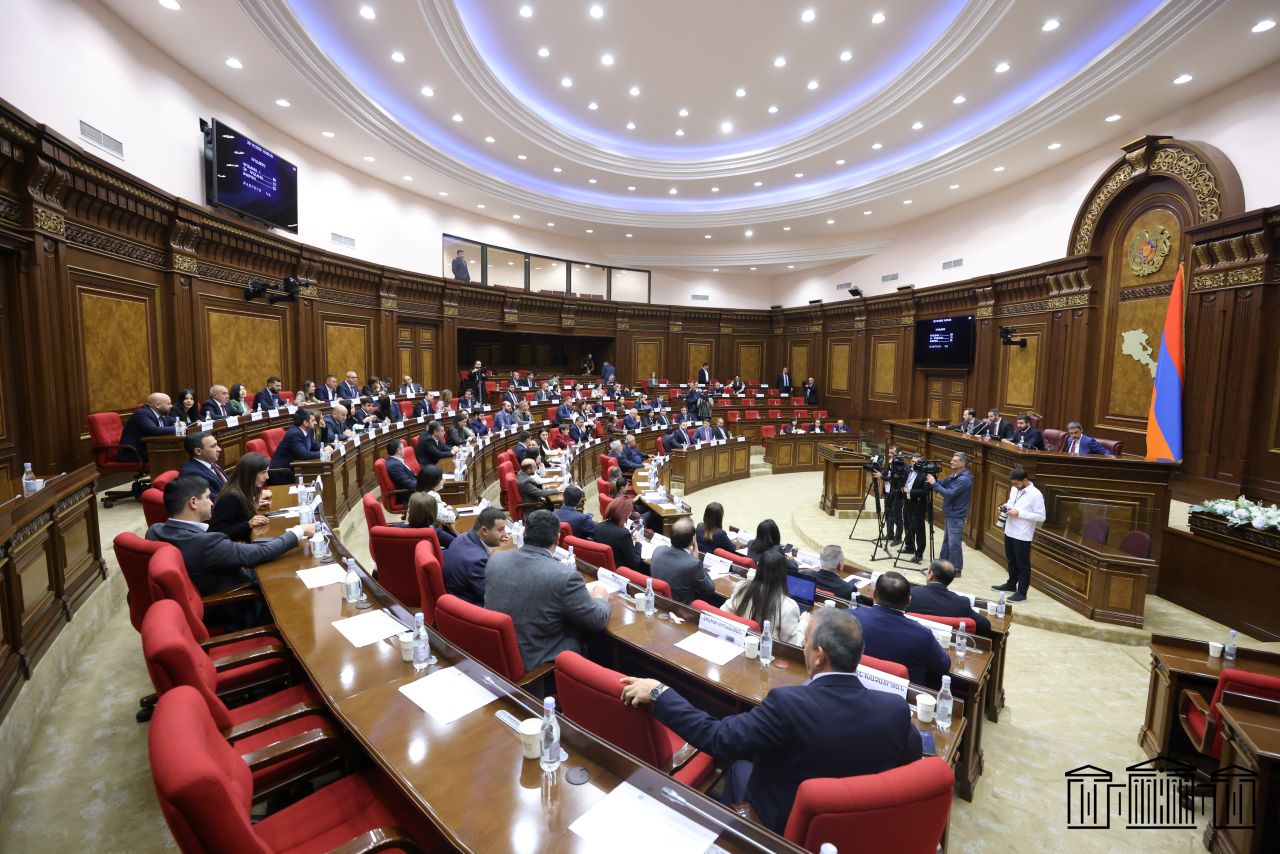
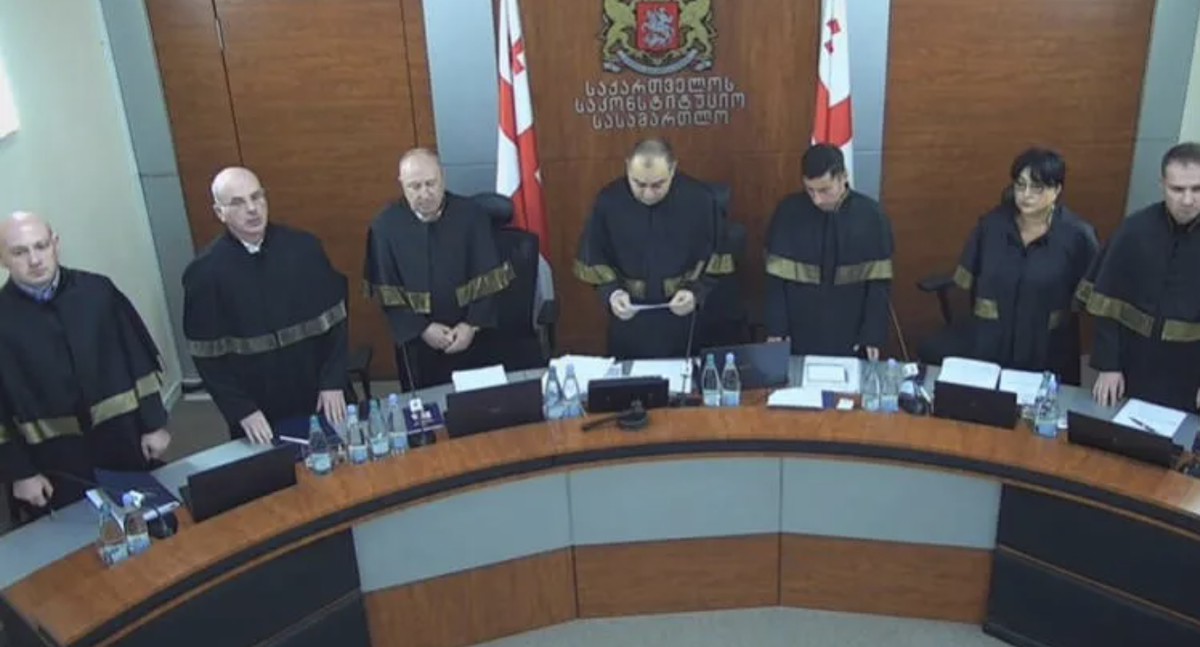
Georgia‘s parliament has passed a bill in its second reading that would allow casinos to organise international gambling tournaments. The initiative provides for permits to hold such tournaments, the introduction of relevant fees and fines for violating permit conditions.
Under the bill, an “international gambling tournament” is defined as a competition organised by a casino in which the prize fund is guaranteed in advance by the organiser and at least 80% of participants are foreign nationals.
Georgian government representatives have justified the move by citing its potential to boost tourism and economic activity. However, the country’s ombudsman has criticised the fast-tracked legislative process and the lack of a proper assessment of potential social harm.
Metropolitan Anton of Vani and Baghdati said the Georgian Patriarchate would discuss the issue on 30 October and present its unified position to the public following the meeting.

What will change?
Under the bill, organisers will be exempt from paying fees for the use of gaming tables used exclusively for international gambling tournaments if the prize fund exceeds 3 million lari. Organisers will also be allowed to generate revenue from holding such tournaments.
International gambling tournaments may be held both at licensed casino premises and at other venues.
The annual permit fee for organising such tournaments will be 100,000 lari (approximately $39,000). Violating permit conditions will carry a fine of 50,000 lari, while organising or holding an international gambling tournament without the required permit will result in a fine of 150,000 lari.
According to the bill’s authors, the amendments aim to improve the legal framework governing gambling and establish clear regulations for organising international gambling tournaments.
The bill’s sponsors note that existing legislation neither defines the term “international tournament” nor contains provisions regulating such events. They argue that this creates uncertainty for businesses and regulatory authorities.

What does the ombudsman say?
Following the bill’s first reading, Georgia’s ombudsman called on parliament to halt its further consideration and adoption.
According to the ombudsman, the fast-tracked consideration of an issue affecting the public interest is particularly problematic, especially without a proper expert assessment or comprehensive analysis of potential human rights risks.
The ombudsman argues that the bill lacks an assessment of its impact on public health and a proper analysis of potential social harm and the costs of preventing it. Furthermore, relevant experts and organisations were not involved in drafting the legislation, while international experience was not taken into account.
The ombudsman also notes that the bill’s explanatory memorandum claims the proposed changes will not affect children’s rights but provides no justification for this conclusion.
“When considering bills of this kind, it is crucial to conduct a comprehensive and thorough examination of the issue, including by ensuring broad participation of experts in the relevant field,” the ombudsman stressed.
The ombudsman emphasises that discussions of the proposed amendments should not focus solely on potential economic benefits. Instead, their impact on public health and social well-being, as well as the associated risks, must be given due consideration.

What does the Patriarchate say?
According to Archpriest Andria Jaghmaidze, head of the Georgian Patriarchate’s public relations department, no prior discussions were held on the issue, and the Patriarchate itself has not yet examined the bill in detail.
Jaghmaidze noted that the Patriarchate has been actively involved in developing regulations governing gambling since 2017. He also said that the Patriarchate had reviewed the ombudsman’s position and largely shared the arguments presented.
“The Patriarchate cannot remain on the sidelines of such a process. We hope that dialogue with the bill’s sponsors will lead to a positive outcome,” Jaghmaidze said.
Metropolitan Anton of Vani and Baghdati said the Georgian Patriarchate was examining the legislative initiative concerning international gambling tournaments and preparing its official position on the matter.
According to the metropolitan, the Patriarchate will hold a discussion on 30 October to examine potential risks associated with the bill, after which it will formulate and publicly announce its unified position.

“Judging by what is apparent so far, I see certain risks. We have not yet fully examined the details — I have only heard some discussions about the issue on television. Of course, we will study the details and express our opinion. Frankly, much remains unclear, although we may still receive further explanations,” Metropolitan Anton said in an interview with InterPressNews.
He added that the Patriarchate intended to discuss the issue with government representatives and formulate its position on the bill in consultation with other senior clergy.
“Of course, we cannot remain indifferent,” the metropolitan said.

How has government policy on gambling changed?
In recent years, the Georgian Dream party’s gambling policy has primarily focused on tightening restrictions and limiting the number of people allowed to gamble.
During the early years of Georgian Dream’s rule, parliament twice rejected legislative initiatives aimed at banning gambling advertisements and tightening regulations, in 2013 and 2019. In 2013, one of the arguments against such measures was the potential damage to the advertising industry, while Bidzina Ivanishvili warned of the risk of creating an unfavourable investment climate.
The situation changed significantly in late 2021, when parliament adopted a comprehensive package of gambling regulations. According to the government, the measures were intended to restrict access to gambling and limit its advertising.
Major restrictions came into force in March 2022:
- The minimum gambling age for Georgian citizens was raised to 25.
- Socially vulnerable individuals, public officials and people included in a designated register were banned from gambling.
- Gambling advertisements were banned on television, outdoors and on Georgian websites, with limited exceptions for certain forms of sponsorship.
- Taxation and regulatory oversight were tightened.
The minimum gambling age for foreign nationals remained 18.
Subsequent changes revealed a distinct approach: maintaining strict restrictions for the local population while encouraging the development of the gambling industry targeting foreign customers.
According to an industry review published in June 2026, the government introduced a bill to establish preferential licensing and tax arrangements for online gambling companies targeting overseas customers.
The initiative proposed incentives for operators serving foreign markets, while maintaining a higher tax burden on the segment of the industry catering to Georgian citizens.