Serbia protests timeline: how students brought Vucic’s 12-year rule to end


The end of Vučić’s rule
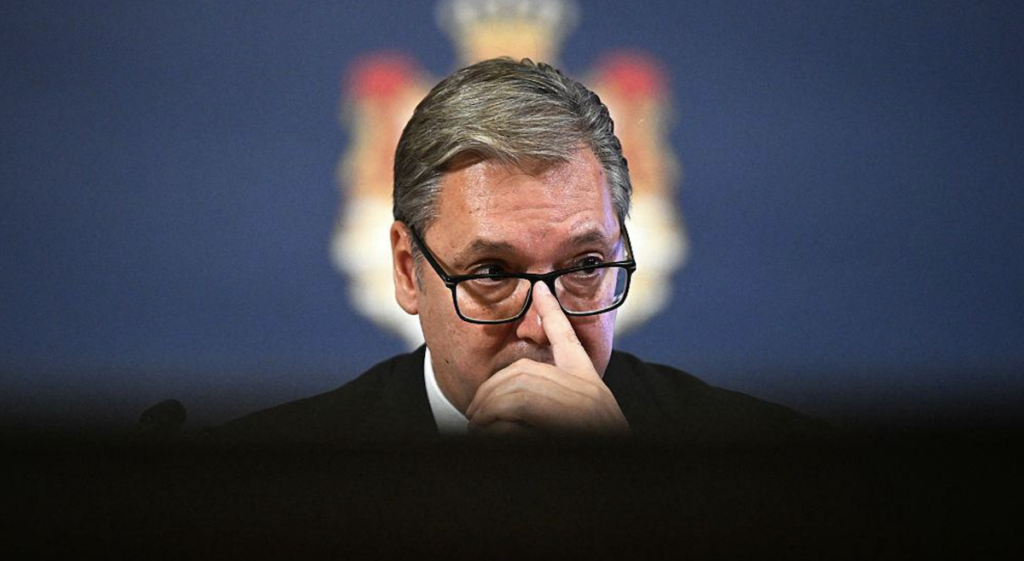
Aleksandar Vučić, Serbia’s former president and the ruling party’s candidate for prime minister, conceded defeat in the snap parliamentary election held on 25 October. He said the “Student List” had won.
“Judging by the preliminary results, it is clear that we have lost this election. The Student List has won — they will get between 135 and 140 seats, while we will have around 105,” Vučić said.
The snap election, which Vučić called before stepping down as president, followed a wave of student-led protests that had lasted for almost two years.
The demonstrations began after a disaster at the railway station in Novi Sad in 2024 that killed 16 people. Protesters blamed corruption and negligence for the tragedy and demanded that those responsible face justice.
Vučić’s party had been in power in Serbia for 12 years.
Here is a chronological account of how the protests began, grew into a student movement, challenged Aleksandar Vučić’s government and brought Serbia to the 25 October 2026 election, in which Vučić conceded defeat.
From a spark to a change of government
Aleksandar Vučić and his Serbian Progressive Party (SNS) have dominated Serbian politics since 2012. Vučić became prime minister in 2014 and was elected president in 2017.
Government supporters portrayed him as a guarantor of stability, economic development and a foreign policy that balanced relations with the West and Russia. Critics, however, pointed to the concentration of power, the ruling party’s influence over the media, corruption and concerns about the independence of state institutions.
Public discontent periodically spilled onto the streets. Protests included demonstrations over electoral fairness and rallies against a proposed lithium mining project. Until 2024, however, the government had largely managed to prevent the emergence of large-scale, sustained protest movements.
1 November 2024: the tragedy that changed everything
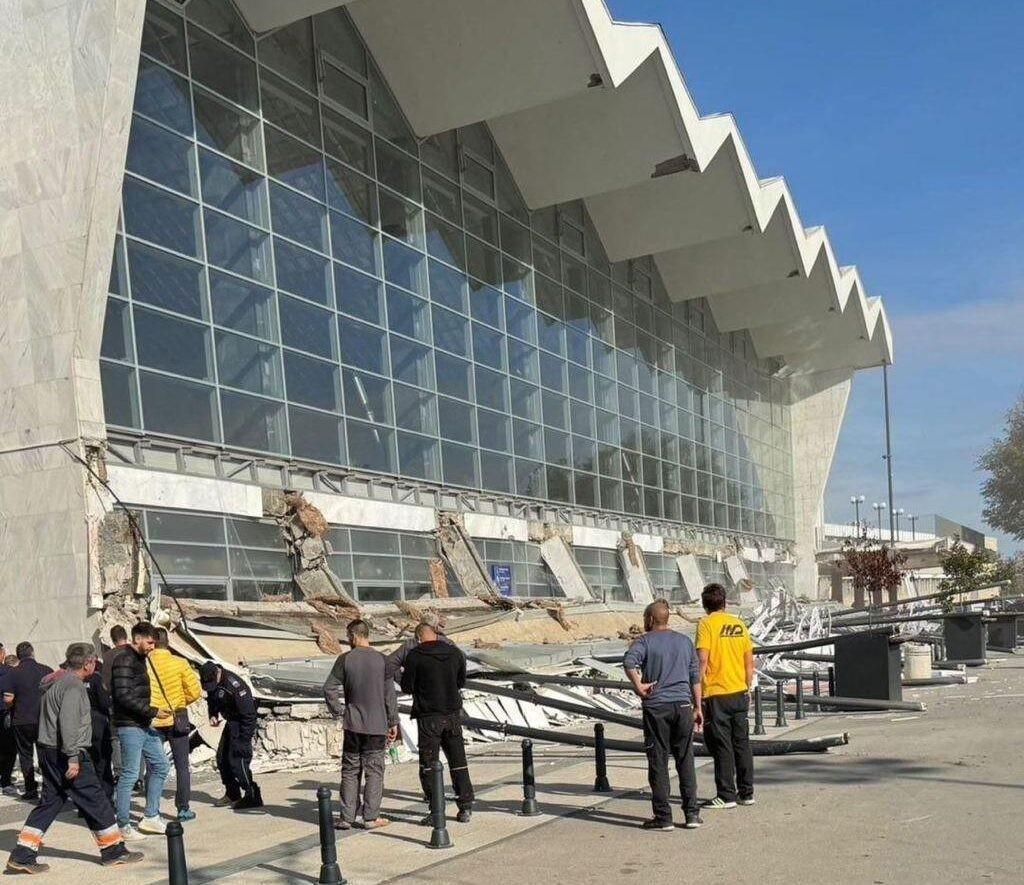
On 1 November 2024, a concrete canopy collapsed at the railway station in Novi Sad, a city in northern Serbia, killing 16 people.
The station had undergone renovation shortly before the disaster, prompting immediate questions. How could recently refurbished infrastructure collapse? Who was responsible for the quality of the work? How transparent were the public procurement procedures and the renovation project itself?
Authorities opened an investigation, but for many people, the fact that an investigation had begun was not enough. Suspicions grew that the collapse might not have been merely a technical failure, but could also involve corruption and attempts to evade accountability. Further concerns over access to project documents only deepened those suspicions. Protesters demanded that those responsible be identified.
The tragedy, which claimed 16 lives, became more than a moment of mourning. It turned into a test of accountability for state institutions. People wanted to know not only what caused the canopy to collapse, but also who had allowed potential wrongdoing to take place and why the oversight system had failed.
November 2024: students take to the streets
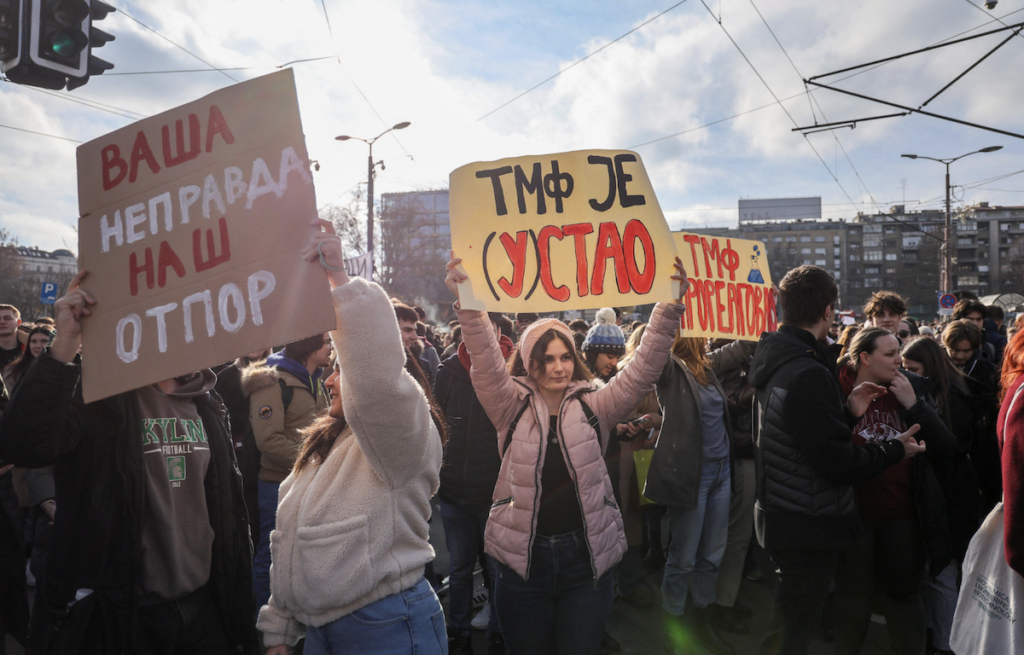
On 22 November, students at the Faculty of Dramatic Arts in Belgrade were attacked during a silent protest in memory of those killed in the disaster. The incident gave the protests a new focus: students demanded that authorities identify the attackers and hold them accountable.
University students soon began disrupting classes. The movement spread from Novi Sad and Belgrade to other cities across the country.
The way the protests were organised was also significant. Students made decisions at general assemblies known as “plenums”. From the outset, the movement had no single central leader whose removal would have allowed the authorities to bring the entire campaign to a halt.
What were the students demanding?
- Make all documents related to the station’s reconstruction publicly available;
- Identify those responsible for the disaster and hold them accountable under the law;
- Punish those involved in the attacks on students and drop charges against detained protesters;
- Increase funding for higher education by 20%.
In other words, the movement was never solely about calling for the government to resign. Its main goals were transparency, justice and accountability from state institutions.
By December, the protests had evolved beyond a reaction to the Novi Sad tragedy. University blockades, daily demonstrations and public support for the students had turned the movement into a nationwide campaign.
One of its most powerful symbols was the minute of silence. Every day at 11:52 — the exact time the canopy collapsed — protesters stopped to honour the victims. They also held 16-minute silences in memory of the 16 people who died.
The movement drew its strength from the fact that it differed from a typical political opposition campaign. Students stressed that political parties should not dictate their demands. This helped bring a wide range of social groups into the protests.
January 2025: the first major political outcome
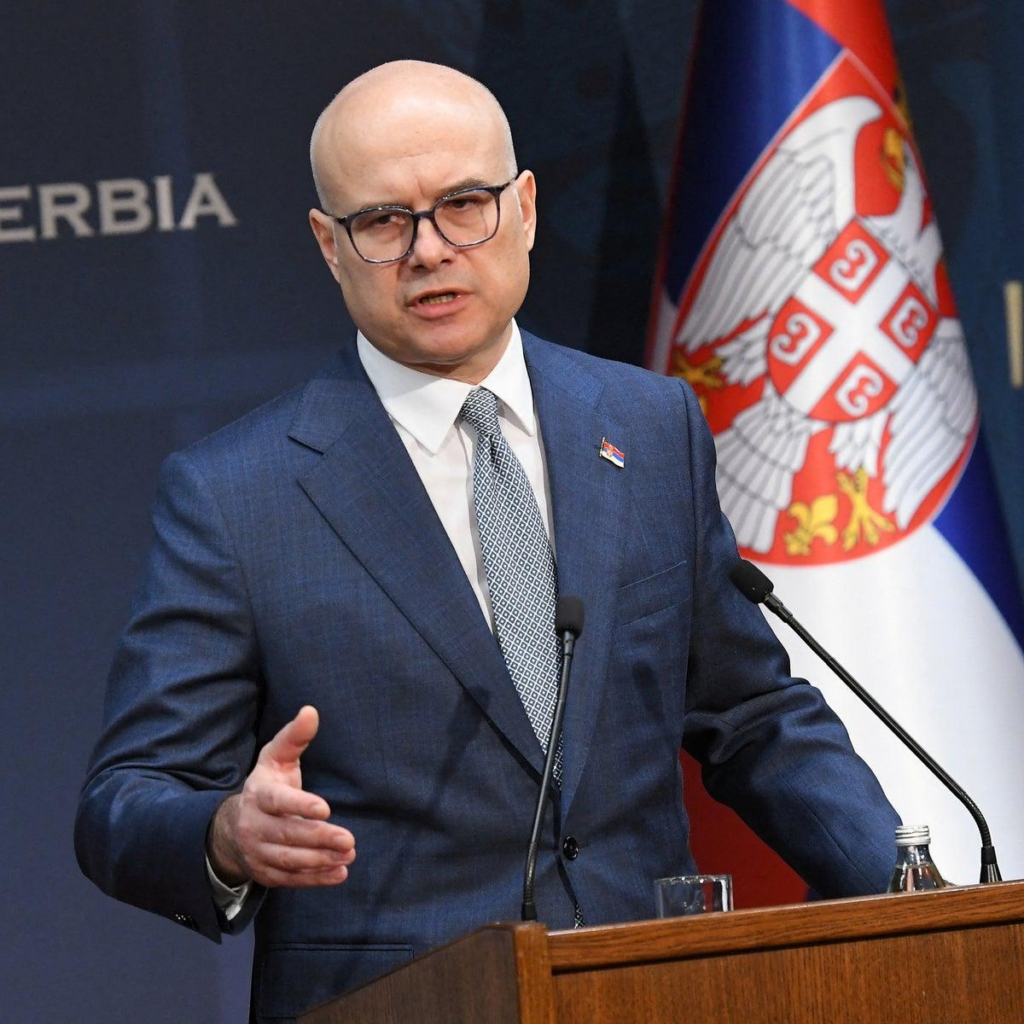
On 28 January 2025, Prime Minister Miloš Vučević announced his resignation. Around the same time, the mayor of Novi Sad also stepped down.
This marked a significant political concession. The authorities could no longer maintain that street protests were failing to achieve any tangible results.
However, the students continued their protests. In their view, the resignation of individual officials did not answer the key questions: who was responsible for the disaster, how independent was the judicial system, and how should the system of government be reformed?
This marked an important turning point. The protests showed that a sustained, organised mass movement could impose significant political costs on the authorities.
The students adopted a new strategy. Rather than limiting their demonstrations to the capital, they began organising marches, cycle rides and meetings with local residents across the country.
This strategy was important for several reasons:
- The protests spread beyond the capital. The movement built ties with residents of smaller towns and regional communities;
- Students positioned themselves as representatives of society as a whole. They won support from university staff, teachers, ordinary citizens and people from a wide range of professions;
- The movement built its own communications network. Citizens critical of the government ensured that the flow of information no longer depended solely on traditional media.
By this stage, the student protests had become one of the largest popular movements in Serbia’s recent history.
15 March 2025: the historic rally in Belgrade
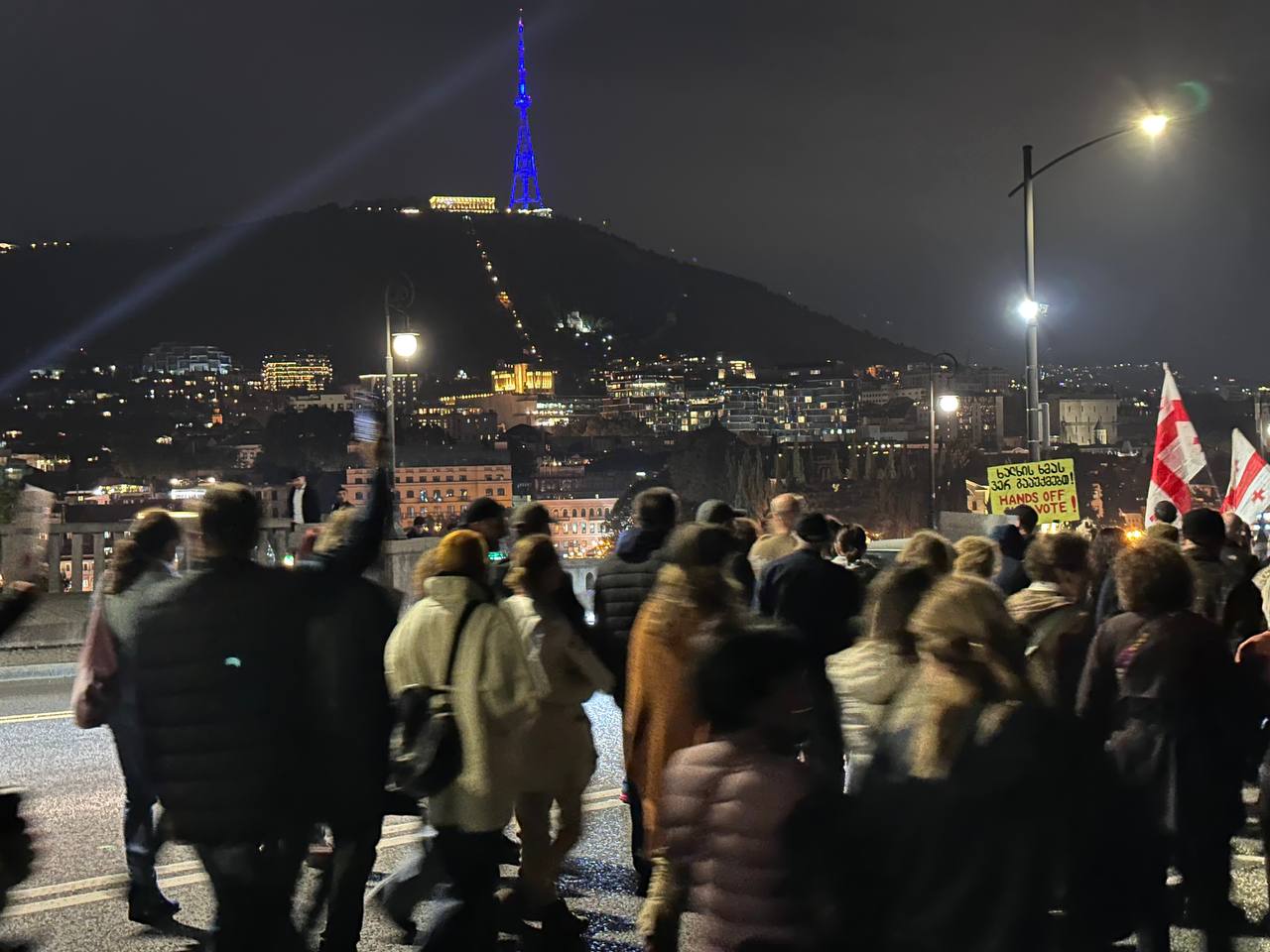
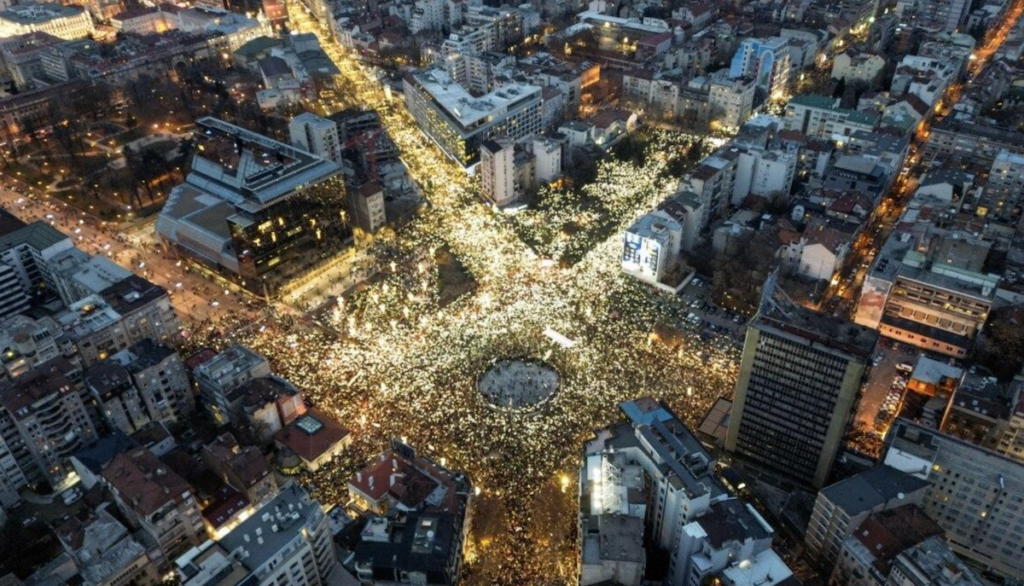
The rally on 15 March 2025 marked a pivotal moment for the movement. Hundreds of thousands of people gathered in Belgrade.
The independent organisation Archive of Public Gatherings estimated that between 275,000 and 325,000 people took part. Serbia’s Interior Ministry gave a significantly lower figure. The discrepancy itself became a subject of debate.
Why was this event important?
- First, it showed that the students enjoyed support well beyond university campuses;
- Second, the government faced a challenge not only from the traditional opposition, but also from a broad coalition of citizens united by a common demand for justice and state accountability;
- Third, the movement had grown so powerful that the question of Serbia’s political future could no longer be ignored.
Once again, the protest showed that calls for a change of government were coming from beyond political parties. A sense emerged across society that the existing system could be changed.
Spring and summer 2025: when the demands turned into a political struggle
On 5 May 2025, the student movement called for snap parliamentary elections. This broadened the scope of the protests. Vučić’s government, meanwhile, said the demonstrations aimed to destabilise the state and alleged that foreign powers were involved. The student movement rejected these accusations, identifying its main goals as fighting corruption, establishing independent institutions and holding fair elections.
Tensions continued to rise throughout this period. Reports emerged of arrests, clashes and acts of violence against protesters. Government opponents accused the authorities of controlling the media and weakening democratic institutions — allegations the government denied.
One of the movement’s most significant decisions was to create a political alternative from within the protest movement.
Students began selecting candidates to represent them in the parliamentary election. They formed an electoral list called “Student List — Students Win”. The aim was to broaden the movement’s representation by including people from different professions and social groups.
On 9 September 2026, Vučić called a snap parliamentary election for 25 October. He made the announcement amid a prolonged political standoff, as the student movement was already preparing to contest the election.
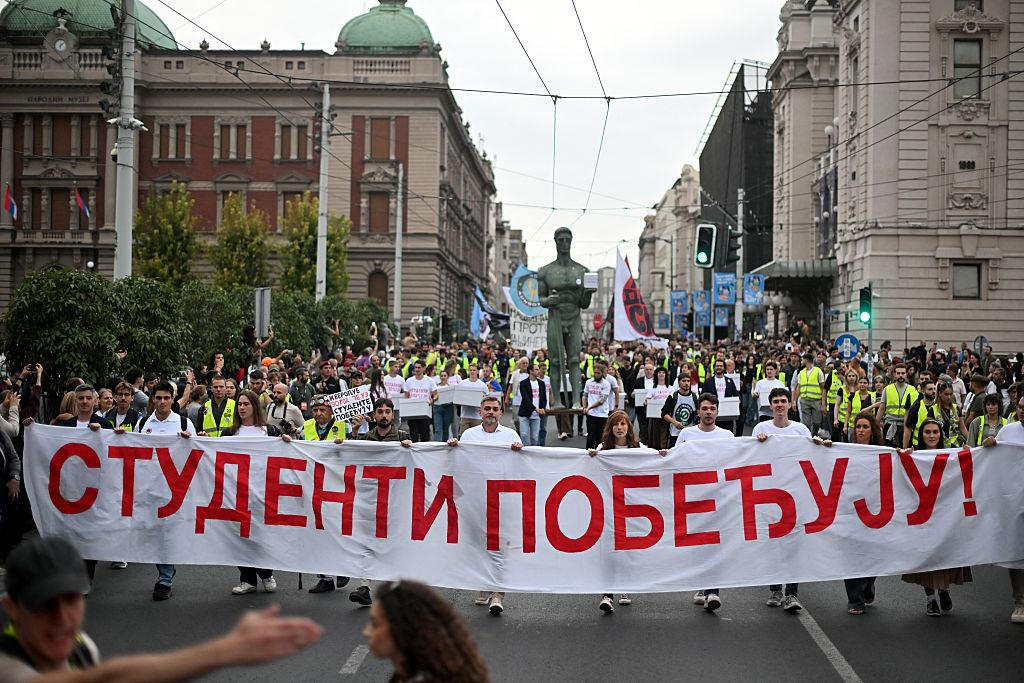
22 октября 2026 года: сотни тысяч сторонников движутся к предвыборной финишной прямой
За несколько дней до выборов, назначенных на 25 октября, студенческое движение провело в Белграде масштабный заключительный митинг. Сторонники из разных городов страны направились в столицу.
Согласно данным, опубликованным накануне выборов, между студенческим списком и правящей партией развернулась упорная борьба. Вучич предрекал победу, хотя и признавал, что она достанется нелегко.
Это стало кульминацией движения, которое продолжалось почти два года: протест, начавшийся с требований справедливости после гибели 16 человек, теперь стремился обеспечить себе большинство в парламенте.
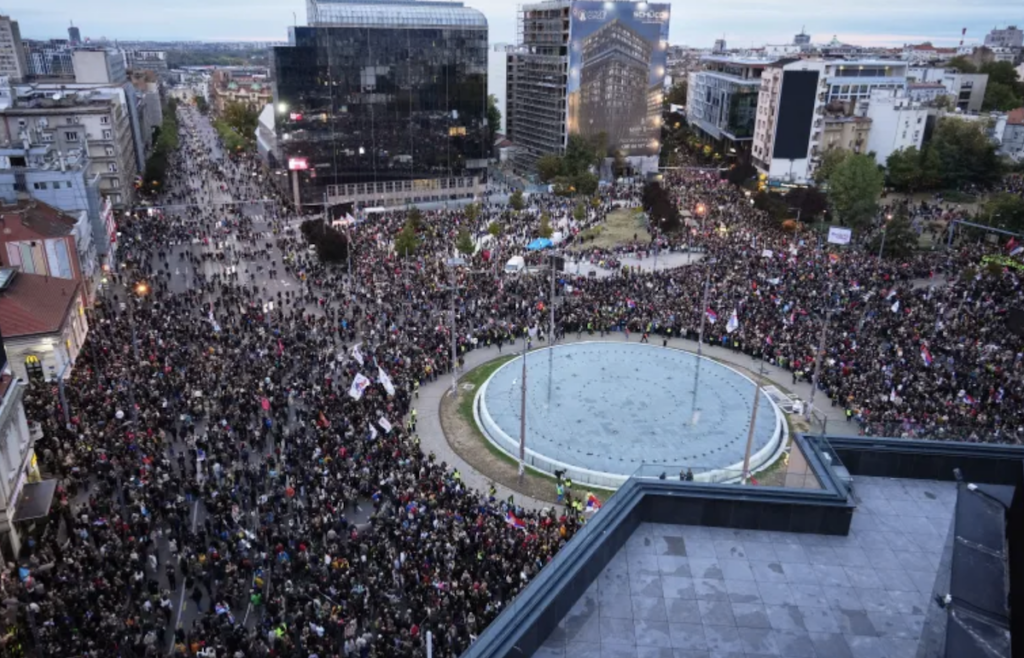
25 October 2026: Vučić concedes defeat
On election night, something that many in Serbian political circles had long considered unthinkable happened.
Vučić announced that his political camp had lost the election and that the Student List had won. He estimated that the Student List would secure between 135 and 140 seats in parliament, while his own camp would get around 105.
According to Reuters, preliminary projections gave the Student List 138 seats in the 250-member parliament, compared with 104 for Vučić’s Serbian Progressive Party. The Student List had therefore secured a parliamentary majority. Voter turnout stood at around 70%, one of the highest levels since 1992.
According to Serbian political sociologist Gazela Pudar Draško, writing in The Washington Post, the student movement had taken the protests to a new level: citizens had moved beyond simply expressing discontent and begun taking direct part in political change. Students across the country had created an alternative model of political mobilisation by building relationships with local communities and making decisions collectively.
Radomir Šajčić, a professor at the University of Belgrade, commented on the victory at the students’ campaign headquarters. “Tonight we celebrate our victory, and tomorrow we will start building the future!” he said, Reuters reported.
The end of Vučić’s rule